
US-Iran Nuclear Talks Postponed Amid Lebanon Clashes as Vance Rebukes Israeli Critics
The first round of US-Iran nuclear negotiations in Switzerland was abruptly delayed after a deadly flare-up between Israel and Hezbollah, prompting Vice President JD Vance to sharply criticize Israeli opposition to the diplomatic push.
By Factlen Editorial Team
- US Administration
- Argues the MoU is a historic diplomatic breakthrough that will stabilize global markets and prevent a wider war, urging allies to trust the negotiation process.
- Israeli Government
- Views the agreement with deep suspicion, arguing it fails to dismantle Iran's nuclear infrastructure and leaves Israel vulnerable to Hezbollah attacks.
- Iranian Leadership
- Maintains that successful nuclear negotiations are strictly contingent on a comprehensive ceasefire, while navigating internal pushback from hardline factions.
- Regional Observers
- Gulf states and analysts view the shift as proof that US protection is conditional, prompting them to pursue independent diplomatic engagement with Tehran.
What's not represented
- · Lebanese civilians displaced by the ongoing border conflict
- · European allies monitoring the nuclear non-proliferation aspects of the deal
Why this matters
The Trump administration's push for a historic nuclear deal with Iran represents a massive geopolitical realignment that is already lowering global oil prices, but it is deeply straining the US-Israel alliance. The success or failure of these talks over the next 60 days will determine whether the Middle East stabilizes or plunges back into a wider regional war.
Key points
- Planned US-Iran nuclear talks in Switzerland were delayed due to renewed fighting between Israel and Hezbollah.
- Vice President JD Vance sharply rebuked Israeli critics of the deal, saying they cannot 'kill their way out' of security issues.
- The US and Iran recently signed a 14-point MoU to end hostilities and reopen the Strait of Hormuz.
- President Trump defended the agreement, pointing to tumbling global oil prices and a rallying stock market.
- A fragile renewed ceasefire in Lebanon took effect Friday following direct intervention by the US administration.
- Iran has waived transit fees in the Strait of Hormuz to encourage the immediate resumption of commercial shipping.
The highly anticipated first round of US-Iran nuclear negotiations in Switzerland has been abruptly postponed after a deadly military flare-up between Israel and Hezbollah threatened to derail a newly signed peace framework.[1][4]
The diplomatic disruption comes just days after US President Donald Trump and Iranian President Masoud Pezeshkian finalized a 14-point Memorandum of Understanding (MoU). The agreement was designed to end direct hostilities, reopen the Strait of Hormuz to global shipping, and initiate a 60-day window to negotiate a permanent resolution to Iran's nuclear program.[2][4][8]

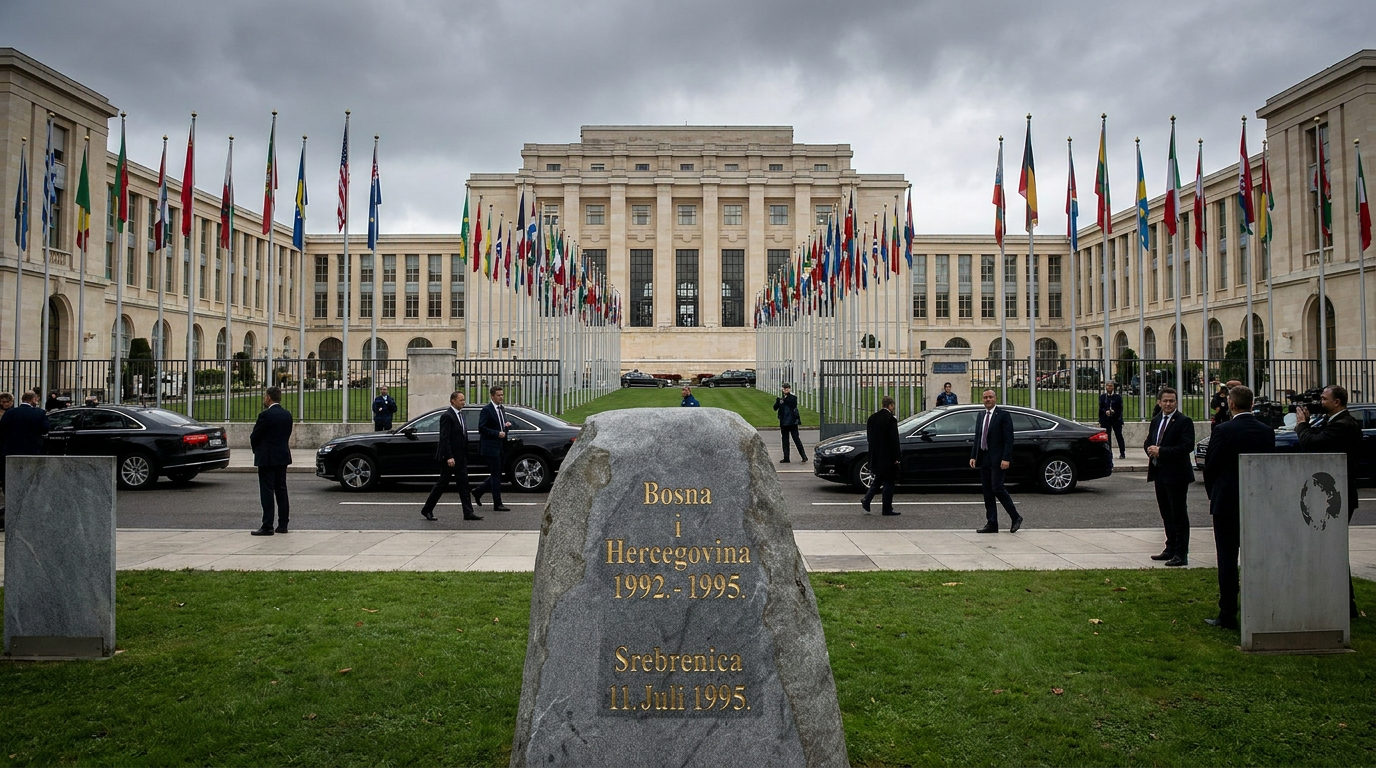
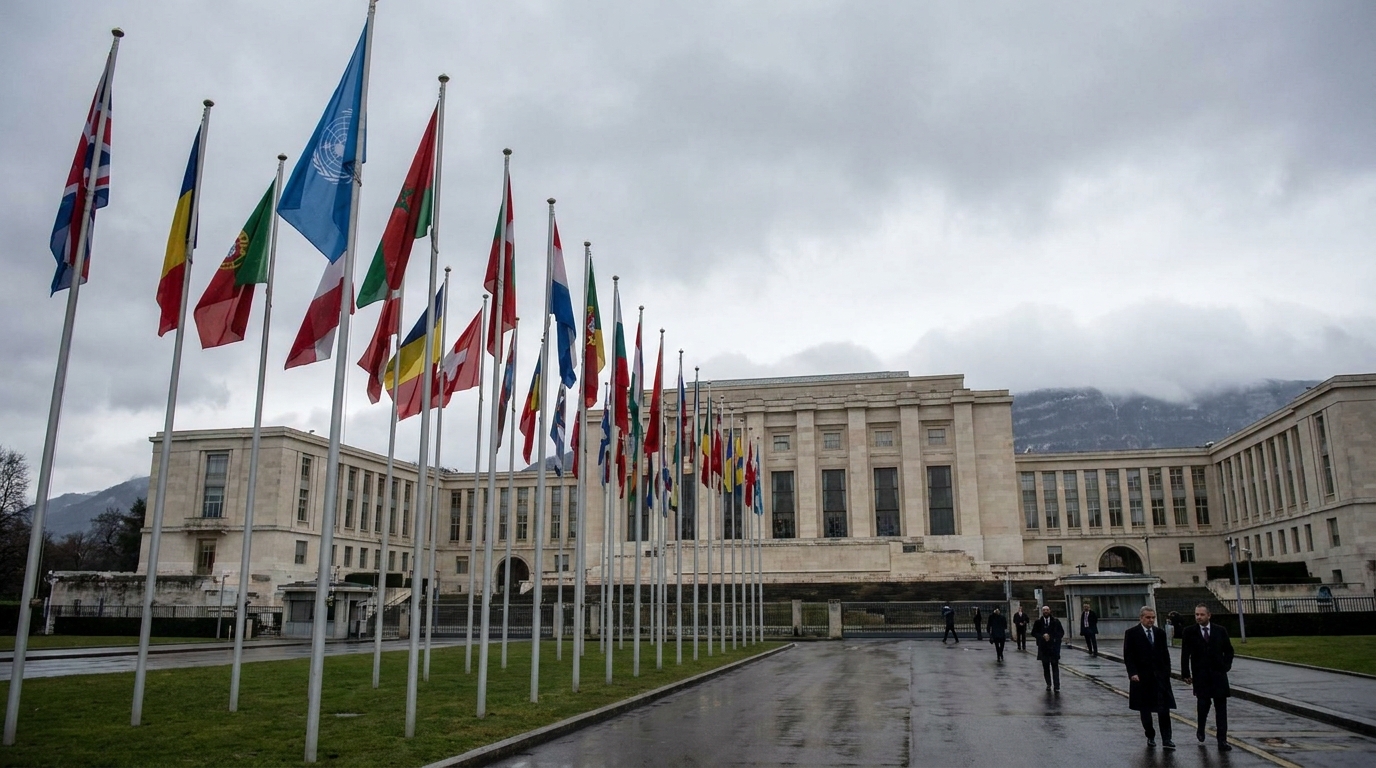
White House envoy Steve Witkoff and former adviser Jared Kushner had already traveled to Obbürgen, Switzerland, to lay the groundwork for the talks. However, Vice President JD Vance scrapped his planned trip to lead the US delegation after intense violence erupted in southern Lebanon, prompting Iranian officials to suspend their participation.[1][2][4]
The violence began when Hezbollah militants killed four Israeli soldiers, prompting Israel to launch a wave of retaliatory airstrikes across southern Lebanon and the Bekaa Valley that killed at least 47 people. Iranian officials immediately tied the diplomatic track to the conflict, informing mediators that nuclear talks could not proceed without a comprehensive ceasefire on all fronts, including Lebanon.[4]
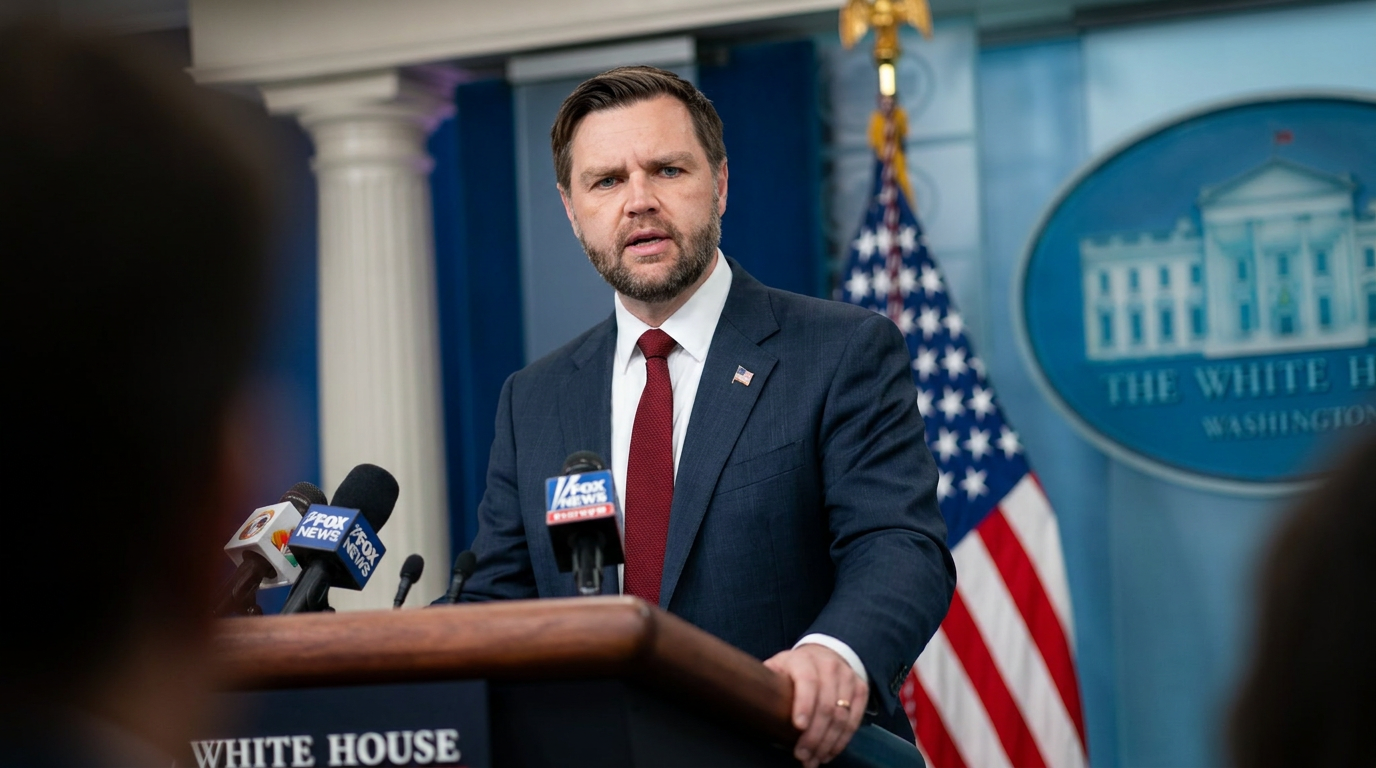
The delay exposed deep fractures between the United States and Israel over the administration's diplomatic strategy. In an unusually sharp public rebuke, Vice President Vance lashed out at Israeli cabinet ministers who have fiercely criticized the MoU, characterizing their reaction as a "freakout" rooted in mistrust.[3][6]
"What is your exact proposal? You're a country of nine million people. You can't just kill your way out of solving every single national security problem that you have," Vance said, urging Israeli leadership to let the negotiations play out and to trust their "only powerful ally."[3][6]
Vance defended the mechanics of the proposed final deal, asserting that it would require the complete destruction of Iran's enriched uranium stockpiles and permanently bar future enrichment. However, he also defended the administration's stance that Iran should be permitted to retain some ballistic missiles for self-defense, appearing to equate Tehran's right to self-defense with Israel's—a position that has alarmed Israeli defense officials.[6]
President Trump also defended the MoU against domestic and international critics, pointing to immediate economic benefits. He noted that global oil prices have tumbled and stock markets have rallied since the agreement was announced, calling critics of the deal "fools" who fail to recognize the leverage the US has gained.[2][5]

President Trump also defended the MoU against domestic and international critics, pointing to immediate economic benefits.
To salvage the fragile diplomatic window, Trump reportedly intervened directly on Friday, asking Israeli officials to agree to a renewed ceasefire with Hezbollah. By Friday morning, diplomats confirmed that a fragile truce had taken effect in Lebanon, though Israeli Ambassador to the US Yechiel Leiter warned that Israeli forces would remain in a southern Lebanon security buffer zone until Hezbollah's infrastructure is dismantled.[2][5]
Despite the diplomatic turbulence in Europe, the MoU is already reshaping realities on the ground in the Middle East. The US military has lifted its naval blockade of Iranian ports, and commercial shipping has rapidly resumed through the Strait of Hormuz. Iran's Persian Gulf Strait Authority announced it would waive transit fees for security and environmental services during the 60-day negotiation period to encourage maritime traffic.[4][5][7]

Regional observers note that Arab Gulf states are watching the US-Iran rapprochement with cautious pragmatism. Having endured years of proxy conflicts and attacks on their civilian infrastructure, these nations are increasingly viewing US protection as conditional and are preparing to engage diplomatically with Tehran regardless of Israel's posture.[8]
The Iranian government is facing its own intense domestic pressures. Hardline clerics and media outlets in Tehran have criticized the MoU as a dangerous concession to Washington, forcing President Pezeshkian's coalition to publicly defend the agreement as a victory born of military resilience rather than diplomatic surrender.[7]
With the 60-day clock now ticking, negotiators face immense pressure to reschedule the Switzerland talks. The coming weeks will test whether the Trump administration can successfully balance its push for a historic nuclear settlement with the volatile security demands of its closest Middle Eastern ally.[2][8]
How we got here
April 2025
The US and Iran begin initial negotiations aimed at reaching a nuclear peace agreement.
June 2025
Talks break down, and Israel launches strikes on Iranian facilities, sparking a wider regional conflict.
June 17, 2026
The US and Iran sign a 14-point Memorandum of Understanding to end hostilities and reopen shipping lanes.
June 18, 2026
Violence flares in Lebanon; Hezbollah kills four Israeli soldiers, and Israel retaliates with deadly airstrikes.
June 19, 2026
Planned nuclear talks in Switzerland are postponed, and a renewed ceasefire in Lebanon is brokered.
Viewpoints in depth
US Administration's view
The White House sees the MoU as a historic triumph that stabilizes the global economy and prevents endless war.
The Trump administration argues that the 14-point framework achieves what previous military pressure could not: a tangible pathway to dismantling Iran's nuclear program while immediately lowering global energy costs. Officials point to the rapid reopening of the Strait of Hormuz and tumbling oil prices as proof of concept. Vice President JD Vance's sharp rhetoric toward Israel reflects a growing frustration within the administration that allied security concerns are threatening to sabotage a broader, globally beneficial diplomatic victory.
Israeli Government's view
Israeli leaders view the US-Iran agreement as a dangerous capitulation that leaves them exposed to regional threats.
For Israel, the MoU is seen as fundamentally flawed because it lifts military and economic pressure on Tehran without permanently neutralizing its nuclear infrastructure or its proxy networks. Officials are particularly alarmed by the US suggestion that Iran should retain some ballistic missiles for self-defense. The Israeli government argues that a ceasefire in Lebanon cannot hold as long as Hezbollah retains its military capabilities on Israel's northern border, viewing the US diplomatic push as an abandonment of a shared security posture.
Iranian Leadership's view
Tehran is leveraging the negotiations to end its economic isolation while demanding an end to Israeli military operations.
The Iranian government is framing the MoU to its domestic audience as a victory achieved through military resilience, forcing the US to the negotiating table. However, President Pezeshkian's administration faces intense pressure from hardline factions who view any deal with Washington as a trap. By tying the continuation of the Switzerland talks to a comprehensive ceasefire in Lebanon, Tehran is attempting to protect its regional allies while maintaining leverage over the US during the 60-day negotiation window.
What we don't know
- When the postponed talks in Switzerland will officially be rescheduled.
- Whether the renewed ceasefire between Israel and Hezbollah will hold through the 60-day negotiation window.
- How the final agreement will enforce the destruction of Iran's enriched uranium stockpiles.
Key terms
- Memorandum of Understanding (MoU)
- A formal agreement between two or more parties that establishes a framework for future negotiations, though it is not a final, binding treaty.
- Strait of Hormuz
- A critical maritime chokepoint between the Persian Gulf and the Gulf of Oman, through which a significant portion of the world's oil supply passes.
- Uranium Enrichment
- The process of increasing the concentration of the U-235 isotope in uranium, which is necessary for both civilian nuclear power and nuclear weapons.
Frequently asked
Why were the Switzerland talks postponed?
Iran refused to proceed with the negotiations after intense fighting broke out between Israel and Hezbollah in southern Lebanon, insisting on a comprehensive ceasefire first.
What did JD Vance say to Israel?
Vice President Vance sharply criticized Israeli opposition to the US-Iran deal, stating that Israel cannot "kill its way out" of its national security problems and urging them to trust US diplomacy.
What is in the US-Iran Memorandum of Understanding?
The 14-point framework establishes a 60-day negotiation window, reopens the Strait of Hormuz to commercial shipping, and sets the stage for a permanent agreement to dismantle Iran's enriched uranium stockpiles.
Sources
Source coverage
8 outlets
4 viewpoints surfaced








[1]AxiosUS Administration
Trump envoy Witkoff heads to Switzerland ahead of potential Iran talks
Read on Axios →[2]Fox NewsUS Administration
Witkoff expected in Switzerland for Iran talks after Vance scraps trip: report
Read on Fox News →[3]Al JazeeraIranian Leadership
JD Vance tells Israel 'you can't kill your way out' of security problems
Read on Al Jazeera →[4]The GuardianRegional Observers
US-Iran meeting in Switzerland on implementation of peace deal cancelled over clashes in southern Lebanon
Read on The Guardian →[5]CBS NewsRegional Observers
Israel and Hezbollah agree to a ceasefire, diplomat briefed on the deal says
Read on CBS News →[6]The Media LineIsraeli Government
Vance Says to Israel: 'You Can't Just Kill Your Way' Out of Security Threats, Defends Iran Keeping Missiles
Read on The Media Line →[7]Iran InternationalIranian Leadership
Iran says Hormuz transit fees suspended under US memorandum
Read on Iran International →[8]Stimson CenterRegional Observers
What the Trump-Iran agreement says about Lebanon, Hormuz and uranium
Read on Stimson Center →

Every angle. Every day.
Get news politics stories with full source coverage and perspective breakdowns delivered to your inbox.