
US and Iran Near Historic Peace Deal to End War and Reopen Strait of Hormuz
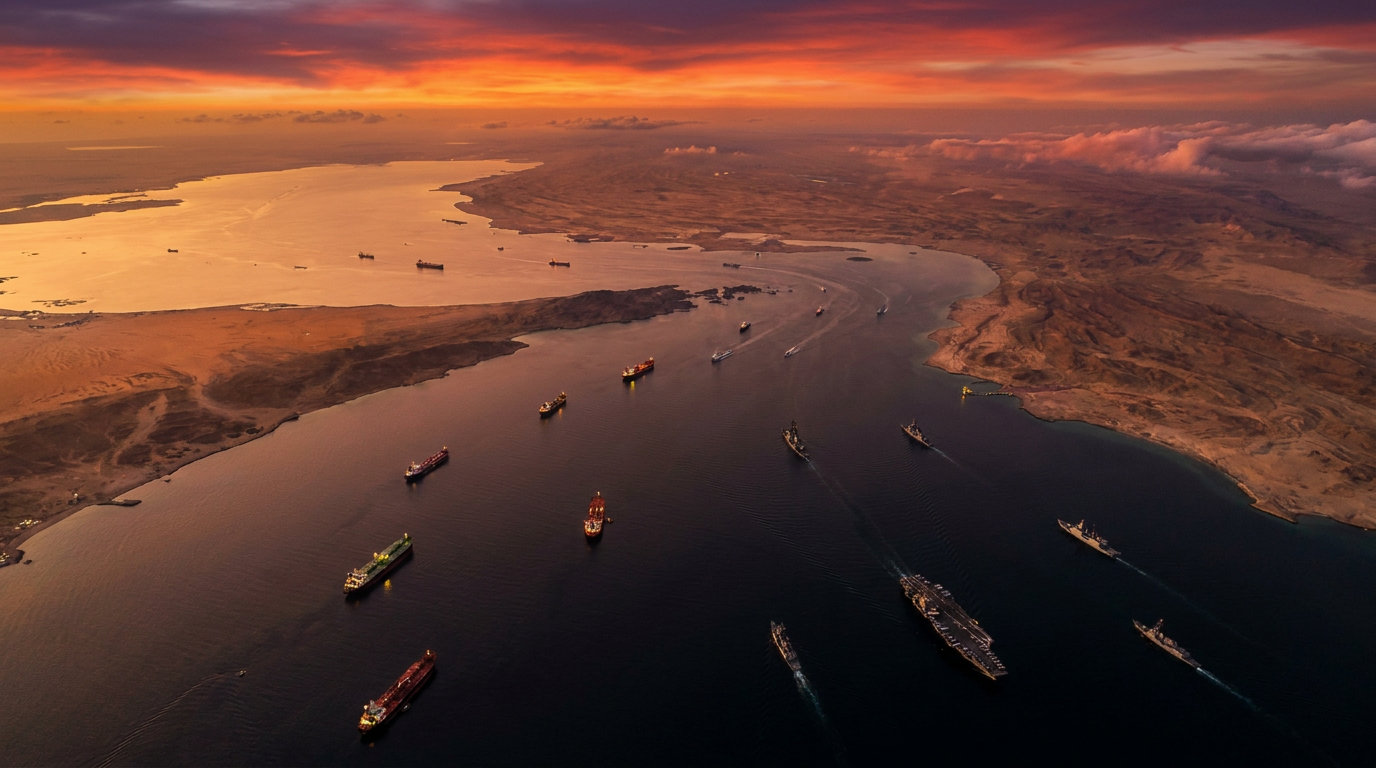
The United States and Iran are on the verge of signing the "Islamabad Memorandum of Understanding," a landmark agreement to end months of conflict. The deal would lift the U.S. naval blockade, reopen vital shipping lanes, and begin the dismantlement of Iran's nuclear program in exchange for phased sanctions relief.
By Factlen Editorial Team
- United States Administration
- Prioritizes verifiable nuclear dismantlement and performance-based economic relief.
- Iranian Leadership
- Seeks immediate economic relief and sovereignty guarantees while navigating domestic hardliners.
- Regional Mediators
- Focused on restoring economic stability, reopening trade routes, and preventing a wider regional war.
- Israeli Government
- Deeply skeptical of Iranian compliance and focused on dismantling proxy threats in the region.
What's not represented
- · Global shipping and logistics companies
- · Iranian civilian population
Why this matters
A finalized peace agreement would immediately lower global energy prices by reopening the Strait of Hormuz, which handles 20% of the world's oil. It would also avert a wider Middle Eastern war that threatened to draw in neighboring Gulf states and disrupt international shipping.
More in news politics
See all 161 stories →U.S.-Iran Conflict
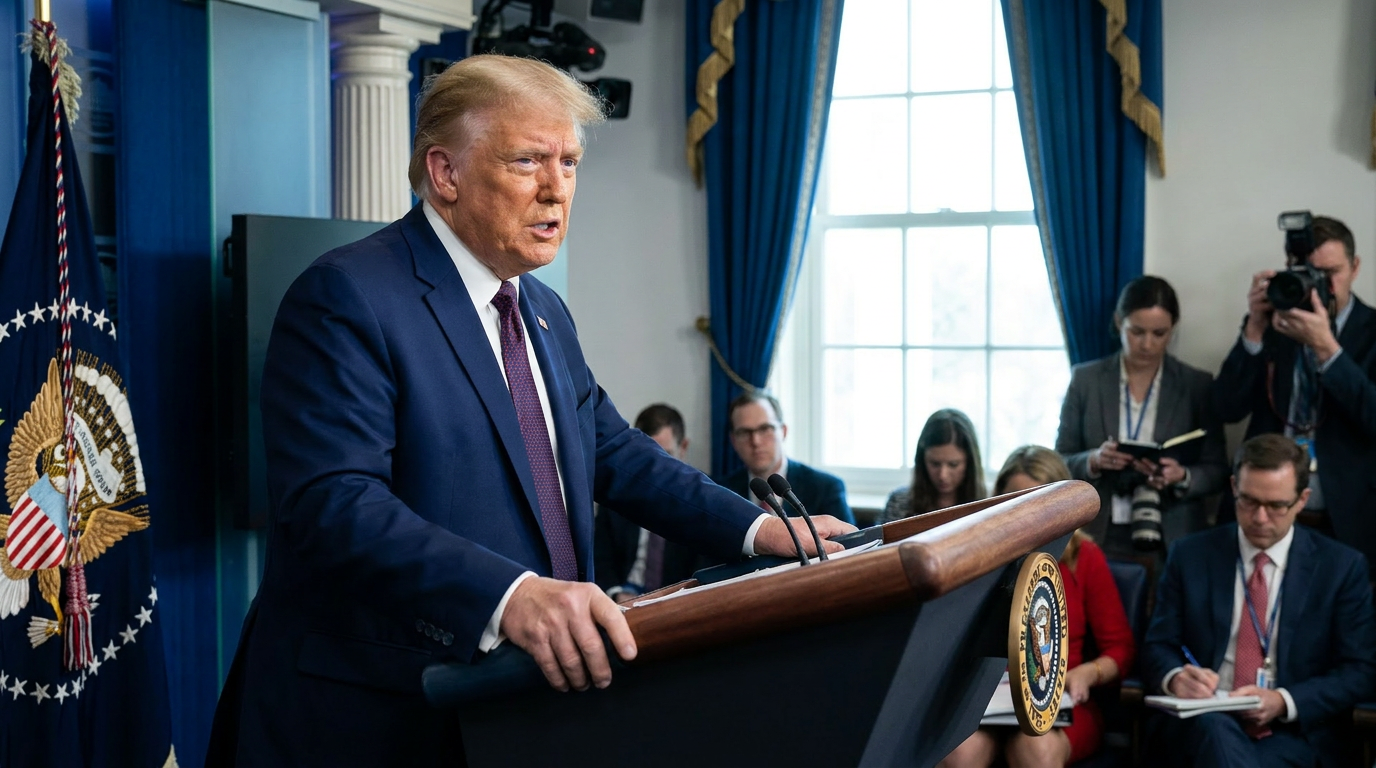
Trump Cancels Strikes, Claims U.S. and Iran Are on the Cusp of a Peace Deal
7 sources
US-Iran Conflict
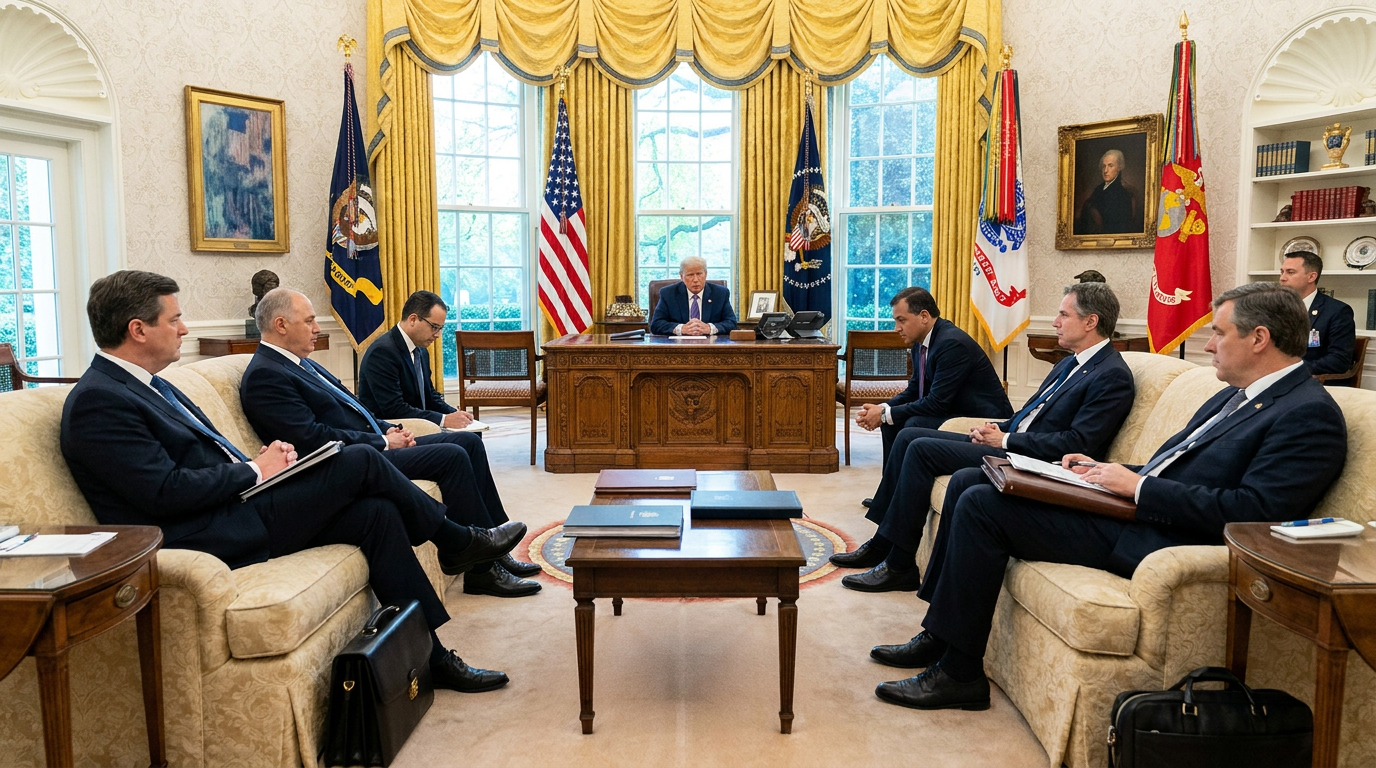
Trump Cancels Strikes on Iran, Announces Imminent Deal to End Three-Month War
6 sources
US-Iran Relations
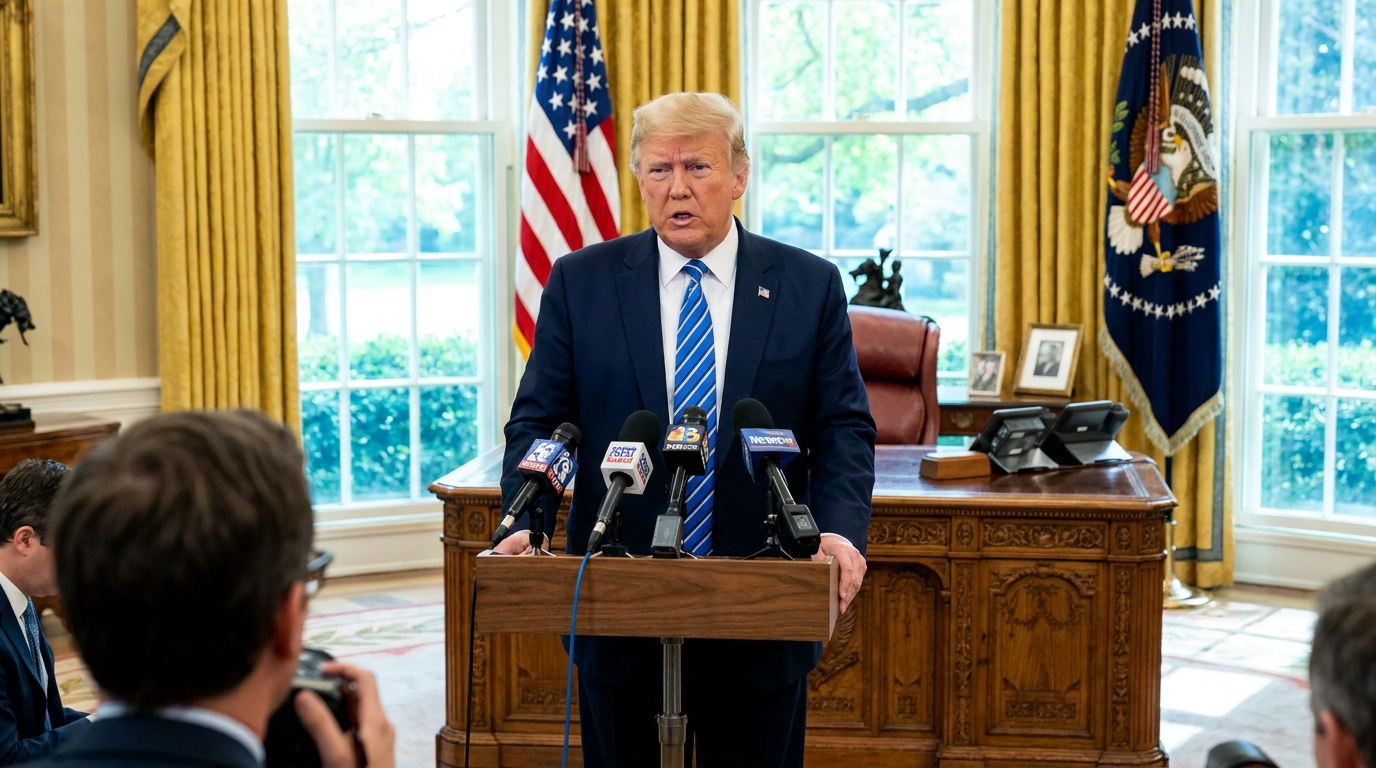
US and Iran Explore Diplomatic Framework to Avert Regional Conflict
8 sources
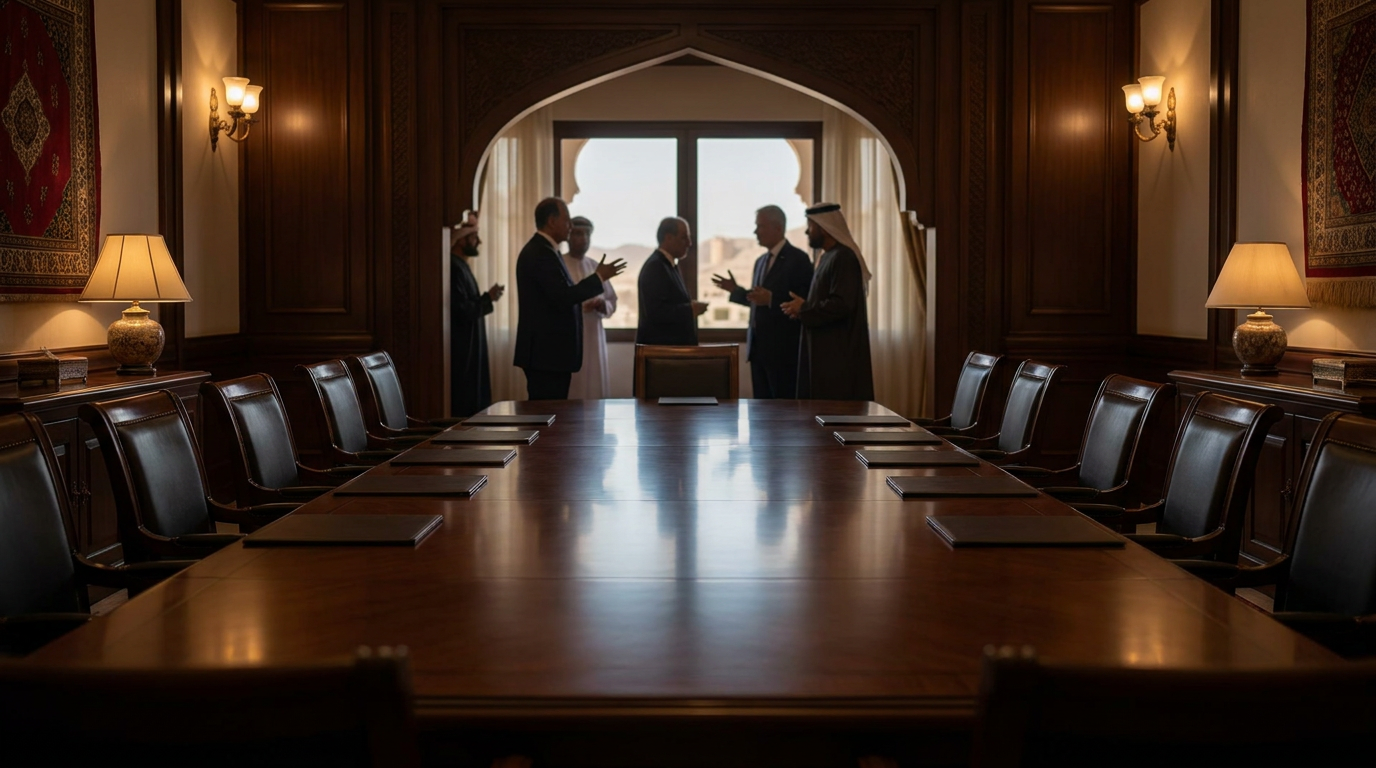
US-Iran Relations
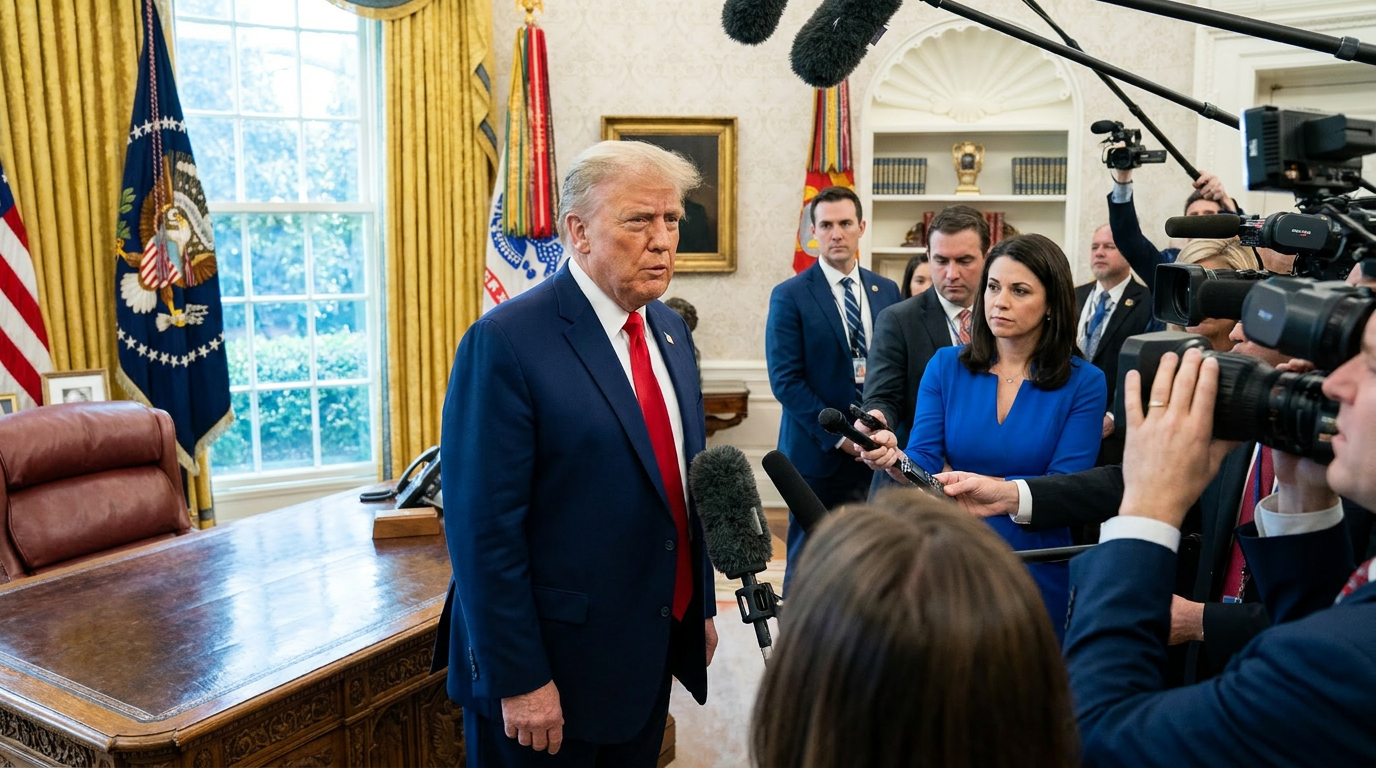
US and Iran Trade Conflicting Claims Over Potential Peace Deal as Strikes Canceled
7 sources
Every angle. Every day.
Get news politics stories with full source coverage and perspective breakdowns delivered to your inbox.