
UN Security Council Declares Libya Crisis a 'Peace and Security Issue' Amid Climate and Energy Collapse
The UN Security Council has recognized Libya's intersecting climate, energy, and political crises as a formal peace and security issue. Escalating drone strikes, widespread power outages, and severe water scarcity are compounding the country's institutional fragmentation.
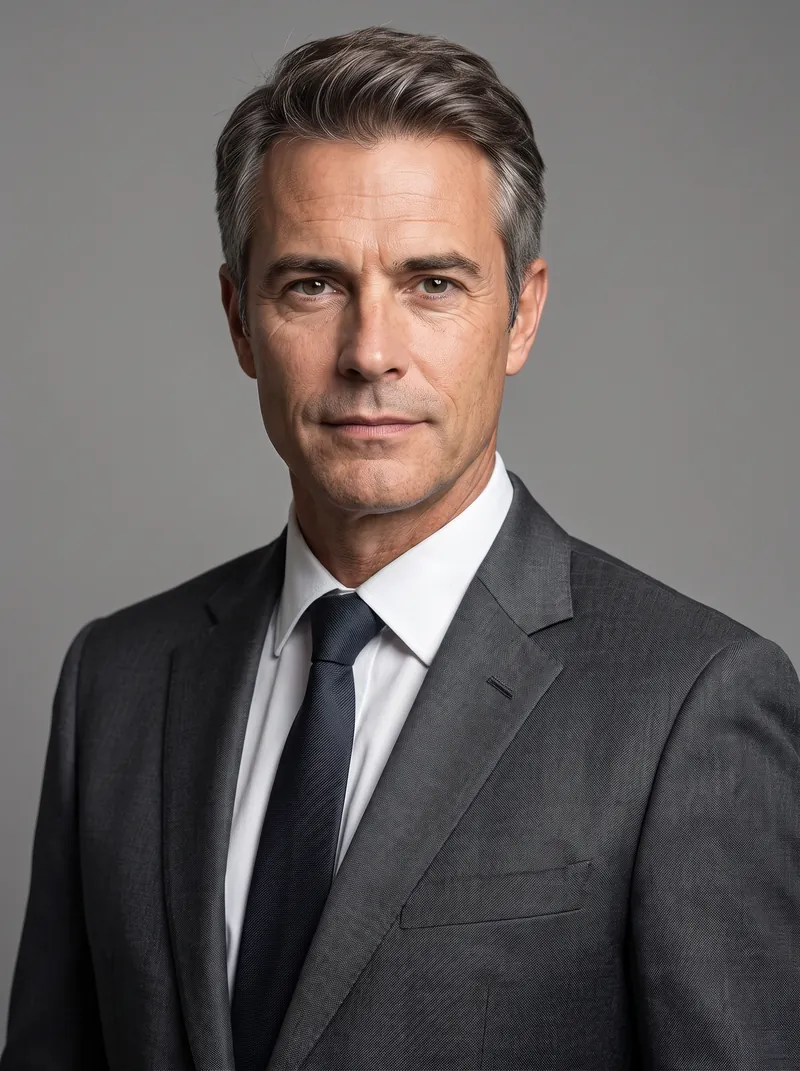
The UN Security Council has formally recognized the intersecting crises of extreme heat, water scarcity, and energy collapse in Libya as a direct threat to peace and security. During a briefing on Tuesday, officials and civil society representatives warned that environmental shocks are compounding the country's political fragmentation.
While the declaration marks a significant rhetorical shift—acknowledging that institutional failure to provide basic services is driving instability as much as the political impasse—it remains an announcement rather than a deployed solution. For citizens on the ground, the UN's new framing has yet to turn the lights back on.[2]
The actual mechanism of the crisis is rooted in a stalemate between the Tripoli-based Government of National Unity and a rival administration in Benghazi, which has paralyzed national infrastructure. Hanna Serwaa Tetteh, head of the UN Support Mission in Libya, highlighted the emergence of drone warfare against vital facilities, noting that recent strikes targeted the Zawia oil refinery and a power substation. The latter attack physically removed more than 700 megawatts of generation capacity, exacerbating an already fragile electricity network that no amount of diplomatic consensus can immediately repair.[1]
The human impact outpaces the diplomatic timeline. As temperatures approached 50 degrees Celsius, Libyans faced power cuts lasting up to 15 hours per day. Nissa Bek, a climate and security expert briefing the Council, emphasized that the state is experienced by citizens not through political agreements or UN roadmaps, but through the reliability of water and electricity. A recent study in Tripoli found that most domestic wells fail to meet drinking water standards due to contamination, illustrating the severe, tangible consequences of the infrastructure collapse.[1]
The crisis is underpinned by a stark economic paradox. Despite spending approximately $1 billion monthly on fuel imports, Libya's electricity grid remains crippled by shortages. Tetteh cited evidence of large-scale diversion of subsidized fuel into the security sector, describing the practice as an unacceptable abuse of public resources. This economic mismanagement, coupled with a heavy reliance on fossil groundwater and an agricultural sector that consumes the vast majority of the country's water, has deepened vulnerabilities far beyond what climate change alone would cause.[1][2]
The international response has largely focused on strategic frameworks. A joint statement from eight Security Council members, including France and the United Kingdom, called for accelerated support to implement Libya's National Water Security Strategy. The signatories urged Libyan authorities to integrate climate risks into national planning through a unified approach. However, calling for a unified approach in a country fractured across rival authorities highlights the gap between international policy expectations and the fractured reality of Libyan governance.[2]
The political process remains stalled, though the "Four Plus Four" Committee is expected to meet to finalize the legal framework for national elections. The international community's new framing suggests that future stabilization efforts must address the immediate environmental and energy needs of the population. Yet, as the UN continues to mediate, the pressure is mounting on Libyan leaders to restore the state's capacity to provide for its people before the crisis of confidence becomes irreversible.[1]
The situation in Libya serves as a stark illustration of how infrastructure and institutional division can turn climate hazards into humanitarian catastrophes, as seen during the 2023 Derna floods. By elevating these issues to the level of peace and security, the UN Security Council is signaling a broader recognition that climate resilience is a prerequisite for political stability. Whether this recognition translates into funded, coordinated action or remains a talking point for future briefings is the open question.[2]
Meanwhile, the security environment along Libya's western coast remains precarious, with intense competition among armed groups involved in human trafficking and fuel smuggling. The assassination of a senior intelligence official in Benghazi further underscores the fragile security landscape. As the UN mandate extends until October 2026, the integration of climate and energy security into the peacebuilding framework will be tested against the realities of a deeply divided nation where armed factions still control the physical infrastructure.[1][3]
Key points
- The UN Security Council formally recognized Libya's climate and energy crises as a direct threat to peace and security.
- Drone strikes on vital infrastructure, including a power substation, have removed over 700 megawatts of generation capacity.
- Libyans face up to 15 hours of daily power cuts amid extreme heat approaching 50 degrees Celsius.
- UN officials highlighted the large-scale diversion of subsidized fuel into the security sector as an abuse of public resources.
- UN Support Mission
- Focuses on restoring state capacity and protecting infrastructure from armed factions.
- Civil Society Advocates
- Highlights the human impact of climate shocks and the erosion of public trust.
- International Signatories
- Advocates for unified climate planning and international support for water security.
Perspectives this story doesn't cover
- The Tripoli-based Government of National Unity's official response to the infrastructure failures.
- The eastern-based rival administration's justification for the ongoing political stalemate.
- Local municipal leaders managing the immediate fallout of power and water cuts.
Sources
Source coverage
3 outlets
3 viewpoints surfaced


- [1]Anadolu AgencyCivil Society Advocates
UN envoy warns security in Libya 'precarious'
Read on Anadolu Agency → - [2]French Delegation to the UNInternational Signatories
JOINT PRESS STATEMENT BY COLOMBIA, DENMARK, FRANCE, GREECE, LATVIA, LIBERIA, PANAMA AND THE UNITED KINGDOM
Read on French Delegation to the UN → - [3]Global IssuesUN Support Mission
Security Council LIVE: Drone strikes and political impasse in Libya
Read on Global Issues →

More in Content Types
See all →Visual Forensics
How Visual Forensics Desks Actually Authenticate User-Generated Video During Breaking News
6 sources

Yemen Conflict
Houthi Offensive in Western Yemen Leaves Over 500 Dead Amid Renewed Saudi Airstrikes
5 sources
Network Cryptography
How the TLS 1.3 Handshake Establishes a Symmetric Session Key in a Single Round Trip
6 sources

Trade Law
The Mechanics of the WTO Dispute Settlement System: How International Trade Disputes Are Actually Resolved
10 sources
Comments
Every angle. Every day.
Get Content Types stories with full source coverage and perspective breakdowns, free every day.