
U.S. and Iran Sign 14-Point Ceasefire Agreement to End 110-Day War
President Trump and Iranian President Pezeshkian have signed a preliminary memorandum of understanding that implements a 60-day ceasefire, reopens the Strait of Hormuz, and outlines a path for sanctions relief in exchange for nuclear concessions.
By Factlen Editorial Team
- U.S. Administration
- Argues the deal successfully reopens the global economy's most vital energy artery while forcing Iran to dilute its enriched uranium.
- Iranian Leadership
- Frames the memorandum as a historic validation of its resilience and a victory that secures vital sanctions relief.
- Bipartisan Skeptics
- Warns that offering billions in economic relief will simply resupply a hostile regime without dismantling its military infrastructure.
- Geopolitical Analysts
- Questions the strategic purpose of the war, noting that despite heavy losses, the Iranian regime emerged empowered.
What's not represented
- · Lebanese civilians caught in the crossfire
- · Israeli defense officials operating outside the MOU
- · Global shipping companies navigating the transition
Why this matters
The agreement pauses a devastating four-month conflict that choked global energy markets and threatened to engulf the entire Middle East. If the 60-day negotiating window succeeds, it will radically reshape the region's security architecture and the global economy; if it fails, the war could resume with unprecedented intensity.
Key points
- The U.S. and Iran signed a 14-point memorandum of understanding to end their 110-day war.
- The deal implements a 60-day ceasefire and reopens the Strait of Hormuz to commercial shipping.
- Iran agreed to down-blend its enriched uranium in exchange for staged sanctions relief.
- Bipartisan critics in the U.S. warn the deal empowers Tehran and provides billions to a hostile regime.
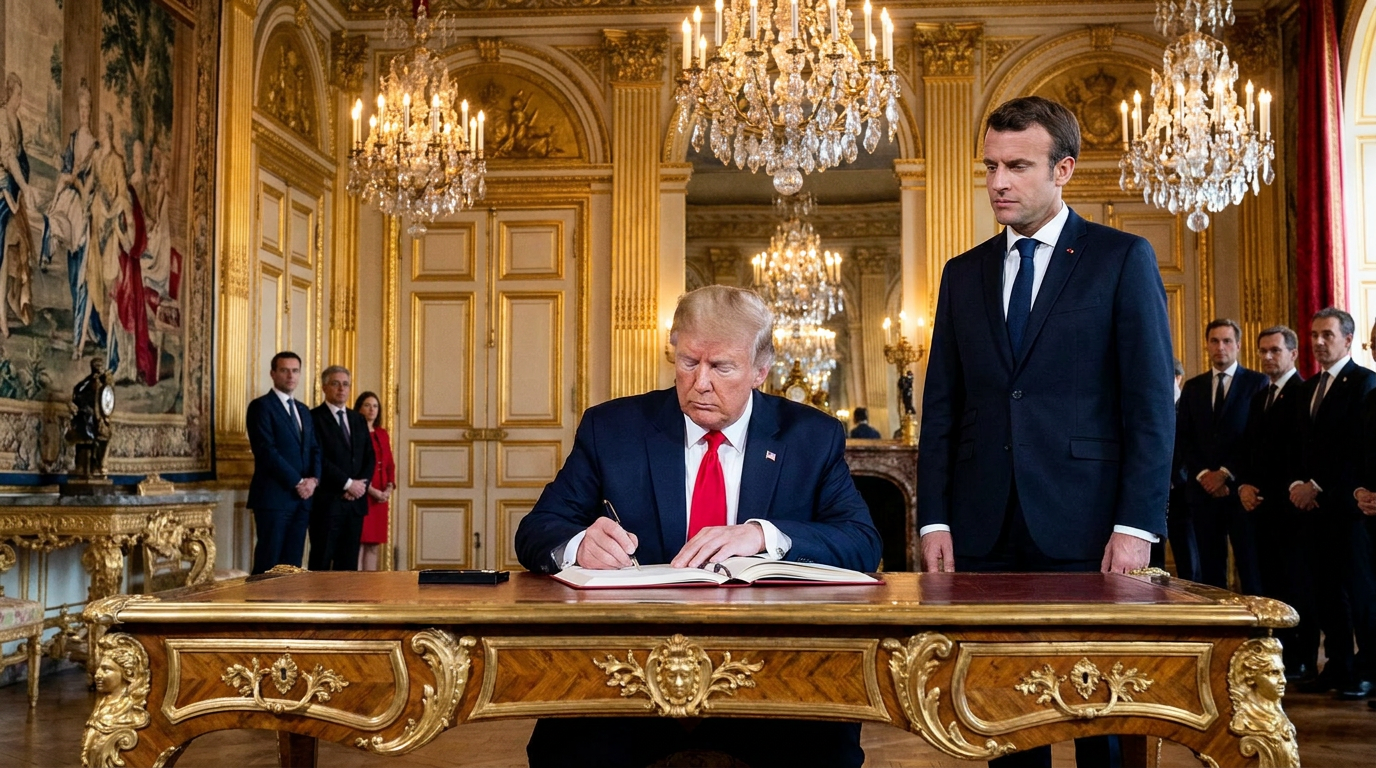
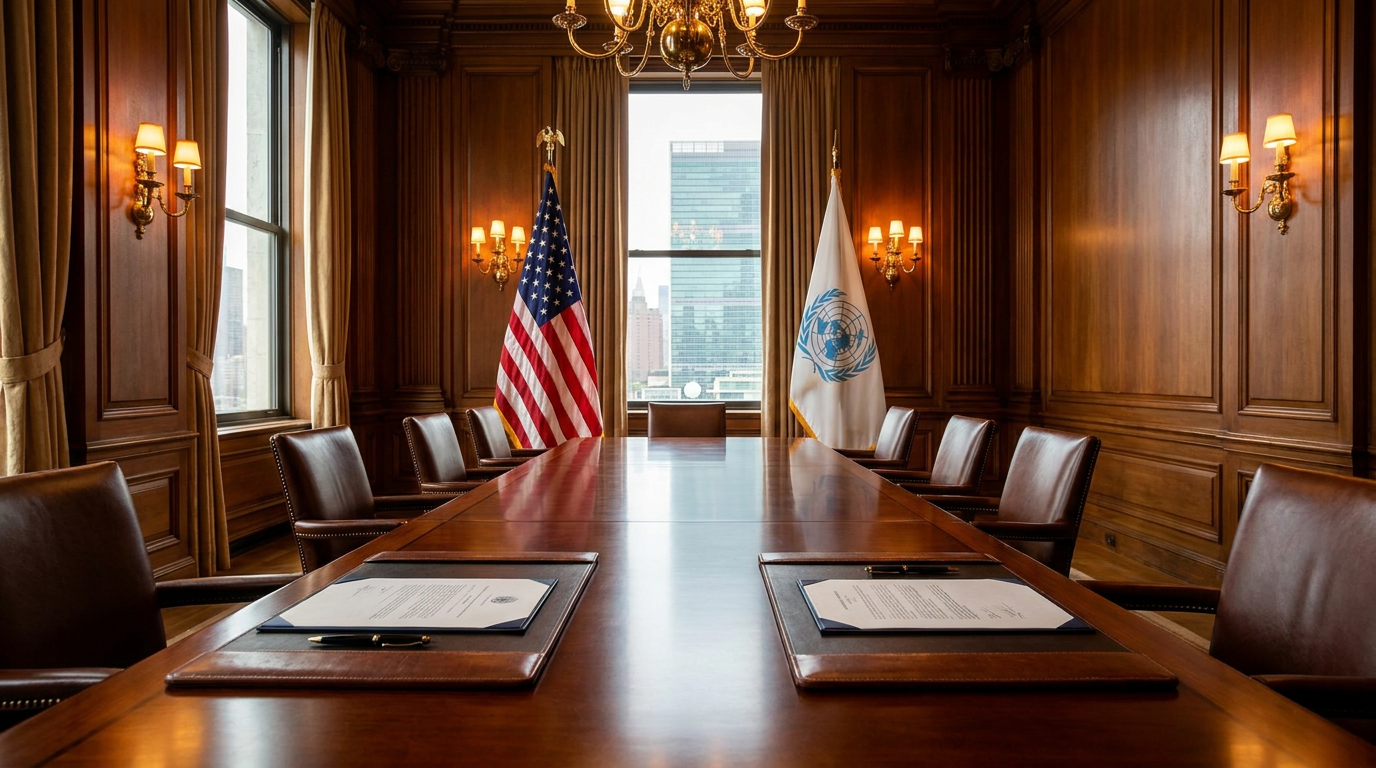
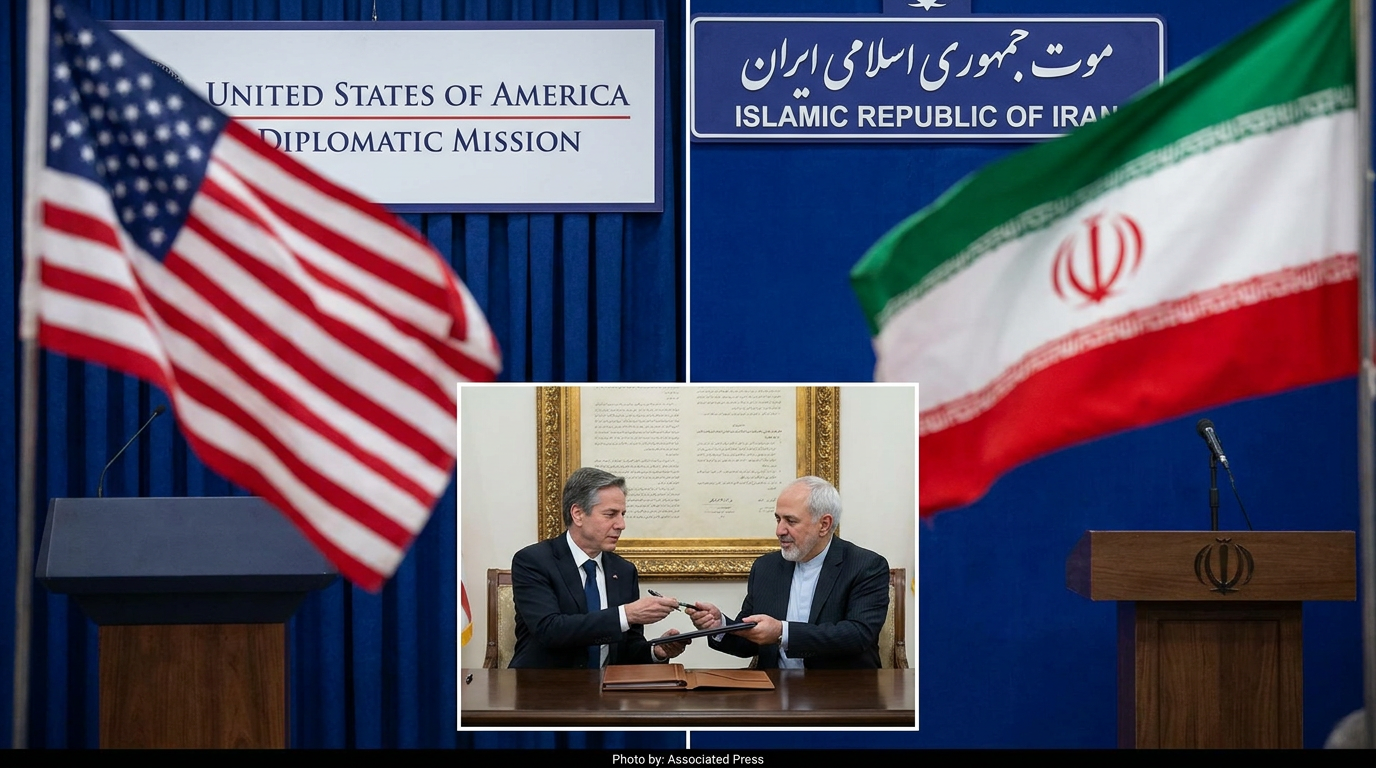
After 110 days of a devastating regional conflict that choked global energy markets, the United States and Iran have agreed to a preliminary ceasefire. U.S. President Donald Trump and Iranian President Masoud Pezeshkian digitally signed a 14-point memorandum of understanding, brokered by Pakistan, aimed at ending the war and laying the groundwork for a permanent peace settlement.[1][6][7]
The diplomatic breakthrough was formalized across continents. Trump signed the document during a dinner with French President Emmanuel Macron at the Palace of Versailles following the G7 summit, while Pezeshkian signed from Tehran. The agreement immediately implements a 60-day ceasefire, halting military operations on all fronts and pausing a war that began in late February with U.S. and Israeli strikes.[7][8]

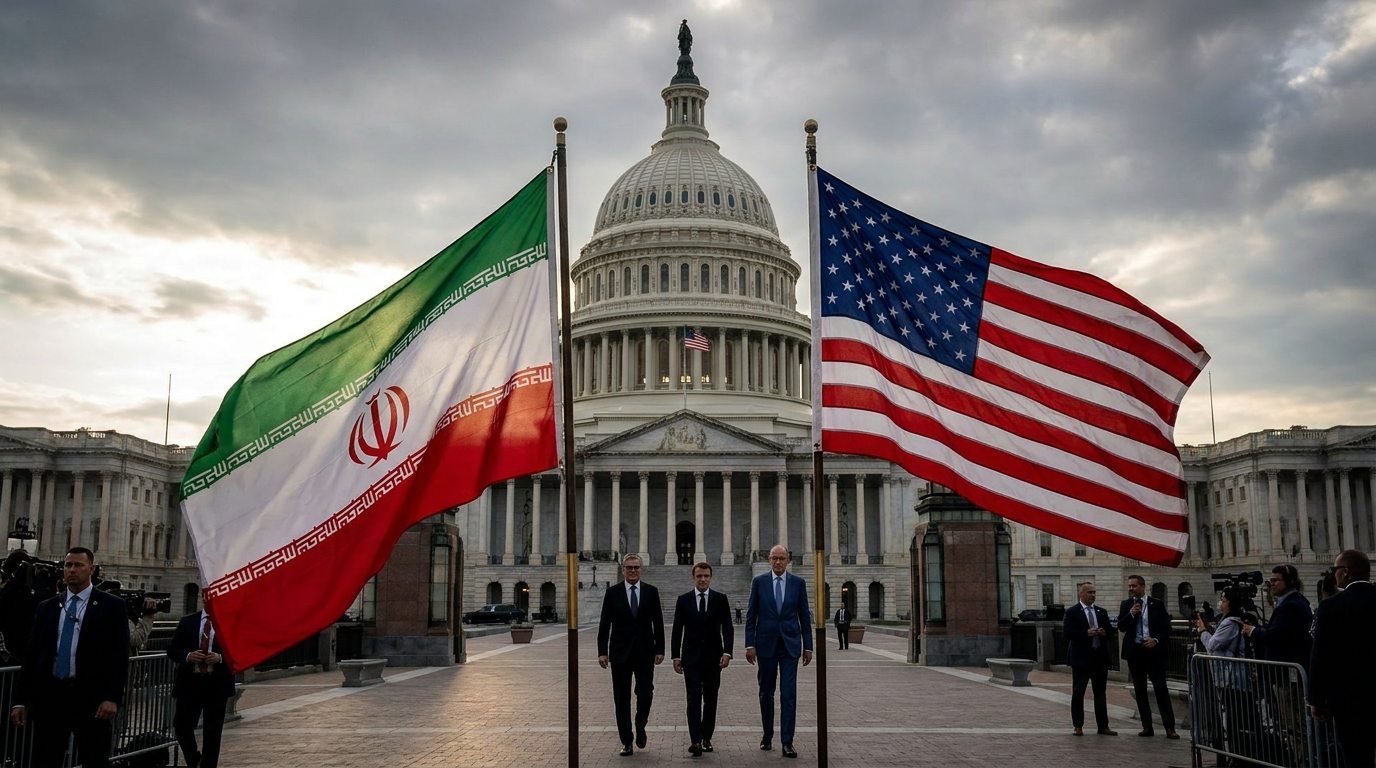
At the center of the framework is the unfreezing of the world's most critical maritime chokepoint. Iran has agreed to reopen the Strait of Hormuz to commercial shipping toll-free for at least 60 days. In exchange, the United States will immediately begin dismantling its naval blockade of Iranian ports, committing to fully lift the maritime barrier within 30 days.[1][6]
The memorandum intricately ties economic relief to nuclear concessions. Tehran has agreed to down-blend its stockpile of highly enriched uranium under the supervision of the International Atomic Energy Agency. In return, Washington has promised a staged lifting of primary and secondary economic sanctions, alongside the release of frozen Iranian assets, contingent on verified compliance.[4][8]
The memorandum intricately ties economic relief to nuclear concessions.
Both administrations are aggressively framing the fragile truce as a definitive victory. Trump heralded the reopening of the Strait of Hormuz as a major win for the global economy, warning that the U.S. retains the military capacity to resume bombing if Iran violates the terms. In Tehran, Pezeshkian published the document on social media, declaring it a "historic" achievement that secures peace "in the shadow of mutual respect."[3][7][8]

But in Washington, the agreement has ignited fierce bipartisan backlash. Lawmakers, including Republican Senator Ted Cruz and Democratic Representative Adam Schiff, sounded the alarm over the sweeping concessions. Critics argue the framework effectively hands billions of dollars in sanctions relief to a hostile theocracy without permanently dismantling its military infrastructure.[2]
Foreign policy analysts are similarly questioning the strategic outcome of the four-month war. While the Iranian economy has suffered severely, the regime itself has survived the onslaught and emerged with a potentially stronger negotiating hand. Observers note that the conflict, which carried a massive human and economic toll, appears to have ended largely on Tehran's terms regarding sanctions relief.[3][5]

The most volatile element of the memorandum may be its inclusion of Lebanon. The text explicitly calls for an immediate end to military operations across all fronts, effectively requiring Iran to rein in Hezbollah. However, Israel was not a party to the negotiations. Israeli forces have continued limited strikes in southern Lebanon, and officials maintain they will not be bound by a U.S.-Iran framework if Hezbollah poses a threat.[4][6]
The clock is now ticking on a 60-day window to transform the preliminary memorandum into a comprehensive, binding treaty. Negotiators from the U.S., Iran, Qatar, and Pakistan are set to convene in Switzerland to hammer out the technical details of the nuclear settlement and the sanctions timeline. If talks collapse, the region risks plunging back into an even more destructive phase of the war.[1][4][8]
How we got here
Late Feb 2026
War erupts following U.S. and Israeli strikes against Iranian targets.
April 2026
The U.S. imposes a strict naval blockade on Iranian ports.
June 15, 2026
U.S. and Iranian representatives digitally sign the preliminary memorandum.
June 17, 2026
President Trump and President Pezeshkian formally sign the document, initiating the 60-day ceasefire.
Viewpoints in depth
U.S. Administration's view
The White House frames the deal as a victory that reopens the global economy's most vital energy artery.
Trump and his allies argue the deal successfully reopens the Strait of Hormuz while forcing Iran to dilute its enriched uranium. They view the 60-day window as a period of maximum leverage, maintaining the threat of renewed military action to ensure compliance and stabilize global markets.
Iranian Leadership's view
Tehran frames the memorandum as a historic validation of its resilience against a superpower.
Having survived a massive U.S. military campaign, Iranian officials view the promised sanctions relief and unfreezing of assets as a total victory. They argue the agreement preserves their sovereignty and regional influence, proving that peace can only be achieved through mutual respect rather than military coercion.
Bipartisan Skeptics' view
Lawmakers and analysts warn that the war was fought for nothing if it ends with enriching Tehran.
Critics across the U.S. political spectrum argue that offering billions in economic relief will simply resupply a hostile regime. They warn that without permanently dismantling Iran's military infrastructure, the sanctions relief will allow Tehran to rebuild its proxy networks, leaving the region more dangerous than before the war began.
What we don't know
- Whether Israel will adhere to the ceasefire in Lebanon, as it was not a party to the agreement.
- The exact timeline and mechanisms for the unfreezing of Iranian assets.
- If the 60-day window will be enough to negotiate a permanent, binding UN resolution.
Key terms
- Memorandum of Understanding (MOU)
- A formal, written agreement between two or more parties that establishes a framework for cooperation, often preceding a final, binding treaty.
- Strait of Hormuz
- A narrow, strategically vital waterway between the Persian Gulf and the Gulf of Oman through which roughly one-fifth of the world's oil supply passes.
- Down-blending
- The process of mixing highly enriched uranium with natural or depleted uranium to reduce its concentration, making it unusable for nuclear weapons.
- Naval Blockade
- The use of naval forces to cut off a specific area, preventing ships from entering or leaving ports to cripple the target's economy.
Frequently asked
What does the agreement actually do?
It implements a 60-day ceasefire, reopens the Strait of Hormuz, lifts the U.S. naval blockade, and sets a framework for Iran to dilute its uranium in exchange for sanctions relief.
Is the war permanently over?
Not yet. The memorandum is a preliminary framework that gives negotiators 60 days to finalize a permanent, binding treaty.
Does this stop the fighting in Lebanon?
The text calls for an end to operations in Lebanon, but Israel was not a party to the deal and has signaled it will continue striking Hezbollah if threatened.
What happens to Iran's nuclear program?
Iran has agreed to down-blend its stockpile of highly enriched uranium under the supervision of the International Atomic Energy Agency.
Sources
Source coverage
8 outlets
4 viewpoints surfaced








[1]NPRU.S. Administration
Read the full text of Trump's preliminary U.S.-Iran agreement to end the war
Read on NPR →[2]Fox NewsBipartisan Skeptics
WATCH: Cruz sounds alarm on Trump Iran deal, warns against handing billions to 'theocratic lunatics'
Read on Fox News →[3]The GuardianGeopolitical Analysts
Trump thinks his freshly signed ceasefire deal is a victory. It is – for Iran | Simon Jenkins
Read on The Guardian →[4]NYTGeopolitical Analysts
Iran and the U.S. Have an Understanding. Will It Lead to a Deal?
Read on NYT →[5]BBCGeopolitical Analysts
Bowen: US-Iran deal raises inescapable question of what the war was for
Read on BBC →[6]CBS NewsU.S. Administration
U.S. and Iran remotely sign memorandum of understanding to implement 60-day ceasefire
Read on CBS News →[7]RFE/RLIranian Leadership
Trump, Pezeshkian Sign Deal Aimed At Ending Iran War
Read on RFE/RL →[8]The HinduIranian Leadership
U.S., Iran sign historic deal to end war, pave way for nuclear negotiations
Read on The Hindu →
More in news politics
See all 6 stories →Second Amendment
Supreme Court Unanimously Strikes Down Federal Gun Ban for Marijuana Users
7 sources
Iran Deal
Trump's $300 Billion Iran Deal Sparks Senate GOP Backlash and Diplomatic Rift with Israel
9 sources
US-Iran Relations
US and Iran Reach Ceasefire MoU Anchored by $300 Billion Financial Agreement
8 sources
US-Iran Agreement
US and Iran Sign Preliminary Agreement to End War and Reopen Strait of Hormuz
8 sources
Every angle. Every day.
Get news politics stories with full source coverage and perspective breakdowns delivered to your inbox.