
Turnkey vs. Fixer-Upper: The 2026 Cost and Trade-Off Analysis
As renovation costs climb and housing inventory remains tight, homebuyers face a high-stakes choice between paying a premium for move-in ready convenience or taking on the unpredictable risks of a fixer-upper. A side-by-side analysis reveals that while renovations can force appreciation, the financial math requires strict contingency planning.
By Factlen Editorial Team
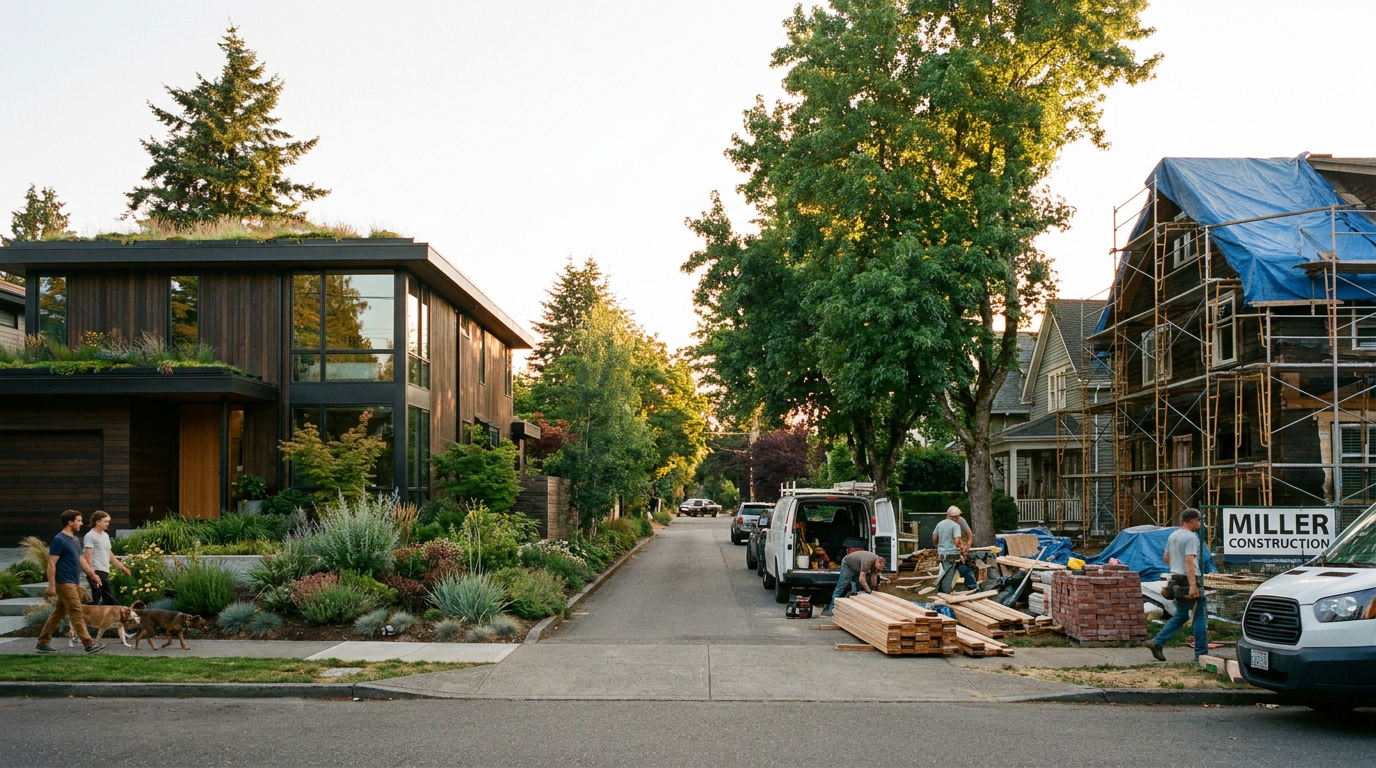
- Value-Add Buyers
- Believes that purchasing a discounted property and renovating it is the most effective way to build long-term wealth and customize a space.
- Move-In Ready Proponents
- Argues that the premium paid for a turnkey home is a worthwhile investment in immediate comfort and fixed costs.
- Renovation Industry Experts
- Focuses on the logistical realities, rising material costs, and the absolute necessity of contingency planning in modern construction.
What's not represented
- · Renters waiting out high interest rates
- · Municipal permitting offices
Why this matters
Choosing between a renovated home and a project property is the largest financial fork in the road for modern buyers. Understanding the real costs of 2026 construction empowers buyers to build equity strategically and prevents them from turning a perceived bargain into a budget-draining money pit.
More in real estate
See all 40 stories →iBuyer Market
Selling to an iBuyer vs. a Traditional Agent: Which Strategy Fits You Best?
8 sources

Fractional Ownership
How Fractional Real Estate is Dismantling the Housing Market's Capital Walls
8 sources
Adaptive Reuse
The Evidence Pack: How Empty Offices Are Solving the Housing Crisis
8 sources

Office Conversions
The Evidence Pack: How Empty Offices Are Becoming Affordable Housing in 2026
8 sources
Every angle. Every day.
Get real estate stories with full source coverage and perspective breakdowns delivered to your inbox.