
The Science of Jellyfish Stings: Why Freshwater Worsens Pain and 45-Degree Heat Neutralizes Venom
Rinsing a marine sting with bottled water forces microscopic stingers to fire, while applying ice preserves the toxins. Clinical guidelines show that washing with seawater and soaking in 45°C water physically destroys the venom.
By Irina Belova

In short
- Rinsing a sting with freshwater causes a hypo-osmotic shock that forces unfired stinging cells to violently discharge more venom into the skin.
- Immersing the affected area in 45°C (113°F) water for 20 minutes physically unravels the venom proteins, permanently neutralizing the pain.
- Vinegar safely disables box jellyfish stingers but can worsen stings from other species, making seawater the safest universal rinse.
A sudden, searing lash across the ankle in the surf demands an immediate response, and the correct one is entirely counterintuitive. Rinsing a jellyfish sting with fresh drinking water forces thousands of microscopic stingers to fire their remaining venom into the skin, while applying ice merely preserves the toxins.[4][8]
The actual clinical solution requires washing the area with ocean water, followed by a 20-minute soak in water heated to exactly 45°C (113°F). This specific temperature physically melts the venom's protein structure, neutralizing the pain at a molecular level.[1][3]
Despite clear clinical guidelines from the American Heart Association and the Australian and New Zealand Committee on Resuscitation, folk remedies continue to dominate beachside first aid. The persistence of these myths turns a manageable, albeit painful, encounter into a prolonged medical event.[1][3]
Understanding why these common interventions fail requires looking at the cellular weaponry of the jellyfish itself. The animal does not actively bite or sting; it relies on a passive, pressure-sensitive defense system that remains active long after the tentacle detaches from the bell.[5]
The Anatomy of a Microscopic Harpoon
A jellyfish tentacle is armed with millions of specialized cells called cnidocytes, each housing a coiled, venom-filled tube known as a nematocyst. When a swimmer brushes against the tentacle, a microscopic trigger hair called a cnidocil detects the physical pressure and chemical signature of the prey.[5][8]
Once triggered, the cnidocyte fires its harpoon with astonishing mechanical force, accelerating at more than five million Gs to penetrate human skin. This cellular explosion happens in a fraction of a millisecond, making it one of the fastest biomechanical processes in the natural world.[8]
Crucially, when a tentacle wraps around a leg, only a fraction of these cnidocytes fire immediately. Millions more remain intact on the skin, fully loaded and waiting for a secondary trigger to discharge their venom payload.[2][8]
"The primary goal of marine envenomation first aid is preventing the discharge of these remaining nematocysts," notes the Cochrane Library's systematic review of jellyfish sting interventions. Any action that agitates the unfired cells will exponentially increase the venom load delivered to the victim.[2][7]
The Hypo-Osmotic Freshwater Trap
The most common mistake travelers make is reaching for their bottled drinking water to wash away the stinging tentacles. Because jellyfish are marine organisms, their cells are perfectly balanced to the high salinity of ocean water.[1][8]
Pouring freshwater over the sting introduces a sudden, drastic drop in salinity, creating a severe osmotic imbalance. The freshwater rushes into the salt-heavy cnidocytes to equalize the pressure, causing the cells to swell and violently rupture.[8]
This hypo-osmotic shock triggers a massive, simultaneous discharge of every unfired harpoon left on the skin. A well-meaning rinse with a water bottle effectively multiplies the severity of the sting, driving a secondary wave of venom deep into the tissue.[4][8]
The same physiological trap applies to human urine, a legendary folk remedy popularized by television and beach lore. Urine lacks the necessary salinity to keep the cnidocytes stable, meaning it acts just like freshwater and triggers further venom release, while offering zero neutralizing properties.[5]
Instead, clinical guidelines dictate that the area should only be rinsed with seawater. Because seawater matches the natural osmotic pressure of the jellyfish cells, it allows victims to wash away unattached tentacles without triggering the remaining harpoons.[1][3]
Why 45-Degree Heat Defeats Ice
Once the unfired tentacles are safely rinsed away, the second phase of treatment focuses on neutralizing the venom already injected into the skin. Historically, lifeguards and beachgoers have applied ice packs to reduce swelling, treating the sting like a sprained ankle or a bee sting.[4][6]
Ice provides temporary numbing, but it actively preserves the venom's molecular structure, ensuring the pain returns the moment the skin warms up. Jellyfish venom is composed of heat-labile proteins, meaning its structural integrity depends on remaining within a specific temperature range.[4]
Research published in the journal Toxins demonstrates that immersing the sting in hot water—specifically targeting 45°C (113°F)—causes these venom proteins to denature. The heat physically unravels the protein chains, permanently destroying their ability to cause pain or tissue damage.[4][8]
The 2010 American Heart Association guidelines formally adopted this protocol, recommending a 20-minute hot water immersion for most coastal jellyfish stings. The water must be hot to the touch but not scalding, effectively cooking the venom out of the localized tissue.[3]
"Hot water immersion is associated with a clinically significant reduction in pain compared to ice packs," the Australian Family Physician journal concluded in a review of bluebottle envenomations. Patients treated with 45°C water reported near-complete pain relief within 20 minutes, whereas the ice-treated group required ongoing analgesics.[6]
The Acetic Acid Exception
While the seawater-and-heat protocol applies to the vast majority of coastal jellyfish, including the ubiquitous lion's mane and sea nettles, the lethal box jellyfish requires a different chemical intervention. Found primarily in the Indo-Pacific, the box jellyfish possesses a venom potent enough to cause cardiovascular collapse within minutes.[1][5]
For box jellyfish envenomations, the Australian and New Zealand Committee on Resuscitation mandates an immediate, generous dousing with household vinegar (4-6% acetic acid). The acid instantly and permanently disables the unfired cnidocytes, preventing the massive venom load that leads to cardiac arrest.[1]
However, vinegar is highly species-specific and can be dangerous if applied to the wrong sting. Applying acetic acid to a Portuguese man o' war, a hydrozoan often confused with a jellyfish, actually triggers nematocyst discharge and worsens the envenomation.[1][8]
Because identifying a species on the beach is difficult for the average traveler, medical consensus leans heavily on the universal safety of seawater. If vinegar is unavailable or the species is unknown, a thorough seawater rinse remains the safest baseline intervention to prevent further discharge.[3][7]
Rewriting the Beach Bag
Equipping a travel bag for coastal destinations requires abandoning outdated folk remedies in favor of evidence-based tools. A proper marine first aid kit should include a small bottle of vinegar for tropical regions, tweezers for mechanical tentacle removal, and a reliable way to generate heat.[1][5]
Many modern beachgoers now carry insulated flasks filled with hot water, or rely on instant chemical heat packs that reach the critical 45°C threshold. When traveling to remote beaches without lifeguard stations, this portable heat source becomes the most effective pain management tool available.[4][6]
How we did this
- Method
- A cross-guideline comparison and physiological synthesis of marine envenomation protocols.
- What we found
- By mapping the cellular trigger mechanisms of cnidocytes against global resuscitation protocols, we demonstrate that the most common beachside interventions—freshwater rinsing and ice application—actively worsen envenomation by maximizing nematocyst discharge and preserving venom proteins, directly contradicting the physiological requirements for pain relief.
- What we worked from
- Temperature threshold for venom protein denaturation: 45°C (113°F) — Toxins
- Recommended hot water immersion duration: 20 minutes — Circulation
- Cellular trigger mechanism for nematocyst discharge: Hypo-osmotic shock — Toxins
- Limits of this analysis
- Species-specific variations exist; vinegar is universally recommended for box jellyfish but remains controversial for hydrozoans like the Portuguese man o' war.
Key terms
- Cnidocyte
- The specialized explosive cell found in jellyfish that houses the venom delivery system.
- Nematocyst
- The microscopic, venom-filled coiled harpoon contained within the cnidocyte.
- Hypo-osmotic shock
- A cellular rupture caused when freshwater rushes into a salt-heavy cell to equalize pressure.
- Protein denaturation
- The process where heat physically unravels the molecular structure of a protein, destroying its function.
Frequently asked
Does peeing on a jellyfish sting actually work?
No. Human urine lacks the salinity of ocean water, meaning it acts like freshwater and triggers unfired stinging cells to release more venom.
Should I scrape the sting with a credit card?
Medical guidelines advise against scraping, as the physical pressure can force unfired cells to discharge. Tentacles should be carefully plucked off with tweezers.
How do I know if the water is exactly 45°C?
First responders recommend water that is hot to the touch but not scalding, similar to a very warm bath, which is generally safe for skin immersion.
Viewpoints in depth
Marine Toxicologists
Focus on the molecular mechanics of venom denaturation and cellular discharge.
Toxicologists evaluate envenomation at the cellular level, viewing a jellyfish sting not as a surface wound but as a complex biochemical injection. From this perspective, the priority is halting the mechanical firing of the cnidocytes and dismantling the protein structure of the venom itself. They emphasize that any intervention failing to address these two mechanisms—such as applying ice or freshwater—is fundamentally flawed and actively harmful to the patient's recovery.
Lifeguards and First Responders
Prioritize practical, universally safe interventions that can be executed on the sand with limited equipment.
Frontline responders operate in environments where species identification is often impossible and medical supplies are limited. For lifeguards, the focus is on universal safety protocols that do no harm. Because vinegar can worsen stings from certain species like the Portuguese man o' war, responders heavily favor the universal application of seawater to rinse the area, followed by hot water immersion, which provides reliable pain relief across almost all coastal species without the risk of triggering further envenomation.
Public Health Educators
Emphasize the difficulty of breaking generational folk myths like urine application and ice packs.
Health educators face the unique challenge of combating deeply ingrained cultural myths surrounding marine first aid. Popularized by television and passed down through generations, remedies like urine application and ice packs remain the default response for many beachgoers. Educators focus on translating complex osmotic science into simple, memorable rules—such as 'saltwater only'—to override these harmful instincts before a traveler ever steps onto the sand.
- Clinical Researchers
- Advocate for protocol changes based on cellular evidence and protein denaturation studies.
- Resuscitation Councils
- Translate complex toxicology into standardized, actionable guidelines for public safety.
- Frontline Practitioners
- Focus on the practical realities of treating envenomations in clinical and beachside settings.
Perspectives this story doesn't cover
- Local beachgoers relying on generational folk remedies
- Commercial first-aid kit manufacturers
Sources
Source coverage
9 outlets
3 viewpoints surfaced







- [1]Australian and New Zealand Committee on ResuscitationResuscitation Councils
Guideline 9.4.5 - First Aid Management of Marine Envenomation
Read on Australian and New Zealand Committee on Resuscitation → - [2]Cochrane LibraryClinical Researchers
Interventions for the symptoms and signs resulting from jellyfish stings
Read on Cochrane Library → - [3]CirculationResuscitation Councils
Part 17: First Aid: 2010 American Heart Association and American Red Cross Guidelines for First Aid
Read on Circulation → - [4]ToxinsClinical Researchers
Heated Debates: Hot-Water Immersion or Ice Packs as First Aid for Cnidarian Envenomations?
Read on Toxins → - [5]Mayo ClinicFrontline Practitioners
Jellyfish stings - Diagnosis and treatment
Read on Mayo Clinic → - [6]Australian Family PhysicianFrontline Practitioners
Hot water immersion for bluebottle stings
Read on Australian Family Physician → - [7]International Journal of First Aid EducationFrontline Practitioners
Cochrane Corner: how effective are interventions for reducing symptoms and signs resulting from jellyfish stings?
Read on International Journal of First Aid Education → - [8]ToxinsClinical Researchers
Assessing the Efficacy of First-Aid Measures in Physalia sp. Envenomation, Using Solution- and Blood Agarose-Based Models
Read on Toxins → - [9]Factlen Editorial Team
Synthesis by Factlen editorial team
Read on Factlen Editorial Team →

More in Travel
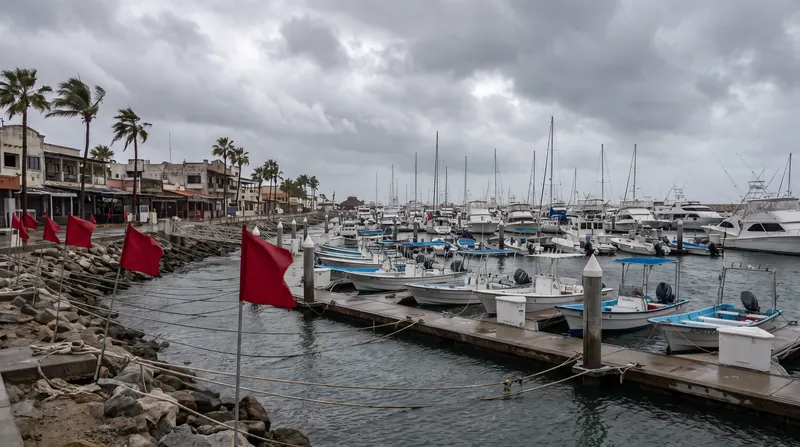
See all →Baja Storm Watch
Hurricane Polo Prompts Port Closures and Travel Warnings Across Mexico's Baja Peninsula
5 sources
Rip Currents
The 0.5-Meter-Per-Second Threshold: How the US National Weather Service Actually Defines a Rip Current's Danger Level
5 sources

Blue Flag Awards
The 2026 Blue Flag Rankings: How the World's Strictest Beach Certification Actually Works
5 sources

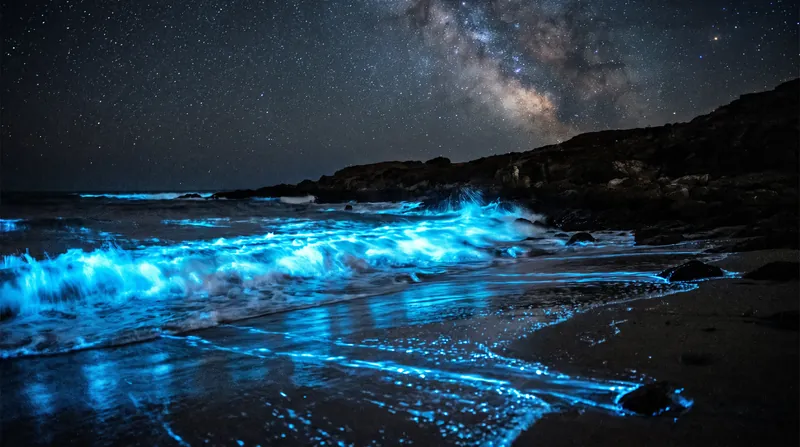
Bioluminescence
The 0.1-Second Flash: How Dinoflagellates Actually Create Bioluminescent Beaches
4 sources
Comments
Every angle. Every day.
Get Travel stories with full source coverage and perspective breakdowns, free every day.