
The Repair Trade-Off: How California's Right-to-Repair Law Reshapes Appliance Shopping
California's mandate requiring manufacturers to provide appliance parts for seven years is lowering long-term repair costs, even as it adds slight upward pressure to upfront retail prices.
By Nabil Faris

Share this story
In short
- California's Right to Repair Act requires manufacturers to provide parts and manuals to consumers and independent shops.
- Major appliances costing $100 or more must be supported with replacement parts for seven years.
- The mandate breaks the monopoly of authorized service centers, increasing competition and access.
The blinking error code on a smart refrigerator used to signal the beginning of an expensive, frustrating cycle. For years, manufacturers locked diagnostic software and proprietary parts behind authorized service networks, often making a simple repair so costly that consumers simply threw the appliance away. But in 2026, shoppers are navigating a fundamentally altered landscape where fixing a broken machine is no longer an uphill battle.[1]
The catalyst is California’s Right to Repair Act (SB 244). While the legislation officially took effect in July 2024, its structural impact on appliance design, retail pricing, and the independent repair market has fully materialized this year as older inventory cycles out and enforcement ramps up.[1]
The law mandates that manufacturers of electronics and appliances provide consumers and independent repair shops with the same diagnostic tools, repair manuals, and replacement parts that they offer to their authorized networks. It effectively outlaws the practice of using service channel control as a competitive lock-in mechanism.
The core mechanism of the law is tied to the wholesale price of the product. For appliances costing between $50 and $99.99, manufacturers must guarantee the availability of parts and documentation for three years after the last date a product model was manufactured.
For major appliances—anything with a wholesale cost of $100 or more—that mandate extends to a full seven years. This higher tier covers virtually every refrigerator, dishwasher, washing machine, and oven sold in the state, ensuring long-term support regardless of whether the warranty has expired.
This seven-year parts guarantee introduces a distinct trade-off for consumers. On one hand, manufacturers are now legally obligated to warehouse replacement components for discontinued models for the better part of a decade, a logistical burden that adds significant overhead costs to their operations.[1]
Industry analysts note that this inventory requirement exerts subtle upward pressure on the upfront retail price of new appliances. Shoppers in 2026 are effectively paying a slight premium at the register to subsidize the long-term availability of parts and the complex compliance infrastructure required to distribute them.[1]
However, the long-term cost of ownership drops significantly. The traditional "50% rule"—which suggests replacing an appliance if the repair costs more than half its value—is shifting because repairs are becoming more accessible and competitively priced.[1]
Independent repair shops are the primary beneficiaries of this shift. Previously, local technicians had to rely on gray-market parts or reverse-engineer diagnostic error codes. Now, they have the legal right to purchase official components and access factory service manuals on "fair and reasonable terms."
This democratization of repair breaks the monopoly held by authorized service centers. By increasing competition, the law helps stabilize labor and diagnostic fees, giving homeowners more leverage when negotiating a fix and keeping local repair businesses viable.[1]
Despite these legal victories, the cost of the parts themselves remains a hurdle. Macroeconomic factors, including ongoing tariffs on imported electrical components and motors, have pushed the baseline cost of replacement parts up, meaning a repair is not artificially cheap—it is simply accessible.[1]
Compliance among manufacturers has also been uneven. A recent report card by the U.S. Public Interest Research Group (PIRG) found that while some brands seamlessly integrated repair portals into their websites, others still force consumers to navigate convoluted customer service phone trees just to order a basic dishwasher manual.
The California Attorney General's office holds the power to enforce the law, with penalties ranging from $1,000 to $5,000 per day for violations. Consumer advocates are increasingly calling for stricter enforcement against brands that drag their feet or create artificial barriers to access.
The ripple effects of California's mandate extend far beyond state lines, joining a wave of similar legislation in states like Minnesota, New York, and Connecticut. Because California represents such a massive share of the U.S. economy, major appliance brands cannot feasibly design state-specific supply chains.
As a result, the seven-year parts inventory and the un-siloing of diagnostic software are becoming de facto national standards. A homeowner in Texas or Ohio buying a new washing machine in 2026 benefits from the repairability infrastructure mandated by Sacramento.[1]
Ultimately, the Right to Repair Act is reshaping the appliance market from a "throwaway" model to a circular economy. While the initial purchase might require a slightly larger investment, consumers are buying a machine that is legally guaranteed to be fixable, empowering them to extend the life of their investments.
Key terms
- Right to Repair
- Legislation that requires manufacturers to provide consumers and independent repair shops with access to the parts, tools, and manuals needed to fix products.
- OEM Parts
- Original Equipment Manufacturer parts; the official replacement components made by the company that built the appliance.
- Wholesale Cost
- The price a retailer pays the manufacturer for a product, which is lower than the final retail price paid by the consumer.
- 50% Rule
- A common consumer guideline suggesting that an appliance should be replaced rather than repaired if the repair cost exceeds half the price of a new unit.
Frequently asked
Does the law apply to appliances I bought years ago?
The law applies to electronic and appliance products manufactured and sold or used in California on or after July 1, 2021.
Does using an independent repair shop void my warranty?
No. Manufacturers cannot void your warranty simply because you used an independent technician, provided the repair itself did not cause subsequent damage to the machine.
Are any products exempt from this mandate?
Yes. The law includes exemptions for alarm systems, video game consoles, and heavy agricultural or construction equipment.
How long must manufacturers provide parts?
For products with a wholesale cost of $100 or more, parts and manuals must be available for seven years after the last date of manufacture. For products between $50 and $99.99, the requirement is three years.
Viewpoints in depth
Consumer Advocates
Advocates argue the law is essential for ending the throwaway society and reducing e-waste.
Organizations like CALPIRG and Californians Against Waste view the Right to Repair Act as a monumental victory for household budgets and the environment. They point out that before this legislation, artificial manufacturer barriers forced consumers to prematurely discard fixable appliances, contributing to a massive e-waste crisis. By legally guaranteeing access to parts and manuals, advocates argue the law empowers consumers to extend the lifespan of their investments and significantly reduces the environmental footprint of manufacturing new goods.
Independent Repair Providers
Local technicians view the mandate as a lifeline that allows them to compete fairly.
For years, independent appliance repair shops operated at a severe disadvantage, often forced to reverse-engineer error codes or source questionable aftermarket parts because manufacturers restricted access to official diagnostics. The new law levels the playing field. Technicians argue that by granting them access to the exact same tools and manuals as authorized dealers on 'fair and reasonable terms,' the legislation breaks corporate monopolies, fosters local small business growth, and ultimately provides homeowners with faster, more competitive repair options.
Appliance Manufacturers
Manufacturers warn that the logistical burden of the law inevitably increases upfront retail prices.
While many brands have publicly complied with the legislation, industry representatives highlight the hidden costs of the mandate. Warehousing replacement parts for every single appliance model for seven years after it is discontinued requires massive logistical infrastructure and inventory management. Manufacturers argue that these overhead costs cannot simply be absorbed; they must be factored into the wholesale and retail prices of new units. Consequently, they caution that while consumers gain repairability, they are paying a premium at the register to subsidize it.
- Consumer Advocates
- Argue that the law ends the 'throwaway society,' saves households money, and significantly reduces electronic waste.
- Independent Repair Providers
- View the mandate as a lifeline that breaks manufacturer monopolies and allows them to compete fairly using official diagnostics.
- Appliance Manufacturers
- Emphasize the logistical burden of warehousing parts for seven years, warning that these mandates inevitably increase the upfront retail price of goods.
Perspectives this story doesn't cover
- Retailers who sell extended warranties
- Used appliance refurbishers
Sources
Source coverage
1 outlets
3 viewpoints surfaced

- [1]Factlen Editorial TeamIndependent Repair Providers
Synthesis by Factlen editorial team
Read on Factlen Editorial Team →
More in Shopping & Reviews
See all →Appliance Recalls
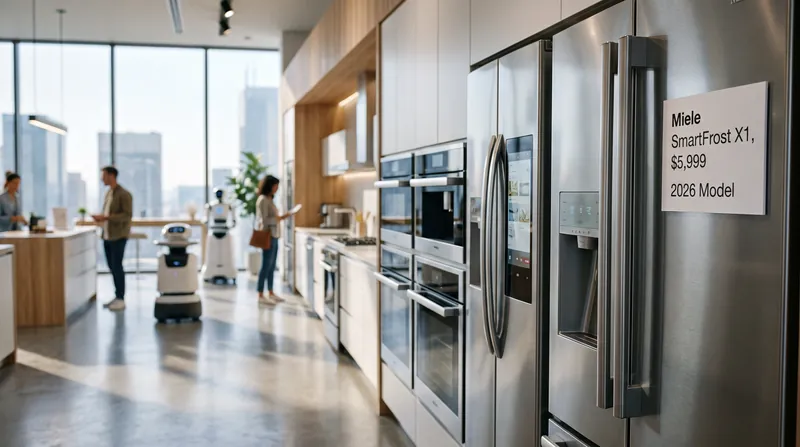
The $500 Refund: How to Claim Your Cuisinart Grill Recall Payout After Shattering Glass Reports
3 sources
Appliance Subscriptions
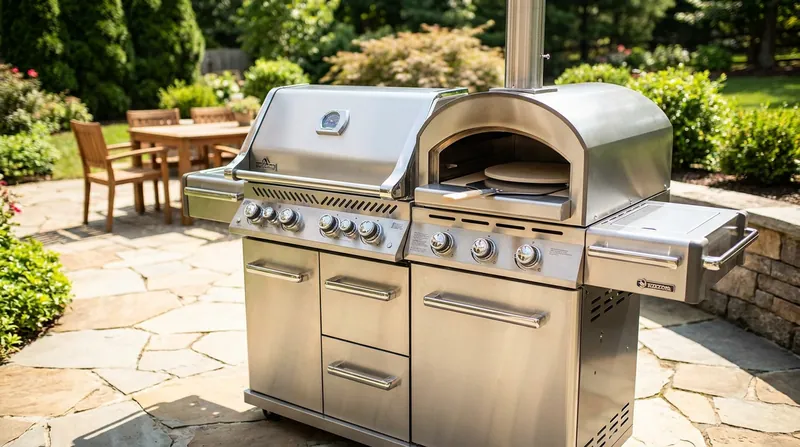
The Subscription Trade-Off: How Appliance Manufacturers Are Shifting From Product Sales to 'Home as a Service' Models
5 sources
Kitchen Tech
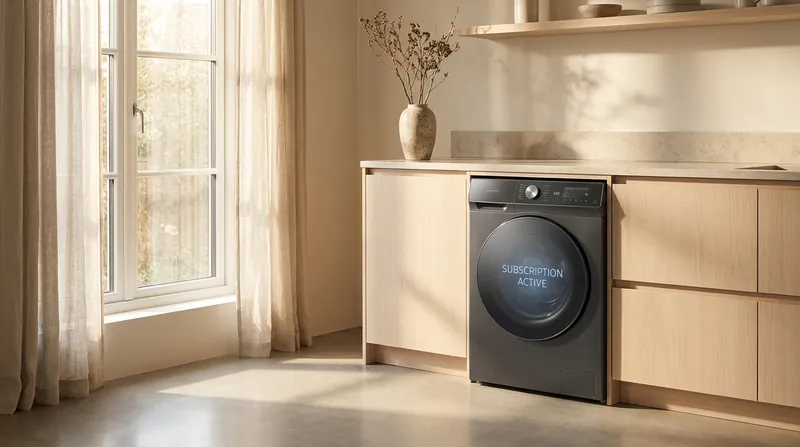
How 120-Volt Battery Stoves Are Finally Making Induction Cooking Accessible
5 sources
Appliance Tech
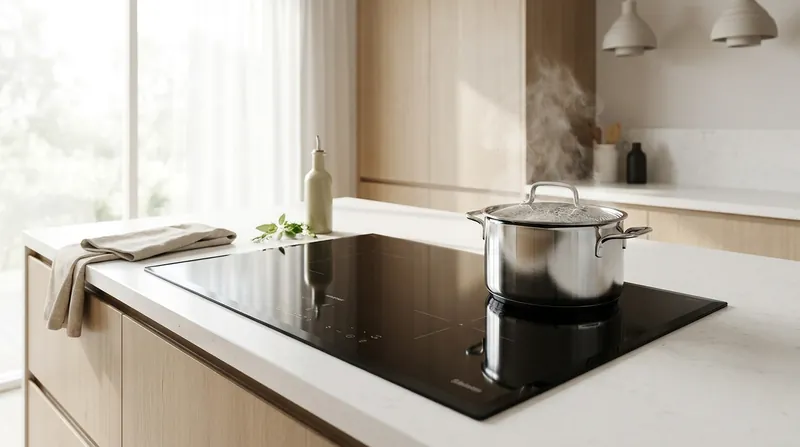
How 120V Heat Pump Washer-Dryer Combos Are Rewriting the Rules of Laundry
3 sources
Comments
Every angle. Every day.
Get Shopping & Reviews stories with full source coverage and perspective breakdowns, free every day.