
Why a 21% Jump in 2026 Foreclosure Filings Signals Normalization, Not a Crash
While residential foreclosure filings jumped 21% in the first half of 2026, data indicates the market is returning to pre-pandemic baselines rather than signaling a systemic crash. Here is a breakdown of the mechanics driving the increase and how the shifting inventory impacts both buyers and the rental market.
By Derya Kaplan

Share this story
The mid-year real estate data has arrived, and the headline metric is engineered to catch attention: residential foreclosure filings jumped 21% in the first half of 2026 compared to the same period last year. According to the latest market report from property data provider ATTOM, 227,548 U.S. properties received default notices, scheduled auctions, or bank repossessions between January and June.[1]
That figure represents a 28% increase from two years ago, marking a sustained upward trajectory that has prompted widespread discussion across the housing sector. For prospective buyers, renters, and current homeowners, the immediate question is whether this signals a structural crack in the real estate market.[1][2]
However, a closer examination of the evidence reveals a different narrative. Rather than a looming crisis, the data points to a market that is steadily normalizing. The 227,548 filings represent just 0.16% of all housing units in the United States—meaning only one in every 632 homes is currently in the foreclosure process.[1][2]
Real estate data analysts emphasize that this is a return to pre-pandemic baselines. During the height of the COVID-19 pandemic, federal and state moratoriums, combined with extensive mortgage forbearance programs, artificially suppressed foreclosure activity to historic lows. The current increases are largely the system digesting the backlog of distress that was paused during those years.[5]
"The broader picture remains one of a market that is gradually returning to more typical patterns," noted Rob Barber, CEO of ATTOM, in the firm's mid-year release. He added that while the increases suggest some homeowners are facing greater financial strain, overall volumes remain well below the peaks seen during the Great Financial Crisis.[1][3]
The mechanics of today's foreclosures look fundamentally different than they did in 2008. Today's defaults are rarely driven by toxic mortgage products or systemic over-leveraging. Instead, they are typically triggered by traditional life events—job loss, medical emergencies, or divorce—compounded by the rising costs of property taxes, insurance premiums, and general inflation.[2][5]
Geographically, the normalization is not distributed evenly. Florida currently leads the nation with the highest foreclosure rate, with 0.27% of its housing units (one in every 373 homes) facing a filing. South Carolina (0.26%), Indiana (0.25%), Delaware (0.25%), and Illinois (0.23%) round out the top five states experiencing the highest concentrations of distress.[1][2]
Florida's position at the top of the list is particularly notable. The state has seen a massive influx of new residents, but it is also grappling with a well-documented insurance crisis. As property insurance premiums have skyrocketed, some homeowners on fixed incomes or tight budgets have found their monthly carrying costs unsustainable, pushing them into delinquency.[2][6]
When a homeowner falls behind, the timeline to resolution varies wildly depending on state laws. In Texas, which utilizes a non-judicial foreclosure process, the average time to complete a foreclosure is just 155 days. In contrast, states with judicial foreclosure requirements, such as Louisiana and Hawaii, see average timelines stretching to 3,491 days and 2,293 days, respectively.[1]
For the rental market, this shifting inventory creates a dual effect. On the demand side, homeowners who lose their properties to foreclosure typically transition into the rental pool. While the absolute numbers are too small to cause a massive spike in national rent prices, localized increases in foreclosure activity can create micro-surges in rental demand within specific school districts or neighborhoods.[3][4]
On the supply side, completed foreclosures—known as Real Estate Owned (REO) properties—rose 33% in the first half of 2026. These bank-owned properties frequently attract the attention of real estate investors. Once purchased, a significant percentage of these homes are rehabilitated and converted into single-family rentals (SFRs), ultimately adding fresh supply to the rental market.[1][4]
The financial incentive for these investors is clear. Recent data from Realtor.com indicates that foreclosed homes sold for an average of 27.2% below their estimated total value during the first half of the year. This discount provides the necessary margin for investors to cover rehabilitation costs and achieve viable rental yields, even in a high-interest-rate environment.[4]
Before a property ever reaches the REO stage, many distressed homeowners are finding alternative exits. Short sales—where a home is sold for less than the outstanding mortgage balance to avoid foreclosure—rose 16% in the first quarter of 2026. This mechanism allows borrowers to mitigate the damage to their credit scores while transferring the property to a new owner.[2]
The ultimate backstop preventing a systemic wave of foreclosures is the unprecedented level of home equity held by American consumers. Unlike the negative-equity crisis of the late 2000s, the vast majority of today's homeowners have substantial equity cushions. If they can no longer afford their payments, they can simply list the home on the open market, pay off the mortgage, and walk away with cash.[5]
Looking ahead, analysts expect the gradual rise in foreclosure filings to continue through the remainder of 2026. As the last of the pandemic-era protections fade into the rearview mirror, the housing market is finding its natural equilibrium. For renters and buyers, the data suggests a slow, steady return to normal market mechanics, free from the volatility of the past decade.[5]
Key points
- Residential foreclosure filings reached 227,548 in the first half of 2026, a 21% increase from the previous year.
- Despite the jump, the filings represent just 0.16% of all U.S. housing units, indicating a return to normal baselines.
- Florida, South Carolina, and Indiana recorded the highest state-level foreclosure rates.
- Completed foreclosures (REOs) rose 33%, providing fresh inventory for investors to convert into single-family rentals.
What we don’t know
- How much higher property insurance premiums will climb in states like Florida, and whether that will trigger a secondary wave of defaults.
- The exact percentage of 2026 REO properties that will be converted into permanent single-family rentals versus resold to owner-occupants.
- Whether the Federal Reserve's interest rate trajectory will eventually provide enough relief for distressed borrowers to refinance out of trouble.
How we got here
2019
U.S. foreclosure activity operates at a normal historical baseline, with roughly 640,000 filings for the year.
March 2020
Federal and state governments implement sweeping foreclosure moratoriums and mortgage forbearance programs in response to the pandemic.
2021–2022
Foreclosure activity drops to historic lows as protections remain in place and home equity surges.
2024–2025
Pandemic-era protections expire, and lenders slowly begin processing the backlog of distressed properties.
July 2026
Mid-year data confirms a 21% year-over-year jump in filings, signaling a near-complete return to pre-pandemic market mechanics.
- Real Estate Data Analysts
- View the rising foreclosure numbers as a healthy, expected normalization of the market returning to pre-pandemic baselines.
- Distressed Property Investors
- Focus on the rising inventory of REO properties and short sales as opportunities to acquire assets below market value for rental conversion.
- Consumer Advocates
- Highlight the financial strain on individual households, noting that higher living costs and insurance premiums are driving the defaults.
Perspectives this story doesn't cover
- Displaced Homeowners
- Local Municipalities
Sources
Source coverage
6 outlets
3 viewpoints surfaced






- [1]ATTOM Data SolutionsReal Estate Data Analysts
Mid-Year 2026 U.S. Foreclosure Market Report
Read on ATTOM Data Solutions → - [2]CBS NewsConsumer Advocates
Foreclosure filings surged 21% this year. Here are the states where they are rising fastest.
- [3]HousingWireDistressed Property Investors
U.S. foreclosure activity continues gradual annual rise
Read on HousingWire → - [4]Realty News ReportDistressed Property Investors
Early 2026 Spike in Foreclosures
Read on Realty News Report → - [5]NoloConsumer Advocates
U.S. Foreclosure Statistics: Latest Data and Trends
Read on Nolo → - [6]CotalityReal Estate Data Analysts
Loan Performance Indicators: Foreclosure increases are widespread
More in Real Estate
See all →Single-Family Rentals
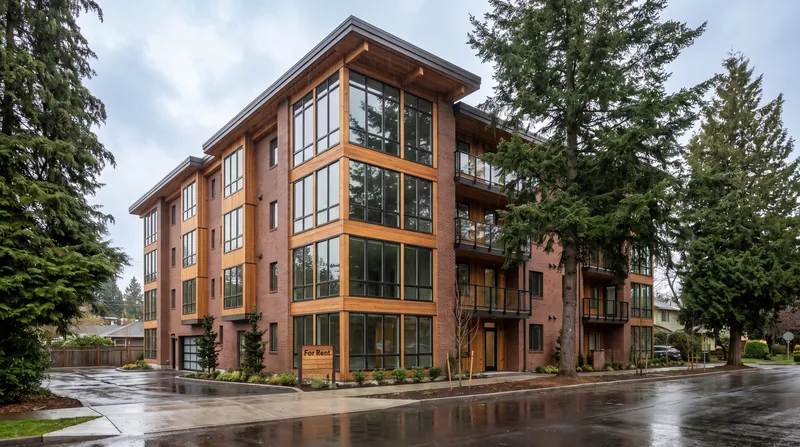
Single-Family Rental Market Reverses: Northeast and Midwest Lead All 50 Metros in Rent Growth
1 sources
Commercial Real Estate
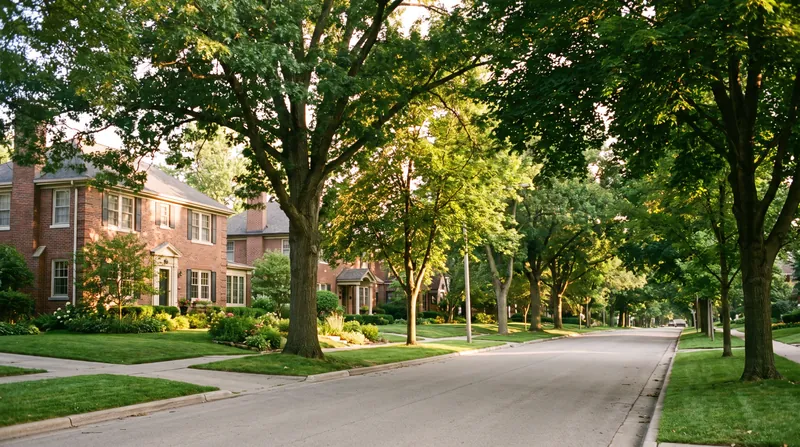
U.S. Office Market Reverses Course, Posting First Positive Net Absorption Since 2019
6 sources
Housing Supply
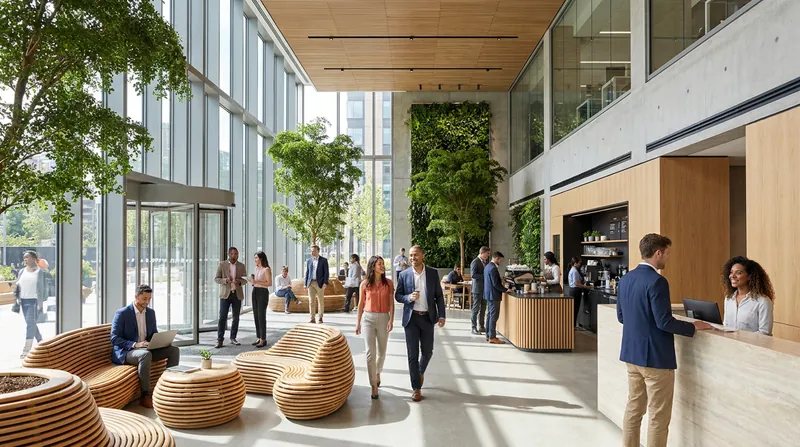
National Apartment Vacancy Rate Hits Record 7.3% as Supply Surge Forces Rent Declines
4 sources
Housing Supply
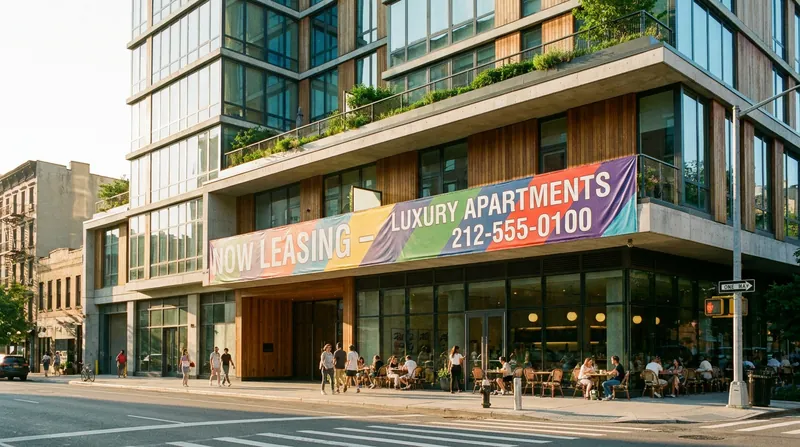
Multifamily Construction Pipeline Halves From Peak, Guaranteeing Tighter Rental Market and Return to Rent Growth
2 sources
Comments
Every angle. Every day.
Get Real Estate stories with full source coverage and perspective breakdowns, free every day.