
The Evidence Behind Office-to-Residential Conversions in 2026
As urban centers grapple with vacant commercial real estate, a growing body of evidence suggests adaptive reuse can simultaneously address housing shortages, cut emissions, and revitalize downtowns.
By Factlen Editorial Team
Urban Revitalization Advocates 40%Pragmatic Developers 40%Environmental Economists 20%
- Urban Revitalization Advocates
- Focus on the potential of conversions to create vibrant, 24/7 mixed-use neighborhoods and alleviate housing shortages.
- Pragmatic Developers
- Emphasize the steep financial and architectural hurdles that make conversions difficult without significant public subsidies.
- Environmental Economists
- Highlight the massive carbon savings achieved by repurposing existing structures rather than building from scratch.
What's not represented
- · Local School Boards
- · Existing Commercial Tenants
Why this matters
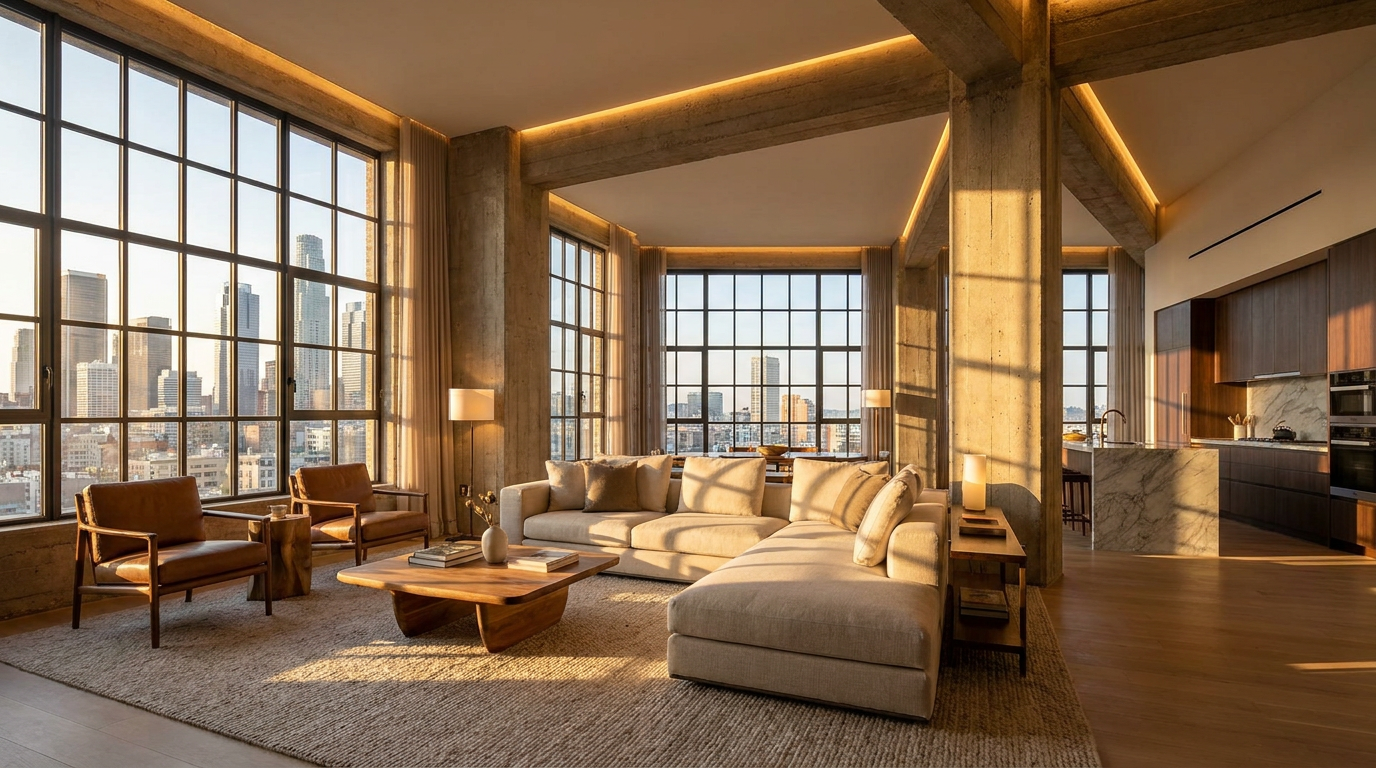
Transforming empty office buildings into housing offers a rare dual-solution to two of the decade's biggest urban challenges: a critical shortage of residential units and the economic drain of vacant downtowns.
More in real estate
See all 40 stories →iBuyer Market
Selling to an iBuyer vs. a Traditional Agent: Which Strategy Fits You Best?
8 sources
Fractional Ownership
How Fractional Real Estate is Dismantling the Housing Market's Capital Walls
8 sources
Adaptive Reuse
The Evidence Pack: How Empty Offices Are Solving the Housing Crisis
8 sources
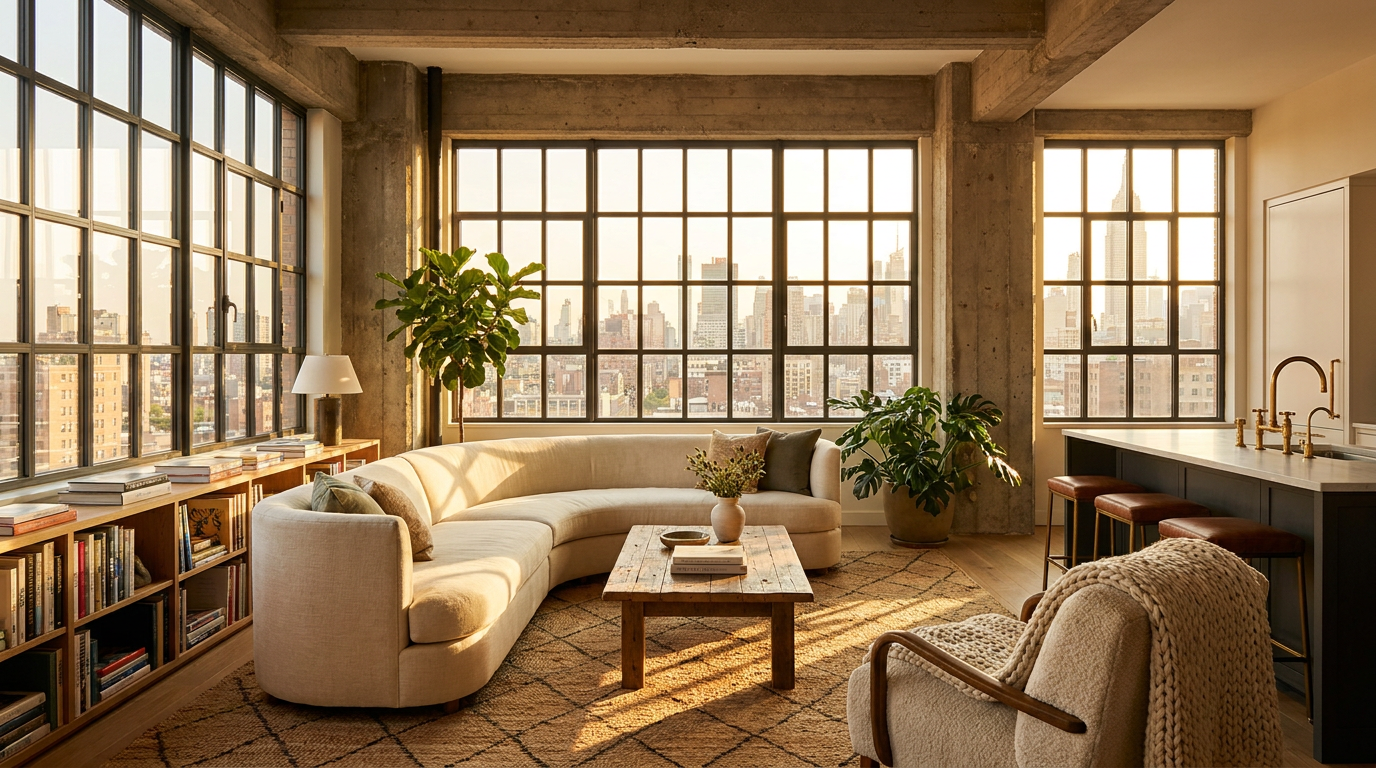
Office Conversions
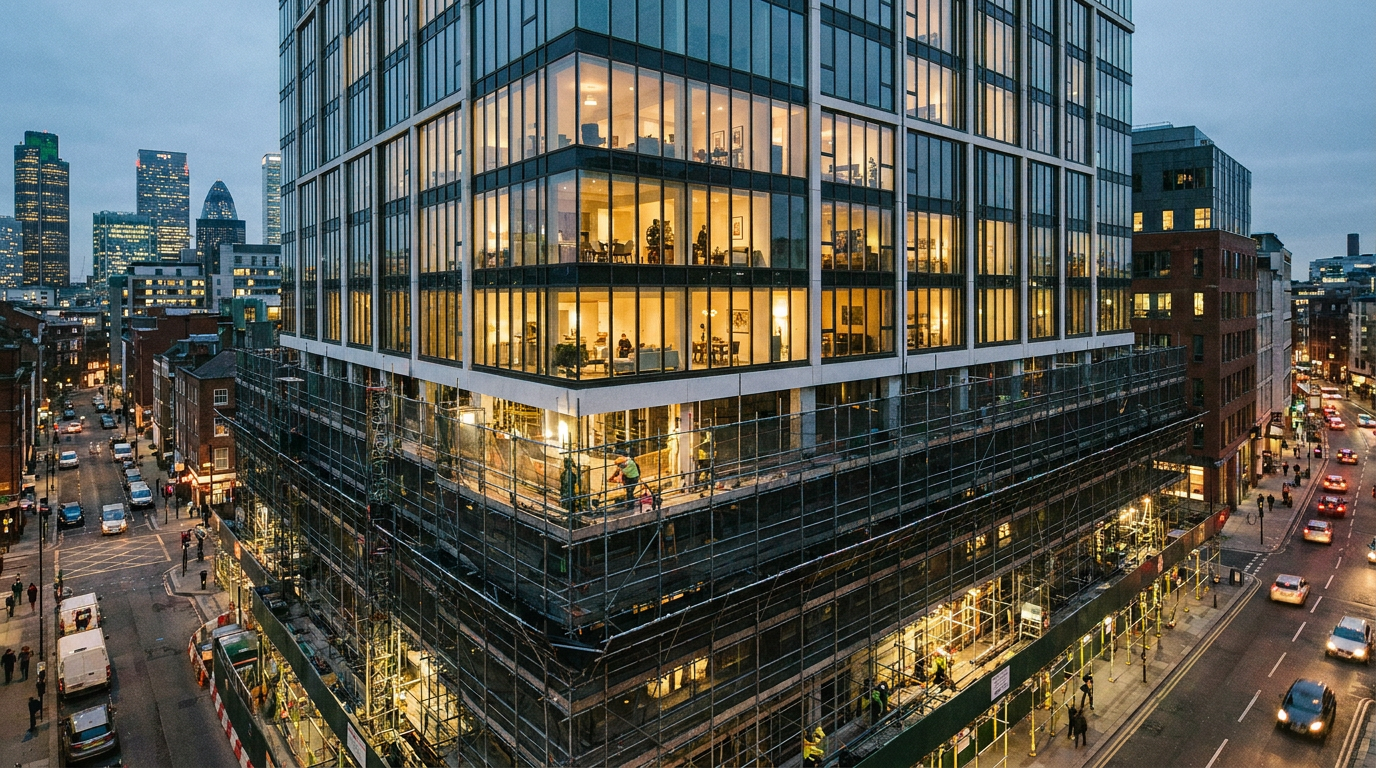
The Evidence Pack: How Empty Offices Are Becoming Affordable Housing in 2026
8 sources
Stay informed
Every angle. Every day.
Get real estate stories with full source coverage and perspective breakdowns delivered to your inbox.