
The Economics of the Memory Wall: Why AI Data Centers Are Driving Up Laptop Prices
The explosive growth of artificial intelligence infrastructure is fundamentally rewiring the global semiconductor supply chain. As manufacturers prioritize complex high-bandwidth memory for AI servers, the resulting squeeze on standard DRAM is steadily inflating the cost of consumer electronics.
By Hui Lin

In short
- Laptop and consumer electronics prices are surging by up to 35% due to record-high memory component costs.
- Semiconductor foundries are reallocating manufacturing capacity to produce High-Bandwidth Memory (HBM) for AI data centers.
- Producing one bit of HBM cannibalizes the manufacturing capacity for three bits of standard consumer DRAM.
Consumers shopping for a new laptop or smartphone are facing a sudden and confusing reality: hardware prices are surging by as much as 35%, even though retail demand for these devices remains entirely flat. The tension lies in a supply chain that has quietly stopped prioritizing everyday electronics. The resolution is found inside the massive data centers powering artificial intelligence.[2][3]
If you are waiting for laptop prices to drop before upgrading, you will likely be waiting until at least 2027. Major PC manufacturers have already implemented price hikes of 15% to 30% across their lineups, driven almost entirely by the exploding cost of memory components. To avoid overpaying, buyers should secure refurbished systems or accept lower base-memory configurations, as the cost of RAM is projected to remain at record highs for the foreseeable future.[2]
The root of this inflation is a fundamental shift in how the world's semiconductor foundries allocate their manufacturing capacity. Artificial intelligence models require staggering amounts of data to be processed simultaneously, a task that relies on High-Bandwidth Memory (HBM). HBM is a specialized, stacked memory architecture that delivers the speed necessary for AI workloads, but it is incredibly complex to produce.[5]
Manufacturing HBM is not a simple addition to existing production lines; it is a direct substitution that cannibalizes standard memory output. For every single bit of HBM produced, foundries must forgo the ability to manufacture three bits of the standard DRAM used in consumer laptops and smartphones. As hyperscale cloud providers buy up unprecedented quantities of HBM, the supply of standard memory has plummeted.[5]
The sheer volume of memory consumed by AI infrastructure dwarfs consumer electronics. A single next-generation AI server rack, such as Nvidia's NVL72, contains up to 20 terabytes of HBM. Because of the three-to-one manufacturing penalty, producing the memory for just one of these server racks consumes the exact same silicon wafer capacity required to build thousands of standard 16-gigabyte laptops.[5][6]
This structural reallocation has triggered a massive price shock across the memory market. Contract prices for conventional DRAM increased by up to 95% in the first quarter of 2026 alone, with subsequent quarters seeing further hikes of 60%. Financial analysts project that by the end of 2026, standard DRAM prices will have risen more than 400% from their early 2024 baseline.[1][4]
The cost increases are not limited to high-end computers. The memory squeeze is inflating the bill-of-materials for nearly every connected device. Smart speakers, e-readers, televisions, and even automotive infotainment systems are all experiencing cost spikes, forcing manufacturers to either absorb the losses or pass the premiums directly to consumers.[3][4]
Relief is not imminent. The three major memory manufacturers—Micron, Samsung, and SK Hynix—have already sold out their advanced packaging capacity through the end of the year, and new fabrication plants take years to come online. Until global silicon output expands to meet the dual demands of AI infrastructure and consumer electronics, the era of cheap, abundant computer memory is effectively over.[2][4][5]
Terms to know
- DRAM (Dynamic Random Access Memory)
- The standard type of working memory used in everyday consumer electronics like laptops, smartphones, and televisions.
- HBM (High-Bandwidth Memory)
- A specialized, high-performance memory architecture that stacks chips vertically to deliver data at the extreme speeds required by artificial intelligence processors.
- Hyperscaler
- Massive cloud service providers, such as Amazon Web Services or Microsoft Azure, that operate the sprawling data centers powering modern internet and AI services.
- Wafer Capacity
- The total volume of silicon chips a semiconductor factory can produce within a given timeframe, which is currently being stretched to its limits.
Questions readers ask
Why are laptop prices going up if demand is low?
Laptop prices are rising because the cost of memory components has surged. Semiconductor foundries are shifting their manufacturing capacity away from standard PC memory to produce specialized chips for AI data centers.
How long will the memory shortage last?
Industry analysts expect the shortage and elevated prices to persist through at least 2027. It takes years to build new semiconductor fabrication plants to increase overall global supply.
What is High-Bandwidth Memory (HBM)?
HBM is a complex, stacked memory technology designed to process massive amounts of data at extremely high speeds. It is essential for artificial intelligence servers but requires significantly more manufacturing resources than standard memory.
Should I wait to buy a new computer?
Waiting is unlikely to yield better prices in the near term. If you need a device now, experts recommend purchasing refurbished models or accepting lower memory configurations to offset the inflated costs.
Different angles
Consumer Electronics Manufacturers
Frustrated by shrinking margins and supply constraints.
PC and smart home device makers argue that the unchecked prioritization of AI data centers is destabilizing the broader tech ecosystem. Without the volume leverage of hyperscale cloud providers, smaller OEMs are forced to accept longer lead times and exorbitant component costs, which they must inevitably pass on to consumers through higher retail prices or reduced base specifications.
Memory Semiconductor Foundries
Focused on maximizing revenue through high-margin AI components.
Chipmakers maintain that reallocating capacity toward High-Bandwidth Memory is a necessary response to market signals. HBM and server-grade DRAM offer significantly higher margins and long-term contract stability compared to the volatile, cyclical nature of the consumer PC market. For these foundries, the AI boom represents a structural shift in their business model rather than a temporary supply glitch.
AI Infrastructure Providers
Willing to pay whatever it takes to secure computational dominance.
Hyperscalers and AI developers view advanced memory as the critical bottleneck in model training and inference. They argue that the immense capital flowing into HBM production is funding the next generation of technological breakthroughs. From their perspective, securing memory capacity is an existential race, and the downstream impact on consumer electronics is an unavoidable byproduct of rapid innovation.
- Consumer Electronics Brands
- Frustrated by shrinking margins and severe supply constraints.
- Semiconductor Foundries
- Focused on maximizing revenue through high-margin AI components.
- AI Infrastructure Providers
- Willing to pay premium prices to secure computational dominance.
- Industry Observers
- Tracking the structural shift in global silicon allocation.
Perspectives this story doesn't cover
- Everyday Consumers
- Smartphone Manufacturers
Sources
Source coverage
6 outlets
4 viewpoints surfaced






- [1]J.P. Morgan Global ResearchAI Infrastructure Providers
AI data center demand is creating a shortage of global memory capacity
Read on J.P. Morgan Global Research → - [2]PCMagConsumer Electronics Brands
Why Is RAM So Expensive Right Now?
Read on PCMag → - [3]Fox BusinessConsumer Electronics Brands
A new policy report warns the AI data center boom could raise prices for laptops, smartphones, cars and other everyday products
Read on Fox Business → - [4]Astute GroupSemiconductor Foundries
The global memory market remains under severe supply pressure as AI infrastructure investment absorbs increasing volumes of DRAM
Read on Astute Group → - [5]Hyper.aiAI Infrastructure Providers
A global shortage of memory, particularly high-bandwidth memory (HBM) used in AI chips
Read on Hyper.ai → - [6]Factlen Editorial TeamIndustry Observers
Synthesis by Factlen editorial team
Read on Factlen Editorial Team →
More in Shopping & Reviews
See all →Hardware Pricing
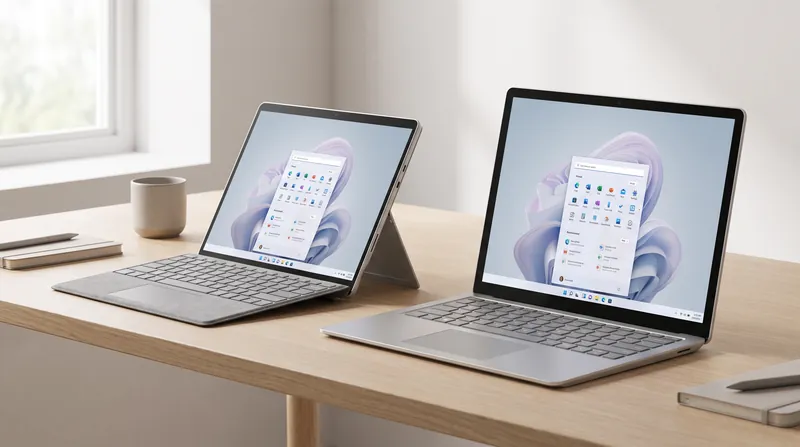
Acer Warns PC Prices to Rise 5-20% in Q4 as DDR5 Memory Costs Surge Sixfold and Peak in Mid-2027
4 sources
Display Tech
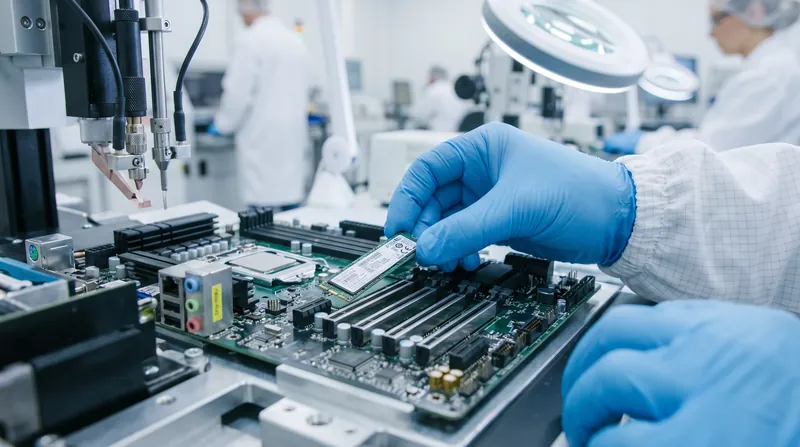
IPS, OLED, and Mini-LED: How Three Display Panel Technologies Dictate Contrast, Response Time, and Burn-in Risk
5 sources
Memory Shortage
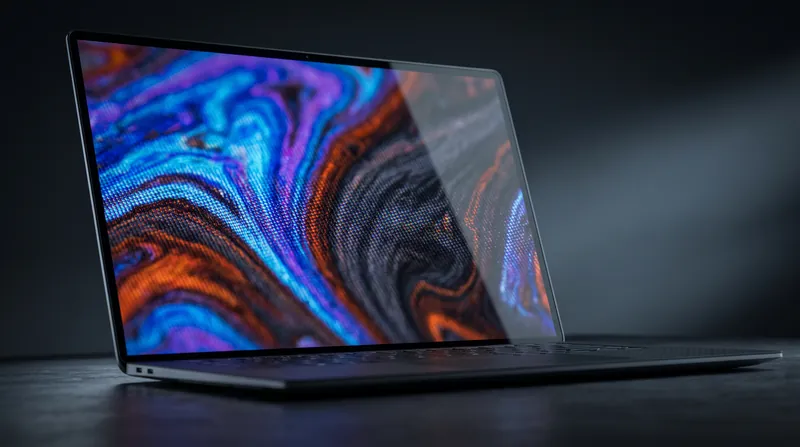
How AI Data Center Demand is Driving Up Consumer Laptop RAM and SSD Prices
7 sources

Color Standards
sRGB, DCI-P3, and Adobe RGB: How Color Gamut Standards and Delta E Values Dictate a Laptop Display's Professional Utility
8 sources

Comments
Every angle. Every day.
Get Shopping & Reviews stories with full source coverage and perspective breakdowns, free every day.