
Microsoft Unveils Surface Pro and Laptop With Snapdragon X2 Plus, Claiming 95% Faster On-Device AI
Microsoft has introduced updated versions of its Surface Pro and Surface Laptop, powered by Qualcomm's new Snapdragon X2 Plus processor. The company claims the new hardware delivers a 95% increase in on-device AI performance compared to previous models.
By Hui Lin

- Microsoft
- Emphasizes the performance and efficiency gains of the Snapdragon X2 Plus, framing local AI processing as the future of computing.
- Tech Reviewers
- Acknowledge the hardware improvements but remain cautious about software compatibility and the real-world utility of on-device AI features.
- Industry Analysts
- View the release as a strategic move to strengthen the Windows on ARM ecosystem and compete more effectively with Apple's M-series chips.
Perspectives this story doesn't cover
- Consumers who rely heavily on legacy x86 applications
- Competitors like Apple and Intel
Fast facts
- Microsoft announced new 12-inch Surface Pro and 13-inch Surface Laptop models.
- Both devices are powered by Qualcomm's new Snapdragon X2 Plus processor.
- Microsoft claims a 95% increase in on-device AI performance compared to previous models.
- The Snapdragon X2 Plus features an NPU designed for local AI processing.
- Battery life is rated at up to 18 hours for the Pro and 20 hours for the Laptop.
- Pricing starts at $999 for the Surface Pro and $1,099 for the Surface Laptop.
Why this matters
The shift toward local AI processing means faster responses and better privacy, as data doesn't need to be sent to the cloud. For consumers, it signals a new baseline for laptop performance, where AI tasks are handled efficiently on the device itself.
Microsoft has refreshed its consumer hardware lineup, announcing new versions of the 12-inch Surface Pro and 13-inch Surface Laptop powered by Qualcomm's Snapdragon X2 Plus processor. The update, announced on September 23, 2026, focuses heavily on artificial intelligence capabilities, with Microsoft claiming a 95% increase in on-device AI performance compared to the previous generation.[1][2]
The Snapdragon X2 Plus chip is the centerpiece of the new devices. According to Microsoft's official announcement, the processor's Neural Processing Unit (NPU) is designed specifically to handle AI workloads locally, reducing reliance on cloud processing. This shift is intended to improve response times for AI-driven features like Windows Studio Effects, live translation, and automated text summarization, while also addressing privacy concerns by keeping user data on the device.[1][4]
The 12-inch Surface Pro retains its familiar 2-in-1 form factor, featuring a detachable keyboard and a built-in kickstand. The 13-inch Surface Laptop maintains its traditional clamshell design. Both devices feature updated displays with higher peak brightness and improved color accuracy, though the core chassis designs remain largely unchanged from their predecessors.[3][5]
In terms of battery life, Microsoft claims the efficiency of the ARM-based Snapdragon X2 Plus architecture allows for up to 18 hours of typical use on the Surface Pro and up to 20 hours on the Surface Laptop. These figures represent a significant improvement over previous Intel-based models, highlighting the power efficiency advantages of the ARM platform.[1][6]
These figures represent a significant improvement over previous Intel-based models, highlighting the power efficiency advantages of the ARM platform.
The integration of the Snapdragon X2 Plus also brings improved connectivity options. Both devices support Wi-Fi 7 and Bluetooth 5.4, ensuring compatibility with the latest wireless standards. Additionally, the Surface Pro offers an optional 5G cellular configuration for users who require constant connectivity on the go.[2][5]
Pricing for the new Surface Pro starts at $999, while the Surface Laptop begins at $1,099. Both devices are available for pre-order immediately, with general availability scheduled for early October 2026. Microsoft also introduced a new Surface Mouse, priced at $49, which features a dedicated button for quick access to Windows Copilot.[1][5]
The move to Qualcomm's Snapdragon platform for its flagship consumer devices underscores Microsoft's commitment to the Windows on ARM ecosystem. By prioritizing local AI processing and power efficiency, the company is positioning the new Surface lineup as a direct competitor to Apple's M-series MacBooks, which have dominated the thin-and-light laptop market in recent years.[4][6]
While the hardware improvements are notable, the success of the new Surface devices will largely depend on software compatibility. Historically, Windows on ARM has struggled with app emulation, leading to performance issues with legacy x86 applications. However, Microsoft claims that the Snapdragon X2 Plus, combined with improvements in Windows 11's emulation layer, provides a seamless experience for the vast majority of applications.[2][4]
Sources
Source coverage
6 outlets
3 viewpoints surfaced






- [1]Microsoft Devices BlogMicrosoft
Introducing the next Surface Pro 12-inch and Surface Laptop 13-inch with Snapdragon X2 Plus: Greater performance that travels light
Read on Microsoft Devices Blog → - [2]XDA DevelopersTech Reviewers
Microsoft's new Surface Pro 12-inch and Surface Laptop 13-inch get a Snapdragon X2 Plus upgrade
Read on XDA Developers → - [3]GSMArena.com
Microsoft unveils Surface Pro 12" tablet and Surface Laptop 13" with Snapdragon X2 Plus
Read on GSMArena.com → - [4]Petri IT KnowledgebaseIndustry Analysts
Microsoft Bets on Local AI Processing with New Surface Devices
Read on Petri IT Knowledgebase → - [5]FoneArena.com
Microsoft introduces new Surface Pro and Surface Laptop with Snapdragon X2 Plus and Surface Mouse
Read on FoneArena.com → - [6]EngadgetTech Reviewers
Microsoft's new Surface Pro 12 and Surface Laptop 13 feature Snapdragon X2 Plus chips
Read on Engadget →
Comments

More in Shopping & Reviews
See all →Camera Tech
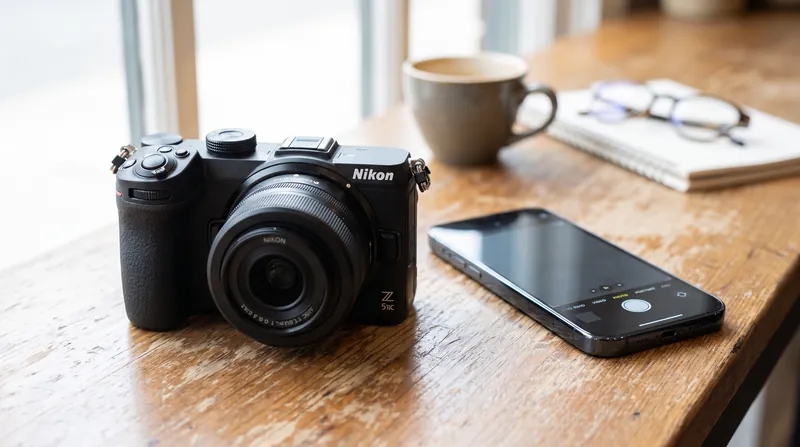
Nikon Unveils Z5IIC, a Viewfinder-Less Full-Frame Mirrorless Camera for Beginners
2 sources
Vehicle Testing
The FTP-75, US06, and SC03 Test Cycles: How EPA Ratings Dictate a Car's City, Highway, and Combined Fuel Economy
6 sources

SAR Limits
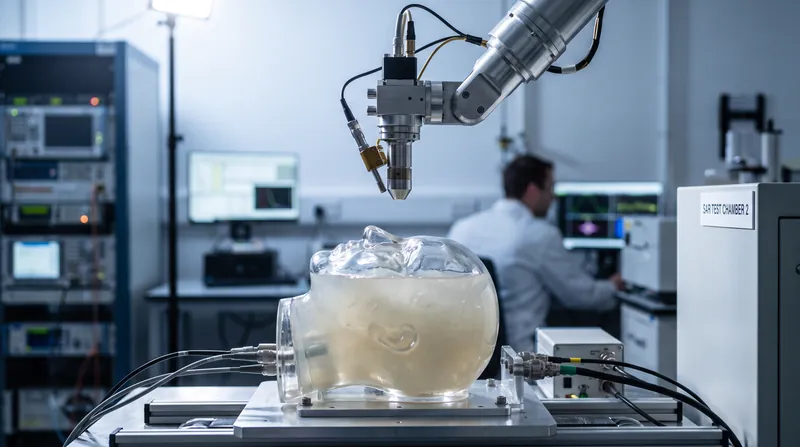
The Specific Absorption Rate (SAR) Limit: How FCC and CE Standards Dictate a Phone's Maximum Radiofrequency Emission
7 sources
Carrier Subsidies
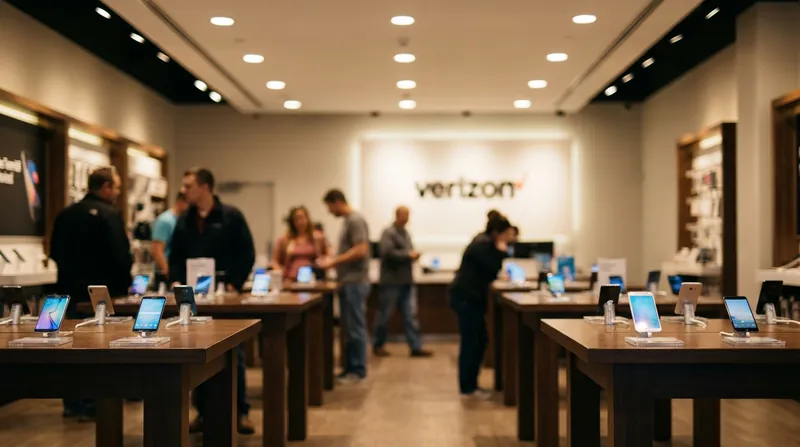
The 2026 Smartphone Market Shift: Why Apple Now Controls 75% of US Carrier Sales
3 sources
Every angle. Every day.
Get Shopping & Reviews stories with full source coverage and perspective breakdowns delivered to your inbox.