
The Disinflation Pipeline: How Falling Oil Prices Actually Reach Your Wallet
A 60-day pause on Iranian oil sanctions has sent global crude prices tumbling, triggering a chain reaction that is set to lower the cost of everyday consumer goods.
By Bo Feng

Share this story
The global economy just received an unexpected relief valve. Following a four-month conflict that choked the Strait of Hormuz and sent energy markets into a panic, the U.S. Treasury has issued a 60-day license allowing Iranian oil to return to global markets. The diplomatic breakthrough immediately sent crude prices tumbling, with West Texas Intermediate (WTI) falling below $74 a barrel and Brent crude dropping under $78.[1][2]
For the average consumer, geopolitical maneuvers in the Middle East can feel distant, but the financial impact is immediate and profound. Energy is the invisible cost embedded in almost every good and service we consume. When crude oil prices plunge by double digits, it sets off a disinflationary chain reaction that ripples from the gas pump to the grocery store aisle, acting as a massive, unlegislated tax cut for households worldwide.
The most visible and immediate effect of the oil sell-off happens at the neighborhood gas station. Because crude oil accounts for more than half the cost of retail gasoline, a steep drop in global benchmarks translates to cheaper fill-ups within days. The national average for a gallon of regular gasoline has already dropped below the $4 threshold, freeing up billions of dollars in discretionary income that families can redirect toward other needs.[2]
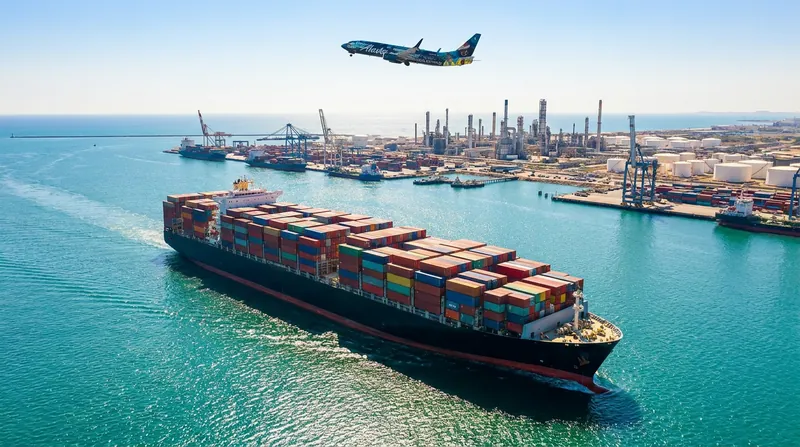
But the relief at the pump is only the first stage of the disinflation pipeline. The broader economic impact comes from what economists call the "flow-on" effect. Businesses may not directly consume massive amounts of crude oil, but their supply chains run on it. Every product sitting on a retail shelf had to be transported there by diesel-powered trucks, cargo ships, or freight trains.[4]
When diesel prices fall in tandem with crude oil, the cost of freight and logistics plummets. During the peak of the recent energy spike, shipping companies passed their elevated fuel costs onto retailers through fuel surcharges, which retailers then passed onto consumers via higher sticker prices. As those surcharges evaporate, the cost of moving a crate of electronics from a port to a warehouse, or a pallet of produce from a farm to a supermarket, drops significantly.[4]
Beyond transportation, petroleum is a foundational raw material for modern manufacturing. Petrochemicals derived from oil and natural gas are the building blocks for plastics, synthetic fibers, and fertilizers. When oil surged past $100 a barrel earlier this year, the cost of packaging a product or manufacturing synthetic clothing skyrocketed. The current price collapse reverses that pressure, lowering the input costs for countless consumer packaged goods.
In the agricultural sector, cheaper energy directly translates to cheaper food. Modern farming is highly energy-intensive, relying on diesel to run tractors and harvesters, and petroleum-based fertilizers to grow crops. A sustained drop in oil prices lowers the overhead for agricultural producers, which eventually filters down to lower prices for meat, dairy, and produce at the grocery checkout.[4]
To understand how this impacts the broader economy, it is crucial to distinguish between "headline" and "core" inflation. Headline inflation includes every category of consumer spending, including highly volatile food and energy prices. Because gasoline carries a heavy weighting in the Consumer Price Index (CPI), a single double-digit drop in fuel prices can instantly slice 0.3% to 0.5% off the headline monthly inflation calculation.[4]
Core inflation, however, strips out food and energy to measure the underlying trend of prices in the economy—things like rent, wages, and services. While core inflation doesn't immediately capture the drop in gasoline, it eventually benefits from the flow-on effects. As transportation and manufacturing costs decline, the price of core goods—from appliances to apparel—begins to soften, pulling the stickier inflation metrics down over time.[4]
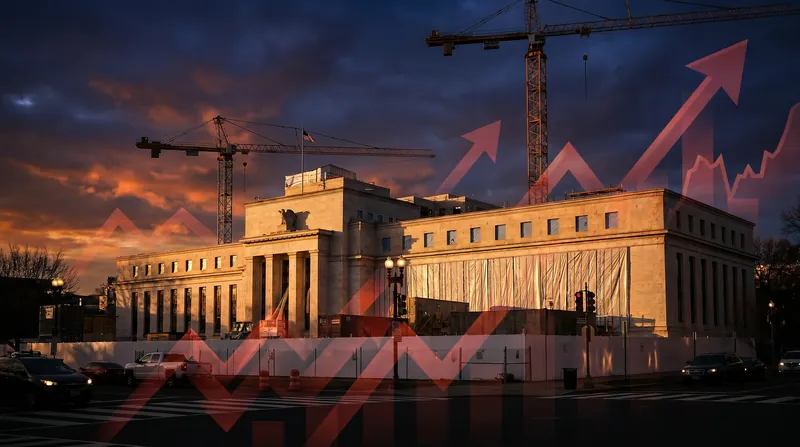
This dynamic provides critical breathing room for central banks, particularly the U.S. Federal Reserve. Under the leadership of Chair Kevin Warsh, the Fed has been grappling with persistent inflation driven largely by the war-induced energy shock. With oil prices retreating to pre-conflict levels, the pressure on the Fed to resume aggressive interest rate hikes diminishes, reducing the risk of a central bank-induced recession.[3]
The relief extends far beyond the United States. For major energy-importing nations across Asia and Europe, the return of Iranian barrels is an economic lifeline. Countries like China, India, and Japan spend vast portions of their national budgets importing fuel. Cheaper oil narrows their trade deficits, stabilizes their currencies, and lowers the cost of doing business across their domestic industries.
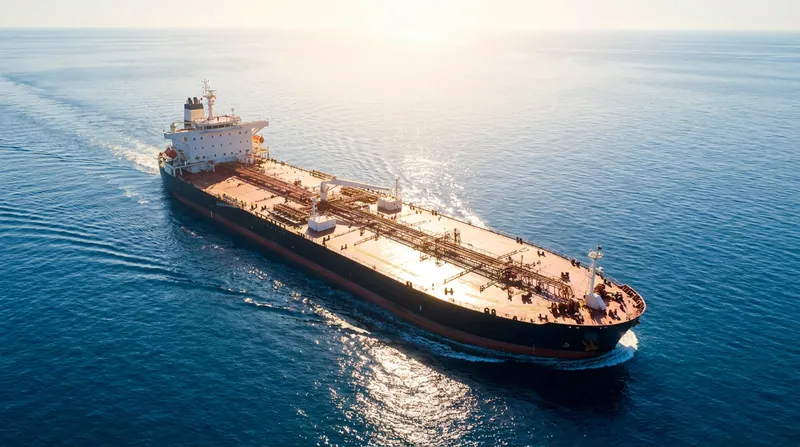
The sheer volume of supply returning to the market is substantial. Before the recent naval blockades, Iran was exporting over 1.5 million barrels a day, a figure that plummeted to roughly 260,000 barrels during the height of the conflict. The Treasury's 60-day waiver allows these stranded barrels to flow freely again, fundamentally altering the global supply-and-demand calculus just as summer demand peaks.[1]
However, energy markets remain highly sensitive to geopolitical developments, and the current disinflationary wave is not guaranteed to last indefinitely. The Treasury license is a temporary measure, explicitly tied to the progress of ongoing peace negotiations in Switzerland. If the talks collapse and the 60-day window expires without a permanent resolution, the war premium could rapidly return to crude prices.[2]
Furthermore, the Organization of the Petroleum Exporting Countries and its allies (OPEC+) are closely monitoring the price drop. If crude falls too far, major producers like Saudi Arabia and Russia may coordinate voluntary production cuts to artificially tighten the market and defend their revenue streams, potentially offsetting the influx of Iranian supply.
For now, the global economy is enjoying a rare moment of synchronized relief. The sudden deflation of the energy shock proves how rapidly commodity markets can correct when geopolitical bottlenecks clear. As the cheaper barrels work their way through the global supply chain, consumers can expect the cost of living to gradually ease, proving that the cure for high prices is, sometimes, simply a breakthrough at the negotiating table.[1]
Key points
- The U.S. Treasury issued a 60-day license allowing Iranian oil to return to the market, sending crude prices tumbling.
- West Texas Intermediate (WTI) fell below $74 a barrel, erasing months of war-driven price premiums.
- Lower crude prices immediately reduce costs at the gas pump, directly lowering headline inflation metrics.
- Cheaper fuel also reduces freight and manufacturing costs, creating a 'flow-on' effect that lowers the price of core consumer goods.
Open questions
- Whether the U.S. and Iran will reach a permanent diplomatic agreement before the 60-day license expires in August.
- How aggressively OPEC+ might cut its own production to offset the new influx of Iranian barrels and defend higher price floors.
- Exactly how many months it will take for the reduced freight costs to fully materialize as lower sticker prices on retail shelves.
Timeline
Feb 2026
Conflict escalates in the Middle East, choking the Strait of Hormuz and sending Brent crude spiking toward $118 a barrel.
April 2026
U.S. naval blockades restrict Iranian oil exports, slashing their output from 1.5 million barrels a day to roughly 260,000.
Mid-June 2026
The U.S. and Iran sign a memorandum of understanding in Switzerland, establishing a framework for peace talks.
June 22, 2026
The U.S. Treasury issues a 60-day license allowing the sale and delivery of Iranian crude, sending global oil prices tumbling below $78.
- Consumer Advocates
- Focus on the immediate relief at the gas pump and the lowering of everyday grocery and retail costs.
- Macroeconomists
- Emphasize the flow-on effects through the supply chain and the easing of pressure on central banks to hike rates.
- Energy Importers
- Highlight the macroeconomic benefits for nations that rely heavily on foreign oil, such as stabilized currencies and lower trade deficits.
- Geopolitical Analysts
- Warn that the relief is tied to a fragile 60-day diplomatic window and could reverse if peace talks fail.
Perspectives this story doesn't cover
- Domestic U.S. Shale Producers
- Renewable Energy Advocates
Sources
Source coverage
4 outlets
4 viewpoints surfaced




- [1]MarketWatchConsumer Advocates
U.S. oil prices fall below $74 a barrel on 60-day pause on Iranian oil sanctions
Read on MarketWatch → - [2]MorningstarConsumer Advocates
U.S. oil prices end below $74 a barrel after 60-day pause on Iranian oil sanctions
Read on Morningstar → - [3]EnergyNowEnergy Importers
TSX rises nearly 150 points as oil prices fall, U.S. markets post mixed results
Read on EnergyNow → - [4]Federal Reserve Bank of DallasMacroeconomists
The Impact of Energy Price Shocks on Headline and Core Inflation
Read on Federal Reserve Bank of Dallas →

More in Finance
See all →Economic Literacy
Why Cooling Inflation Leaves Prices High and Disinflation Differs From Deflation
5 sources
Inflation Lags
Why Global Inflation Won't Drop Instantly Despite Plummeting Oil Prices
4 sources
Purchasing Power
How a Surging Dollar and Plunging Oil Prices Are Quietly Crushing Inflation
6 sources
Savings Strategy
Decoding 'Real Yield': How Everyday Savers Are Finally Beating Inflation
1 sources

Comments
Every angle. Every day.
Get Finance stories with full source coverage and perspective breakdowns, free every day.