
The Buy-Back Clause vs. The Sell-On Percentage: Quantifying the Trade-Offs in Modern Soccer Transfers
As global transfer spending shatters the $13 billion mark, elite clubs are increasingly trading upfront cash for deferred equity and active sporting control. We compare the mechanics, risks, and strategic value of the two most powerful clauses in modern football.

- Selling Clubs (Value Retention)
- Prioritize long-term financial upside or the ability to recall a developed asset without paying open-market premiums.
- Buying Clubs (Asset Control)
- Seek to minimize future obligations and retain full economic and sporting control over the players they develop.
- Player Representatives
- Focus on ensuring the player's future mobility isn't artificially restricted by complex inter-club clauses.
Perspectives this story doesn't cover
- Smaller Development Academies
- Third-Party Financial Investors
At a glance
- International transfer spending in men's professional football reached a record $13.08 billion in 2025.
- Nearly 75% of all transfers involving players under 18 now include a sell-on provision.
- The global average sell-on fee sits at 21.5% of the future transaction.
- Sell-on clauses offer passive financial upside but require a third-party transaction to activate.
- Buy-back clauses offer active sporting control but significantly depress the initial transfer fee.
When FIFA published its 2025 Global Transfer Report on January 28, 2026, the headline figure commanded immediate attention: international transfer spending in men's professional football had shattered previous ceilings to reach $13.08 billion. "For the first time ever, clubs' spending on transfer fees surpassed the USD 10 billion mark and set a new record," the governing body noted in its official release. But beneath that macroeconomic milestone lies a structural shift in how elite clubs actually structure their deals. The outright, clean-break sale of a young player is rapidly becoming obsolete. In its place, the modern transfer market has evolved into a complex web of deferred equity and call options, where the most valuable component of a deal is often the mechanism that dictates what happens next.[1]
When a top-tier academy graduates a prospect who cannot immediately break into the starting eleven, the negotiation instantly pivots from the upfront cash to the retention mechanics. Clubs are no longer willing to simply cash out and walk away. Instead, they rely on two dominant contractual levers to protect their long-term interests: the sell-on percentage and the buy-back clause. While they are often discussed interchangeably by supporters, these two mechanisms serve fundamentally incompatible strategic purposes and carry entirely different risk profiles for both the buying and selling institutions.[3]
The distinction is not merely administrative; it dictates who holds the ultimate leverage over a player's prime years. A sell-on clause is a purely financial instrument—a passive bet on a player's future valuation in the open market. A buy-back clause, conversely, is a sporting instrument. It acts as an active tether that keeps a player's registration within arm's reach, allowing a club to correct a talent-evaluation mistake before it becomes a permanent regret. Choosing between the two requires a club to decide whether they value future capital or future control.[2][3]
According to the 2025 FIFA data, the sell-on clause has established itself as the default insurance policy for youth development across the globe. Nearly 75% of all transfers involving players under the age of 18 now include a sell-on provision, with the global average fee sitting at 21.5% of the future transaction. This explosion in deferred equity is a direct response to market inflation and the sheer difficulty of pricing unproven potential.[1]
With only 17.7% of global transfers in 2025 involving any upfront fee at all, clubs are increasingly willing to trade immediate, guaranteed cash for a slice of future upside. If a highly-rated prospect eventually explodes in value, securing a 20% cut of a future $80 million move is mathematically worth far more than squeezing an extra $2 million out of the initial, risk-averse sale. It allows smaller development clubs to passively share in the financial ecosystem of the Champions League elite without committing any future capital of their own.[1][3]
It allows smaller development clubs to passively share in the financial ecosystem of the Champions League elite without committing any future capital of their own.
However, the sell-on clause carries a fatal, unavoidable flaw: it requires a third-party transaction to actually activate. If the player decides to run down their contract to secure a lucrative free agency move, suffers a career-altering injury, or simply remains at their new club for the duration of their career, the clause eventually expires completely worthless. The selling club has zero agency to force a payout, leaving their financial windfall entirely at the mercy of the buying club's future squad planning.[2][3]
Enter the buy-back clause, which represents the ultimate expression of big-club leverage in the modern market. By inserting a fixed-price repurchase option valid for a specific window—typically the first two to three years following the initial sale—the selling club effectively transforms a permanent transfer into a highly paid, high-stakes development loan. They surrender the player today, but lock in the exact price required to bring them home tomorrow.[3]
The trade-off for that sporting control is immediate and financially punitive. Because the buying club knows they could lose their newly developed star for a capped, below-market fee just as the player hits their prime, they will demand a massive discount on the initial purchase price. The selling club deliberately sacrifices guaranteed capital today for the right to maintain a hard contractual grip on the player's trajectory. If the player fails to develop, the selling club took a financial hit for nothing; if the player becomes a superstar, they secure an elite asset for a fraction of the open-market rate.[3]
The tension between these two clauses now defines the architecture of the modern transfer window. Elite, state-backed clubs hoarding talent overwhelmingly prefer buy-backs to maintain absolute sporting control over their academy graduates, while mid-tier development clubs demand sell-ons to fund their ongoing operations.[3]
As global transfer fees continue to escalate past the $13 billion threshold, the upfront cash is increasingly becoming a secondary detail. The true value of a modern football transfer is now hidden entirely in the fine print, locked in a continuous battle between passive financial upside and active sporting control. The next time a major European prospect moves for a surprisingly low initial fee, the real story will not be what the buying club paid today, but exactly what rights the selling club retained for tomorrow.[1][3]
Different angles
The Sell-On Percentage: Passive Financial Upside
A mechanism that grants the selling club a cut of a future transfer fee, trading immediate cash for long-term equity.
FOR: Provides passive, zero-risk revenue if a prospect explodes in value. It allows smaller clubs to share in the financial ecosystem of elite teams without committing future capital. AGAINST: Relies entirely on a third-party transaction. If the player runs down their contract, retires, or is never sold, the clause expires worthless. It also provides zero sporting control. EVIDENCE: According to the 2025 FIFA Global Transfer Report, sell-on clauses are now standard practice, included in nearly 75% of all transfers involving players under 18, with the global average fee sitting at 21.5%. FITS WELL WHEN: The selling club operates as a talent incubator and needs immediate cash but wants long-term exposure to a player's ceiling. DOES NOT FIT WHEN: The selling club believes the player has imminent first-team potential for their own squad and wants a guaranteed path to recall them.
The Buy-Back Clause: Active Sporting Control
A mechanism that allows the selling club to repurchase the player for a predetermined fixed fee within a set window.
FOR: Retains ultimate sporting control. It functions as a call option, allowing a top-tier club to park a prospect elsewhere for development and recall them at a below-market rate if they reach elite status. AGAINST: Depresses the initial transfer fee significantly. Buying clubs despise developing a player only to lose them for a fixed, below-market sum, so they demand a steep discount upfront. EVIDENCE: Real Madrid's famous use of the clause for Alvaro Morata, selling him to Juventus for €20 million only to trigger the €30 million buy-back two years later when his open-market value had doubled. FITS WELL WHEN: A top-tier club has a logjam at a specific position but believes a departing academy graduate could eventually start for them. DOES NOT FIT WHEN: The buying club demands full ownership to build their franchise around the player, or when the selling club desperately needs maximum upfront capital.
The Hybrid Approach: Matching Rights and First Refusal
A compromise that gives the original club the right to match any accepted future bid before the player is sold elsewhere.
FOR: Offers a safety net without artificially capping the buying club's future profit. It keeps the selling club in the loop without the aggressive financial discount required to secure a hard buy-back clause. AGAINST: Requires the selling club to pay full open-market value if they actually want the player back, offering no financial discount on the repurchase. EVIDENCE: Frequently used in Premier League academy sales where the selling club wants right of first refusal if the player eventually proves good enough for Champions League football. FITS WELL WHEN: Both clubs want a clean break financially, but the selling club wants insurance against a domestic rival acquiring their former prospect. DOES NOT FIT WHEN: The selling club wants guaranteed, discounted access to the player's future registration.
Sources
Source coverage
3 outlets
3 viewpoints surfaced



- [1]FIFABuying Clubs (Asset Control)
Global Transfer Report 2025
Read on FIFA → - [2]WikipediaPlayer Representatives
Transfer (association football)
Read on Wikipedia → - [3]Factlen Editorial TeamSelling Clubs (Value Retention)
Synthesis by Factlen editorial team
Read on Factlen Editorial Team →
Comments

More in Sports
See all →Storyline
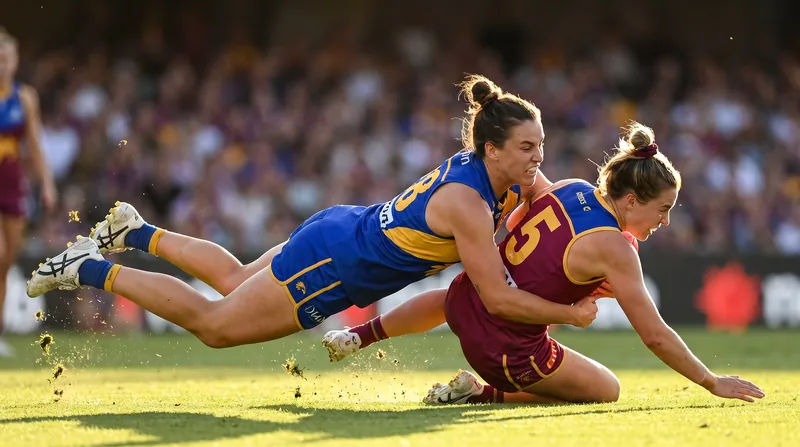
West Coast Eagles Stun Powerhouse Brisbane Lions for First Win of 2026 AFLW Season
6 sources
Preview
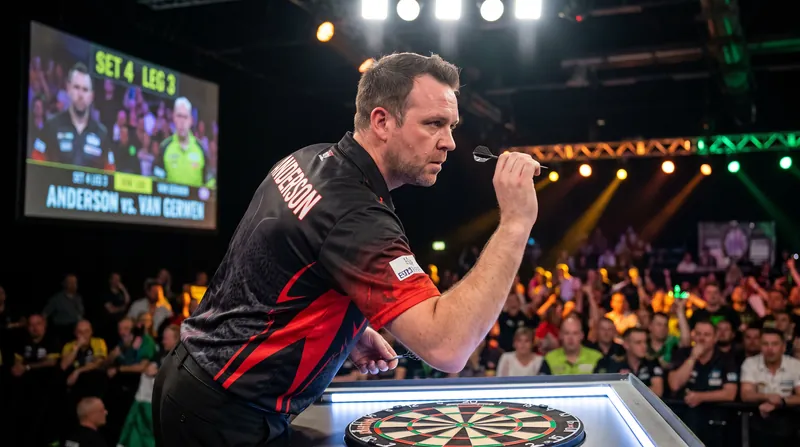
Double-In, Double-Out: The Ultimate Test Returns as the 2026 World Grand Prix Looms
6 sources
Recap
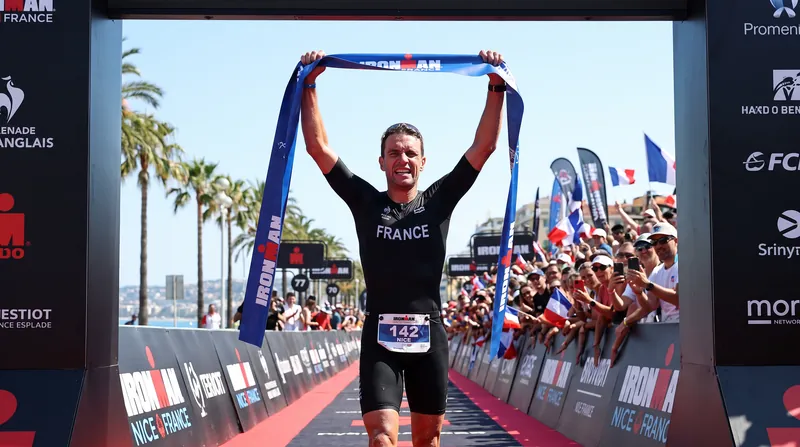
Hayden Wilde and Taylor Knibb Claim IRONMAN 70.3 World Championship Titles in Nice
7 sources
Injury
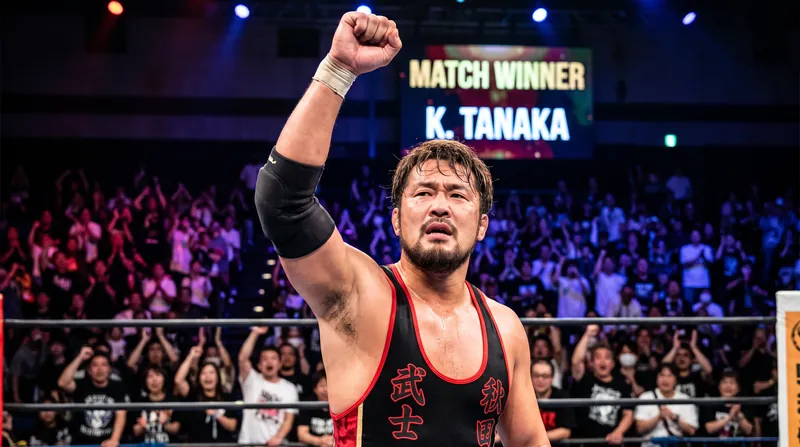
Shota Umino Returns to NJPW Following Severe Concussion and Amnesia Diagnosis
5 sources
Every angle. Every day.
Get Sports stories with full source coverage and perspective breakdowns delivered to your inbox.