
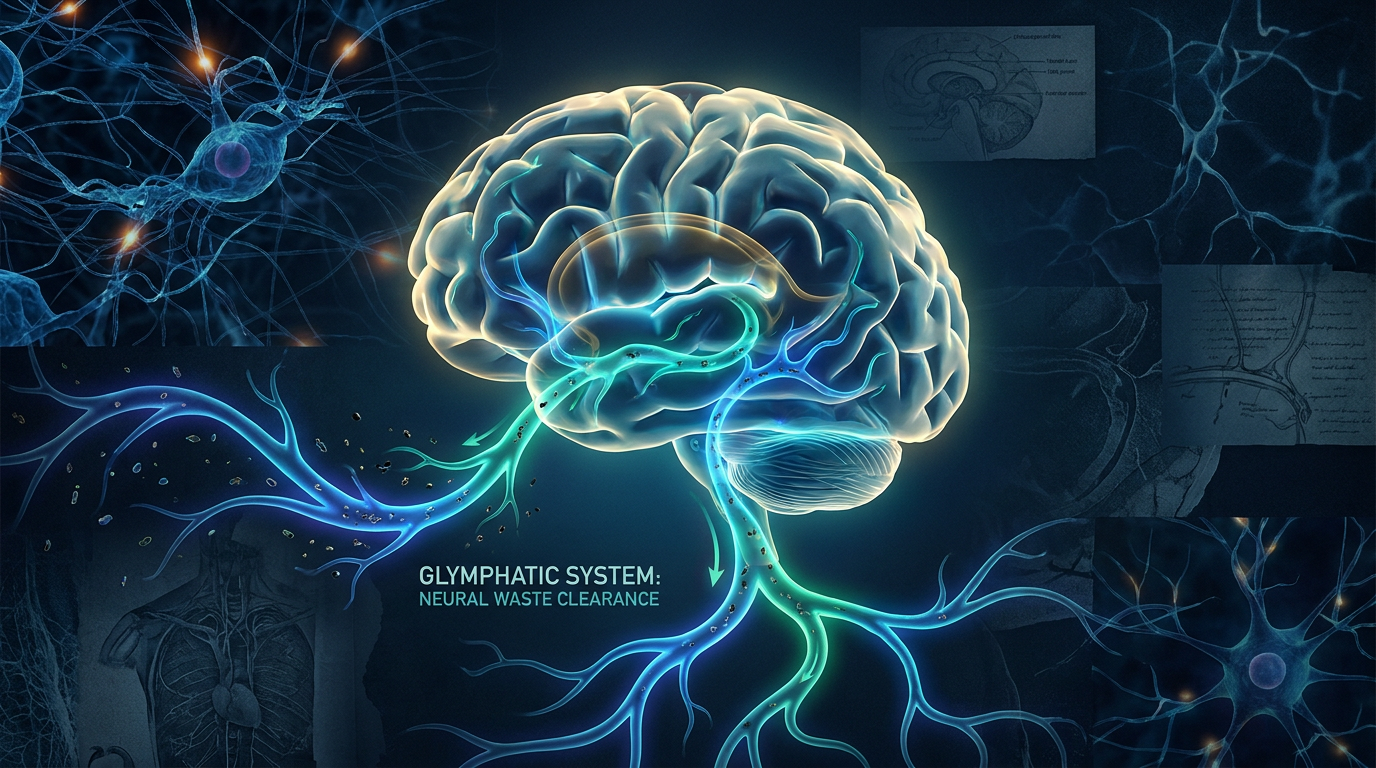
The Brain's Night Shift: How the Glymphatic System Clears Waste During Sleep
Neuroscientists have discovered that the brain utilizes a specialized plumbing network during deep sleep to wash away the toxic proteins associated with Alzheimer's disease.
By Factlen Editorial Team
Neurobiologists 40%Sleep Medicine Clinicians 30%Alzheimer's Researchers 30%
- Neurobiologists
- Focus on the fluid dynamics and cellular mechanisms of brain waste clearance.
- Sleep Medicine Clinicians
- View sleep disorders as a primary, modifiable risk factor for neurodegeneration.
- Alzheimer's Researchers
- Investigate glymphatic dysfunction as an early biomarker and therapeutic target for dementia.
What's not represented
- · Patients currently living with early-stage Alzheimer's disease
- · Developers of consumer sleep-tracking wearables
Why this matters
Understanding how the brain cleans itself transforms sleep from a passive luxury into an active, modifiable defense against cognitive decline and Alzheimer's disease.

More in science
See all 77 stories →Solar Sails
How Solar Sails Harness the Momentum of Light to Navigate Deep Space
6 sources

Stonehenge Origins
Evidence Pack: Neolithic Humans, Not Glaciers, Transported Stonehenge's 6-Ton Altar Stone
8 sources

Planetary Physics
Why Astronomers Are Using 'Earthshine' to Track Climate Change and Hunt for Exoplanets
6 sources

Cellular Imaging
The Laser Phase Plate: A Century-Old Physics Trick Just Unlocked the Human Proteome
5 sources
Stay informed
Every angle. Every day.
Get science stories with full source coverage and perspective breakdowns delivered to your inbox.