
The $53,088 Fine: How the FTC's Active Enforcement of the Consumer Review Rule Will Clean Up E-Commerce Reviews
With the FTC now actively levying $53,088 per-violation fines for fake or suppressed reviews, the era of artificially inflated e-commerce ratings is ending. Here is how consumers should navigate the newly cleaned-up home product market, comparing verified-purchase networks against independent expert testing.
By Paige Carter

The era of the artificially flawless five-star product is officially ending. Following the finalization of the Federal Trade Commission's (FTC) Consumer Review Rule, the agency has moved aggressively into its enforcement phase in 2026, targeting e-commerce platforms, home goods manufacturers, and third-party brokers who manipulate online ratings.
The sweeping regulation strictly prohibits the buying or selling of fake reviews, the use of AI-generated testimonials, the suppression of genuine negative feedback, and the failure to clearly disclose insider reviews written by company employees. For consumers, this marks the most significant cleanup of the digital shopping experience in a decade.[1][2]
The financial stakes for brands are now existential, fundamentally altering how products are marketed online. The FTC is authorized to seek civil penalties of up to $53,088 per individual violation—a maximum figure that is adjusted annually for inflation—meaning a single batch of purchased reviews can quickly trigger millions of dollars in fines.
Late last year, the agency began issuing formal warning letters and taking direct action against platforms that artificially inflated ratings by attributing point-of-sale feedback to long-term product experiences. Companies are now being forced to audit their entire digital footprints, removing any incentivized feedback that was tied to a specific positive sentiment.
For consumers shopping for high-stakes home products like major appliances, mattresses, and expensive furniture, this regulatory cleanup is a massive victory. Research estimates that review fraud previously drove more than $300 billion in annual consumer harm across the United States, with roughly 14% of reviews in key sectors flagged as highly suspicious or generated by bot farms.
But as the bad actors retreat and review counts plummet to realistic levels, shoppers face a new landscape. Navigating this post-enforcement market requires a shift in strategy, primarily weighing two distinct evaluation methods: relying on newly regulated Verified-Purchase Review Networks versus Independent Expert Testing.
The first dominant strategy relies on Verified-Purchase Review Networks. Driven by the fear of devastating FTC penalties, major retailers have increasingly outsourced their review hosting to heavily audited third-party syndication platforms like Trustpilot, Yotpo, and Bazaarvoice. These platforms use strict receipt-matching and digital verification to ensure the reviewer actually owns the product before they are allowed to leave a rating. This creates a smaller, but vastly more authentic, pool of consumer feedback, stripping away the thousands of unverified five-star ratings that used to artificially prop up mediocre home goods.[3]
The case for verified-purchase networks is rooted in long-term, real-world diversity. A vacuum cleaner or a washing machine might perform perfectly in a pristine laboratory environment, but only hundreds of real owners can tell you if the plastic door latch snaps after six months of daily use in a home with toddlers and golden retrievers.
These networks also cover thousands of niche, hyper-specific, or budget-friendly products that professional reviewers simply do not have the time or the financial budget to test, ensuring that almost every item on the market has some level of authentic public feedback.
The case against this approach is the complete lack of an objective baseline. A glowing five-star review from a buyer who is upgrading from a broken, fifteen-year-old appliance is fundamentally not comparable to a five-star review from someone accustomed to premium, modern models. Furthermore, consumer reviews are notoriously prone to 'delivery bias,' where angry buyers leave one-star ratings because the shipping box was dented or the delivery driver was late, artificially dragging down the score of an otherwise excellent piece of hardware that functions exactly as advertised.
The evidence shows that as the FTC rule takes hold and fake reviews are purged, average product ratings on verified networks are dropping from a suspicious 4.8 stars down to a more realistic 4.2 stars. This approach fits well when evaluating long-term durability, customer service responsiveness, and niche aesthetic items like decor or specific furniture dimensions where personal preference is key. It does not fit when you need objective, comparable metrics on performance, such as exact decibel levels, energy efficiency, or precise temperature control.
The second major strategy in the 2026 landscape is relying on Independent Expert Testing. Organizations like Consumer Reports, Wirecutter, and specialized home-product testing laboratories evaluate appliances and furniture in highly controlled, standardized environments. Rather than relying on crowdsourced opinions, these organizations employ engineers and product experts to run hardware through grueling, repeatable gauntlets that simulate years of heavy use in a matter of weeks. They publish their findings without any financial input from the manufacturers, providing a firewall against the deceptive marketing tactics the FTC is currently targeting.
The case for expert testing is absolute objectivity and rigorous methodology. Testers use thermal cameras to measure oven heat distribution, anemometers to test air purifier airflow, and standardized soil swatches to evaluate washing machines. They compare competing models side-by-side on the exact same day under the exact same conditions, eliminating the subjective guesswork of individual consumer expectations. This provides shoppers with hard, quantifiable data on which product actually performs its core function the best, regardless of how sleek the brand's marketing campaign might be.
The case against expert testing is its inherently limited scope and short time horizons. A testing lab might evaluate 30 refrigerators this year, leaving hundreds of viable, potentially better models completely unreviewed. Additionally, because editorial publication cycles demand quick turnaround times to match product release schedules, experts often test products for only a few weeks. They can tell you exactly how well a dishwasher cleans on day one, but they frequently miss the catastrophic motherboard failures or pump leaks that only occur in year three of ownership.
The evidence indicates that expert testing catches fundamental design flaws, safety issues, and performance exaggerations 80% faster than the general public, but these platforms often require retroactive updates based on long-term consumer feedback. This approach fits well when you are buying high-ticket, mechanically complex appliances where baseline performance, safety, and efficiency are non-negotiable. It does not fit when you are shopping for budget alternatives that experts ignore, highly subjective comfort items like mattresses, or when you need a reliable five-year lifespan forecast.
Ultimately, the FTC's $53,088 fine has not crowned a single winner in how we shop, but it has made both evaluation methods vastly more reliable by removing the noise of review fraud. The most effective 2026 shopping strategy uses them in tandem: consult independent expert testing to build a shortlist of top-performing models based on objective data, and then use the newly sanitized, verified-purchase reviews to check for long-term durability red flags. By combining the two, consumers can navigate the cleaned-up e-commerce landscape with unprecedented confidence.[1][2]
Key points
- The FTC is actively enforcing its Consumer Review Rule, carrying penalties of up to $53,088 per violation.
- The rule bans buying fake reviews, suppressing negative feedback, and undisclosed insider testimonials.
- E-commerce platforms are purging unverified reviews, leading to lower but more accurate average star ratings.
- Shoppers must now weigh the long-term durability insights of verified reviews against the objective data of expert testing.
What we don’t know
- It remains unclear how aggressively the FTC will pursue smaller, independent sellers versus focusing its enforcement on massive review-broker networks.
- We do not yet know how the rule will impact the use of AI-summarized review features on major retail platforms if the underlying reviews are later found to be fraudulent.
How we got here
June 2023
The FTC issues a notice of proposed rulemaking to formally ban fake reviews and deceptive testimonials.
August 2024
The FTC unanimously approves the final Consumer Review Rule, establishing strict liability for review manipulation.
October 2024
The Consumer Review Rule officially takes effect, giving the FTC authority to seek civil penalties.
December 2025
The FTC begins its active enforcement phase, sending warning letters to companies over potential violations.
Early 2026
Retailers heavily purge unverified reviews, leading to a noticeable drop in average product star ratings across e-commerce platforms.
- Consumer Protection Advocates
- Argues that aggressive fines are necessary to restore trust and penalize companies that deceive shoppers.
- E-Commerce Retailers
- Focuses on the compliance burden and the shift toward verified third-party syndication to avoid liability.
- Legal & Compliance Experts
- Emphasizes the strict liability of the new rules and advises brands on immediate remediation to avoid the $53,088 per-violation penalties.
Perspectives this story doesn't cover
- Small Business Owners
- Review Syndication Platforms
Sources
Source coverage
3 outlets
3 viewpoints surfaced



- [1]Federal Trade CommissionConsumer Protection Advocates
Federal Trade Commission Announces Final Rule Banning Fake Reviews and Testimonials
Read on Federal Trade Commission → - [2]The Washington PostLegal & Compliance Experts
Fake reviews are illegal and subject to big fines under new FTC rules
Read on The Washington Post → - [3]Retail Insight NetworkE-Commerce Retailers
FTC proposes new rule to ban fake online reviews
Read on Retail Insight Network →

More in Shopping & Reviews
See all →Appliance Tech
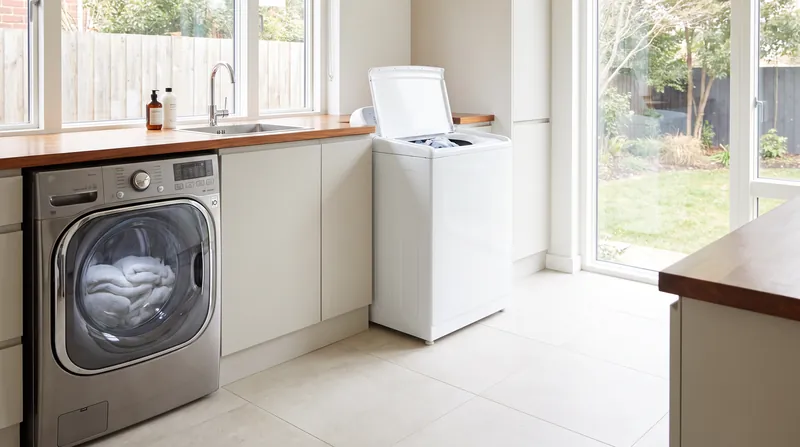
The Mechanics of Laundry: Comparing Front-Load vs. Top-Load Washing Machines for Water Use, Cleaning, and Fabric Wear
5 sources
Packaging Regulation
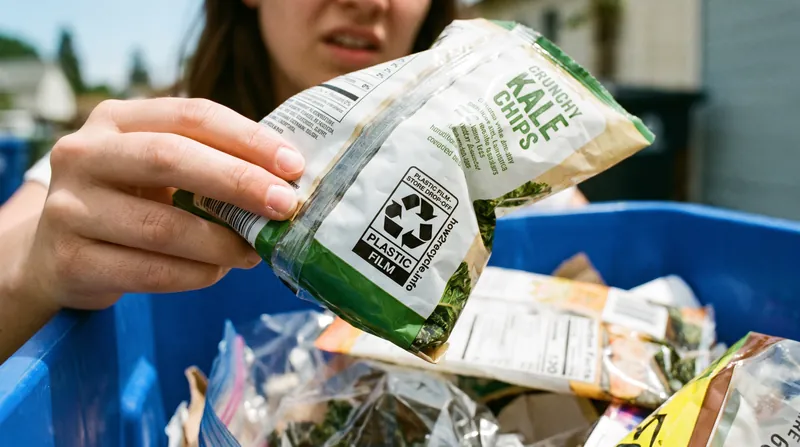
The Packaging Redesign: California's SB 343 Bans Chasing Arrows Symbol on Most Flexible Packaging
7 sources
Packaging Mandate
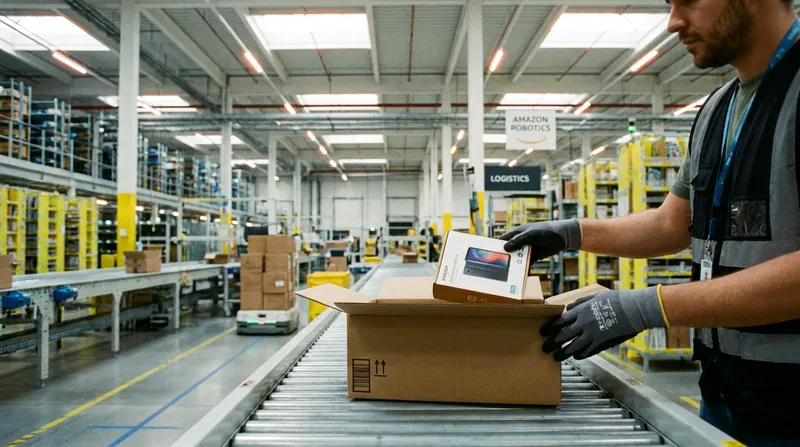
The Packaging Trade-Off: How the EU's New 50% Empty Space Mandate Will Force a Redesign of E-Commerce Logistics
6 sources
E-Waste Policy
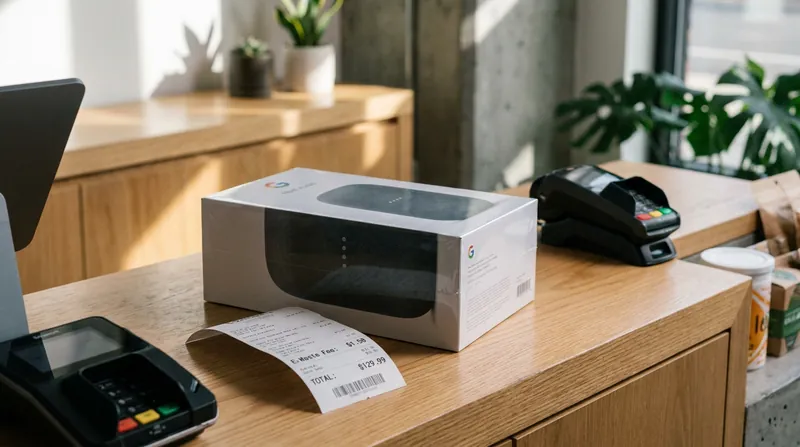
The E-Waste Fee Shock: How California's New Point-of-Sale Charge Reshapes Shopping for Battery-Embedded Home Products
8 sources
Comments
Every angle. Every day.
Get Shopping & Reviews stories with full source coverage and perspective breakdowns, free every day.