
The 2026 Guide to Home Battery Storage: How to Choose the Right System
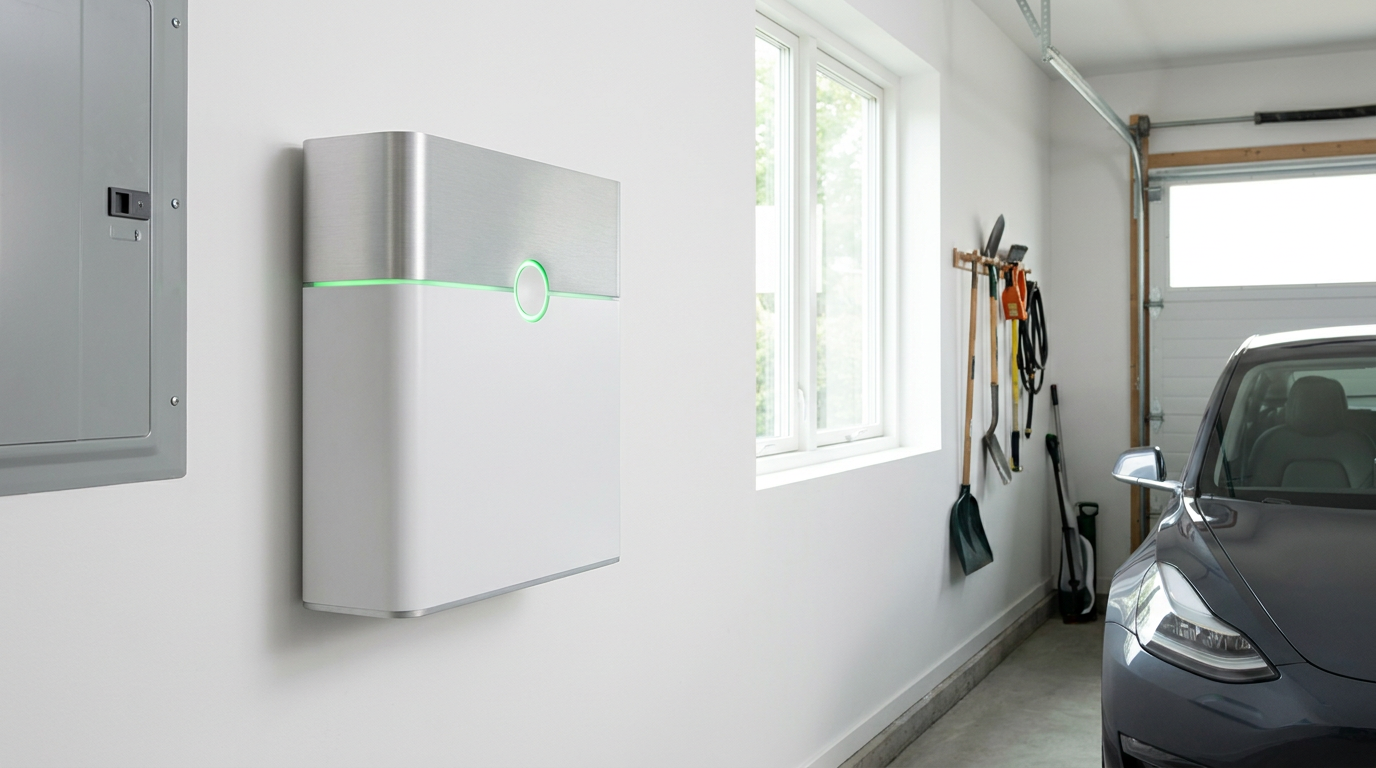
As extreme weather and fluctuating electricity rates drive demand, home battery systems have transitioned from luxury tech to household essentials. This comprehensive guide breaks down the chemistries, metrics, and top brands defining the 2026 energy storage market.
By Factlen Editorial Team
- Resilience Seekers
- Prioritize high peak power and large capacity to keep entire homes running during multi-day grid outages.
- Financial Optimizers
- Focus on software integration, round-trip efficiency, and VPP compatibility to maximize daily arbitrage.
- Eco-Conscious Adopters
- Value LFP chemistry for its lack of conflict minerals and prioritize maximizing self-consumption of rooftop solar.
What's not represented
- · Utility grid operators managing the macro-level impact of decentralized storage
- · Renters who are currently locked out of the home battery market
Why this matters
Investing in a home battery dictates your household's resilience during grid failures and determines your ability to dodge peak utility rates. Choosing the wrong capacity or chemistry can leave you without power when you need it most, while the right system can pay for itself through energy arbitrage.

More in shopping
See all 116 stories →AI Shopping
AI Shopping Agents Take Over the Summer 2026 Deal Season, Automating Consumer Savings
7 sources

TV Tech
OLED vs. Mini-LED: The 2026 TV Buying Guide
6 sources

Portable Power
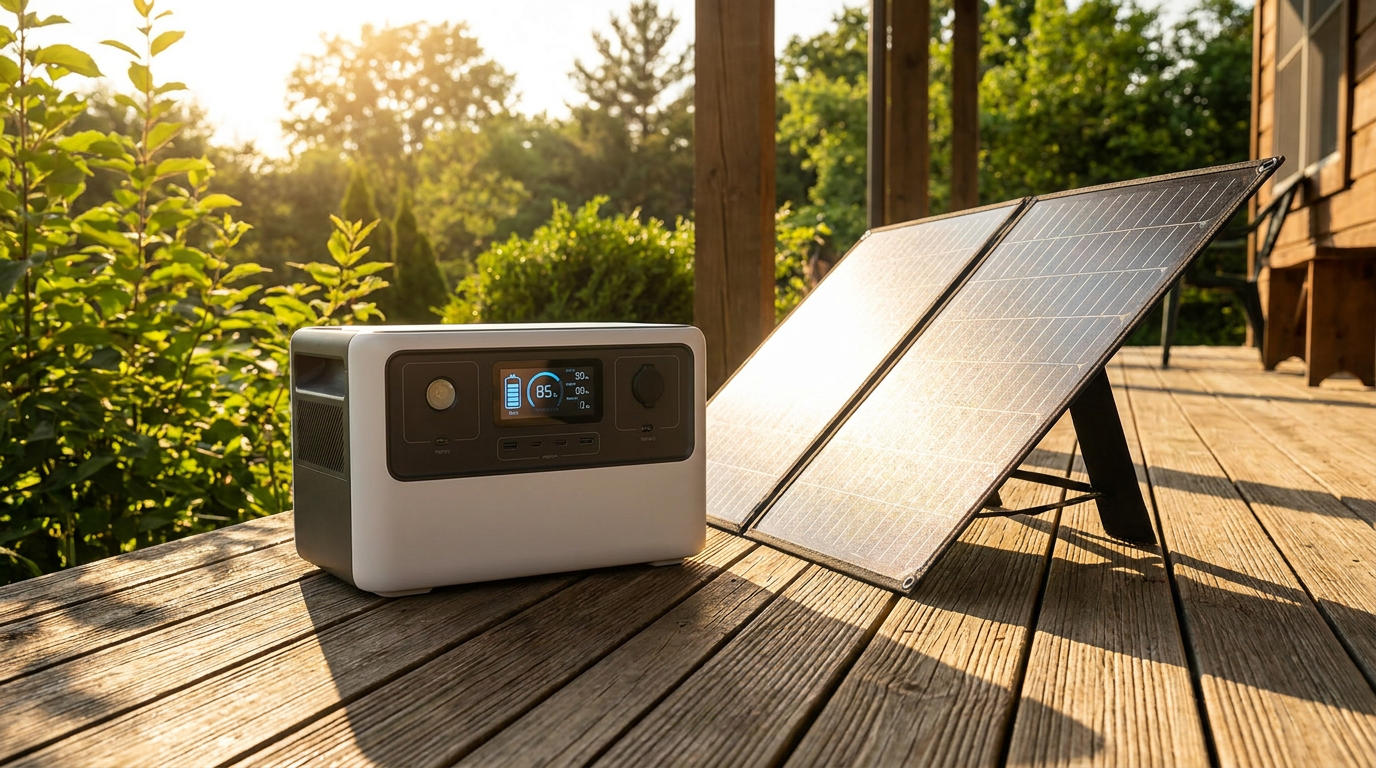
The 2026 Guide to Portable Power Stations: Why Battery Chemistry is Your Biggest Decision
7 sources
Material Science
Plant-Based vs. Traditional Leather: The 2026 Sustainability and Durability Showdown
9 sources

Every angle. Every day.
Get shopping stories with full source coverage and perspective breakdowns delivered to your inbox.