
Qualcomm to Raise Snapdragon Processor Prices by Double Digits, Signaling Higher Smartphone Costs
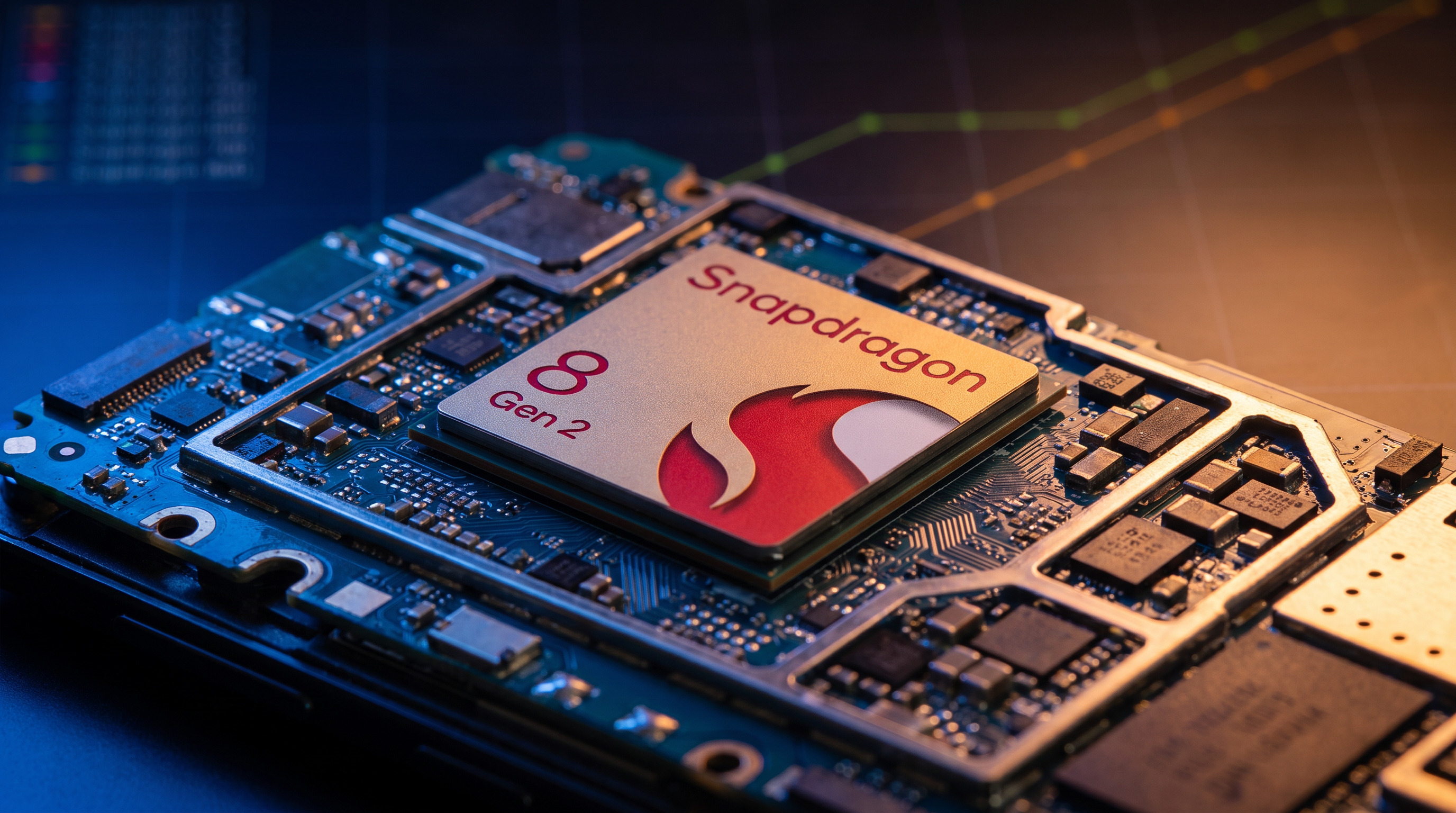
Qualcomm has informed customers of a double-digit percentage price increase for its Snapdragon chips starting September 1, 2026, driven by rising supplier costs and the global AI hardware boom.
By Factlen Editorial Team
- Financial & Market Analysts
- Focuses on the economic drivers behind the hike, including TSMC's capacity and Qualcomm's stock performance.
- Consumer Tech Watchers
- Highlights the direct impact on device buyers and the broader ecosystem of gadgets.
- Android Ecosystem Advocates
- Expresses concern over how the price increase will squeeze Android OEMs and budget-conscious buyers.
What's not represented
- · Independent App Developers
- · E-waste and Sustainability Advocates
Why this matters
The cost of manufacturing the processors that power premium Android phones, Windows laptops, and smart wearables is rising significantly. This supply chain shift means consumers are likely to see higher retail prices for flagship devices launching in 2027.
Key points
- Qualcomm is raising prices for its Snapdragon processors by a double-digit percentage starting September 1, 2026.
- The price hike is driven by rising supplier costs and a global semiconductor bottleneck caused by the AI boom.
- The increase will affect a wide range of devices, including Android flagships, Windows laptops, and smart wearables.
- Qualcomm is reportedly developing a cheaper variant of its current flagship chip to help manufacturers maintain budget-friendly options.
Qualcomm, the engine behind the vast majority of the world's premium Android smartphones, is preparing to raise the cost of its Snapdragon processors by a "double-digit" percentage. In a letter sent to customers, the San Diego-based semiconductor giant announced that the price hikes will take effect for all products shipped after September 1, 2026. The move signals a looming increase in the retail price of consumer electronics, as manufacturers are forced to absorb or pass on the rising cost of their most critical component.[1]
The scope of the price increase extends far beyond traditional smartphones. While Android flagships from Samsung, Xiaomi, and OnePlus are the most obvious targets, Qualcomm's silicon now powers a sprawling ecosystem of devices. The company's processors are the brains inside a growing share of Windows AI laptops, Meta's Ray-Ban smart glasses, premium tablets, foldables, and wearables like the newly launched Galaxy Watch 9. Consequently, the pricing shift represents a broader consumer electronics story rather than an isolated mobile industry adjustment.[2]
The root cause of the price hike traces back to the global supply chain and the insatiable demand for artificial intelligence infrastructure. Qualcomm stated in its letter that it has "exhausted its ability to absorb higher costs from suppliers" and that attempts to secure alternative components have fallen short. The tech industry is currently grappling with a historic supply crunch, driven by a massive surge in AI data center construction that has consumed enormous volumes of memory chips and semiconductor manufacturing capacity.[1]
At the center of this bottleneck is Taiwan Semiconductor Manufacturing Co. (TSMC), the world's top provider of outsourced chipmaking. TSMC manufactures chips for Qualcomm, as well as for major competitors like Apple and Nvidia. Recent reports from Asia suggest that TSMC itself is raising prices by 5% to 10% depending on the chipset and order size. With TSMC operating at maximum capacity to meet AI demands, Qualcomm is passing these elevated foundry costs down the chain to protect its own margins.[1]

The financial impact on upcoming devices is expected to be substantial. Industry reports suggest that Qualcomm's next-generation flagship mobile processor, the anticipated Snapdragon 8 Elite Gen 6 Pro, could cost manufacturers upwards of $300 per unit. For context, the current Snapdragon 8 Elite Gen 5 is priced around $280. A jump of this magnitude places immense pressure on the overall bill of materials for a smartphone, which has already seen industry-wide cost inflation of 10% to 30% over the past year.[2]
The financial impact on upcoming devices is expected to be substantial.
This dynamic places device manufacturers in a difficult position. The smartphone market is highly competitive, and Android OEMs operate on notoriously thin margins. If a company's processor and memory costs spike simultaneously—a phenomenon industry insiders have dubbed "RAMageddon"—manufacturers must choose between raising the retail price of their flagship phones, cutting corners on other components like cameras and displays, or accepting a lower profit margin.

However, Qualcomm appears to be engineering a compromise for the mid-tier market. Recent supply chain leaks indicate that the company is developing a fourth, more affordable variant of its current Snapdragon 8 Elite Gen 5 chipset. Codenamed SM8850-1-AB, this processor is reportedly designed to deliver near-flagship benchmark performance while keeping costs low enough to power phones priced under $600.
This strategy of keeping a refreshed, last-generation chip in active circulation could provide a crucial relief valve for phone makers. Because modern processors already offer more performance than the average consumer utilizes for daily tasks, a slightly older but highly capable chip allows manufacturers to maintain accessible price points without sacrificing the core user experience.

Wall Street has reacted positively to Qualcomm's pricing power. Following the news of the impending price hikes, the company's stock ticked upward, signaling that investors anticipate a revenue boost from the adjusted margins. During a recent investor day, Qualcomm also highlighted its strategic pivot toward AI, automotive, and data center markets, aiming for $40 billion in non-handset revenue by fiscal 2029.[1]
For consumers, the timeline of the impact will depend on when manufacturers locked in their chip orders. Devices launching in the final quarter of 2026 may largely escape the hike if their components were secured prior to the September 1 cutoff. However, the flagship smartphones and laptops slated for release in 2027 are expected to bear the full brunt of the new pricing structure, making the next upgrade cycle noticeably more expensive.[2]
How we got here
May 2026
Industry reports suggest Qualcomm's next flagship processor could cost upwards of $300.
July 23, 2026
Leaks indicate Qualcomm is preparing a cheaper variant of the Snapdragon 8 Elite Gen 5 to help manufacturers control costs.
July 24, 2026
Qualcomm sends a letter to customers announcing a double-digit percentage price increase.
Sept 1, 2026
The new pricing structure goes into effect for all shipped products.
Viewpoints in depth
Semiconductor Manufacturers
Chipmakers argue that price hikes are a necessary response to constrained capacity and soaring raw material costs.
Companies like Qualcomm and TSMC are operating at the center of a historic supply crunch. The explosive growth of artificial intelligence has redirected massive amounts of manufacturing capacity toward data center infrastructure. Consequently, the cost of producing consumer-grade silicon has risen, forcing chip designers to pass these expenses down the supply chain to maintain their operational margins and fund future research.
Device Manufacturers
Hardware brands face the difficult task of balancing rising component costs against consumer price sensitivity.
For Android OEMs, the processor is often the single most expensive component in a smartphone's bill of materials. When chip prices rise by double digits, these companies must make uncomfortable compromises. They can either raise the final retail price of the device—risking a drop in sales volume—or absorb the cost by cutting back on other features, such as camera sensors or premium build materials, to protect their already thin profit margins.
Industry Analysts
Market observers view the price hikes as an inevitable symptom of the broader AI hardware boom.
Financial and technology analysts point out that the current semiconductor bottleneck is unlikely to resolve quickly. With major foundries prioritizing high-margin AI accelerators, the supply of standard mobile and PC processors will remain tight. Analysts project that this 'RAMageddon' and general component inflation will persist into 2028, meaning the era of cheap, high-performance consumer electronics may be temporarily suspended.
What we don't know
- The exact percentage of the price increase, as Qualcomm only specified it would be in the 'double digits'.
- Whether major Android manufacturers like Samsung and Xiaomi will absorb the cost or pass it entirely to consumers.
- How the price hike will affect the release timelines of mid-range devices planned for early 2027.
Key terms
- System-on-a-Chip (SoC)
- An integrated circuit that combines all or most components of a computer, such as the CPU, GPU, and memory, onto a single chip.
- TSMC
- Taiwan Semiconductor Manufacturing Company, the world's largest independent semiconductor foundry that manufactures chips for companies like Qualcomm and Apple.
- Bill of Materials (BOM)
- The comprehensive list of raw materials, components, and assemblies required to construct a product like a smartphone.
- Foundry
- A specialized factory where semiconductor devices and microchips are manufactured.
Frequently asked
When will the price increase take effect?
Qualcomm's price hike applies to all chip orders shipped after September 1, 2026.
Which devices will be affected by this change?
The increase will impact upcoming Android flagship phones, Windows AI laptops, smart glasses, and wearables that rely on Snapdragon processors.
Why is Qualcomm raising its prices now?
The company cited rising costs from its own suppliers, largely driven by a global semiconductor bottleneck caused by the massive surge in AI data center construction.
Will budget smartphones also get more expensive?
Qualcomm is reportedly developing a lower-cost variant of its current flagship chip to help manufacturers keep mid-range and budget phones affordable.
Sources
Source coverage
2 outlets
3 viewpoints surfaced


[1]LiveMintFinancial & Market Analysts
Qualcomm plans to hike smartphone processor prices by double digits — Who will be impacted?
Read on LiveMint →[2]CybernewsConsumer Tech Watchers
Buying a new Android phone? Qualcomm's price hike could make it more expensive
Read on Cybernews →


Every angle. Every day.
Get technology stories with full source coverage and perspective breakdowns delivered to your inbox.