
Paul Lawrie Completes Triumphant Return to Golf Following Groundbreaking 'Internal Brace' Ankle Surgery
The 1999 Open Champion has successfully returned to competitive golf after undergoing a customized internal bracing procedure on his ankle, highlighting a medical breakthrough that is drastically reducing recovery times and extending the careers of senior athletes.
By Factlen Editorial Team

- Sports Orthopedic Surgeons
- Advocates for the mechanical stability and reduced failure rates of synthetic bracing.
- Golf Rehabilitation Specialists
- Therapists utilizing the technology to accelerate early weight-bearing and physical therapy.
- Senior Professional Golfers
- Aging athletes using the procedure to avoid retirement and extend their playing careers.
What's not represented
- · Insurance Providers assessing the cost-benefit analysis of covering advanced synthetic bracing over traditional methods for non-professional patients.
Why this matters
For aging athletes and weekend golfers alike, the shift from traditional ligament reconstruction to internal bracing means career-threatening joint injuries can now be repaired with a fraction of the recovery time. It transforms a potential forced retirement into a manageable mid-season rehab.
Key points
- Paul Lawrie has successfully returned to the Legends Tour following a severe ankle injury.
- The 1999 Open Champion underwent a customized 'Internal Bracing' procedure to repair his ligaments.
- The technology uses high-strength synthetic tape to provide immediate mechanical stability to the joint.
- Internal bracing drastically reduces recovery time by allowing for early weight-bearing and rehabilitation.
- Lawrie is presenting his recovery as an athlete case study at the International Sports Surgery Conference in Glasgow.
Paul Lawrie's return to the tee box this summer marks significantly more than just a personal athletic comeback; it represents a landmark medical milestone for senior athletes everywhere. The 1999 Open Champion has successfully resumed competitive golf on the Legends Tour following a severe, debilitating ankle injury that threatened to permanently force his retirement from the sport. For a player in his mid-fifties, joint injuries of this magnitude are historically career-ending, but Lawrie's successful rehabilitation is showcasing how rapid advancements in orthopedic surgery are rewriting the rules of athletic longevity.[1][2]
For several years, Lawrie had been battling chronic ankle instability and sharp pain that made walking a full 18-hole tournament course nearly impossible. The rotational forces of the modern golf swing are notoriously punishing on the lower body, requiring the lead ankle to absorb immense torque while posting up and bearing the golfer's entire body weight. Over decades of professional play, this repetitive high-impact motion had taken a severe toll on his lateral ligaments, leaving the joint structurally compromised and unable to support the explosive mechanics required for elite-level competition.[2][5]
In previous decades, diagnosing severe ligament damage in a professional athlete in their mid-fifties almost certainly meant total surgical reconstruction or even a career-ending joint fusion. Those traditional orthopedic procedures carry a grueling and highly restrictive recovery timeline of up to a full year, with absolutely no guarantee of the patient ever returning to elite professional sport. The prolonged immobilization required for traditional grafts to heal often leads to severe muscle atrophy, making the subsequent physical therapy mountain too steep for many older athletes to successfully climb.[3][6]
Instead of accepting the end of his playing days and resigning to a life of limited mobility, Lawrie opted for a highly customized "Internal Bracing" surgical approach. This cutting-edge orthopedic procedure uses a high-strength, ultra-high-molecular-weight polyethylene (UHMWPE) suture tape—frequently referred to in the medical field as FiberTape—to directly supplement and reinforce the damaged native ligament. Rather than completely replacing the body's natural tissues, the synthetic tape acts as an internal seatbelt, anchoring the joint and providing immediate structural integrity while the body's natural healing processes take place.[1][3]

The core advantage of this technology lies in how it bypasses the most vulnerable phases of post-operative recovery. Unlike traditional tendon grafts that require months of biological healing—a delicate process known as ligamentization—before they can safely bear weight, the internal brace acts like a biological rebar. It provides immediate mechanical support to the joint the moment the surgery is completed, allowing the repaired ligament to heal safely in the background while remaining fully protected from excessive stretching, stress, or catastrophic early failure.[3][4]
The immediate structural stability provided by the synthetic brace fundamentally changes the entire rehabilitation timeline for the athlete. Because the joint is mechanically secured from day one, physical therapists can initiate early weight-bearing and active range-of-motion exercises almost immediately after the operation. This proactive approach prevents the severe muscle atrophy and joint stiffness that usually plagues post-operative athletes, keeping the surrounding musculature engaged and significantly accelerating the neuromuscular recovery required to return to high-level athletic performance.[4][5]
Lawrie's remarkable recovery was carefully guided by the renowned Anstruther-based sports physiotherapist Stuart Barton, who has a long and successful history of rescuing the careers of elite Scottish golfers. Barton's specialized rehabilitation protocol focused heavily on early proprioception training, balance restoration, and gradually reintroducing the specific rotational loads of the golf swing. By tailoring the physical therapy directly to the biomechanical demands of the sport, the medical team ensured that Lawrie was not just healing, but actively preparing his body for the unique stresses of tournament play.[1][2]
Because the internal brace securely protected the healing tissues from day one, Lawrie was remarkably able to begin chipping and putting practice within a matter of weeks rather than waiting several months. This accelerated timeline is absolutely crucial for older athletes, whose biological tissues naturally heal at a slower rate and who simply cannot afford to lose a full year of competitive conditioning. Maintaining that vital hand-eye coordination and short-game touch allowed Lawrie to keep his golfing instincts sharp even while his lower body was still completing its structural recovery.[5][6]

The resounding success of Lawrie's surgical procedure and subsequent rehabilitation is now serving as a highly visible blueprint for the global sports medicine community. This July, Lawrie is personally presenting his athlete case study at the prestigious International Sports Surgery and Medicine Conference in Glasgow, detailing his triumphant return to competition. He is appearing alongside leading foot and ankle surgeon Dr. Anish Kadakia, providing a rare opportunity for the medical community to hear directly from an elite athlete who has successfully navigated this cutting-edge intervention.[1][7]
The resounding success of Lawrie's surgical procedure and subsequent rehabilitation is now serving as a highly visible blueprint for the global sports medicine community.
The dedicated Glasgow conference session, appropriately titled "Customised Surgery and Overuse Injuries in Golf," highlights exactly how these orthopedic innovations are actively extending athletic lifespans across the globe. During the same session, Dr. Markus Regauer is also presenting groundbreaking research on customized internally braced prostheses for total joint replacements, underscoring the rapid and exciting advancement in the field of sports orthopedics. The gathering of these medical minds signifies a major paradigm shift in how doctors approach career-threatening injuries in aging athletic populations.[1]
While revolutionary, this specific technology is not entirely unprecedented in the world of professional golf, though its successful application to senior players is expanding rapidly. The internal brace concept first gained massive mainstream attention when superstar Brooks Koepka utilized the technology to recover from a severely dislocated kneecap. Astonishingly, the internal bracing allowed Koepka to return to the course in just three weeks, enabling him to actively compete in the 2021 Masters tournament when traditional surgery would have sidelined him for the entire major season.[7]
The complex biomechanics of the modern golf swing make the lower body, and specifically the ankle, uniquely vulnerable to chronic overuse injuries. The explosive downswing forces the lead foot to roll outward into inversion while simultaneously bearing the golfer's full, shifting body weight, a violent motion that repeatedly strains the lateral ligaments over thousands of swings. Protecting this specific joint while maintaining its necessary range of motion is one of the greatest challenges in golf-specific sports medicine and physical therapy.[5][6]

By utilizing the internal brace technology, orthopedic surgeons can successfully restore that vital, rock-solid stability without inadvertently sacrificing the delicate micro-movements and flexibility needed for a fluid, powerful golf swing. It is a highly delicate biomechanical balance that traditional, stiffer joint reconstructions or fusions often struggle to achieve, frequently leaving the golfer with a rigid joint that forces them to permanently alter their swing mechanics and risk secondary injuries to their knees or lower back.[3][4]
As orthopedic surgeons increasingly adopt internal bracing techniques for ankles, knees, and elbows across the sporting landscape, the dreaded diagnosis of a "season-ending injury" is being completely redefined. For recreational weekend players suffering from chronic sprains or painful joint degeneration, the trickle-down effect of this elite medical technology offers a highly accessible pathway back to the fairway that was previously considered medically impossible or prohibitively difficult.[3][7]
Paul Lawrie's inspiring presence on the tournament course this season is a powerful testament to his personal resilience and unwavering dedication to his rehabilitation. But perhaps more importantly, his successful comeback serves as a bright beacon of hope for aging golfers everywhere, definitively proving that with the right application of modern medical technology, the back nine of a playing career can be extended indefinitely, free from the chronic pain that once forced legends to prematurely walk away from the game.[2][7]
How we got here
1999
Paul Lawrie wins The Open Championship at Carnoustie.
2021
Brooks Koepka famously uses internal bracing to return to the Masters three weeks after a knee injury.
Early 2026
Lawrie undergoes customized internal brace surgery to address chronic ankle instability.
July 2026
Lawrie successfully returns to competitive golf and presents his case study at the Glasgow sports medicine conference.
Viewpoints in depth
Sports Orthopedic Surgeons
Medical professionals advocating for the mechanical advantages of internal bracing.
Orthopedic surgeons highlight that traditional ligament reconstructions rely entirely on biological healing, leaving the graft vulnerable to stretching or failure during the early months. By adding an internal brace made of ultra-high-molecular-weight polyethylene, surgeons provide immediate mechanical stability. This 'seatbelt' protects the healing tissue from excessive stress, drastically lowering the rate of re-injury and allowing for a much more aggressive rehabilitation protocol.
Golf Rehabilitation Specialists
Physiotherapists focused on the accelerated recovery timelines enabled by the technology.
For sports physiotherapists, the internal brace is a game-changer because it eliminates the mandatory immobilization periods that cause severe muscle atrophy. Therapists can initiate early weight-bearing, proprioception training, and range-of-motion exercises within days of surgery. In golf, this means players can begin practicing their putting and chipping mechanics almost immediately, preserving their neuromuscular pathways and significantly shortening the runway back to full 18-hole rounds.
Senior Professional Golfers
Aging athletes seeking to extend their competitive careers without career-ending fusions.
For golfers on the Legends Tour or PGA Tour Champions, a severe joint injury traditionally signaled the end of a career, as older bodies cannot easily endure the year-long recovery of a full reconstruction. The internal brace offers a lifeline, allowing senior players to repair chronic joint degeneration quickly. By bypassing the longest phases of biological healing, these athletes can return to the course before losing their competitive conditioning, effectively extending their professional lifespans.
What we don't know
- How the internal brace will hold up to the repetitive torque of a full professional golf season over multiple years.
- Whether the technology will eventually entirely replace traditional ligament reconstructions for younger athletes.
Key terms
- Internal Bracing
- A surgical technique that uses high-strength synthetic tape to supplement and protect a healing ligament, providing immediate joint stability.
- FiberTape
- An ultra-high-molecular-weight polyethylene suture tape used as the mechanical 'seatbelt' in internal brace procedures.
- Ligamentization
- The months-long biological process where a grafted tendon transforms into a functioning ligament after traditional reconstruction surgery.
- Proprioception
- The body's ability to sense its movement and position in space, a critical focus of early sports rehabilitation.
Frequently asked
What is an internal brace in sports surgery?
It is a surgical procedure that uses a strong synthetic tape to reinforce a repaired ligament, acting like an internal seatbelt to protect the joint while it heals.
Why is internal bracing better than traditional surgery?
Traditional reconstructions require months of immobilization for the tissue to heal, whereas an internal brace provides immediate stability, allowing athletes to begin rehab and return to sport much faster.
Who else in golf has used this technology?
The procedure is becoming common in elite sports; golfer Brooks Koepka notably used an internal brace to recover from a dislocated kneecap prior to the 2021 Masters.
Sources
Source coverage
7 outlets
3 viewpoints surfaced






[1]Royal College of Physicians and Surgeons of GlasgowSenior Professional Golfers
International Sports Surgery and Medicine Conference: Glasgow 2026
Read on Royal College of Physicians and Surgeons of Glasgow →[2]Stuart Barton PhysiotherapySenior Professional Golfers
Paul Lawrie finally sees some light at the end of the injury tunnel
Read on Stuart Barton Physiotherapy →[3]OrthoSportSports Orthopedic Surgeons
Understanding FiberTape Internal Brace Technology in Ligament Reconstruction
Read on OrthoSport →[4]Ohio State University Sports MedicineGolf Rehabilitation Specialists
Rehabilitation Following Internal Brace Surgery
Read on Ohio State University Sports Medicine →[5]Spear PhysiotherapyGolf Rehabilitation Specialists
Rehabilitation for Foot and Ankle Pain in Athletes
Read on Spear Physiotherapy →[6]Dr. Hunter OrthopaedicsGolf Rehabilitation Specialists
When Can You Return to Golf After Joint Surgery?
Read on Dr. Hunter Orthopaedics →[7]Factlen Editorial TeamSports Orthopedic Surgeons
Synthesis by Factlen editorial team
Read on Factlen Editorial Team →
More in sports
See all 14 stories →WTT Champions
Miwa Harimoto Becomes Youngest-Ever WTT Champions Winner With Seven-Game Thriller in Chongqing
7 sources
F1 Driver Market
Red Bull Secures Hadjar Amid Escalating Uncertainty Over Max Verstappen's Future
8 sources
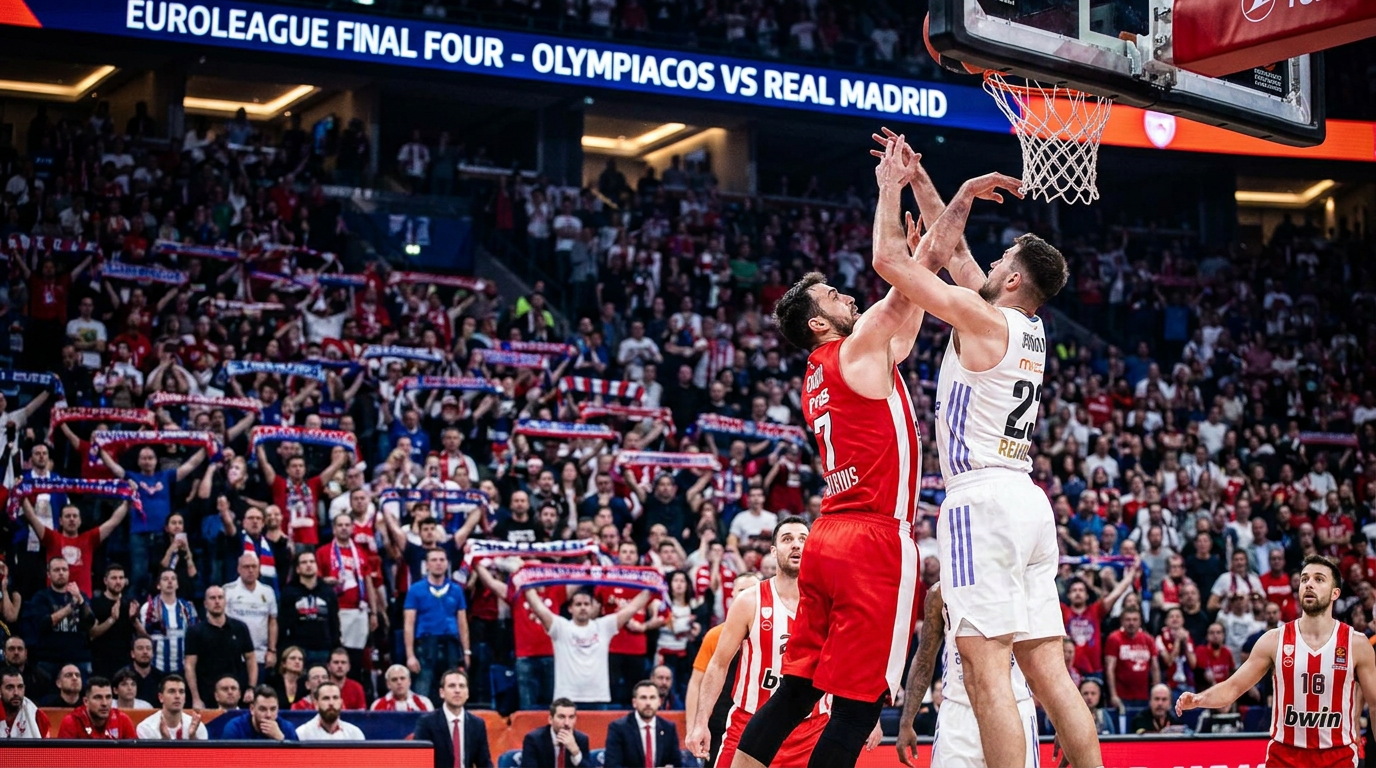
Global Hoops
EuroLeague Undergoes 'Massive Paradigm Shift' as High-Profile NBA Players Flood European Market
3 sources
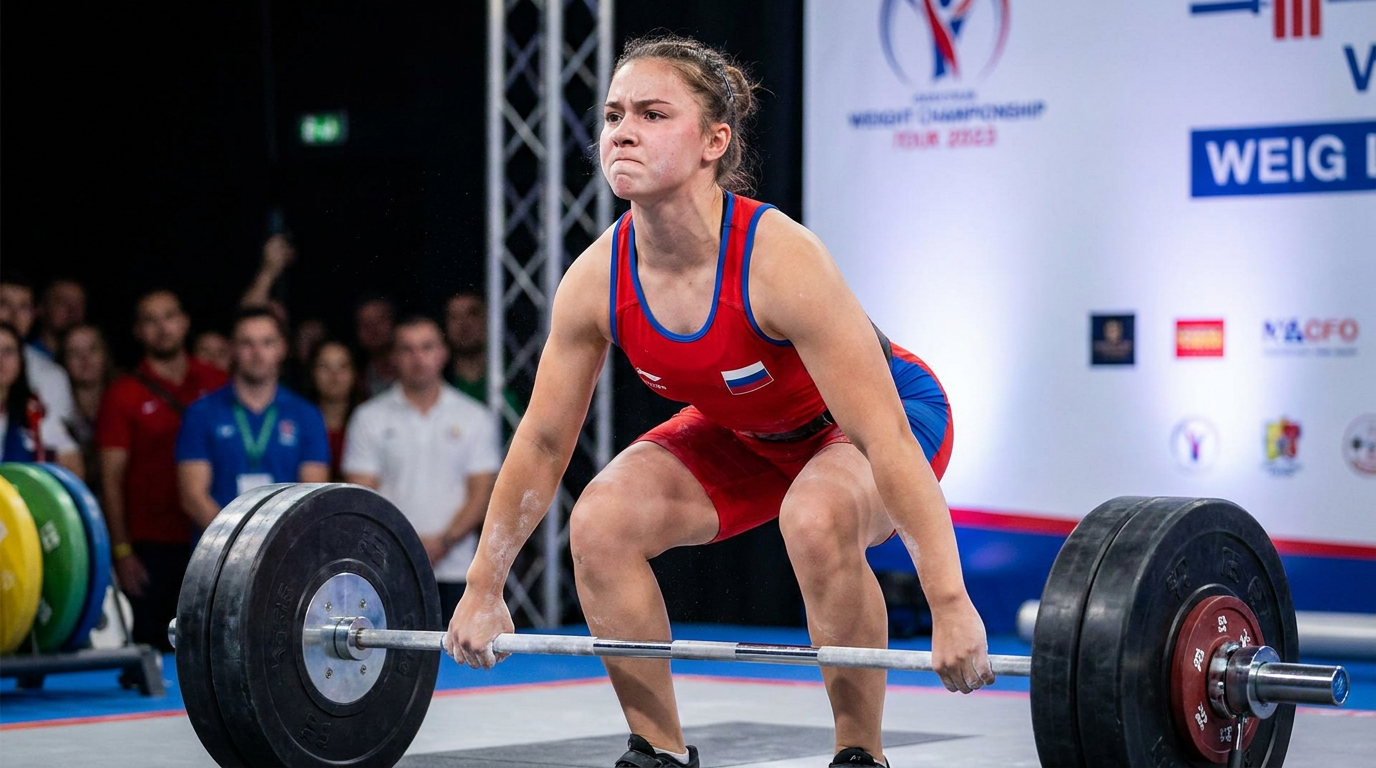
Youth Weightlifting
13-Year-Old Phenom Rory van Ulft Shatters Two World Records on International Debut at IWF Youth Championships
3 sources
Every angle. Every day.
Get sports stories with full source coverage and perspective breakdowns delivered to your inbox.