
OPEC+ Approves Fifth Consecutive Oil Production Increase as Strait of Hormuz Reopens
The OPEC+ alliance will raise its collective oil production target by 188,000 barrels per day in August, as easing Middle East tensions allow Gulf exports to resume.
By Factlen Editorial Team
- OPEC+ Core Leadership
- Prioritizes a gradual, phased unwinding of production cuts to maintain market stability and prevent a sudden price collapse.
- Market Analysts
- Warns that the sudden release of stored oil, combined with weakening Chinese demand, could quickly lead to a global oversupply.
- Expansion-Seeking Members
- Argues for higher individual production quotas to compensate for severe revenue losses incurred during the wartime export blockade.
What's not represented
- · Environmental organizations advocating for an accelerated transition away from fossil fuels.
- · Heavy industry consumers in importing nations reacting to the stabilized energy costs.
Why this matters
The resumption of Gulf oil exports and the unwinding of OPEC+ production cuts are rapidly driving down global energy costs, providing relief to consumers but raising the risk of a market oversupply.
Key points
- OPEC+ will increase collective oil production by 188,000 barrels per day in August.
- The move marks the fifth consecutive month of authorized quota increases.
- Oil shipments through the Strait of Hormuz have surpassed 10 million barrels per day following a U.S.-brokered ceasefire.
- Brent crude prices have fallen to approximately $72 per barrel, erasing the conflict's risk premium.
- Analysts warn of a potential market oversupply as stranded tankers clear backlogs and Chinese demand weakens.
- Iraq is pushing the alliance for higher individual quotas to recover wartime financial losses.
On Sunday, the core members of the OPEC+ alliance agreed to raise their collective oil production targets by 188,000 barrels per day for August. The decision, finalized during a virtual meeting led by Saudi Arabia and Russia, marks the fifth consecutive month the group has authorized an output increase. The move signals a cautious optimism among major oil producers that the global energy market is stabilizing after months of severe disruption.[1][3]
The August adjustment is part of a broader, phased strategy to unwind the 1.65 million barrels per day of voluntary production cuts that the alliance implemented in 2023. By gradually reintroducing supply, the seven nations currently managing the group's monthly policy—Saudi Arabia, Russia, Iraq, Kuwait, Kazakhstan, Algeria, and Oman—aim to balance market prices without triggering a sudden glut. If the group maintains this pace, the remaining 2023 cuts could be fully reversed by late September.[2][4]
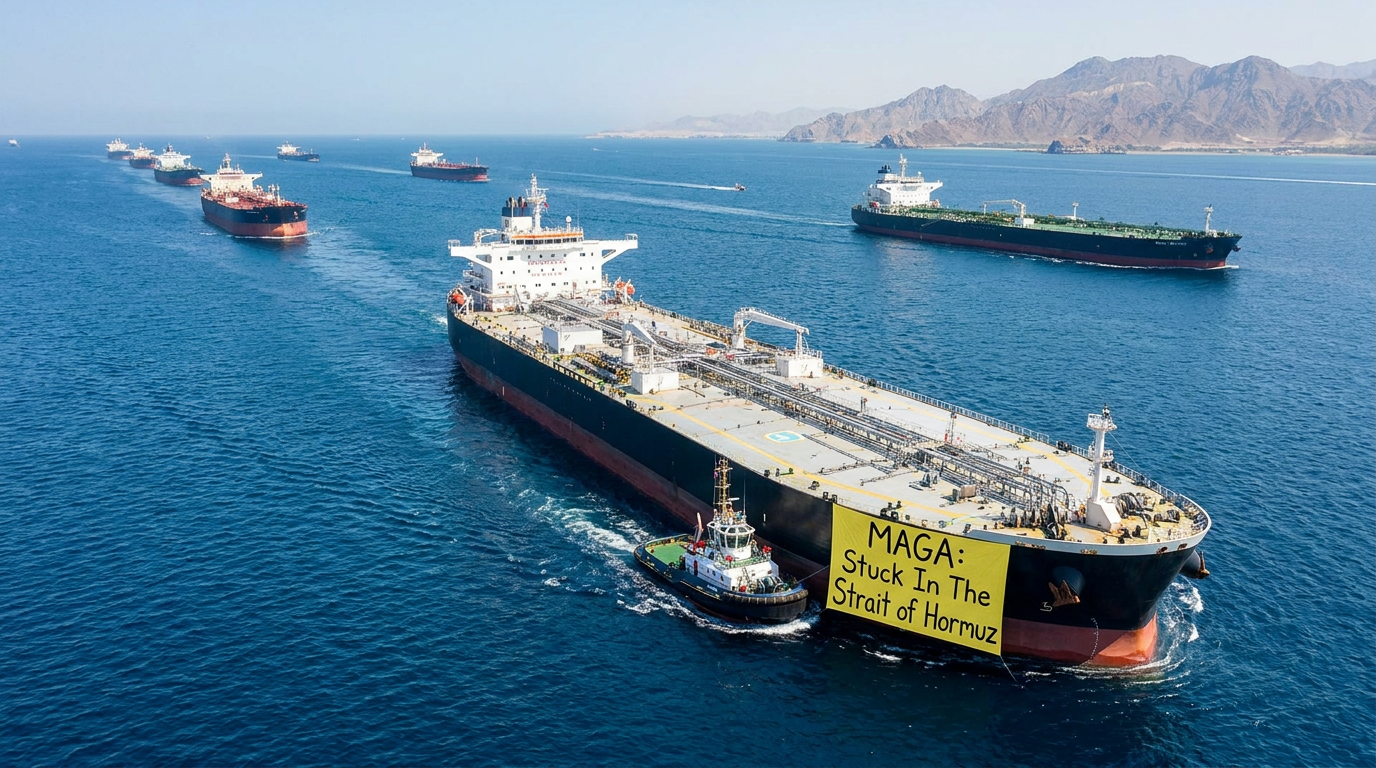
However, the recent string of quota increases has largely been a theoretical exercise until now. For months, the U.S.-Israeli war with Iran effectively paralyzed the Strait of Hormuz, a critical maritime chokepoint through which roughly one-fifth of global oil consumption passes. With the waterway blocked to commercial tanker traffic, Gulf producers were physically unable to export their crude, rendering the authorized production hikes moot.[5][7]

The scale of the disruption was historic. According to OPEC data, combined oil production from Saudi Arabia, Iraq, and Kuwait plummeted by approximately six million barrels per day between the first quarter of 2026 and May. Iraq alone saw its daily output collapse from over four million barrels to less than two million. The blockade forced producers to shut in wells and stockpile crude in onshore storage facilities and stranded tankers.[1][5]
The dynamic shifted dramatically on June 17, when Washington and Tehran signed a U.S.-brokered memorandum of understanding. The interim agreement established a ceasefire and committed both sides to removing obstacles to maritime traffic in the Strait of Hormuz while comprehensive peace negotiations continue. The diplomatic breakthrough immediately altered the physical realities of the global oil trade.[1][7]
Evidence of the recovery is now visible on the water. Since the agreement, commercial shipping has surged with American military support, and oil flows through the Strait of Hormuz have accelerated dramatically. According to U.S. officials, daily oil shipments through the waterway have already surpassed 10 million barrels. Saudi Arabia alone has shipped 34 million barrels through the strait since the deal was signed, more than doubling its export volume from the preceding three months.[1][5]
The resumption of Gulf exports has rapidly deflated the geopolitical risk premium that had inflated energy costs during the conflict. Brent crude, the international benchmark, has retreated to approximately $72 per barrel—down sharply from the highs above $120 seen at the peak of the regional hostilities. The price drop brings crude broadly back to levels recorded before the military strikes began in late February.[2][6]

The resumption of Gulf exports has rapidly deflated the geopolitical risk premium that had inflated energy costs during the conflict.
While consumers are seeing relief at the pump, the sudden influx of delayed supply is creating new anxieties within the energy sector. Investment banks, including Goldman Sachs and Morgan Stanley, have warned of a potential market oversupply. They note that much of the oil currently leaving the Gulf was already pumped and stored during the blockade; as these stranded tankers clear their backlogs and fresh production ramps up, the market could quickly pivot from a shortage to a surplus.[5]
Compounding the oversupply risk is a softening demand picture. The resumption of Middle Eastern exports arrives just as global oil markets face weakening consumption, particularly from China. The world's largest oil importer has slashed its crude purchases amid domestic economic headwinds. In response, the Organization of the Petroleum Exporting Countries recently lowered its global demand outlook for 2026 for the second consecutive time, cutting its growth estimate to 970,000 barrels per day.[4][6]
The shifting supply-demand balance is testing the internal cohesion of OPEC+. The alliance is already navigating a transformed landscape following the departure of the United Arab Emirates. The UAE, a major producer, formally exited OPEC and the wider OPEC+ alliance on May 1 after nearly six decades of membership, citing disagreements over its production baseline and a desire to maximize its own output capacity.[3][5]
The UAE's exit has placed a heavier burden on the remaining core members to manage global supply, even as internal pressures mount. Iraq, in particular, has become a vocal challenger within the bloc. The Iraqi Oil Ministry has formally requested that the cartel raise its production quotas to help the country make up for the severe financial shortfalls it incurred during the war.[1][6]

For now, the alliance is maintaining its incremental approach. Under the August allocation, Saudi Arabia and Russia will each increase output by 62,000 barrels per day, while Iraq is permitted to add 26,000 barrels. Smaller increases were granted to Kuwait, Kazakhstan, Algeria, and Oman. The group has emphasized that these adjustments remain flexible and can be paused or reversed if market conditions deteriorate.[4]
The ultimate success of the August production increase hinges on the fragility of the Middle East peace process. While the June 17 memorandum of understanding has allowed traffic to flow, it is an interim measure, not a permanent treaty. Any breakdown in the ongoing negotiations between the U.S. and Iran could instantly close the Strait of Hormuz again, stranding the newly authorized barrels.[4][5]

Market analysts caution that restarting shut-in oil production is a complex, gradual process. Wells that were capped during the conflict cannot be instantly returned to maximum capacity. While July is expected to show a steady improvement in physical output, the more significant recovery in actual extraction—rather than just the clearing of stored inventory—is anticipated to materialize in August.[1]
The seven core OPEC+ nations are scheduled to meet again on August 2 to assess the market's absorption of the new supply and determine production targets for September. Their decision will rely heavily on whether the current ceasefire holds, how quickly Chinese demand rebounds, and whether the global economy can absorb the millions of barrels finally making their way out of the Persian Gulf.[2][3]
How we got here
April 2023
OPEC+ announces voluntary production cuts of 1.65 million barrels per day to support prices.
February 2026
Military conflict effectively closes the Strait of Hormuz, paralyzing Gulf oil exports.
April 2026
OPEC+ begins authorizing monthly production increases, though physical exports remain blocked.
May 1, 2026
The United Arab Emirates formally exits OPEC and the wider OPEC+ alliance.
June 17, 2026
The U.S. and Iran sign a memorandum of understanding, reopening the Strait of Hormuz to commercial shipping.
July 5, 2026
OPEC+ approves a 188,000 bpd production increase for August.
Viewpoints in depth
OPEC+ Core Leadership
Focuses on a measured return of supply to maintain market stability.
For the core architects of OPEC+ policy, particularly Saudi Arabia and Russia, the priority is a highly controlled unwinding of the 2023 production cuts. By limiting the monthly increases to 188,000 barrels per day, the leadership aims to test the market's capacity to absorb new supply without triggering a price collapse. They view the phased approach as essential to maintaining leverage over global energy markets, especially given the unpredictability of the ongoing peace negotiations and the recent departure of the UAE.
Market Analysts
Warns that the combination of released inventory and weak demand could crash prices.
Financial institutions and energy analysts are increasingly concerned about a looming supply glut. They point out that the current surge in exports through the Strait of Hormuz is largely composed of oil that was already pumped and stored during the blockade. As this backlog clears and actual extraction rates increase, the market will face a massive influx of crude. Coupled with consecutive downward revisions in global demand—driven largely by a sluggish Chinese economy—analysts warn that OPEC+ may be forced to halt its planned increases to prevent prices from sliding further.
Expansion-Seeking Members
Argues for higher individual quotas to repair war-damaged economies.
Nations like Iraq are pushing back against the strict, incremental quota system. Having seen their production plummet from over four million barrels a day to less than two million during the Strait of Hormuz blockade, these countries suffered devastating blows to their national budgets. The Iraqi Oil Ministry is actively lobbying the cartel for a higher production baseline, arguing that members disproportionately affected by the export freeze need the flexibility to pump more oil immediately to recover lost revenue, rather than adhering to the slow, collective unwinding favored by Riyadh.
What we don't know
- Whether the interim U.S.-Iran ceasefire will hold long enough to allow for a permanent peace treaty.
- How much of the current export surge is from stored inventory versus newly extracted crude.
- Whether OPEC+ will pause its planned September production increases if global prices continue to slide.
Key terms
- OPEC+
- An alliance of oil-producing nations, led by Saudi Arabia and Russia, that coordinates production levels to influence global oil prices.
- Brent crude
- The primary international benchmark price for purchasing oil worldwide.
- Strait of Hormuz
- A narrow maritime chokepoint between the Persian Gulf and the Gulf of Oman through which roughly 20% of the world's oil consumption passes.
- Shut-in production
- Oil wells that are intentionally capped or turned off, temporarily halting extraction.
Frequently asked
Why did OPEC+ increase production?
The alliance is gradually unwinding voluntary production cuts made in 2023, a process made viable again by the reopening of the Strait of Hormuz to oil exports.
How much oil was blocked during the conflict?
Combined production from Saudi Arabia, Iraq, and Kuwait fell by approximately six million barrels per day between the first quarter of 2026 and May.
Why did the United Arab Emirates leave OPEC?
The UAE formally exited the alliance on May 1, 2026, citing disagreements over its production baseline and a desire to maximize its own output capacity.
Are gas prices going down?
Yes, the resumption of Gulf exports has driven the international benchmark price of Brent crude down from over $120 a barrel to roughly $72.
Sources
Source coverage
7 outlets
3 viewpoints surfaced







[1]Channel 8OPEC+ Core Leadership
OPEC+ Approves August Production Increase
Read on Channel 8 →[2]Fox BusinessExpansion-Seeking Members
Oil prices hover near pre-conflict levels Sunday after OPEC+ agreed to increase production again
Read on Fox Business →[3]XinhuaOPEC+ Core Leadership
OPEC+ to raise oil production cap by 188,000 bpd in August
Read on Xinhua →[4]The NationalExpansion-Seeking Members
Opec+ to raise output for fifth month in August amid uneasy US-Iran truce
Read on The National →[5]SwarajyaMarket Analysts
OPEC+ Approves 188,000 Barrels Per Day August Output Increase As Hormuz Oil Shipments Surge
Read on Swarajya →[6]Pakistan TodayMarket Analysts
OPEC+ approves August output increase as oil market gradually stabilises
Read on Pakistan Today →[7]Sweden Herald
OPEC+ agrees modest August oil production increase
Read on Sweden Herald →
More in news politics
See all 8 stories →Climate Policy
EPA Finalizes Repeal of Greenhouse Gas Endangerment Finding and Federal Vehicle Emission Standards
4 sources
Immigration Law
Justice Department Activates Untested 'Alien Terrorist Removal Court' for First-Ever Deportation Proceedings
8 sources
Education Policy
House GOP Advances Bill to Permanently Dismantle Education Department
4 sources
Higher Ed Policy
Trump Administration Drafts Sweeping Rule to Exert Ideological Control Over U.S. Higher Education and Research
8 sources
Every angle. Every day.
Get news politics stories with full source coverage and perspective breakdowns delivered to your inbox.