
Office-to-Apartment Conversions Hit Record 90,000 Units in 2026
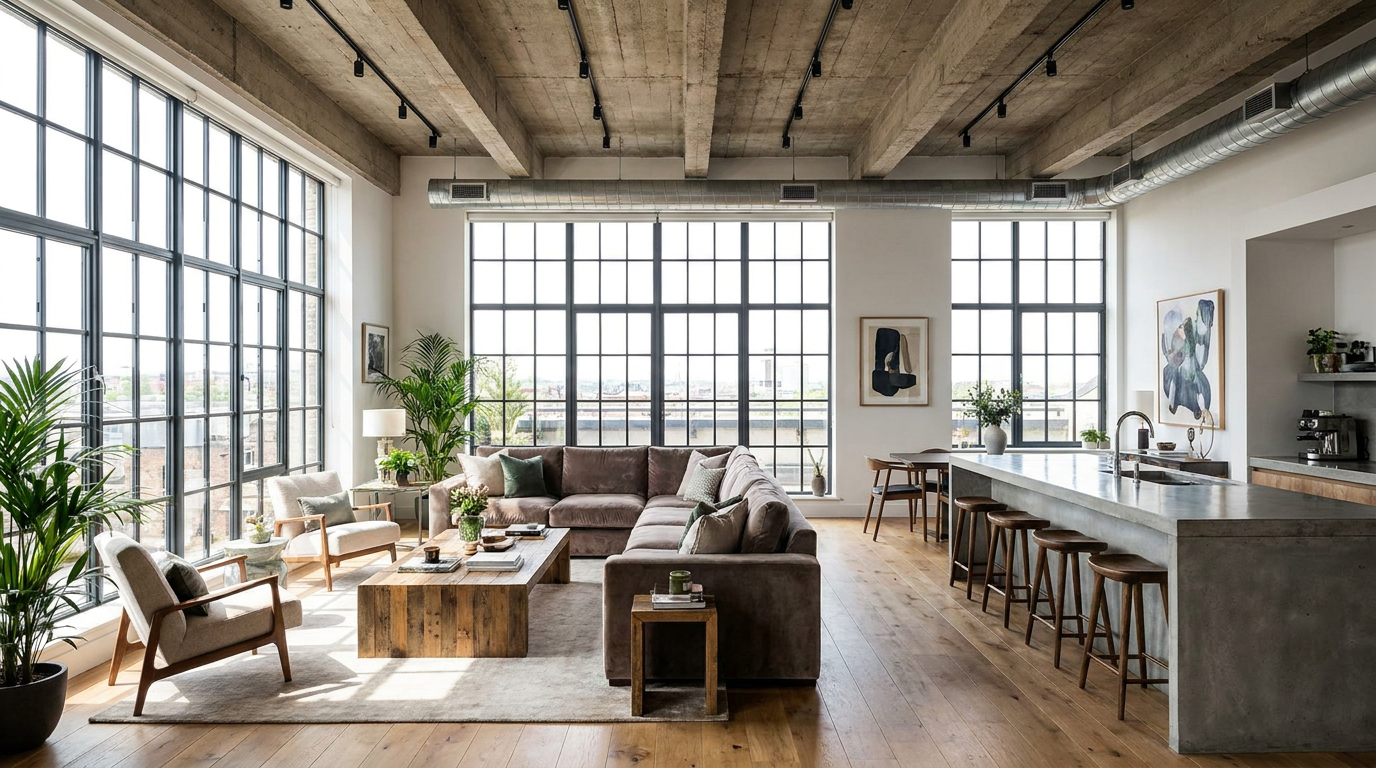
Driven by high office vacancies and a severe housing shortage, the number of U.S. apartments being created from former office spaces has surged 291% since 2022. While architectural and financial hurdles remain, targeted zoning reforms and tax incentives are turning obsolete commercial buildings into a viable housing solution.
By Factlen Editorial Team
- Pragmatic Developers
- Focus on the steep financial and architectural barriers that make conversions difficult without government subsidies.
- Urban Revitalization Optimists
- View conversions as a vital tool to bring 24/7 life and economic stability back to post-pandemic downtowns.
- Housing Equity Advocates
- Argue that public subsidies for conversions must be tied to strict affordable housing requirements.
What's not represented
- · Existing commercial tenants who face displacement or construction disruptions during partial building conversions.
- · Suburban municipalities dealing with vacant office parks that lack the walkability to attract residential developers.
Why this matters
Transforming empty office buildings into housing addresses two of the most pressing urban crises simultaneously: the post-pandemic hollowing out of downtowns and the severe national shortage of residential apartments. For renters, this trend promises an influx of new supply in highly walkable, transit-rich neighborhoods.
More in real estate
See all 40 stories →iBuyer Market
Selling to an iBuyer vs. a Traditional Agent: Which Strategy Fits You Best?
8 sources
Fractional Ownership
How Fractional Real Estate is Dismantling the Housing Market's Capital Walls
8 sources
Adaptive Reuse
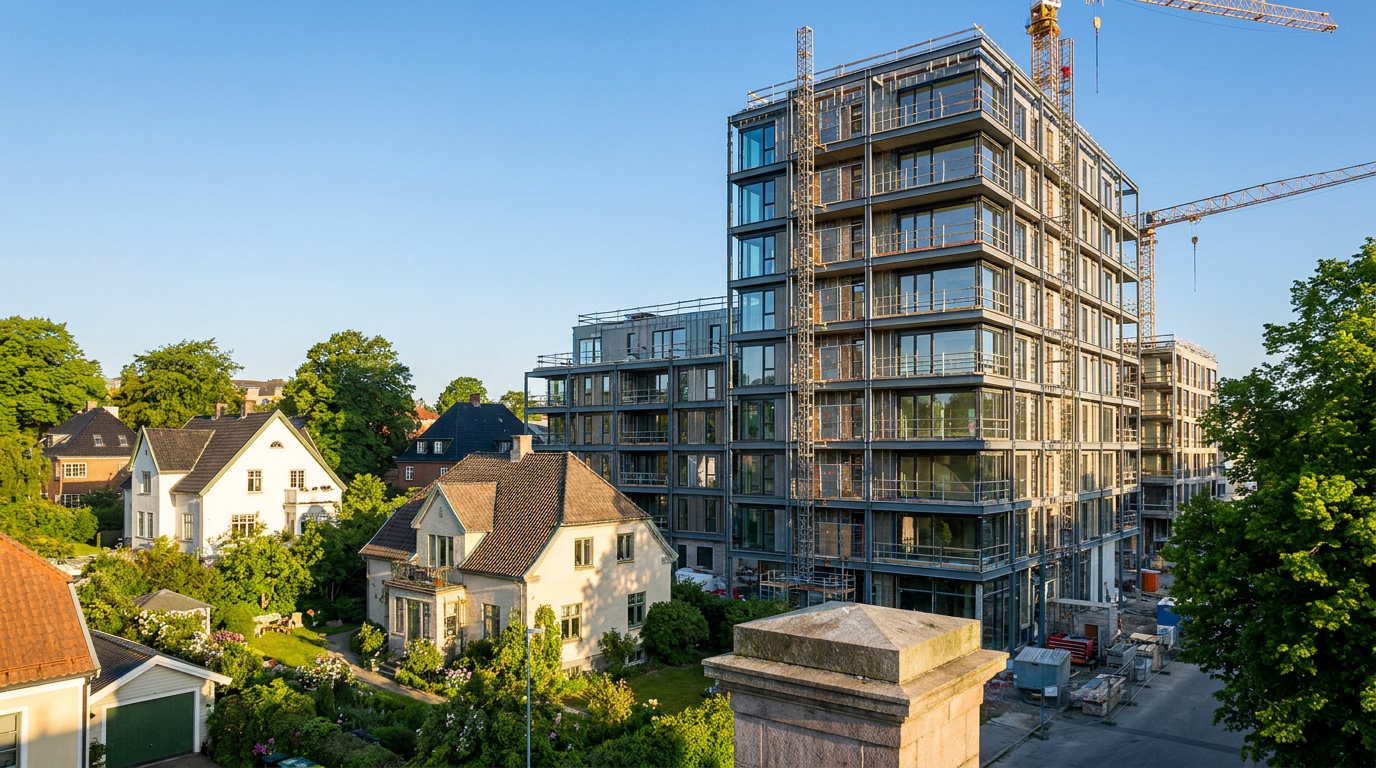
The Evidence Pack: How Empty Offices Are Solving the Housing Crisis
8 sources
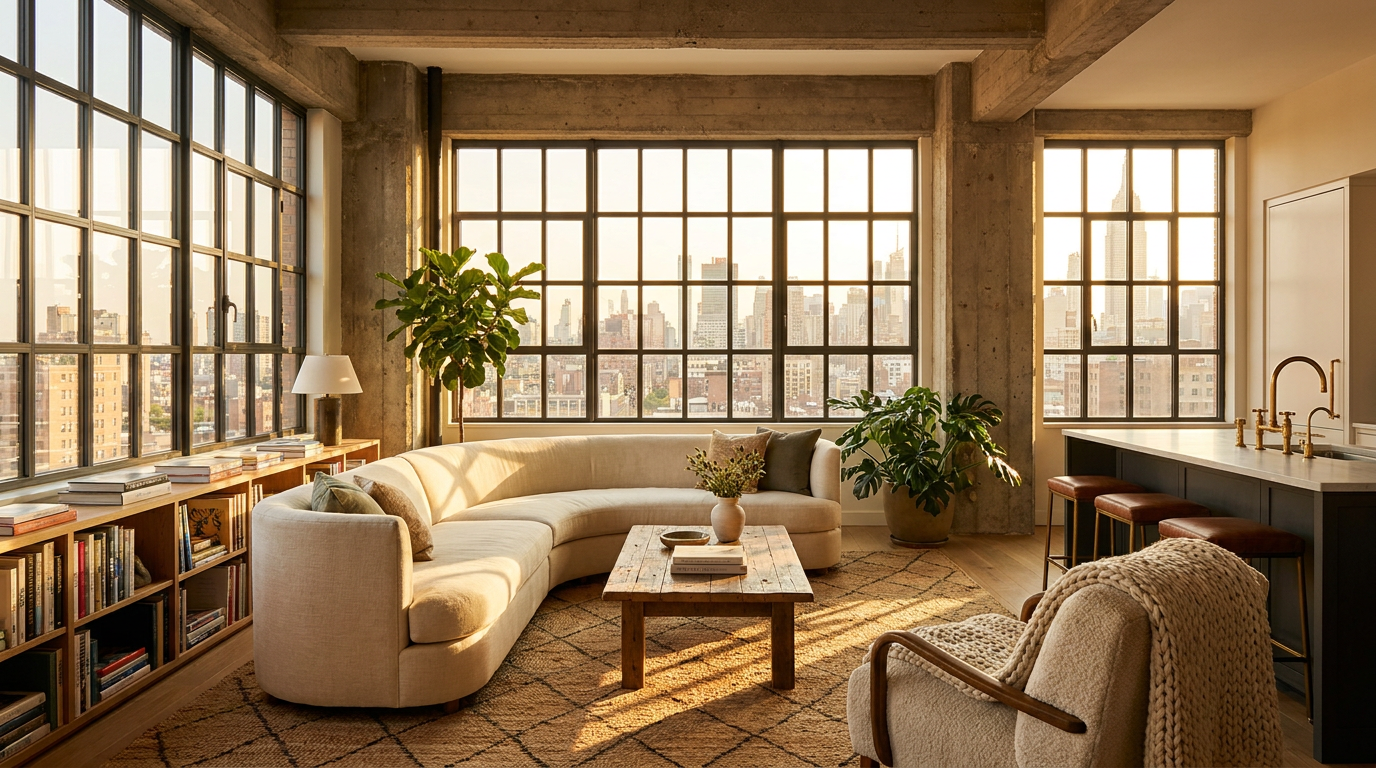
Office Conversions
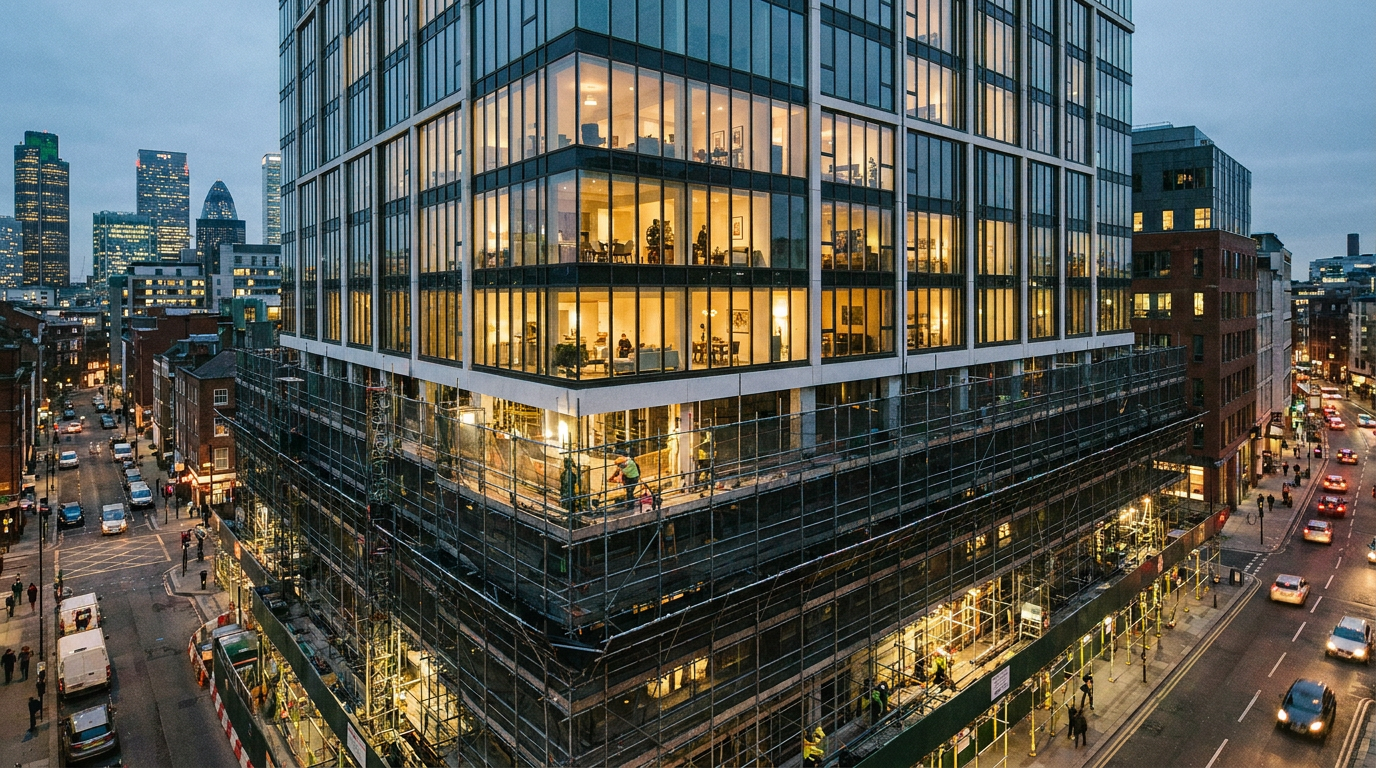
The Evidence Pack: How Empty Offices Are Becoming Affordable Housing in 2026
8 sources
Every angle. Every day.
Get real estate stories with full source coverage and perspective breakdowns delivered to your inbox.