
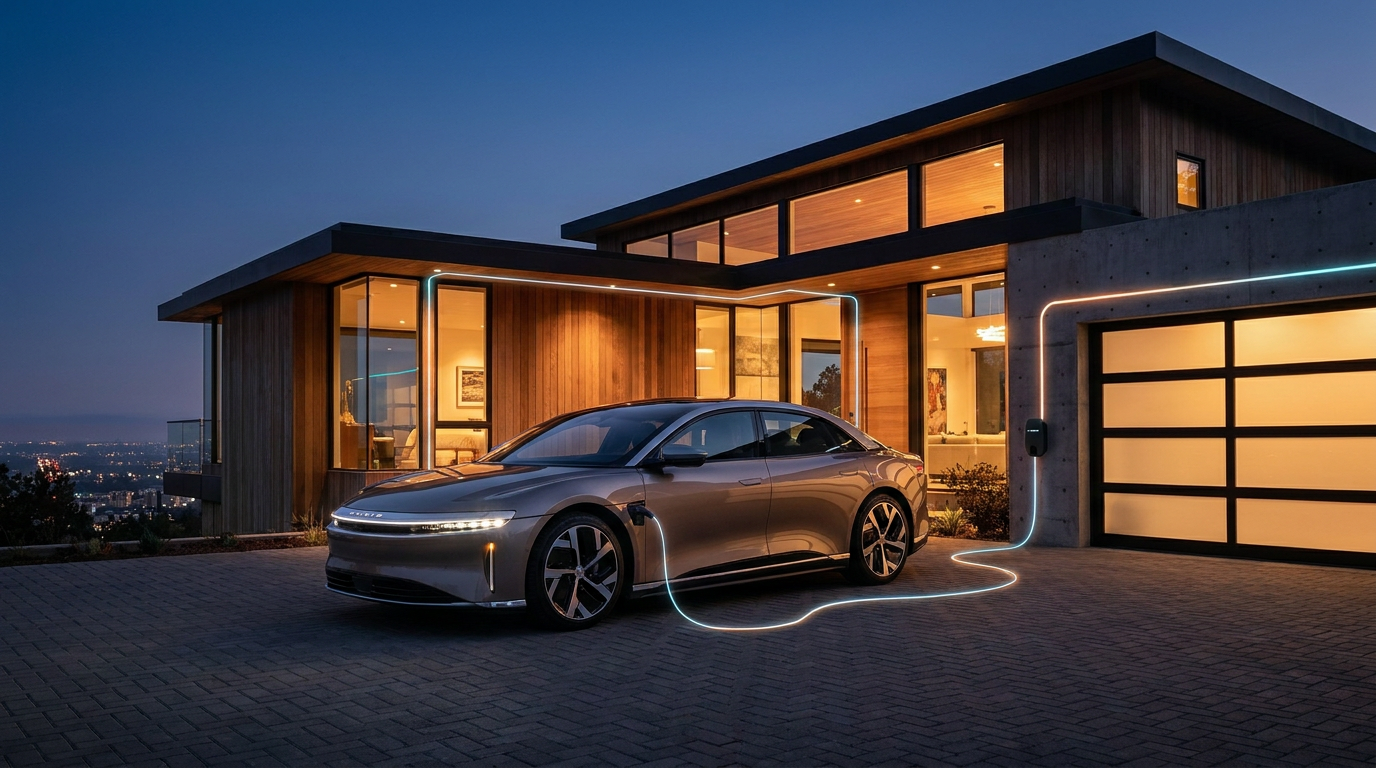
How Bidirectional Charging is Turning Electric Vehicles Into Home Power Plants
Bidirectional charging allows modern electric vehicles to power homes during blackouts and sell energy back to the grid. Here is how the technology works, what hardware it requires, and why it is transforming home energy resilience in 2026.
By Factlen Editorial Team
Energy Independence Advocates 40%Grid Operators & Utilities 35%Automotive Pragmatists 25%
- Energy Independence Advocates
- Focuses on V2H technology as a tool for household resilience, backup power, and self-reliance during grid outages.
- Grid Operators & Utilities
- Views EVs as decentralized energy storage that can balance renewable energy loads and prevent blackouts via V2G.
- Automotive Pragmatists
- Highlights the practical hurdles of bidirectional charging, including hardware costs, standardization issues, and battery degradation.
What's not represented
- · Electricians and Installers
- · Renters without dedicated driveways
Why this matters
An EV battery holds enough energy to power an average home for up to five days. Understanding bidirectional charging allows car shoppers to buy a vehicle that doubles as a whole-home backup generator, saving thousands of dollars on dedicated wall batteries.

More in shopping
See all 116 stories →AI Shopping
AI Shopping Agents Take Over the Summer 2026 Deal Season, Automating Consumer Savings
7 sources

TV Tech
OLED vs. Mini-LED: The 2026 TV Buying Guide
6 sources

Portable Power
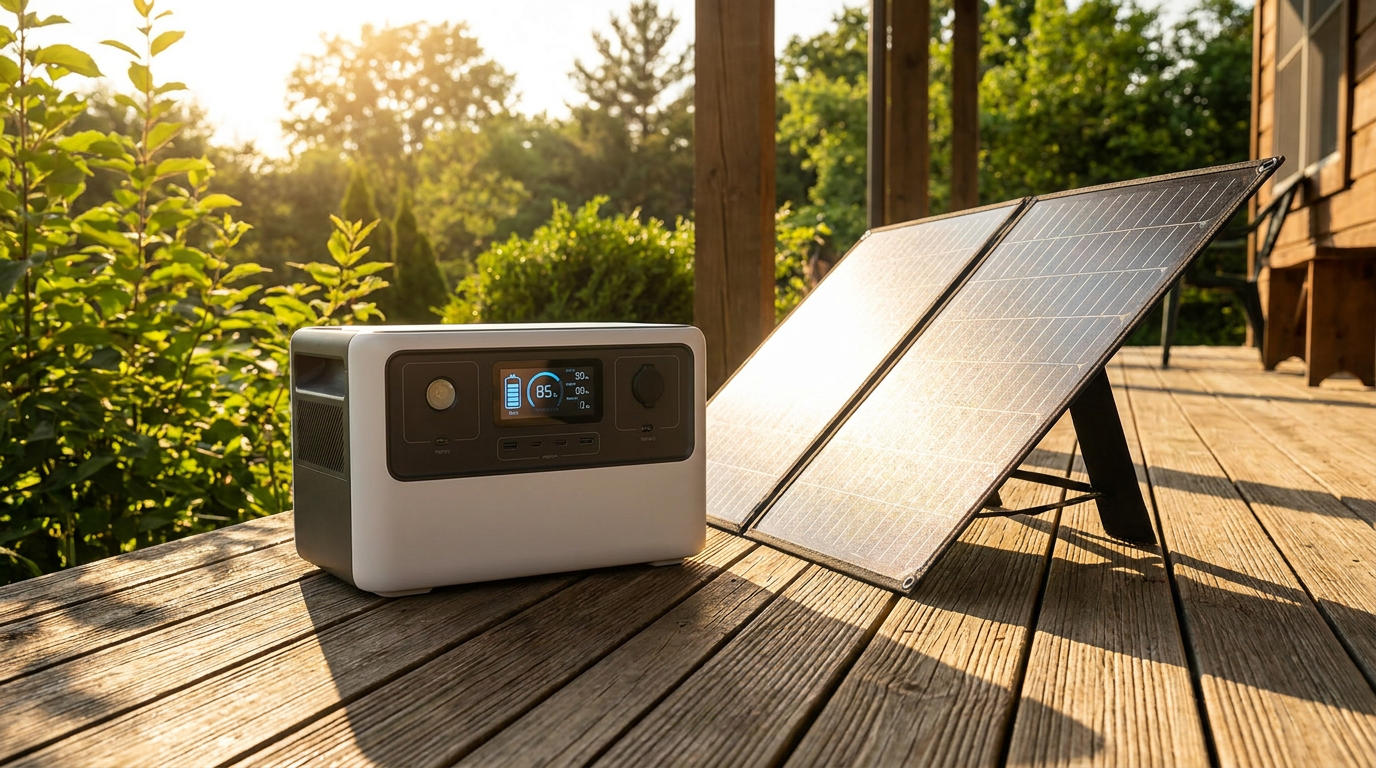
The 2026 Guide to Portable Power Stations: Why Battery Chemistry is Your Biggest Decision
7 sources
Material Science
Plant-Based vs. Traditional Leather: The 2026 Sustainability and Durability Showdown
9 sources

Stay informed
Every angle. Every day.
Get shopping stories with full source coverage and perspective breakdowns delivered to your inbox.