
Global Balance Beam Standings Tighten: Zhou Yaqin and Manila Esposito Headline the Race to Rotterdam
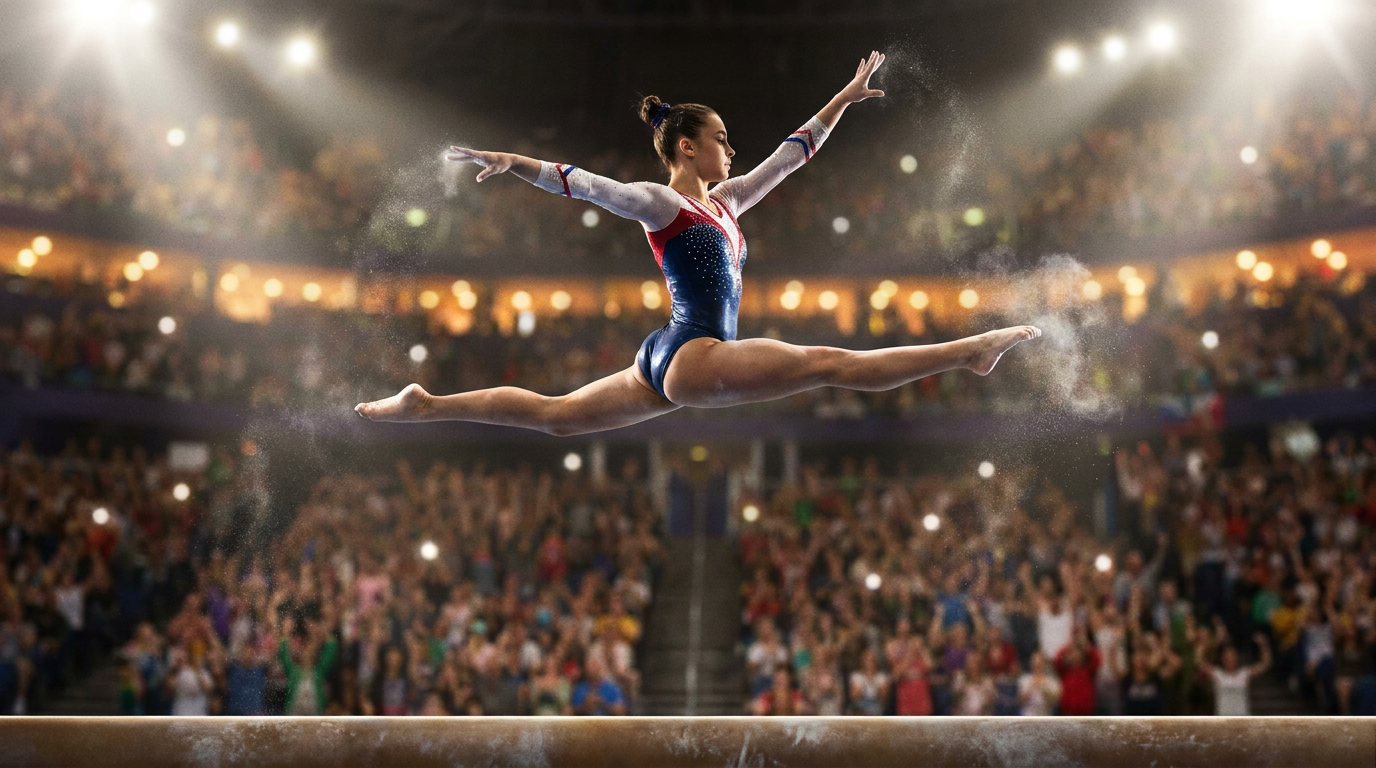
As the summer gymnastics circuit pauses, the FIG global balance beam standings feature a razor-thin margin between China's Zhou Yaqin and Italy's Manila Esposito. The battle for the top seed at the upcoming Rotterdam World Championships highlights a surge in international parity on the sport's most volatile apparatus.
By Factlen Editorial Team
- Chinese Gymnastics Analysts
- Emphasize the importance of high difficulty scores and traditional mastery of connection values to secure the top ranking.
- European Gymnastics Advocates
- Highlight the surge of European programs focusing on flawless execution and consistency across the grueling World Cup circuit.
- Data & Strategy Analysts
- Focus on the mathematical intricacies of the FIG points system and the strategic selection of which events to attend.
What's not represented
- · Athletes recovering from injury who missed the early season
- · Judges who determine the execution scores that swing the rankings
Why this matters
Securing the number one world ranking provides a crucial psychological edge and a highly favorable qualification draw for the World Championships. For fans, this historically tight race guarantees a spectacular showdown of contrasting styles on gymnastics' most unforgiving apparatus.
Key points
- China's Zhou Yaqin currently leads the FIG balance beam world rankings with 145 points.
- Italy's Manila Esposito has surged into second place with 138 points following dominant European performances.
- Only a gymnast's top three World Cup or Challenge Cup finishes count toward their final ranking total.
- The final standings will likely be decided at the upcoming Paris World Challenge Cup in September.
As the international gymnastics circuit takes a brief mid-summer pause, the International Gymnastics Federation (FIG) has released its updated World Rankings, revealing a razor-thin margin at the top of the women's balance beam standings. With the 2026 World Championships in Rotterdam looming in October, the race for the number one overall seed has become the most closely watched statistical battle in the sport. The current leaderboard reflects a season defined by remarkable consistency on an apparatus historically known for its volatility.[1][6]
Currently holding the top spot is China's Zhou Yaqin, whose mastery of the 10-centimeter-wide apparatus has been a masterclass in traditional difficulty. Zhou has amassed 145 ranking points across the early-season World Cup events, anchored by a staggering D-score (difficulty) that routinely eclipses the 6.5 mark. Her ability to connect complex leap series with flawless acrobatic elements has kept her atop the global leaderboard since her dominant performances in March.[1][4]
However, the gap has closed dramatically following the European Championships and the early summer World Challenge Cup events. Italy's Manila Esposito has surged into the number two position with 138 points, riding a wave of momentum that includes back-to-back gold medals in the European circuit. Esposito's rise represents a broader renaissance in Italian gymnastics, blending high-flying acrobatics with rock-solid execution that judges have heavily rewarded throughout the 2026 season.[1][5]

Securing the top seed in the FIG World Rankings is more than a ceremonial honor; it carries significant strategic weight for the Rotterdam World Championships. The highest-ranked gymnasts earn favorable qualification draws, allowing them to compete in the later subdivisions where scoring tends to be marginally looser and judges have established a reliable baseline. Furthermore, the psychological edge of entering the World Championships as the undisputed season leader provides a distinct advantage when navigating the immense pressure of the beam.[2][6][7]
Beyond the Zhou-Esposito duel, the top five is heavily populated by a surging wave of European specialists who are disrupting the traditional balance of power. Romania's Sabrina Maneca-Voinea sits comfortably in third with 122 points, while the Netherlands' veteran Olympic champion Sanne Wevers has climbed to fourth with 115 points, utilizing a series of masterfully constructed, spin-heavy routines. This European density in the top tier highlights a global shift toward execution-heavy strategies that minimize built-in deductions.[1][3]
Beyond the Zhou-Esposito duel, the top five is heavily populated by a surging wave of European specialists who are disrupting the traditional balance of power.
The FIG ranking system rewards both peak performance and durability, assigning points based on placements at sanctioned World Cup and World Challenge Cup events over a rolling 12-month period. A maximum of three results count toward a gymnast's final total, meaning that athletes must strategically choose which events to peak for. Because Zhou and Esposito have both maxed out their top-three finishes, any further points must come from replacing their lowest-scoring event with a higher finish in the autumn.[1][7]

This mathematical reality places immense pressure on the final two World Challenge Cup events of the season, scheduled for Szombathely, Hungary, and Paris, France, in September. Both Zhou and Esposito are tentatively slated to compete in Paris, setting the stage for a dramatic head-to-head showdown that will likely determine the final pre-Rotterdam rankings. Analysts note that a victory in Paris by Esposito could mathematically eclipse Zhou's lead by a mere two points, making it a must-watch event.[4][5][7]
The rivalry is particularly compelling because it contrasts two distinct philosophies of beam construction. Zhou’s routines are built on the Chinese system's hallmark: breathtaking flexibility, layout step-outs, and split rings that maximize connection value to build an insurmountable difficulty score. Esposito, conversely, relies on explosive power, utilizing dynamic mount sequences and stuck dismounts to minimize execution deductions—a strategy that has proven highly resilient under the intense lights of international finals.[2][4][5]
Coaches and international analysts view this tight race as a testament to the current golden era of women's gymnastics, where the talent pool is deeper and more geographically diverse than ever before. The days of one or two nations dominating the apparatus standings are over, replaced by a global circuit where a fraction of a tenth in execution can swing the world rankings. This parity has made the World Cup circuit more competitive and engaging for fans year-round.[3][6]
As the gymnasts return to their national training centers to refine their routines for the autumn stretch, the balance beam standings remain a testament to the sport's thrilling unpredictability. Whether Zhou maintains her reign or Esposito completes her historic climb, the race to Rotterdam guarantees that the battle for beam supremacy will be one of the defining, uplifting narratives of the 2026 gymnastics season.[2][6]
How we got here
March 2026
Zhou Yaqin establishes an early lead in the standings with dominant performances at the spring World Cup events.
May 2026
Manila Esposito captures gold at the European Championships, signaling a major shift in her international scoring potential.
June 2026
European specialists, including Sabrina Maneca-Voinea, climb the rankings during the early summer World Challenge Cup circuit.
September 2026
The final World Challenge Cup events in Szombathely and Paris will determine the ultimate top seed for the World Championships.
Viewpoints in depth
Chinese Gymnastics Analysts
Emphasize the importance of high difficulty scores and traditional mastery of connection values to secure the top ranking.
Analysts following the Chinese national team point to Zhou Yaqin's massive D-score as the ultimate trump card in the standings race. They argue that building a routine with a base difficulty above 6.5 provides a necessary buffer against the inevitable, minor execution deductions that occur on the beam. From this perspective, the world ranking should rightfully belong to the gymnast pushing the absolute boundaries of the sport's Code of Points through intricate leap connections and high-risk acrobatic series.
European Gymnastics Advocates
Highlight the surge of European programs focusing on flawless execution and consistency across the grueling World Cup circuit.
Supporters of the surging European contingent, particularly the Italian and Romanian programs, view the current standings as validation of a shifting strategic paradigm. They emphasize that Manila Esposito's rise is built on extreme consistency and the minimization of built-in deductions. By constructing routines that athletes can hit perfectly under pressure, European coaches argue that execution (E-score) is becoming the true differentiator at the highest levels of international competition, making the standings a reflection of reliability rather than just raw difficulty.
Data & Strategy Analysts
Focus on the mathematical intricacies of the FIG points system and the strategic selection of which events to attend.
For statistical analysts who track the sport, the race to Rotterdam is a fascinating study in game theory and calendar management. Because only a gymnast's top three scores count, analysts note that the current standings reflect not just athletic ability, but strategic deployment by national federations. They highlight that the final push in Paris will be a direct mathematical shootout, where the pressure of replacing a 'dropped' score will test the mental fortitude of both Zhou and Esposito in a way that pure athletic metrics cannot capture.
What we don't know
- Whether Zhou or Esposito will upgrade their difficulty scores for the final Paris World Challenge Cup.
- How the judges at the Rotterdam World Championships will balance high difficulty against flawless execution in the new Olympic cycle.
Key terms
- D-Score
- The Difficulty Score, which calculates the total value of the skills performed in a routine, including connection bonuses and specific element requirements.
- E-Score
- The Execution Score, which starts at 10.0 and is reduced by deductions for errors in form, technique, and landing.
- World Challenge Cup
- A series of international gymnastics competitions sanctioned by the FIG, offering world ranking points and prize money, typically held between major championships.
Frequently asked
How are FIG World Ranking points awarded?
Points are awarded based on a gymnast's final placement at officially sanctioned FIG World Cup and World Challenge Cup events. A first-place finish typically awards 30 points, with descending values for lower placements.
Why does the number one ranking matter for the World Championships?
The top-ranked gymnasts receive favorable qualification draws, allowing them to compete in later subdivisions. This is advantageous because judges have established a scoring baseline, and athletes know exactly what scores they need to beat.
Can a gymnast lose points in the FIG rankings?
Gymnasts do not lose points, but because only their top three event scores count toward their total, they can only increase their ranking by replacing a lower-scoring event with a higher-scoring one.
Sources
Source coverage
7 outlets
3 viewpoints surfaced







[1]International Gymnastics Federation
FIG World Ranking: Women's Balance Beam Standings July 2026
Read on International Gymnastics Federation →[2]GymCasticData & Strategy Analysts
Beam Standings Breakdown: How Esposito and Zhou are Redefining Difficulty
Read on GymCastic →[3]International Gymnast MagazineEuropean Gymnastics Advocates
European Specialists Surge in Global Beam Rankings Ahead of Rotterdam
Read on International Gymnast Magazine →[4]Xinhua News AgencyChinese Gymnastics Analysts
Zhou Yaqin Maintains Narrow Lead in FIG Balance Beam World Rankings
Read on Xinhua News Agency →[5]La Gazzetta dello SportEuropean Gymnastics Advocates
Manila Esposito Eyes World Number One Spot on Balance Beam
Read on La Gazzetta dello Sport →[6]Inside GymnasticsData & Strategy Analysts
The Race to Rotterdam: Analyzing the Balance Beam Power Rankings
Read on Inside Gymnastics →[7]The Medal CountData & Strategy Analysts
Statistical Analysis: The Volatility of the 2026 Balance Beam Standings
Read on The Medal Count →
More in sports
See all 17 stories →Global Hoops
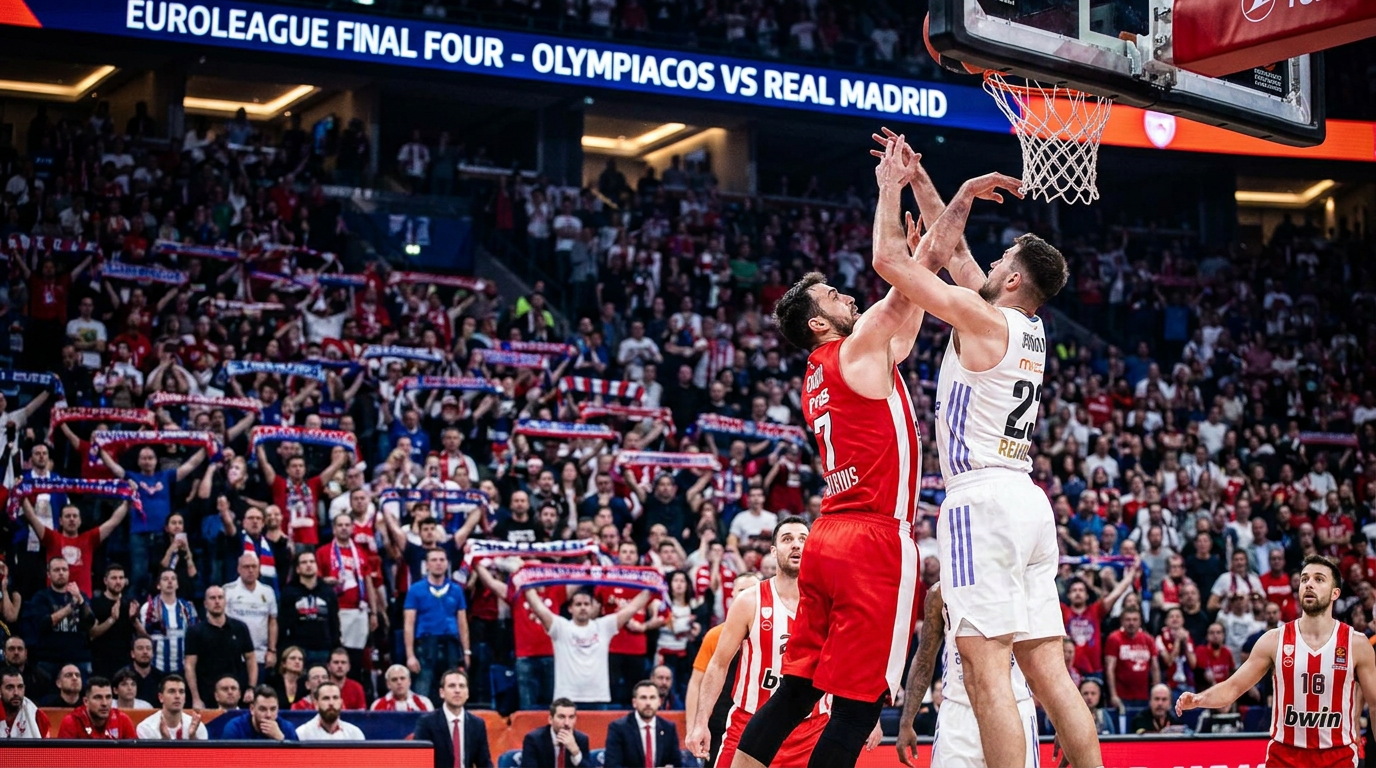
EuroLeague Undergoes 'Massive Paradigm Shift' as High-Profile NBA Players Flood European Market
3 sources
Youth Weightlifting
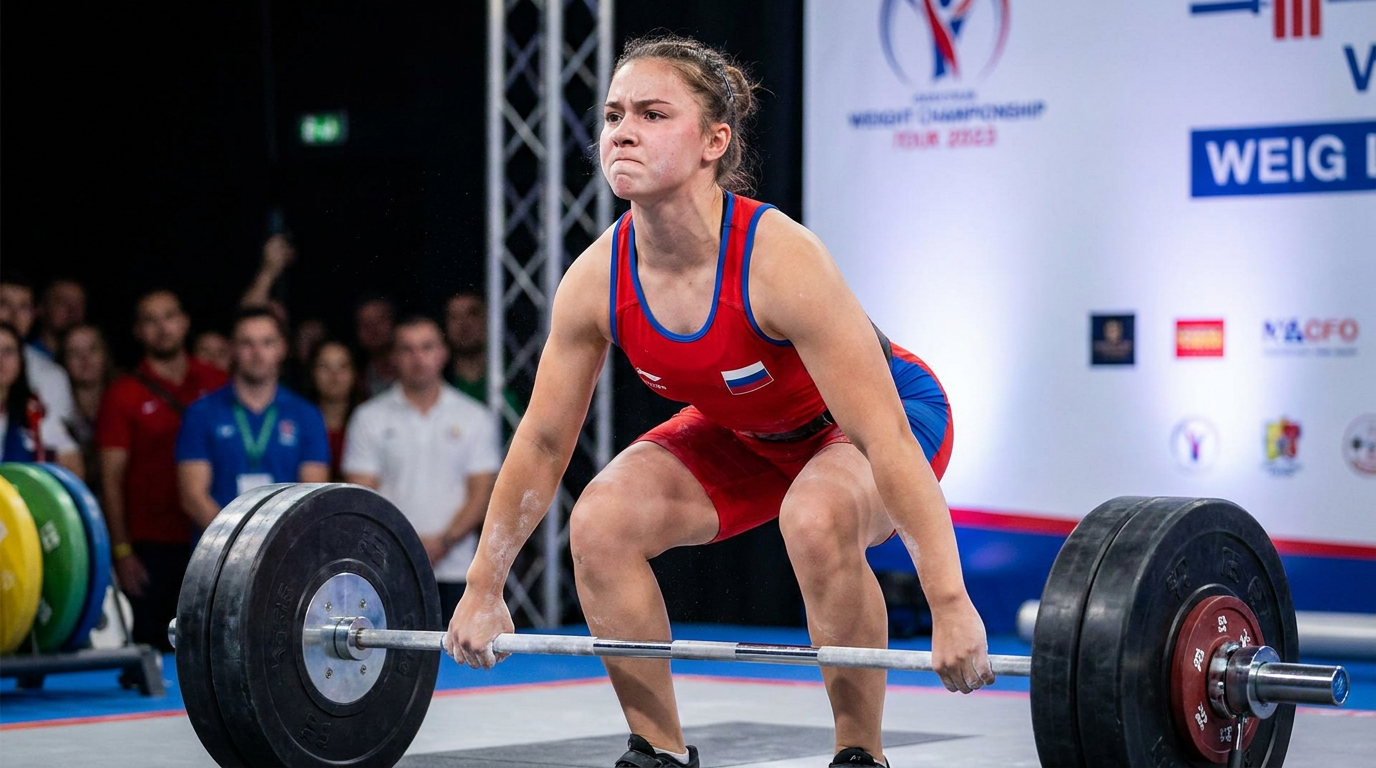
13-Year-Old Phenom Rory van Ulft Shatters Two World Records on International Debut at IWF Youth Championships
3 sources
Football Finance
LVMH-Backed Paris FC Becomes Ligue 1's Biggest Spender, Fueling New Rivalry with PSG
3 sources

F1 Tech Rules
Drivers Blast F1's Race Algorithms for 'Neutering' Thrills of Belgian Grand Prix
4 sources
Every angle. Every day.
Get sports stories with full source coverage and perspective breakdowns delivered to your inbox.