
Federal Court Blocks Executive Order Restricting Mail Voting Nationwide
A federal judge has issued a nationwide preliminary injunction blocking the U.S. Postal Service from implementing a presidential executive order that sought to restrict mail-in voting.
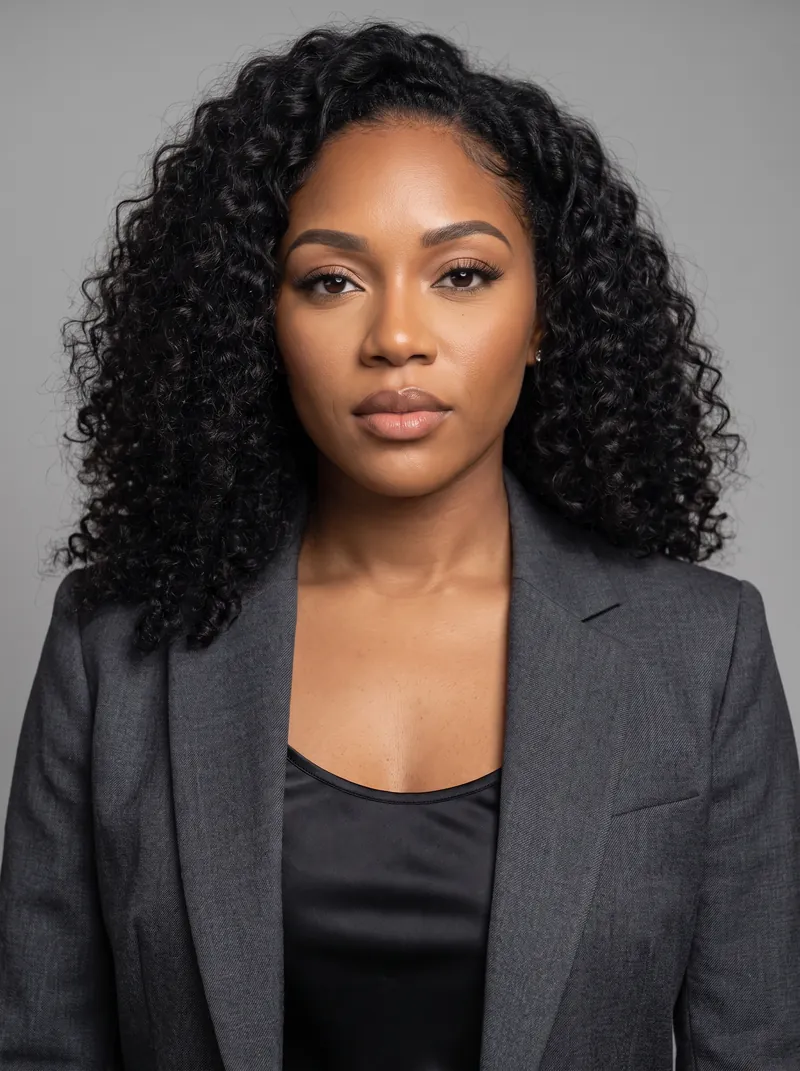
The common assumption regarding federal elections is that the executive branch holds broad authority to secure the national voting process. However, the U.S. Constitution delegates the administration of elections strictly to the states and to Congress. On Tuesday, a federal judge in Massachusetts reaffirmed that structural boundary, issuing a nationwide preliminary injunction that blocks the U.S. Postal Service from implementing a sweeping presidential executive order designed to restrict mail-in voting.[1][4]
U.S. District Court Judge Indira Talwani ruled that the executive order, signed in March 2026, is likely unconstitutional because it violates the separation of powers. The directive sought to create a federal "Confirmed Citizen List" and instructed the Postal Service to deliver mail ballots only to voters whose eligibility had been verified against that federal database.[2][5]
In her decision, Talwani noted that the administration did not attempt to defend the constitutionality of the order on its merits. Instead, government lawyers argued that the legal challenge was premature because the Postal Service had not yet finalized the rules required to enforce the directive. The court rejected that argument, stating that the fast-approaching November midterms required immediate clarity for the millions of citizens who rely on absentee voting.[2][6]
"The executive branch has no authority to regulate elections," Talwani wrote in her opinion, reiterating a conclusion she had reached in a related case in June. The judge emphasized that the executive order was already causing irreparable harm by generating confusion among voters and election administrators across the country.[1][6]
The lawsuit was brought by a coalition of nonpartisan voting rights organizations, led by the League of Women Voters of Massachusetts. The plaintiffs argued that the executive order was an illegal overreach that threatened to disenfranchise military personnel, overseas citizens, the elderly, and voters with disabilities who depend on the mail to cast their ballots.[3][4]
The ruling represents the second major legal setback for the administration's efforts to overhaul election rules ahead of the 2026 midterms. In June, Talwani blocked key provisions of the same executive order in a separate lawsuit filed by 23 states and the District of Columbia. While that initial injunction applied only to the plaintiff jurisdictions, Tuesday's order extends the prohibition nationwide.[1][4]
Despite the legal defeats, the White House has maintained that the executive order is a necessary measure to ensure the integrity of American elections. Following the ruling, a White House spokesperson stated that the administration would continue to pursue its agenda lawfully, noting that the president had previously called on Congress to pass legislation restructuring the electoral system.[1]
The legal battle now shifts to the U.S. Supreme Court, where the administration has filed an emergency request to lift the earlier injunction. In the meantime, the Postal Service published a final rule on August 21 outlining how it would implement the executive order if the high court allows it to take effect. In response, the voting rights coalition filed an emergency motion over the weekend, asking the district court to enforce its injunction and halt any preparatory steps by the agency.[1][5]
The dispute highlights a growing tension over the role of the Postal Service in election infrastructure. The agency, which operates independently under congressional regulation, found itself caught between a presidential directive and state election laws. Postal unions had previously objected to the prospect of mail carriers being forced to police ballot deliveries based on federal eligibility lists.[1][7]
As the November 3 election approaches, the status quo remains intact. State and local officials will continue to manage voter rolls and absentee ballot distribution according to their own statutes, free from the federal oversight envisioned by the March executive order, unless the Supreme Court intervenes in the coming weeks.[4][5]
Key points
- A federal judge blocked a presidential executive order aimed at restricting mail-in voting.
- The nationwide injunction prevents the U.S. Postal Service from enforcing the directive.
- The court ruled the executive branch lacks constitutional authority to regulate elections.
- The administration is seeking an emergency intervention from the U.S. Supreme Court.
Timeline
March 2026
President Trump signs an executive order directing the creation of a federal voter list and restricting mail ballot delivery.
June 2026
Judge Indira Talwani blocks key provisions of the order in a lawsuit brought by 23 states and Washington, D.C.
August 11, 2026
The district court issues a nationwide preliminary injunction in a separate lawsuit filed by voting rights groups.
August 21, 2026
The U.S. Postal Service publishes a final rule to implement the order if the Supreme Court lifts the injunctions.
- Voting Rights Advocates
- Argue that the executive order is an unconstitutional overreach that threatens to disenfranchise vulnerable voters by disrupting established state election procedures.
- The Administration
- Maintains that federal intervention is necessary to ensure the security and integrity of national elections, framing the order as a fulfillment of policy pledges.
- Legal Analysts
- Focus on the structural separation of powers, noting that the administration declined to defend the order's constitutionality on the merits and instead relied on procedural arguments.
Perspectives this story doesn't cover
- State Election Administrators
- Postal Workers Union
Sources
Source coverage
7 outlets
3 viewpoints surfaced







- [1]Associated PressThe Administration
Federal judge on Tuesday ruled against President Donald Trump's executive order
Read on Associated Press → - [2]Democracy DocketVoting Rights Advocates
A federal judge in Massachusetts Tuesday issued another order blocking the United States Postal Service
Read on Democracy Docket → - [3]ACLUVoting Rights Advocates
Federal Court Blocks Executive Order Restricting Mail Voting
Read on ACLU → - [4]VotebeatVoting Rights Advocates
Federal judge Indira Talwani issued an injunction in the League of Women Voters' case
Read on Votebeat → - [5]National Constitution CenterLegal Analysts
Trump mail voting executive order on Supreme Court's radar
Read on National Constitution Center → - [6]CyberScoopLegal Analysts
A federal judge has issued a second injunction preventing the United States Postal Service from carrying out President Donald Trump's executive order
Read on CyberScoop → - [7]Campaign Legal CenterVoting Rights Advocates
Attempting to upend mail-in voting and voter registration through an executive order is an unconstitutional and illegal abuse of executive power
Read on Campaign Legal Center →
More in Law & Justice
See all →Climate Litigation
Federal Court Strikes Down New York's $75 Billion Climate Superfund Act
5 sources
First Amendment
Federal Judge Rules Trump Policy Targeting Pro-Palestinian Activists for Deportation Violates First Amendment
5 sources
Election Law
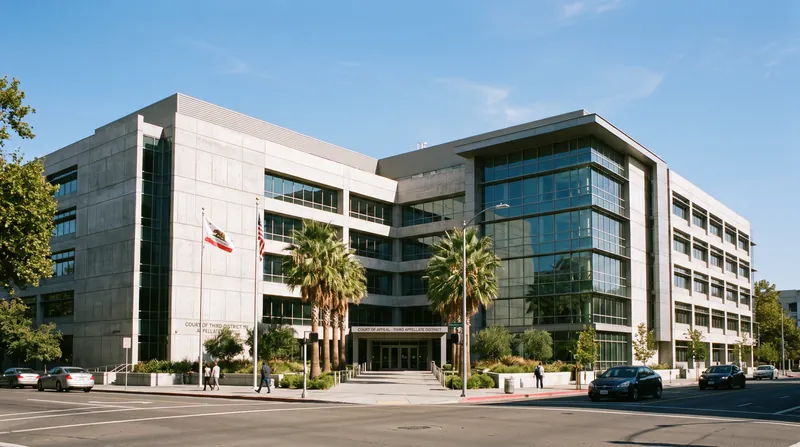
California Appeals Court Blocks Shasta County Voter ID and Hand-Count Election Measure
5 sources
Election Law
Israeli Supreme Court Overturns Election Panel Ban on Arab Parties Ahead of Knesset Vote
8 sources

Comments
Every angle. Every day.
Get Law & Justice stories with full source coverage and perspective breakdowns, free every day.