
California Supreme Court Upholds Prop 22, Cementing Independent Contractor Status for Gig Workers
The state's highest court unanimously ruled that the voter-approved ballot measure is constitutional, ending years of legal battles over the gig economy's labor model.

Share this story
The California Supreme Court has issued a unanimous ruling upholding Proposition 22, ending years of legal uncertainty and permanently cementing the independent contractor status of app-based gig workers in the state.
The highly anticipated decision in Castellanos v. State of California rejected arguments from labor unions and a group of drivers who claimed the voter-approved ballot measure was unconstitutional.[1]
By upholding the law, the state's highest court has ensured that platforms like Uber, Lyft, DoorDash, and Instacart will not be forced to reclassify their estimated 1.4 million California drivers as traditional employees.
The ruling represents the final chapter in a protracted regulatory war that began in 2019 when the California legislature passed Assembly Bill 5.[1]
AB 5 codified a strict legal standard known as the "ABC test," which effectively made it impossible for gig economy platforms to legally classify their workforce as independent contractors.[1][2]
Facing an existential threat to their business models, the major app-based companies responded by drafting Proposition 22 and funding a record-breaking $200 million campaign to pass it.[2]
In November 2020, nearly 60% of California voters approved the measure, carving out a specific exemption for ride-hailing and delivery apps while creating a hybrid category of worker rights.[2]
The legal challenge to Prop 22, spearheaded by the Service Employees International Union (SEIU), hinged on the argument that the ballot initiative unlawfully stripped the state legislature of its constitutional authority to govern the workers' compensation system.
Because Prop 22 classifies drivers as contractors, it excludes them from the state's standard workers' compensation program, instead requiring companies to provide a private occupational accident insurance policy with a $1 million limit.
In the unanimous opinion, Justice Goodwin Liu wrote that the state constitution "does not preclude the electorate from exercising its initiative power to legislate on matters affecting workers' compensation."
The court determined that while the legislature has the power to create a workers' compensation system, that power is not entirely exclusive and can be modified by the voters through the initiative process.[1]
For the gig companies, the decision averts a massive financial shock. Reclassifying drivers as employees would have entitled them to standard minimum wage for all hours worked, overtime pay, and standard expense reimbursements, increasing labor costs by an estimated 20% to 30%.[1][2]
Under the hybrid model preserved by the court, drivers are guaranteed 120% of the local minimum wage and 30 cents per mile in vehicle expenses.
However, these guarantees only apply to "engaged time"—the minutes spent actively driving a passenger or delivering an order—and do not cover the time drivers spend waiting for a ping on the app.
The law also provides healthcare stipends, but only for drivers who log at least 15 hours of engaged time per week, a threshold that excludes many casual, part-time users of the platforms.
Labor advocates expressed deep disappointment with the ruling, arguing that the hybrid model leaves workers vulnerable to financial instability and shifts the burden of vehicle maintenance and downtime onto the drivers.[2]
Conversely, industry groups and platform executives celebrated the decision as a victory for consumer convenience and worker flexibility, noting that many drivers prefer the ability to log on and off at will without shift requirements.
The ruling carries significant national implications, as California often serves as a bellwether for labor regulations. The U.S. Chamber of Commerce stated the decision bolsters the defense of independent contracting nationwide against federal attempts to tighten classification rules.[2]
While the state-level constitutional question is now settled, the broader debate over the gig economy's labor practices will likely shift toward unionization efforts and ongoing scrutiny from the federal Department of Labor.[2]
Key points
- The California Supreme Court unanimously upheld Proposition 22, preserving the independent contractor status of app-based gig workers.
- The ruling rejects a legal challenge from labor unions arguing the voter-approved law unconstitutionally restricted the state legislature.
- Gig workers will continue to receive a hybrid benefits package, including a 120% minimum wage guarantee for active engaged time.
- The decision averts a massive labor cost increase for platforms like Uber and DoorDash, securing their business models in the state.
What we don’t know
- How the federal Department of Labor's ongoing efforts to tighten independent contractor classifications will interact with this state-level ruling.
- Whether gig companies will attempt to export the Proposition 22 hybrid model to other states through similar ballot initiatives.
How we got here
2019
California passes AB 5, codifying the strict ABC test that threatens to reclassify gig workers as employees.
Nov 2020
California voters approve Proposition 22 with 59% of the vote, creating an exemption for app-based platforms.
Aug 2021
An Alameda County Superior Court judge rules Prop 22 unconstitutional, sparking a lengthy appeals process.
Mar 2023
A California state appeals court largely upholds Prop 22, reversing the lower court's decision.
Jul 2026
The California Supreme Court issues a unanimous ruling upholding Prop 22, ending the state-level legal battle.
- Gig Economy Platforms
- Platforms argue the ruling protects a flexible business model that consumers rely on and drivers prefer.
- Labor Advocates
- Unions and worker advocacy groups argue the hybrid model creates a permanent underclass of unprotected labor.
- Independent Drivers
- The workforce itself remains divided between prioritizing absolute flexibility and demanding stronger financial safety nets.
Perspectives this story doesn't cover
- Traditional Taxi and Delivery Businesses
- Local Municipal Tax Authorities
Sources
Source coverage
2 outlets
3 viewpoints surfaced


- [1]CDF Labor LawGig Economy Platforms
How Calif. Justices' Prop 22 Ruling Affects The Gig Industry
Read on CDF Labor Law → - [2]The GuardianLabor Advocates
US supreme court upholds law to count mail-in ballots arriving after election day
Read on The Guardian →

More in Lifestyle
See all →Labor Policy
FTC Issues Landmark Rule Banning Non-Compete Agreements Nationwide
7 sources
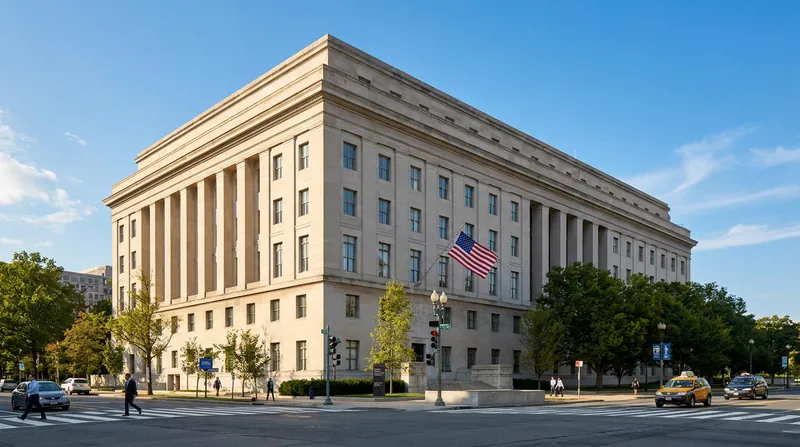
Remote Work Tax
OECD Tax Guidance Forces Global Companies to Re-Evaluate 'Work From Anywhere' Over Permanent Establishment Risk
3 sources

Workforce Tech
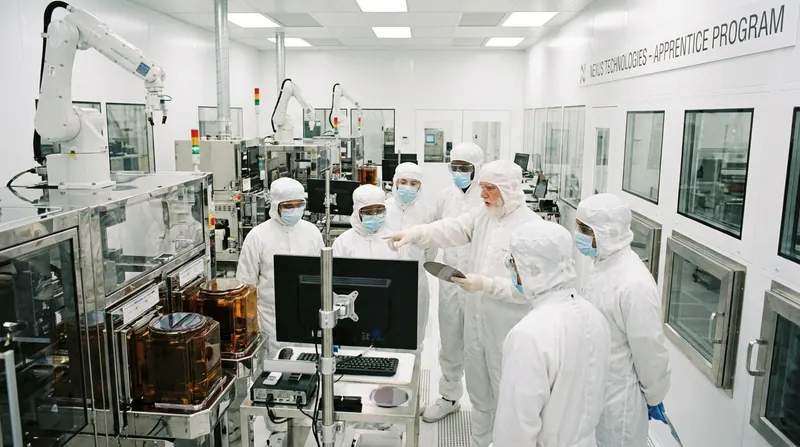
The $162 Million Bet: DOL Launches Performance-Based Apprenticeship Fund for Tech and Defense Jobs
2 sources
Labor Law
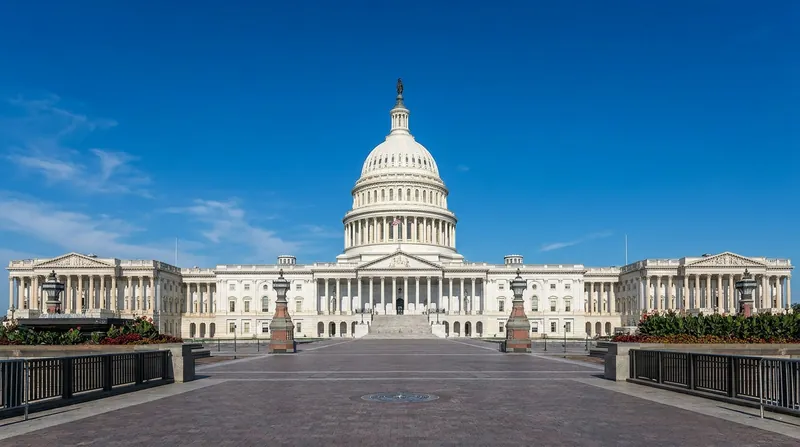
The 90-Day Clock: How the Faster Labor Contracts Act Aims to End Stalled Union Negotiations
2 sources
Comments
Every angle. Every day.
Get Lifestyle stories with full source coverage and perspective breakdowns, free every day.