
BWF Injury Report: Axelsen and Tunjung Clear Final Rehab Hurdles as Summer Tour Heats Up
Top-ranked shuttlers Viktor Axelsen and Gregoria Mariska Tunjung have officially resumed full-court training following spring injuries, setting the stage for highly anticipated returns at the upcoming Japan Open.
By Xia Wu

- Player Health Advocates
- Emphasize the importance of load management and sports science to extend careers and prevent chronic injuries.
- National Federations
- Focus on ensuring their top athletes are fully recovered and peaking for major championship events.
- Tournament Organizers
- Anticipate the return of star players to drive viewership, ticket sales, and competitive narratives.
Perspectives this story doesn't cover
- Lower-ranked players who rely on playing through minor injuries to maintain tour funding
Key points
- Viktor Axelsen has been cleared for full-court sparring following a six-week rehab for an ankle sprain.
- Gregoria Mariska Tunjung has resumed high-intensity training after recovering from a calf strain.
- Both players prioritized long-term health over rushing back for the North American tour leg.
- Rising star Alex Lanier is also taking precautionary rest for a minor wrist issue.
- The BWF tour is seeing a broader shift toward proactive load management and sports science.
The grueling nature of the BWF World Tour inevitably takes a physical toll by mid-summer, but the narrative in July 2026 is increasingly one of resilience and sports science. As the tour transitions from the North American leg back to Asia, the badminton world is receiving a significant boost: several top-ranked shuttlers have successfully completed their rehabilitation programs.[1]
Leading the wave of returning stars is Denmark's Viktor Axelsen. The men's singles powerhouse has been sidelined since sustaining a lateral ankle sprain during the Thomas Cup in May. After a highly structured six-week recovery period, Axelsen has officially been cleared for full-court sparring and is slated to return at the upcoming Japan Open Super 750.[1]
Axelsen's rehab protocol highlights a growing trend among elite players prioritizing long-term biomechanical health over rushing back to the court. According to Danish media, his recovery involved extensive aquatic therapy and targeted proprioceptive training to rebuild ankle stability without overloading the joint.
"The ankle feels fantastic, and the time away allowed me to reset mentally as well," Axelsen noted in a recent update. This cautious, science-backed approach ensures he returns not just healthy, but fully capable of executing his signature explosive jump smashes without hesitation.
His return dramatically alters the men's singles landscape. In his absence, players like China's Shi Yuqi and Denmark's Anders Antonsen have capitalized on the open draws, accumulating significant ranking points. The renewal of these high-stakes rivalries in Japan is expected to be a major draw for fans and broadcasters alike.
In his absence, players like China's Shi Yuqi and Denmark's Anders Antonsen have capitalized on the open draws, accumulating significant ranking points.
In the women's singles division, Indonesia's Gregoria Mariska Tunjung is also making a highly anticipated comeback. Tunjung suffered a Grade 1 calf strain during the Indonesia Open in June, forcing her to withdraw from subsequent tournaments to avoid aggravating the muscle.
The Indonesian Badminton Association (PBSI) medical team implemented a strict load-management protocol for Tunjung. Rather than risking her health during the Canada and US Opens, she remained in Jakarta for intensive physiotherapy, focusing on soft-tissue recovery and gradual strength building.
This strategic patience has paid off. Tunjung resumed full-court training this week, reporting zero discomfort during high-intensity lateral movement drills. Her return adds crucial depth to the women's singles field as the race for the year-end BWF World Tour Finals intensifies.[1]
The broader narrative across the tour reflects a maturation in how players and federations handle the demanding 30-plus tournament calendar. Analysts note that the "play through the pain" mentality of previous eras is rapidly being replaced by proactive load management and advanced sports science.
This proactive approach is evident in the handling of rising stars as well. France's Alex Lanier, who recently surged into the top 10, opted to skip the North American swing entirely due to a minor wrist tweak.[2]
Rather than risking a chronic injury, Lanier and his coaching staff chose precautionary rest. This decision ensures he will be at peak physical condition for the European and Asian swings later in the year, prioritizing career longevity over short-term ranking points.[2]
As the BWF World Tour gears up for its late-summer marquee events, the focus has shifted from attrition to anticipation. With Axelsen, Tunjung, and others returning to peak form, the upcoming tournaments promise to showcase badminton at its highest, healthiest level.[1]
- 6 weeks
- Axelsen's ankle rehab duration
- Super 750
- Japan Open tournament tier
- 100%
- Clearance for full-court sparring
How we got here
May 2026
Viktor Axelsen sustains a lateral ankle sprain during the Thomas Cup.
June 2026
Gregoria Mariska Tunjung suffers a Grade 1 calf strain at the Indonesia Open.
Late June 2026
Both players withdraw from the Canada and US Opens to focus on rehabilitation.
July 2026
Axelsen and Tunjung are medically cleared to resume full-court training ahead of the Japan Open.
Sources
Source coverage
2 outlets
3 viewpoints surfaced


- [1]BWF CorporateTournament Organizers
Axelsen and Tunjung Confirm Japan Open Entries Following Medical Clearances
Read on BWF Corporate → - [2]Badminton EuropePlayer Health Advocates
Lanier opts for precautionary rest ahead of late-summer swing
Read on Badminton Europe →
Comments
More in Sports
See all →Football Finance
How the Premier League's Broadcast Revenue Algorithm Distributes £2.8 Billion Annually
5 sources
Managerial Shift
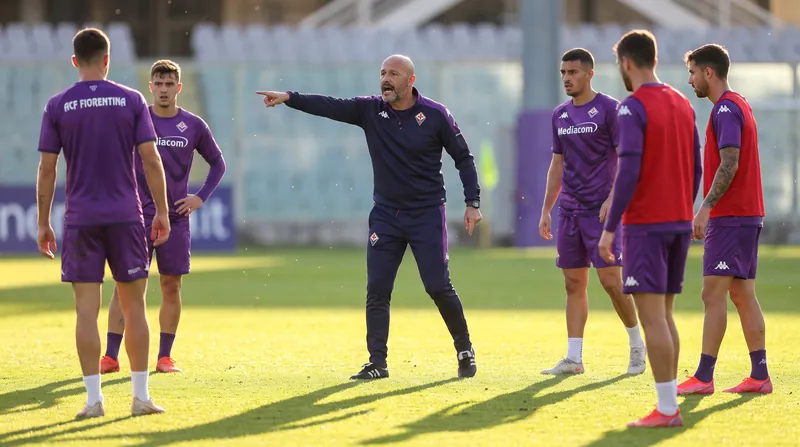
Fiorentina Re-Hire Paolo Vanoli as Head Coach After Sacking Fabio Grosso Three Matches Into Season
6 sources
Revenue Distribution
The €853 Million 'Value Pillar': How UEFA's New Champions League Revenue Engine Actually Works
7 sources

Mount Mizhirgi
Avalanche Kills 11 Climbers and Leaves Six Missing on Russia's Mount Mizhirgi
6 sources

Every angle. Every day.
Get Sports stories with full source coverage and perspective breakdowns delivered to your inbox.