
Bundesliga Adopts UEFA-Style Squad Cost Rule, Limiting Club Spending to 70% of Revenue
The Deutsche Fußball Liga has unanimously approved a new financial regulation capping player-related spending at 70% of a club's total revenue. The measure will be phased in starting with the 2026-27 season to ensure long-term economic stability across Germany's top two divisions.

Seventy percent. That is the new impassable ceiling for squad spending in German professional football, following a unanimous vote by the 36 clubs of the Bundesliga and 2. Bundesliga to fundamentally restructure their economic model. Ratified at the Deutsche Fußball Liga (DFL) general assembly, the sweeping new regulation mandates that teams can no longer spend more than 70% of their relevant revenues on player wages, transfer amortizations, and agent fees.[3][4]
The move aligns Germany's top two tiers directly with UEFA's Financial Sustainability Regulations, but with a distinctly domestic edge. DFL CEO Marc Lenz positioned the cap as an "advanced form of financial fair play," designed to shield the league from the unchecked cost escalation that has plunged other European divisions into systemic debt.[1][3]
"With this rule we take an important step to protect the long-term sustainability of our leagues and avoid extreme cases which could damage competitive integrity," Lenz told the assembly. The regulation places German football among the most strictly governed sporting ecosystems in the world, reinforcing a long-standing reputation for cautious, fan-centric management.[5]
The mechanics of the cap are designed to close loopholes that have plagued previous financial fair play iterations. Artificial financial boosts from private investors—or inflated sponsorship deals from associated corporate owners like Red Bull, Bayer, and Volkswagen—will be strictly assessed at fair market value. They cannot be used to artificially inflate a club's revenue denominator to permit higher squad spending.[6]
Implementation will not happen overnight. The DFL has structured a transitional runway, introducing the cap gradually starting in the 2026-27 season. Clubs will operate under a softened sanctions regime during this grace period, giving them time to offload bloated contracts and restructure their wage bills before full enforcement takes effect in the 2028-29 campaign.[3][5]
Once fully active, the consequences for breaching the 70% threshold will be severe. The DFL has outlined a rigid sanctions catalog that includes heavy financial fines, immediate points deductions in the league standings, and outright bans on registering new players. German football chiefs intend for these penalties to be far more consistently applied than UEFA's historically variable punishments.[5][6]
To prevent the rule from cementing a permanent hierarchy, the DFL included a crucial competitive balance mechanism. Clubs that do not qualify for European competitions will be granted slightly greater financial flexibility. This targeted adjustment aims to help mid-table and lower-tier teams bridge the revenue gap with the Champions League regulars who benefit from massive UEFA broadcasting payouts.[5]
The unanimous agreement arrives from a position of strength rather than panic. German professional football is currently operating in the black; during the 2024-25 season, Bundesliga clubs reported a combined profit of €242.1 million, while the 2. Bundesliga added an additional €29.5 million. The new cap is a preemptive strike to lock in that stability.[5]
Paradoxically, this strict limitation on spending is making German clubs increasingly attractive to institutional capital. Financial analysts note that by capping variable costs like skyrocketing salaries and exorbitant agent commissions, the DFL is providing investors with a rare commodity in modern football: predictability.[1]
Anyone injecting capital into a German club now knows there is a hard regulatory perimeter protecting the balance sheet from speculative drift. While the famous 50+1 rule still ensures that fan-members retain majority voting rights, the 70% squad cost ratio acts as a bridge, mitigating the risk for minority investors who view the Bundesliga as a uniquely stable growth market.[1]
As the English Premier League experiments with a more generous 85% spending allowance and other leagues scramble to manage pandemic-era debt hangovers, the Bundesliga has drawn a definitive line in the sand. By tying ambition directly to sustainable revenue, German football is betting that financial discipline will ultimately yield the most resilient competitive product in Europe.[5][6]
Key points
- The 36 clubs of the Bundesliga and 2. Bundesliga unanimously voted to cap squad spending at 70% of relevant revenue.
- The new rule covers player salaries, transfer amortizations, and agent commissions.
- Implementation begins in the 2026-27 season, with full enforcement and strict sanctions taking effect by 2028-29.
- Clubs breaching the limit face financial fines, points deductions, and bans on registering new players.
- A special provision grants slightly more financial flexibility to clubs not participating in lucrative European competitions.
- League Executives
- Prioritizing long-term solvency over short-term spending arms races.
- Institutional Investors
- Viewing strict financial regulation as a guarantee of market predictability.
- Mid-Table Competitors
- Seeking a balance between financial discipline and the ability to challenge the elite.
Perspectives this story doesn't cover
- Player Agents and Union Representatives
- Ultra Fan Groups
Sources
Source coverage
6 outlets
3 viewpoints surfaced






- [1]Social Football SummitInstitutional Investors
A new paradigm for capital: why the Bundesliga's regulatory stability is becoming a magnet for major international investors
Read on Social Football Summit → - [2]Get German Football News
DFL to vote on new financial penalties for clubs
Read on Get German Football News → - [3]SportsINLeague Executives
German football approves limiting squad spending to 70% of revenue
Read on SportsIN → - [4]Off The PitchMid-Table Competitors
Bundesliga clubs approve 70 per cent squad cost cap
Read on Off The Pitch → - [5]NogomaniaLeague Executives
Bundesliga introduces strict 70 percent wage rule for all clubs
Read on Nogomania → - [6]FootballTransfersMid-Table Competitors
Bundesliga approves new SCR rule
Read on FootballTransfers →

More in Sports
See all →Player Workload
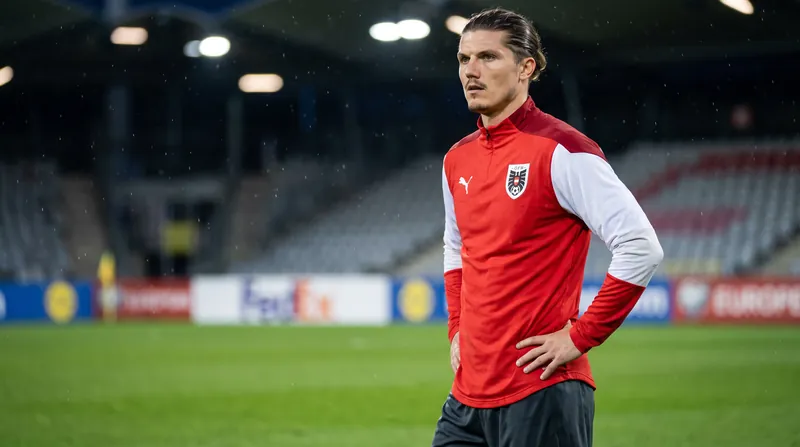
Marcel Sabitzer Steps Away From Austrian National Team to Manage Workload
5 sources
Champions League
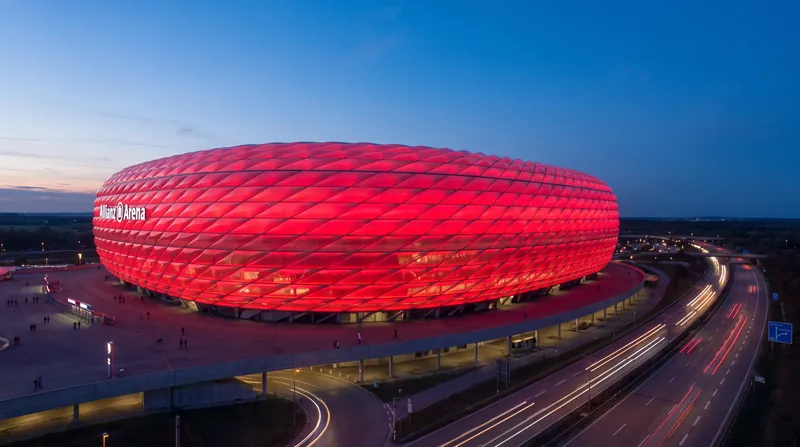
UEFA Confirms Allianz Arena and Camp Nou as 2028 and 2029 Champions League Final Hosts
6 sources
Gladbach Crisis
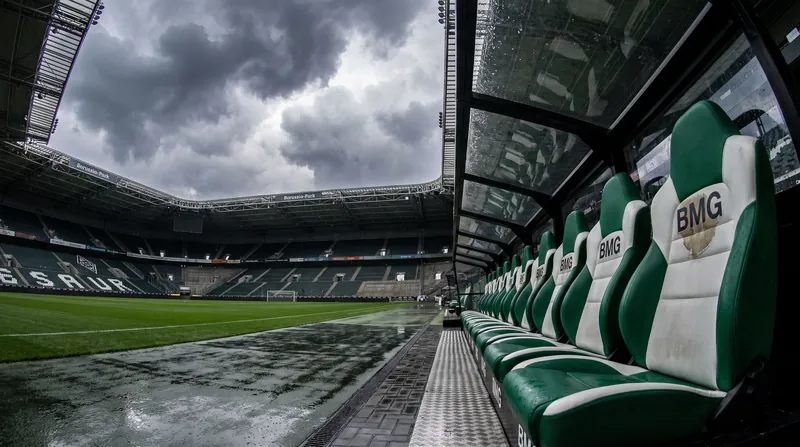
Borussia Mönchengladbach Fire Head Coach Eugen Polanski After Winless Start to Bundesliga Season
5 sources
Bundesliga Summit
SC Freiburg Climbs to Top of Bundesliga Table After 5-0 Rout of Mönchengladbach
6 sources

Comments
Every angle. Every day.
Get Sports stories with full source coverage and perspective breakdowns, free every day.