
Why Health and Fitness Have Replaced Material Goods as the Ultimate Status Symbol
Consumers across generations are reallocating their luxury budgets from designer goods to wellness optimization, turning sleep, longevity, and mental health into the new markers of success. This trillion-dollar capital shift is forcing industries from real estate to corporate management to redesign their offerings around biological and psychological well-being.
By Irina Belova
In short
- Health and fitness have surpassed material goods as the primary indicators of a successful, aspirational lifestyle.
- The wellness real estate market is projected to reach $1.1 trillion by 2029 as buyers demand health-optimized homes.
- Corporate executives are increasingly adopting mindfulness and inner peace as markers of enlightened leadership.
The era of the designer handbag and the flashy sports car as the ultimate markers of success is quietly fading. In their place, a new, deeply personal metric of affluence has emerged: the optimized human body. From meticulously tracked sleep cycles to bespoke nutrition protocols, health and fitness have become the defining status symbols of the modern age.
This isn't just about looking good in a tailored suit; it is about the radiant, un-fakeable energy that comes from genuine biological alignment. Consumers are increasingly realizing that true luxury is waking up without an alarm, moving without joint pain, and possessing the mental clarity to navigate a hyper-stimulated world with ease.
The numbers reveal a staggering capital flight from traditional material goods into the wellness economy. Across generations, buyers are trading up on supplements, functional foods, and recovery tools. Gen Z, in particular, is leading the charge, treating science-backed nutrition and disruptor wellness brands as cultural flexes.[1]
This prioritization of health is fundamentally reshaping the spaces where we live and breathe. The wellness real estate market, which integrates features like circadian lighting, advanced air purification, and dedicated recovery rooms, is exploding. Valued at $584 billion in 2024, it is projected to nearly double to $1.1 trillion by 2029.
Buyers are no longer just looking for square footage or marble countertops; they are investing in environments that actively nurture their physical and mental state. A spa-inspired bathroom with a eucalyptus-infused steam shower or a kitchen optimized for holistic meal prep is now a critical differentiator in the luxury housing market.
The pursuit of wellness has also infiltrated the boardroom, where "inner peace" is rapidly becoming the new corporate status symbol. Executives are trading golf course networking for guided breathwork sessions and silent meditation retreats, signaling a shift toward compassionate, centered leadership.[2]
According to recent data, 70% of surveyed employees report that their companies have increased investments in well-being programs and mental health support. When leaders actively participate in these initiatives, it sets a cultural tone that values resilience and emotional intelligence over toxic hustle.[2]
In social circles, the conversation has pivoted from the latest luxury acquisitions to the nuances of gut health, longevity protocols, and fitness milestones. Good health is highly aspirational, and consumers are proud to display their wellness journeys, whether through wearable tech data or the vibrant, nutrient-dense foods they consume.
This shift is driving massive innovation in the grocery aisle. Consumers are seeking out products that offer clear, science-backed benefits—from prebiotic sodas that support digestion to collagen-infused snacks that promote skin elasticity. The focus is on "better-for-you" options that do not compromise on taste or convenience, yet actively contribute to a holistic health strategy.[1]
Traditional luxury brands and hospitality groups are scrambling to adapt to this new reality. High-end resorts are redefining luxury travel by centering their experiences on holistic wellness, offering everything from natural spa treatments to immersive mindfulness programming.
Modern consumers associate luxury with self-care and mental health, and they expect brands to reflect this broader, more meaningful vision of indulgence. Companies that fail to integrate genuine wellness benefits into their offerings risk appearing out of touch with a consumer base that values authenticity over superficial prestige.
While the highest tiers of this trend involve expensive retreats and premium real estate, the core philosophy—prioritizing sleep, nutrition, and movement—is increasingly accessible. The cultural shift toward valuing health over possessions is a net positive, encouraging a more proactive approach to personal care across all income levels.
Wearables and health-tracking apps have gamified the wellness experience, turning invisible metrics like heart rate variability and REM sleep into tangible, shareable achievements. This data-driven approach allows individuals to take ownership of their health, transforming preventative care into a daily, empowering ritual.
As we look toward the end of the decade, the integration of health into every facet of life will only deepen. The boundaries between fitness, beauty, nutrition, and mental health are blurring into a single, cohesive lifestyle orientation.[4]
Ultimately, the rise of health as a status symbol reflects a profound realization: the most valuable asset anyone can possess is a vibrant, capable body and a peaceful mind. In a world of endless consumer choices, the ultimate luxury is simply feeling truly, completely well.
How we did this
- Method
- Comparing the valuation trajectories of traditional status sectors against emerging wellness asset classes (like wellness real estate and corporate mindfulness programs) to quantify the premium consumers are now paying for biological and mental optimization over material goods.
- What we found
- The data indicates that the 'status symbol' economy has structurally decoupled from physical goods and transitioned into spatial and biological investments, with trillion-dollar capital flows now directed toward environments (homes and workplaces) that actively engineer human health rather than merely displaying wealth.
- What we worked from
- Wellness real estate market projection: $1.1 trillion by 2029
- Corporate well-being investment increase: 70% of surveyed companies — Observer
- Limits of this analysis
- Wellness spending is broad and often self-reported, making it difficult to isolate exactly how much of this capital is explicitly motivated by status-signaling versus pure health utility.
Terms to know
- Wellness Real Estate
- Residential and commercial properties proactively designed and built to support the holistic health of their occupants.
- Disruptor Brands
- Innovative, often smaller companies that challenge established market leaders by offering products with clear functional benefits and strong cultural relevance.
- Circadian Lighting
- Artificial lighting systems designed to mimic the natural progression of daylight, supporting the body's internal clock and improving sleep quality.
- Functional Foods
- Foods that have a potentially positive effect on health beyond basic nutrition, often enhanced with added ingredients like probiotics or adaptogens.
- Bio-alignment
- The practice of adjusting one's lifestyle, diet, and environment to work in harmony with the body's natural biological rhythms and needs.
Questions readers ask
Why is wellness replacing traditional luxury goods?
Consumers are realizing that material possessions offer diminishing returns on happiness, whereas investments in sleep, nutrition, and mental health directly improve their daily quality of life and longevity.
How is the real estate market adapting to this trend?
The wellness real estate sector is booming, with buyers demanding homes equipped with circadian lighting, advanced air and water purification systems, and dedicated spaces for meditation and recovery.
What role does technology play in wellness as a status symbol?
Wearable devices and health apps have made invisible health metrics—like sleep quality and heart rate variability—visible and shareable, turning personal health optimization into a measurable achievement.
How are corporate environments changing?
Many executives are embracing mindfulness and well-being programs, viewing inner peace and emotional intelligence as new markers of effective, modern leadership.
Different angles
The Holistic Consumer's View
Investing in physical and mental health yields the highest return on investment for overall life satisfaction.
For the modern wellness consumer, the definition of a life well-lived has fundamentally shifted away from material accumulation. This demographic views time, energy, and mental clarity as the ultimate luxuries. By investing in high-quality sleep, nutrient-dense foods, and restorative environments, they are actively engineering their daily experience to minimize stress and maximize vitality. To them, a gym membership or a premium supplement is not a discretionary expense, but a non-negotiable foundation for a capable, resilient life.
The Corporate Leadership View
Mindfulness and well-being are essential tools for sustaining high performance and signaling enlightened management.
In the upper echelons of the corporate world, the glorification of burnout is being replaced by the pursuit of 'inner peace.' Executives are increasingly recognizing that chronic stress degrades decision-making and stifles innovation. By publicly participating in meditation retreats, digital detoxes, and breathwork sessions, leaders are signaling a new kind of professional capital. This approach not only enhances their own cognitive endurance but also sets a cultural precedent that prioritizes sustainable productivity over toxic hustle.
The Market Analyst's View
The massive capital shift from traditional luxury goods to wellness-oriented products represents a permanent structural change in consumer behavior.
Financial analysts observe that the wellness economy is not merely growing alongside the traditional luxury sector; it is actively cannibalizing it. As entry-level aspirational shoppers opt out of empty materialism, they are redirecting their discretionary income toward functional foods, sleep technology, and wellness real estate. This trillion-dollar reallocation of capital is forcing legacy brands to pivot their strategies, proving that the 'better-for-you' movement is a permanent evolution in market demand rather than a fleeting trend.
- Holistic Consumers
- Argue that investing in physical and mental health yields the highest return on investment for overall life satisfaction.
- Corporate Leaders
- View mindfulness and well-being as essential tools for sustaining high performance and signaling enlightened management.
- Market Analysts
- Track the massive capital shift from traditional luxury goods to wellness-oriented products and real estate as a permanent structural change.
- Brand Strategists
- Emphasize that companies must pivot their messaging to align with wellness and authenticity to remain culturally relevant.
Perspectives this story doesn't cover
- Accessibility Advocates
- Medical Professionals
Sources
Source coverage
4 outlets
4 viewpoints surfaced




- [1]McKinsey & CompanyMarket Analysts
Why cookies are the new Gen Z status symbol
Read on McKinsey & Company → - [2]ObserverCorporate Leaders
The New Corporate Status Symbol: Inner Peace
Read on Observer → - [3]ForbesHolistic Consumers
Wellness Is The New Luxury: Is Healthy And Happy The Future Of Retail?
Read on Forbes → - [4]Factlen Editorial TeamBrand Strategists
Synthesis by Factlen editorial team
Read on Factlen Editorial Team →
More in Lifestyle
See all →Dietary Science
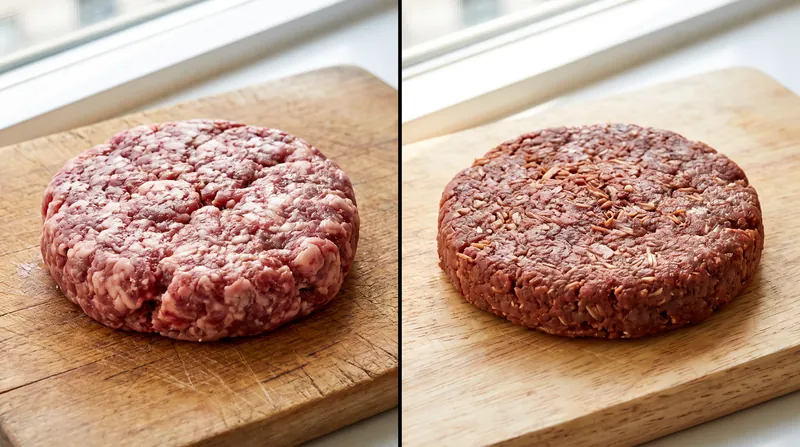
Plant-Based Meat vs. Animal Meat: How the Nutritional Profiles Actually Compare
2 sources
Infant Skincare
Bathing Newborns Just Once a Week May Prevent Eczema, New Trial Finds
4 sources

Behavioral Economics
How the Sunk Cost Fallacy Causes Irrational Escalation of Commitment
10 sources

Behavioral Psychology
Diffusion of Responsibility and Pluralistic Ignorance: The Two Psychological Mechanisms That Drive the Bystander Effect
7 sources
Comments
Every angle. Every day.
Get Lifestyle stories with full source coverage and perspective breakdowns, free every day.