
The Science of Altitude Sickness: How Hypoxia Affects the Body and the Evidence-Based Strategies for Prevention
As travelers increasingly seek out high-altitude destinations, understanding the physiological mechanics of hypoxia is essential. Evidence-based protocols offer clear strategies for preventing and treating acute mountain sickness before it derails a trip.

In short
- Hypobaric hypoxia occurs because lower barometric pressure at altitude delivers fewer oxygen molecules per breath.
- The body adapts by increasing breathing and heart rates, and eventually producing more red blood cells.
- Acute Mountain Sickness is caused by mild brain swelling and presents as headache, nausea, and fatigue.
The air at 10,000 feet feels crisp, clean, and deceptively normal. You step off a plane in Cusco or a cable car in Chamonix, and your lungs pull in the same volume of air they always do. Yet, within hours, a dull throb might bloom at the base of your skull, accompanied by a wave of nausea that makes the local cuisine suddenly unappealing.
This is the central tension of high-altitude travel: the environment looks pristine, but the invisible physics of the atmosphere are actively starving your cells of oxygen. Resolving this tension does not require avoiding the mountains; it requires understanding the precise mechanics of how your body adapts to the sky.[5]
The culprit is not a lack of oxygen molecules, but a lack of pressure. At sea level, the weight of the atmosphere compresses oxygen, driving it forcefully across the delicate membranes of your lungs and into your bloodstream. As you ascend, that barometric pressure drops.
The oxygen is still there, making up roughly 21 percent of the air, but the driving force behind it fades. This state, known as hypobaric hypoxia, means every breath delivers fewer oxygen molecules to your tissues. Your body immediately senses this deficit and launches a cascade of compensatory mechanisms to keep you functioning.[3]
The first adaptation is the most obvious: you breathe faster and deeper, a process called the hypoxic ventilatory response. Your heart rate elevates, pumping the limited oxygen more rapidly to vital organs. Over the next few days, your kidneys begin releasing erythropoietin, a hormone that stimulates the production of new red blood cells to carry more oxygen.
This is the magic of acclimatization, a biological marvel that allows humans to thrive in environments that would otherwise be lethal. But this process takes time, and when travelers ascend faster than their bodies can adapt, the system falters.[4]
The most common manifestation of this failure is Acute Mountain Sickness. Think of it as a neurological hangover. The exact mechanism is still debated among researchers, but the prevailing theory suggests that hypoxia causes blood vessels in the brain to dilate in an attempt to deliver more oxygen.
This increased blood flow, combined with changes in the permeability of the blood-brain barrier, leads to mild swelling. The resulting pressure against the skull manifests as the classic symptoms: headache, fatigue, dizziness, and a profound loss of appetite that can ruin an otherwise spectacular trek.[3][4]
If the ascent continues despite these warning signs, the mild swelling of Acute Mountain Sickness can progress to High Altitude Cerebral Edema, a life-threatening condition where severe brain swelling causes confusion, loss of coordination, and eventually coma. Simultaneously, the lungs can fall victim to High Altitude Pulmonary Edema.
In this condition, the blood vessels in the lungs constrict unevenly in response to hypoxia, causing fluid to leak into the air sacs. A traveler will experience extreme breathlessness even at rest, a persistent cough, and a terrifying sensation of drowning on dry land.[3][4]
Preventing these conditions is where the science of altitude medicine shines. The Wilderness Medical Society outlines clear, evidence-based guidelines for civilian travelers. The golden rule is simple: above 3,000 meters, do not increase your sleeping elevation by more than 500 meters per day, and include a rest day for every 1,000 meters gained.
This staged ascent gives the body the time it needs to execute its physiological adaptations. However, military medical research highlights a different approach for rapid deployments, relying heavily on predictive susceptibility models and pharmacological interventions when time is a luxury the traveler does not have.[1][2]
For those who must ascend rapidly, or who have a history of altitude illness, medication offers a proven bridge. Acetazolamide is the gold standard prophylactic. Unlike painkillers that merely mask a headache, acetazolamide fundamentally alters your blood chemistry. It forces the kidneys to excrete bicarbonate, making the blood slightly more acidic. This mild acidosis tricks the brain into thinking there is an excess of carbon dioxide, stimulating deeper and faster breathing, especially during sleep. This accelerates the acclimatization process and significantly reduces the incidence of illness.[1][3]
If symptoms do appear, the treatment protocol is rigidly defined by altitude medicine specialists. For mild cases, the prescription is simple: stop ascending. Rest, hydrate, and allow the body to catch up. Ibuprofen or acetaminophen can manage the headache, and anti-emetics can control nausea. If symptoms fail to improve after a day of rest, or if they worsen, the only definitive cure is descent. Dropping even 500 to 1,000 meters can bring rapid and dramatic relief as the barometric pressure increases and oxygen delivery is restored to the starving tissues.[1]
Beyond pacing and pills, the traveler's daily habits play a crucial role in the mountains. High-altitude environments are notoriously dry, and the increased breathing rate accelerates fluid loss. Dehydration mimics and exacerbates the symptoms of altitude sickness, making aggressive hydration essential. Furthermore, the body's preferred fuel shifts at altitude. Digesting fats and proteins requires more oxygen than digesting carbohydrates. Shifting your diet toward complex carbohydrates in the days leading up to and during an ascent provides a more oxygen-efficient energy source for the journey.[5]
Despite decades of research, altitude medicine still harbors mysteries. Why do two individuals of similar age, fitness, and experience react completely differently to the same ascent profile? Genetic predispositions play a role, but reliable, accessible biomarkers to predict individual susceptibility before a trip remain elusive. Until personalized predictive models become widely available, the best defense is a conservative itinerary, an understanding of the symptoms, and the humility to listen to the body when it asks for more time to adapt to the sky.[2][5]
How we did this
- Method
- A comparative synthesis of altitude acclimatization thresholds and prophylactic medication efficacies across civilian wilderness guidelines and military medical protocols.
- What we found
- While civilian guidelines prioritize slow, staged ascents as the primary prevention mechanism, military protocols heavily index on pharmacological prophylaxis and predictive susceptibility modeling due to the necessity of rapid deployment, revealing a fundamental divergence in altitude medicine based on the traveler's time constraints.
- What we worked from
- Recommended ascent rate above 3,000 meters (300-500m/day): 500m/day — Wilderness & Environmental Medicine
- Susceptibility prediction models and rapid deployment protocols: Rapid insertion — Military Medical Research
- Limits of this analysis
- The analysis relies on generalized population data and cannot predict individual physiological responses to hypoxia, which remain highly variable regardless of the prophylactic strategy employed.
Key terms
- Hypobaric Hypoxia
- A state of reduced oxygen availability in the body caused by the lower barometric pressure at high altitudes.
- Acclimatization
- The physiological process by which the body adapts to a decrease in oxygen concentration over time.
- Acute Mountain Sickness
- A mild to moderate neurological syndrome caused by rapid ascent, characterized by headache, nausea, and fatigue.
- High Altitude Pulmonary Edema
- A severe, life-threatening condition where fluid accumulates in the lungs due to altitude exposure.
- Acetazolamide
- A medication that accelerates acclimatization by altering blood acidity to stimulate deeper breathing.
Frequently asked
Does physical fitness prevent altitude sickness?
No. While cardiovascular fitness improves overall endurance, it does not accelerate the body's acclimatization process or prevent acute mountain sickness.
How quickly does acetazolamide work?
Acetazolamide should ideally be started 24 hours before ascending to altitude to allow the body to adjust its blood chemistry and breathing rate.
Is it safe to sleep at high altitude immediately after flying in?
It is generally not recommended to sleep above 9,000 feet on the first night after arriving from sea level; spending a night at an intermediate altitude significantly reduces the risk of illness.
Viewpoints in depth
The Wilderness Medicine View
Prioritizes natural acclimatization through conservative ascent profiles.
Civilian medical guidelines strongly advocate for the 'climb high, sleep low' philosophy. This perspective argues that the human body is perfectly capable of adapting to extreme altitudes if given adequate time. By limiting daily sleeping elevation gains to 500 meters and incorporating mandatory rest days, practitioners believe the vast majority of altitude illness can be prevented without the need for pharmacological intervention, preserving medications strictly for treatment or high-risk individuals.
The Occupational and Military View
Focuses on rapid deployment and pharmacological prevention.
For military personnel, rescue workers, or specialized laborers, a staged, multi-day ascent is often operationally impossible. This perspective drives research into predictive susceptibility models, attempting to identify who will get sick before they deploy, and relies heavily on prophylactic medications like acetazolamide or dexamethasone. The goal is to artificially accelerate the body's adaptation process to meet the demands of an immediate, high-altitude insertion.
- Wilderness Medicine Practitioners
- Prioritizes natural acclimatization through conservative ascent profiles and pacing.
- Occupational and Military Researchers
- Focuses on rapid deployment strategies, predictive modeling, and pharmacological prevention.
- High-Altitude Guides
- Emphasizes symptom recognition, group management, and immediate descent protocols in the field.
Perspectives this story doesn't cover
- Indigenous high-altitude populations
- Commercial aviation physiologists
Sources
Source coverage
5 outlets
3 viewpoints surfaced




- [1]Wilderness & Environmental MedicineWilderness Medicine Practitioners
Wilderness Medical Society Clinical Practice Guidelines for the Prevention, Diagnosis, and Treatment of Acute Altitude Illness: 2024 Update
Read on Wilderness & Environmental Medicine → - [2]Military Medical ResearchOccupational and Military Researchers
Acute high-altitude illness: risk factors, susceptibility prediction, and personalized prevention and treatment
Read on Military Medical Research → - [3]StatPearlsWilderness Medicine Practitioners
Acute Mountain Sickness
Read on StatPearls → - [4]European Respiratory Review
Acute high-altitude sickness
Read on European Respiratory Review → - [5]Factlen Editorial TeamHigh-Altitude Guides
Synthesis by Factlen editorial team
Read on Factlen Editorial Team →
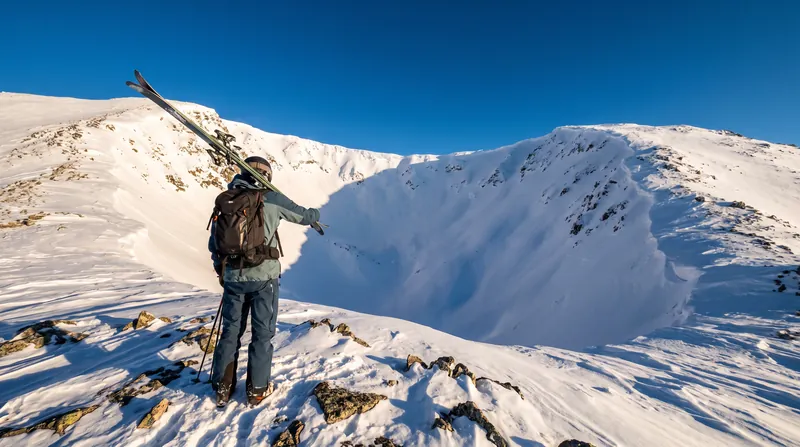
More in Travel
See all →Climbing Grades
The 5.12 Grade: How the Yosemite Decimal System Actually Rates Technical Climbing Difficulty
5 sources
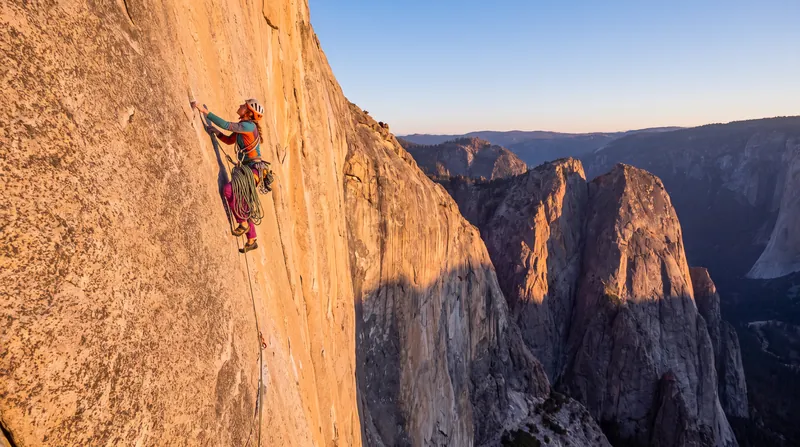
Altitude Acclimatization
The 1,000-Foot Rule: The Maximum Daily Sleeping Elevation Gain That Prevents Acute Mountain Sickness
8 sources
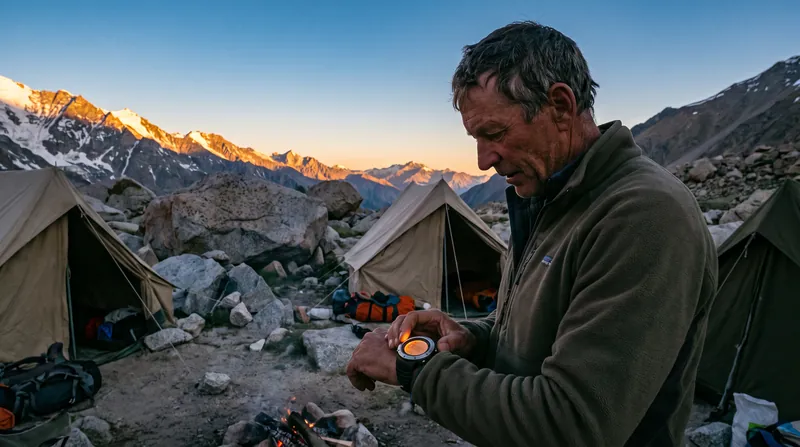
Gear Science
The Fill Power Number: How the Volume of Down, Not Its Weight, Determines a Sleeping Bag's Warmth Rating
6 sources
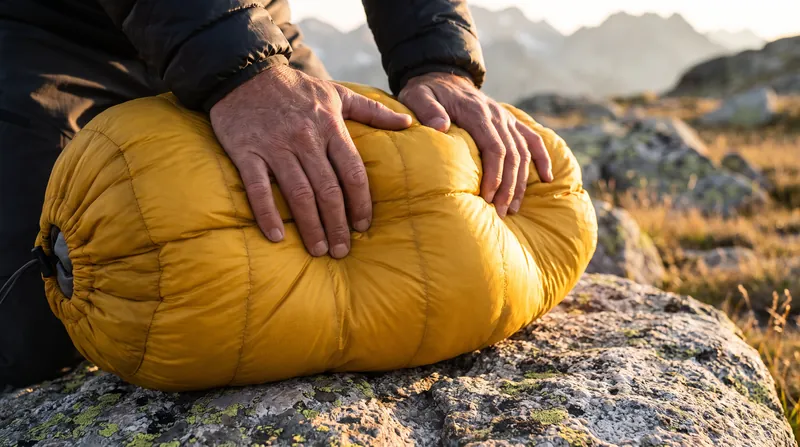
High-Altitude Physiology
The 7,000-Meter Threshold: Why Supplemental Oxygen Becomes Medically Necessary for Most Climbers in the Death Zone
3 sources
Comments
Every angle. Every day.
Get Travel stories with full source coverage and perspective breakdowns, free every day.