
The Explainer: How Lab-Grown Diamonds and Biotech Leather Are Reshaping High-End Luxury
Heritage fashion houses like Hermès, Prada, and LVMH are embracing lab-grown diamonds and mycelium leather, redefining luxury around sustainable engineering rather than natural scarcity.
By Factlen Editorial Team
- Heritage Luxury Brands
- Argue that lab-grown materials offer unprecedented creative control and sustainability without compromising on high-end pricing or exclusivity.
- Biotech Innovators
- Focus on the scientific breakthroughs that allow engineered materials to match or exceed the physical properties of natural resources.
- Traditional Luxury Purists
- Maintain that true luxury is inherently tied to the rarity, geological history, and natural scarcity of mined diamonds and exotic skins.
What's not represented
- · Traditional leather artisans and farmers
- · Natural diamond mining communities
Why this matters
As the $400 billion luxury market shifts toward sustainable biotechnology, consumers are gaining access to high-end goods that offer unprecedented creative designs and verifiable ethical origins without sacrificing heritage craftsmanship.
Key points
- Heritage luxury brands are increasingly adopting lab-grown diamonds and biotech leather.
- LVMH has invested heavily in solar-powered diamond producers and launched high-end lab-grown collections.
- Hermès partnered with MycoWorks to create a version of its Victoria bag using mycelium-based vegan leather.
- Lab-grown materials allow for unprecedented creative control, such as custom diamond cuts and vivid colors.
- Luxury houses are maintaining premium price points for these items, shifting the value from natural rarity to sustainable engineering.
The definition of luxury is undergoing a profound transformation. For centuries, the ultimate status symbols were defined by their rarity in the natural world—diamonds pulled from deep within the earth, or exotic animal skins harvested at great expense. Today, a new paradigm is emerging. Heritage fashion houses are shifting their focus from natural extraction to sustainable engineering, embracing lab-grown materials not as budget substitutes, but as the pinnacle of modern craftsmanship. This evolution represents a fundamental rethinking of what makes an object truly valuable in the twenty-first century.[7]
This transition is most visible in the historically conservative world of fine jewelry. For decades, the industry establishment maintained a strict barrier, arguing that only natural diamonds possessed true lasting value. Traditionalists insisted that the millions of years required to form a gem beneath the earth's crust were inextricably linked to its worth, dismissing engineered stones as mere artificial substitutes. However, that wall has been decisively breached by the very conglomerates that define high-end luxury, signaling a shift that is rippling through ateliers worldwide and forcing a reevaluation of heritage aesthetics.[1]
LVMH, the world's largest luxury group, signaled a massive industry shift when its Luxury Ventures arm led a $90 million investment round in Lusix, an Israeli producer of solar-powered lab-grown diamonds. By backing a facility that grows premium stones in large-scale reactors, LVMH effectively gave its official luxury imprimatur to the lab-grown sector. This move proved that engineered gems are destined for the highest echelons of fashion, transforming a niche sustainable alternative into a central pillar of future high jewelry collections.[1]
The appeal of these engineered stones goes far beyond their reduced environmental footprint; they offer unprecedented creative control. Because lab-grown diamonds are created in highly controlled laboratory environments, designers can dictate exact specifications that would be impossibly rare or prohibitively expensive to find in nature. This technological advantage frees luxury houses from the constraints of natural supply, allowing them to experiment with bold new shapes, flawless clarities, and vivid colors that were previously unimaginable at scale. For the modern artisan, the laboratory has become an extension of the design studio.[3]

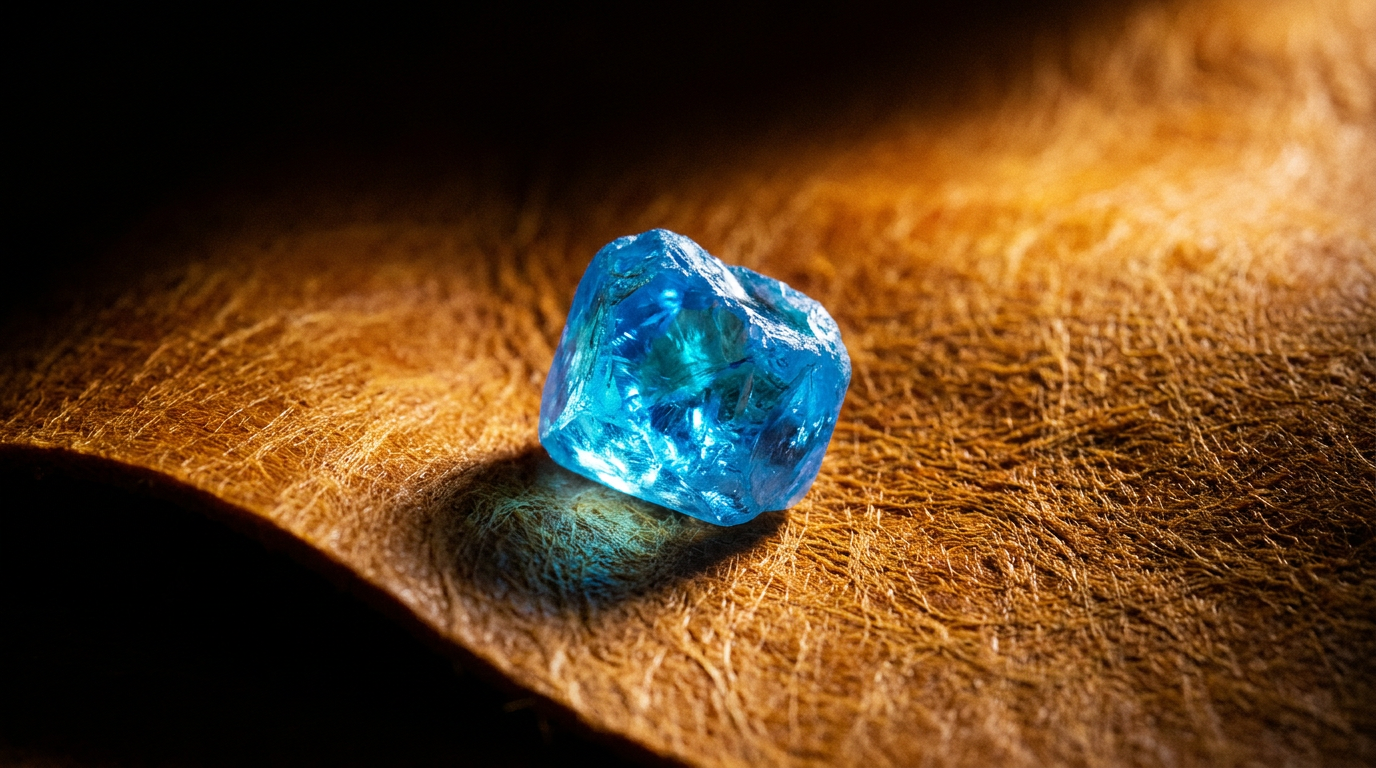
This creative liberation was spectacularly showcased by LVMH's Parisian jewelry brand, Fred, which launched its 'Audacious Blue' collection featuring lab-grown blue diamonds. The centerpiece of the collection is an 8.88-carat lab-created blue gem, precision-cut into the brand's proprietary 'FRED Hero Cut.' Achieving such a specific, vivid hue and flawless clarity in a natural diamond of that size would be an astronomical rarity, commanding prices well into the tens of millions. But laboratory cultivation makes it a repeatable art form, blending high science with high glamour to offer clients something entirely unique.[3][6]
Prada has similarly embraced the aesthetic flexibility of lab-grown gems to reinforce its brand identity. The Italian house launched its 'Eternal Gold' fine jewelry collection using 100 percent certified recycled gold paired exclusively with lab-grown diamonds. Taking advantage of the manufacturing process, Prada developed its own patented 'Prada Cut'—a diamond shaped to perfectly mimic the fashion house's iconic triangle logo. This level of bespoke geometric tailoring demonstrates how brands are using biotechnology to embed their DNA directly into the physical structure of the gemstone.[2][3]
To understand why these stones qualify as luxury, it is essential to understand the mechanism behind their creation. Lab-grown diamonds are not cubic zirconia or synthetic simulants; they are chemically, physically, and optically identical to mined diamonds. Using processes like Chemical Vapor Deposition (CVD), scientists place a microscopic diamond seed in a vacuum chamber filled with carbon-rich gas. Under intense heat and pressure, the gas ionizes, and pure carbon bonds to the seed, atom by atom, growing a flawless diamond over a matter of weeks rather than millions of years.[2][7]
To understand why these stones qualify as luxury, it is essential to understand the mechanism behind their creation.
Crucially, luxury brands are not using these materials to lower their prices or cater to a budget market. The value proposition has simply shifted from the rarity of the raw material to the exclusivity of the design and the ethics of its origin. When LVMH's TAG Heuer introduced its first timepiece featuring lab-grown diamonds, it arrived with a super-luxury price tag of $360,000. The brand utilized the technology to create unique shapes and textures that would be impossible to carve from traditional stones, proving that lab-grown materials can command top-tier valuations.[1][7]
This biotech revolution extends far beyond jewelry, reaching deep into the $400 billion global leather goods market. Hermès, a French maison synonymous with the world's most exclusive traditional leather craftsmanship, has quietly positioned itself at the forefront of this transition. While the brand built its reputation on flawless calfskin and exotic hides, it recognized that the future of luxury requires adapting to new ecological realities without sacrificing the tactile perfection that defines its heritage. Embracing biomaterials represents a bold evolution for a house so deeply rooted in centuries-old artisanal traditions.[4][5]

After three years of secretive development, Hermès partnered with the California-based biotechnology startup MycoWorks to reimagine its classic Victoria travel bag. The result is a groundbreaking accessory crafted from canvas, traditional calfskin, and a revolutionary new material called Sylvania. By introducing a lab-grown textile into one of its core product lines, Hermès sent a powerful signal to the rest of the fashion industry: sustainable alternatives are no longer experimental novelties, but viable components of the highest-end luxury goods, capable of standing shoulder-to-shoulder with the finest animal leathers.[4][5][8]
Sylvania is a vegan leather alternative grown entirely from mycelium—the intricate, thread-like root structure of fungi. Using a patented process called Fine Mycelium, MycoWorks cultivates these fungal threads in specialized trays, engineering them to bind together into a dense, interwoven structure. Unlike earlier iterations of mushroom leather that required heavy compression and synthetic plastic coatings to hold together, this advanced cultivation technique naturally mimics the strength, durability, and rich texture of conventional cowhide right out of the growth tray, offering a truly premium feel.[4][8]
The mechanism of creating Sylvania is a perfect marriage of Silicon Valley biotechnology and Parisian heritage. Once the raw mycelium sheets are grown and harvested in California, they are shipped across the Atlantic to France. There, highly skilled Hermès artisans tan and finish the fungal material using the exact same meticulous techniques they apply to premium animal leather. This traditional finishing process refines the material's structural strength, enhances its water resistance, and gives it a luxurious, warm amber hue that ages beautifully over time.[4][8]
By treating mycelium with the same reverence as exotic skins, Hermès is demonstrating that sustainability does not require a compromise in quality or longevity. The material is entirely petroleum-free and animal-free, offering a significantly lower environmental footprint while maintaining the tactile luxury that Hermès clients expect. It proves that the future of high fashion lies in elevating sustainable raw materials through uncompromising, centuries-old craftsmanship, ensuring that eco-friendly products can still function as coveted, generational heirlooms rather than disposable seasonal trends.[4][5]

As these next-generation materials enter the market, proving their authenticity and ethical origins has become a new priority for luxury houses. To address this, industry leaders including LVMH, Prada Group, and Richemont founded the Aura Blockchain Consortium. This collaborative technological initiative ensures that the sustainable claims made about these new materials can be independently verified by the consumer, preventing greenwashing and building long-term trust in an era where supply chain transparency is increasingly demanded by the public. It represents a unified front to protect the integrity of modern luxury.[2]
The consortium utilizes decentralized digital ledgers to create immutable 'digital passports' for luxury goods. For a lab-grown diamond ring or a mycelium leather handbag, this blockchain technology records the item's entire lifecycle. A buyer can trace the journey from the solar-powered lab where the gem was grown, to the artisan who set it, all the way to its final ownership history. This permanent digital identity is designed to accompany each piece from creation to resale, ensuring its provenance is never lost.[2]
This level of transparency is particularly crucial for younger luxury consumers. Millennials and Gen Z buyers are increasingly demanding that their high-end purchases align with their environmental and ethical values. They prioritize design flexibility, price transparency, and a verifiable reduction in carbon emissions over traditional notions of rarity. By adopting lab-grown materials and blockchain tracking, heritage brands are successfully future-proofing their appeal for the next generation of wealth, ensuring that their products resonate with a demographic that views sustainability as a non-negotiable component of prestige.[2][3]

The integration of lab-grown diamonds and biotech leather into the highest tiers of fashion represents a permanent paradigm shift. It signals that the future of luxury will not be defined by what can be extracted from the earth, but by what can be brilliantly, sustainably, and beautifully engineered. As science and craftsmanship continue to merge, the ultimate status symbol is no longer just about owning something rare—it is about owning something intentionally and flawlessly created, reflecting a deep respect for both the artisan's hand and the planet's future.[7]
How we got here
2018
The FTC rules that lab-grown diamonds can officially be marketed as real diamonds.
March 2021
Hermès announces its partnership with MycoWorks to develop a mycelium-based leather alternative.
June 2022
LVMH Luxury Ventures completes a $90 million investment in solar-powered diamond producer Lusix.
Late 2023
Prada launches its Eternal Gold collection, committing to lab-grown diamonds across its fine jewelry lines.
Viewpoints in depth
Heritage Luxury Houses
Embracing lab-grown materials to push creative boundaries and appeal to younger demographics.
For legacy brands like Prada and LVMH, lab-grown materials are not a concession to budget shoppers, but a new frontier of exclusivity. By utilizing engineered diamonds and biotech leather, these houses can offer unprecedented customization—such as Prada's proprietary triangle-cut diamonds or Fred's vivid blue gems. They argue that the true value of luxury lies in the design, the ethical transparency, and the meticulous craftsmanship, rather than the mere geological rarity of the raw material.
Biotech Innovators
Scaling sustainable science to meet the exacting standards of high fashion.
Companies like MycoWorks and Lusix view themselves as the new architects of luxury. Their focus is on perfecting the science—whether that means using solar power to run diamond-growing reactors or engineering fungal root structures to match the tensile strength of calfskin. For these innovators, the triumph is in creating materials that are chemically and physically indistinguishable from their natural counterparts, while entirely eliminating the environmental toll of mining and animal agriculture.
Traditional Luxury Purists
Defending the inherent value of natural scarcity and geological history.
Despite the shift among major conglomerates, a contingent of traditionalists and organizations like the Natural Diamond Council maintain that true luxury cannot be manufactured in weeks. They argue that the value of a mined diamond or an exotic skin is intrinsically tied to its rarity and the millions of years it took to form. From this perspective, lab-grown alternatives, regardless of their physical perfection, lack the romantic heritage and enduring financial store-of-value that natural resources provide.
What we don't know
- Whether lab-grown luxury items will hold their resale value on the secondary market as production scales up.
- How quickly biotech materials like mycelium leather can be produced in high enough volumes to replace traditional leather across entire product lines.
Key terms
- Chemical Vapor Deposition (CVD)
- A scientific process used to grow diamonds in a lab by placing a diamond seed in a vacuum chamber filled with carbon-rich gas, which bonds to the seed atom by atom.
- Fine Mycelium
- A patented biotechnology process that engineers the root structure of fungi into a dense, interwoven material that mimics the properties of animal leather.
- Aura Blockchain Consortium
- A digital platform founded by luxury groups like LVMH and Prada to provide secure, immutable digital passports that track the origin and authenticity of high-end goods.
Frequently asked
Are lab-grown diamonds real diamonds?
Yes. Lab-grown diamonds are chemically, physically, and optically identical to mined diamonds. They are grown from a carbon seed under extreme heat and pressure, rather than extracted from the earth.
Is mushroom leather as durable as animal leather?
When engineered for luxury, yes. MycoWorks' Fine Mycelium is grown to mimic the interwoven structure of cowhide, and Hermès tans the material using the same traditional techniques applied to calfskin to ensure lasting durability.
Are luxury brands charging less for lab-grown items?
Generally, no. Brands like Prada and TAG Heuer are pricing their lab-grown collections at traditional luxury tiers, arguing that the value comes from the exclusive design, craftsmanship, and verifiable ethical sourcing rather than the raw material's rarity.
Sources
Source coverage
8 outlets
3 viewpoints surfaced








[1]ForbesBiotech Innovators
LVMH Makes It Official: Lab-Grown Diamonds Are Luxury
Read on Forbes →[2]Lombard OdierHeritage Luxury Brands
Lab-grown diamonds – from mass market to fine jewellery
Read on Lombard Odier →[3]The Jewel CurationHeritage Luxury Brands
The Shift to Lab-Grown Diamonds in High Fashion
Read on The Jewel Curation →[4]Imperium PublicationBiotech Innovators
How Hermès is Betting on Fungus-Based Biomaterials to Redefine Luxury
Read on Imperium Publication →[5]MycoWorksBiotech Innovators
Why Hermès Is Rolling Out a Travel Bag Made From Mushrooms
Read on MycoWorks →[6]MadestonesHeritage Luxury Brands
LVMH's Luxury Brand Fred Introduces Its Inaugural Lab-Grown Diamond Collection
Read on Madestones →[7]Factlen Editorial TeamHeritage Luxury Brands
Synthesis by Factlen editorial team
Read on Factlen Editorial Team →[8]DezeenBiotech Innovators
Hermès creates mycelium version of its classic leather Victoria bag
Read on Dezeen →

Every angle. Every day.
Get lifestyle stories with full source coverage and perspective breakdowns delivered to your inbox.