
The 2026 E-Bike Buying Guide: How to Choose the Right Ride
As electric bikes mature into specialized categories, understanding motors, batteries, and safety standards is crucial. This guide breaks down the technical jargon to help you find the perfect e-bike for your commute or adventures.
By Factlen Editorial Team
- Performance & Cargo Riders
- Prioritize torque, hill-climbing ability, and a natural ride feel for demanding terrain.
- Urban Commuters
- Focus on simplicity, lower upfront costs, and low maintenance for flat city routes.
- Safety Regulators & Technicians
- Focused on long-term serviceability and fire safety, urging buyers to demand UL-certified systems.
What's not represented
- · Pedestrian Advocates
- · Public Transit Planners
Why this matters
An electric bike is a significant investment that can replace a car, improve your fitness, and drastically reduce your carbon footprint. Choosing the wrong specifications can lead to frustrating maintenance, poor hill performance, or severe battery safety risks.
Key points
- E-bikes are now specialized vehicles; choosing the right motor and battery is crucial for your specific commute or terrain.
- Hub motors are budget-friendly and great for flat terrain, while mid-drive motors excel on steep hills and heavy cargo.
- Battery capacity is measured in watt-hours (Wh); a standard 500Wh battery typically provides 20 to 50 miles of range.
- Premium torque sensors offer a smooth, natural riding feel, whereas basic cadence sensors can feel jerky.
- Safety is paramount in 2026; buyers should insist on UL 2849 certification to prevent battery fire hazards.
- Purchasing from a local dealer ensures access to proprietary parts, firmware updates, and essential mechanical support.
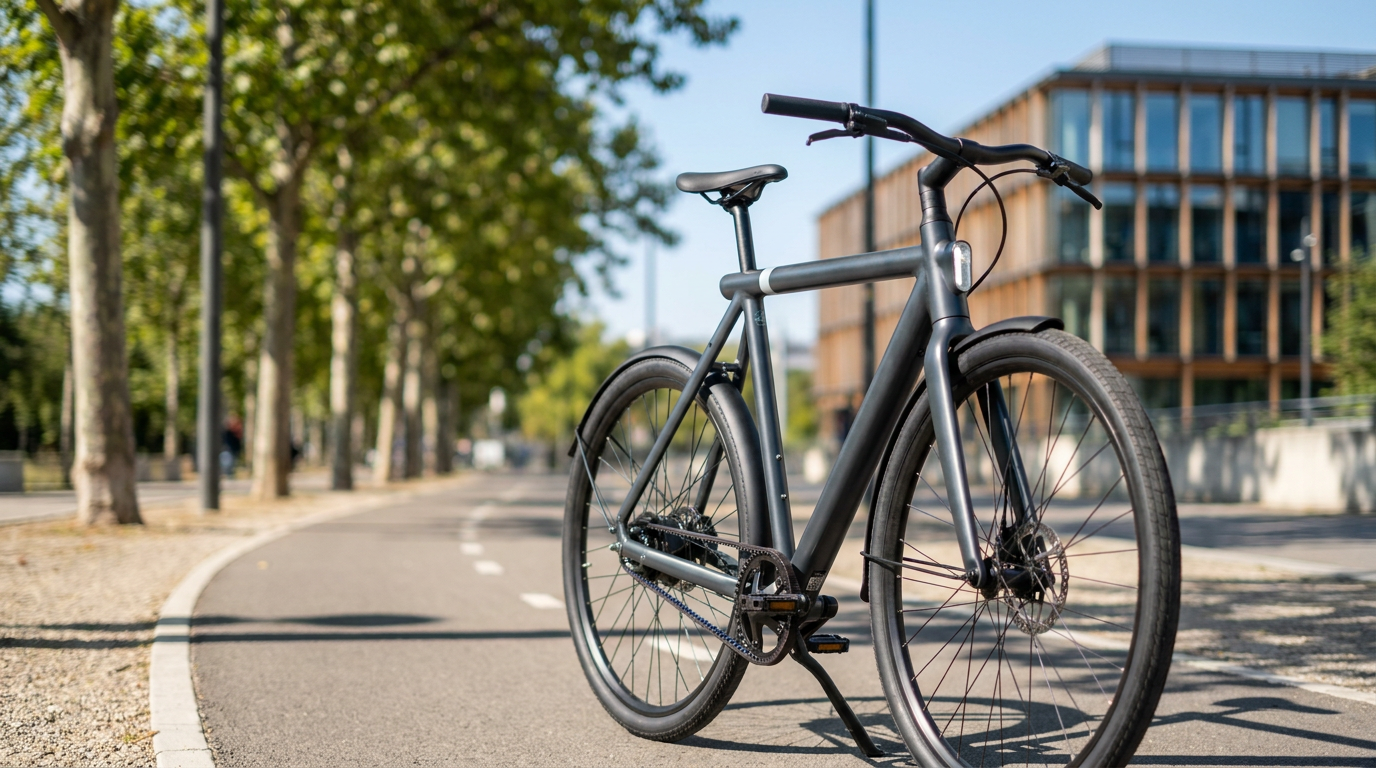
The electric bicycle market in 2026 has evolved from a niche novelty into a mature, highly specialized transportation sector. Gone are the days of one-size-fits-all retrofits and clunky aftermarket batteries strapped to standard bicycle frames. Today’s e-bikes are purpose-built machines designed for specific duty cycles, ranging from sleek urban commuters and heavy-duty cargo haulers to aggressive electric mountain bikes. But as the technology has advanced and diversified, so has the complexity of the buying process. Shoppers walking into a dealership or browsing online are now confronted with a dizzying array of technical specifications—from mid-drive motors and watt-hours to torque sensors and UL certifications. Navigating this landscape requires a basic understanding of e-bike anatomy to ensure you invest in a vehicle that actually matches your daily needs.[1][3][7]
The most foundational decision a buyer must make is selecting the type of motor that will power their ride. The modern e-bike market is primarily divided into two distinct engineering camps: hub motors and mid-drive motors. Hub motors are the older, more traditional technology, housed directly in the center of either the front or rear wheel. When activated, they essentially push or pull the bicycle forward independently of the pedals. Because they are simpler to manufacture, easier to install, and require less specialized frame geometry, hub motors remain the standard choice for budget-friendly and entry-level electric bicycles.[5][6]
For riders who stick primarily to flat city streets, paved beach cruisers, or gentle suburban paths, a hub motor is often more than sufficient for daily use. One of their distinct advantages is that they operate entirely independently of the bicycle's mechanical gears. This means they put significantly less wear and tear on the chain and cassette, which can reduce long-term maintenance costs. However, because hub motors operate on a single, fixed gear ratio, they have a notable weakness: they can struggle, bog down, and draw excessive battery power when faced with steep, sustained hills or heavy cargo loads.[5][6][8]
Mid-drive motors, on the other hand, represent the premium tier of e-bike propulsion. These motors are mounted directly at the bicycle's bottom bracket, right between the rider's pedals. This central placement keeps the heaviest component of the bike low and perfectly centered, significantly improving the vehicle's overall balance and handling. This center of gravity is a crucial factor for mountain bikers navigating technical dirt trails or parents trying to balance a cargo bike loaded with children. More importantly, mid-drive systems deliver their power directly through the bicycle's existing drivetrain, fundamentally changing how the motor interacts with the terrain.[3][6][8]

By leveraging the bicycle's mechanical gears, a mid-drive motor operates much like a manual transmission in a car. When a rider shifts into a lower gear to climb a punishing 15% grade, the motor also benefits from that mechanical advantage. This allows the electric motor to spin at an optimal, highly efficient RPM without overheating or draining the battery prematurely. Because they can multiply their torque through the cassette, mid-drives are the undisputed champions for hilly environments, heavy cargo hauling, and long-distance touring where efficiency is paramount.[5][6][8]
By leveraging the bicycle's mechanical gears, a mid-drive motor operates much like a manual transmission in a car.
Beyond where the motor is placed, how the motor decides to deliver its power is dictated by the bike's internal sensors. Budget e-bikes typically rely on basic cadence sensors, which act like a simple on/off switch. They detect whether the pedals are turning and deliver a fixed amount of thrust, which can sometimes result in a jerky, unnatural riding experience that feels like being pushed by an invisible hand. Premium e-bikes utilize sophisticated torque sensors, which measure exactly how much physical force the rider is applying to the pedals. The motor then amplifies that specific effort proportionally, resulting in a buttery-smooth, bionic feel that seamlessly mimics natural cycling.[8]
The second critical component of any e-bike is the battery, which is often the single most expensive part of the entire vehicle. Buyers frequently get confused by marketing jargon throwing around voltage (V) and amp-hours (Ah), but the most important, comprehensive metric to look for is watt-hours (Wh). Watt-hours represent the total energy capacity of the battery—essentially the size of your digital gas tank. It is calculated simply by multiplying the voltage by the amp-hours. For example, a 48-volt battery with 10.4 amp-hours yields roughly 500 watt-hours of total capacity.[4][5][7]

Understanding watt-hours is the ultimate key to predicting real-world range and avoiding the dreaded range anxiety. A standard 500Wh battery typically provides between 20 and 50 miles of pedal-assisted riding. This wide variance depends heavily on the rider's weight, the steepness of the terrain, tire pressure, and the level of motor assistance selected on the display. For long-distance commuters, delivery riders, or those carrying heavy loads, upgrading to a 700Wh battery—or investing in a dual-battery system—can provide peace of mind, though it does add noticeable overall weight to the bicycle.[4]
In 2026, battery safety has evolved from an afterthought into a paramount regulatory concern. Following a wave of highly publicized lithium-ion fires caused by cheap, uncertified electronics, regulatory bodies in California, New York, and the European Union have cracked down on e-bike imports. Reputable dealers now insist on certified safety standards across their entire lineup. Buyers should actively look for UL certification—specifically UL 2849—which ensures that the battery, motor, and charger have been rigorously tested together as a complete system against fire, electrical, and thermal hazards.[2][3]
Finally, industry experts emphasize that an e-bike should be viewed as a long-term vehicle investment, not a disposable consumer gadget. While direct-to-consumer online brands often offer tempting, rock-bottom prices, they frequently utilize proprietary electronic components that local bike shops cannot source, service, or repair. Purchasing through a reputable local dealer ensures access to vital firmware updates, reliable warranty support, and professional mechanical maintenance. Because e-bikes subject their drivetrains and brakes to significantly higher torque loads and speeds than traditional bicycles, having a trusted mechanic is essential for long-term ownership.[2][3]

Ultimately, choosing the right electric bicycle comes down to honestly matching the machine to your specific mission. A rear-hub motor with a modest 400Wh battery might be the perfect, cost-effective solution for a flat, three-mile commute in sunny weather. But for a rider tackling steep suburban hills with groceries in tow, or a commuter looking to replace their car entirely, investing upfront in a mid-drive motor with a high-capacity battery and a responsive torque sensor will pay massive dividends in reliability, capability, and daily joy.[5][6][7][8]
How we got here
Early 2010s
E-bikes are mostly heavy, aftermarket hub-motor conversion kits strapped to standard bicycle frames.
2018
Mid-drive motors from brands like Bosch and Shimano become the gold standard for premium e-bikes.
2023
Battery safety becomes a major global focus following a rise in lithium-ion fires from uncertified cheap models.
2026
The market matures into highly specialized categories with UL certification becoming a mandatory baseline in many regions.
Viewpoints in depth
Urban Commuters
Focus on simplicity, lower upfront costs, and low maintenance for flat city routes.
For riders navigating flat urban grids, the priority is often a reliable, low-maintenance machine that doesn't break the bank. This camp heavily favors hub motors because they operate independently of the bike's drivetrain, meaning a snapped chain doesn't leave you stranded—the motor can still pull you home. They argue that the premium cost of mid-drive systems and torque sensors is unnecessary overkill for someone just looking to avoid sweating on a three-mile ride to the office.
Performance & Cargo Riders
Prioritize torque, hill-climbing ability, and a natural ride feel for demanding terrain.
Enthusiasts, mountain bikers, and parents hauling heavy cargo view the e-bike as a high-performance vehicle replacement. This camp insists on mid-drive motors because of their ability to leverage the bike's mechanical gears, preventing the motor from bogging down on steep 15% grades. They argue that the superior balance, increased efficiency, and natural pedaling feel provided by torque sensors justify the higher upfront cost and the increased wear on the chain and cassette.
Safety Regulators & Technicians
Focused on long-term serviceability and fire safety, urging buyers to demand UL-certified systems.
Mechanics and safety advocates look past the marketing specs to focus on the long-term viability and safety of the vehicle. Following a rise in battery fires from cheap, uncertified imports, this camp strongly advocates for strict adherence to UL 2849 certification. Furthermore, local bike shops warn against buying direct-to-consumer brands with proprietary electronics, arguing that a cheap bike becomes a total loss if replacement parts or firmware updates are unavailable when the system inevitably needs servicing.
What we don't know
- How upcoming solid-state battery technology might disrupt current e-bike weight and range standards in the next few years.
- Whether more municipalities will begin offering point-of-sale tax rebates to offset the higher cost of premium mid-drive e-bikes.
- How long smaller, direct-to-consumer e-bike brands will continue to support their proprietary electronics before parts become obsolete.
Key terms
- Watt-hours (Wh)
- The total energy capacity of a battery, which dictates how far the e-bike can travel on a single charge.
- Mid-drive motor
- An electric motor mounted at the bike's pedals that uses the bicycle's gears to efficiently climb hills.
- Hub motor
- A simpler electric motor housed directly inside the center of the front or rear wheel.
- Torque sensor
- A premium sensor that measures how hard the rider is pedaling and delivers proportional motor assistance for a natural feel.
- Cadence sensor
- A basic sensor that detects whether the pedals are turning and delivers a fixed amount of power, sometimes feeling jerky.
- UL Certification
- A rigorous safety standard (like UL 2849) ensuring the e-bike's battery and electrical system are protected against fire hazards.
Frequently asked
Can a hub motor climb steep hills?
Yes, but they are less efficient than mid-drives. Because they cannot use the bike's gears, they draw more battery power and can overheat on long, steep inclines.
How far can I ride on a 500Wh battery?
A standard 500Wh battery typically provides between 20 and 50 miles of range, depending heavily on rider weight, terrain, and the level of motor assistance used.
Why are mid-drive e-bikes more expensive?
They require a custom-designed frame to house the motor at the pedals and integrate more complex torque sensors and gearing systems.
Do I need to pedal an electric bike?
Most modern e-bikes are 'pedelecs,' meaning the motor only assists you while you pedal, though some hub-motor models do include a throttle for pedal-free riding.
Sources
Source coverage
8 outlets
3 viewpoints surfaced








[1]Factlen Editorial Team
Synthesis by Factlen editorial team
Read on Factlen Editorial Team →[2]Electric Bike AdvisorSafety Regulators & Technicians
The Beginner's E-Bike Buying Guide (2026 Edition)
Read on Electric Bike Advisor →[3]BikelineSafety Regulators & Technicians
How much should a beginner expect to spend on a quality e-bike?
Read on Bikeline →[4]Ampler Bikes
Electric bike batteries are a crucial component
Read on Ampler Bikes →[5]HimiwayUrban Commuters
Which Motor Should You Choose?
Read on Himiway →[6]EveloPerformance & Cargo Riders
How Mid-Drive and Hub Motors Work
Read on Evelo →[7]EmokoUrban Commuters
2026 E-Bike Buying Guide: Moped, Commuter, and Affordable Models
Read on Emoko →[8]Reddit E-Bike CommunityPerformance & Cargo Riders
Hub motors vs mid-drive: Real world differences
Read on Reddit E-Bike Community →


Every angle. Every day.
Get shopping stories with full source coverage and perspective breakdowns delivered to your inbox.