
Single-Family Rental Market Reverses: Northeast and Midwest Lead All 50 Metros in Rent Growth
The Rust Belt and Northeast have overtaken the Sun Belt in single-family rent growth, driven by tight supply and affordability constraints.
By Adrien Caron

In Buffalo, New York, the average single-family home landlord just saw their rental income jump by 3.6 percent this year. A thousand miles away in Chicago, that figure hit a nation-leading 5.5 percent. For years, real estate headlines have been dominated by the explosive growth of the Sun Belt, where pandemic-era migration sent rents in Florida and Texas into the stratosphere.
But as the dust settles in the summer of 2026, the single-family rental market has experienced a historic inversion. The Rust Belt and the Snow Belt are now the undisputed engines of rent growth, while the formerly red-hot South and West are cooling off.[1]
The shift is stark and geographically consistent. According to the latest Single-Family Rent Index from Cotality, national rent growth has stabilized at a modest 1.3 to 1.4 percent year-over-year. However, beneath that national average lies a deeply fragmented market. Eight of the ten fastest-growing large metropolitan areas for single-family rentals are now located in the Northeast or Midwest.
Philadelphia posted a solid 3.0 percent annual gain, while New York and Cincinnati both recorded increases of 2.6 percent. Detroit, long written off by institutional capital, saw rents rise by 1.8 percent. These older, colder markets are suddenly outperforming the nation, driven by a combination of fundamental affordability and a severe lack of new housing supply.[1]
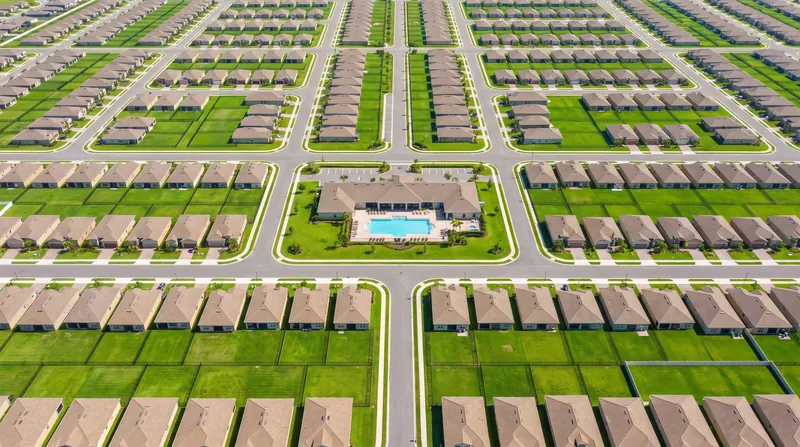
Contrast this with the Sun Belt, where the narrative has flipped from scarcity to surplus. During the pandemic boom, developers rushed to build massive single-family rental communities across Texas, Florida, and Arizona. Now, that inventory is hitting the market all at once. The result is a total loss of pricing power for landlords in these regions.[2]
In Miami, single-family rents actually declined by 0.4 percent year-over-year. Houston and Los Angeles both saw rents drop by 0.5 percent, while Dallas managed a meager 0.2 percent decline. Across the 50 largest United States metros, 13 recorded annual rent declines this summer, and seven of those were in Florida alone.[1][2]
For a local renter, this geographic divergence dictates entirely different negotiating strategies. In the Sun Belt, renters are suddenly finding themselves with leverage. Property managers in places like Austin and Tampa are increasingly offering concessions, such as one month of free rent or waived pet fees, just to maintain occupancy rates in the face of brand-new competing developments down the street.
Meanwhile, a renter in the Midwest faces a much tighter market. Because cities like Chicago and Buffalo did not see a massive influx of speculative construction over the past five years, the existing housing stock remains the only option. When demand ticks up even slightly, prices respond immediately because there is no new supply to absorb the pressure.[3]
The data also reveals a growing divide based on property quality and price tier. High-end single-family rentals are still seeing resilient demand, with rents for top-tier properties increasing by 2.1 percent nationally. In contrast, low-end property rents grew by just 0.6 percent. Economists point to mounting affordability constraints at the lower end of the market, where wage growth has not kept pace with the 32 percent cumulative increase in rents since 2020.[2]
Yardi Matrix data confirms that while rent growth has slowed, the underlying fundamentals of the single-family rental sector remain remarkably stable. National occupancy rates hold strong at 94.5 percent. Families still prefer the space, privacy, and yard access of a detached home, especially as high mortgage rates continue to price many prospective first-time buyers out of the homeownership market entirely.[3]
Institutional capital is already pivoting in response to these trends. Real estate investment trusts and private equity firms that previously focused exclusively on the Sun Belt are beginning to deploy capital into the Midwest. They are chasing the higher initial yields and lower entry prices that cities like Cleveland and Indianapolis offer, trading the promise of rapid population growth for the reality of steady, reliable cash flow.[1]
However, operating in the Northeast and Midwest comes with its own set of challenges. The housing stock is significantly older, meaning maintenance and capital expenditure costs are inherently higher. Harsh winters take a toll on roofs, HVAC systems, and plumbing, eating into the very yields that attracted investors in the first place.[3]
Ultimately, the 2026 single-family rental market is a tale of two strategies. The era of double-digit rent growth lifting all boats is definitively over. Whether you are a family looking to sign a lease or an investor looking to buy a property, success now requires a hyper-local understanding of supply pipelines and regional affordability ceilings.[1]
Key points
- The Midwest and Northeast are now leading the nation in single-family rent growth, driven by tight supply and fundamental affordability.
- Chicago and Buffalo posted the highest rent increases among the 50 largest U.S. metros in the first half of 2026.
- Sun Belt markets like Miami, Houston, and Los Angeles are seeing flat or negative rent growth as a massive wave of pandemic-era construction hits the market.
- National single-family rent growth has stabilized at roughly 1.3 percent, marking a return to historical norms after years of extreme volatility.
Open questions
- Whether the sudden influx of institutional capital into the Midwest will spur new construction or simply drive up the prices of existing homes.
- How long the Sun Belt oversupply will take to absorb before landlords in those markets regain pricing power.
- Rust Belt Investors
- Focus on high initial yields and tight supply in older markets.
- Sun Belt Developers
- Focus on long-term population growth and building at scale despite short-term oversupply.
- Market Analysts
- Track the macroeconomic shift from pandemic-era extremes back to historical norms.
Perspectives this story doesn't cover
- Local renters in the Midwest facing sudden price hikes without corresponding wage increases.
- First-time homebuyers priced out of the market who are forced to rent single-family homes.
Sources
Source coverage
3 outlets
3 viewpoints surfaced



- [1]GlobeStRust Belt Investors
Single-Family Rent Growth Steadies as Midwest Leads and Sun Belt Softens
Read on GlobeSt → - [2]Multi-Housing NewsRust Belt Investors
2026 Single-Family Rental Index
Read on Multi-Housing News → - [3]RentometerMarket Analysts
Mid-Year Report 2026: National Trends in Single-Family Rental Markets
Read on Rentometer →

More in Real Estate
See all →Property Yields
Mid-Term vs. Long-Term Rentals: Quantifying the Trade-Offs for Independent Landlords
6 sources
HOA Governance
The Mechanics of Homeowners Associations: Comparing Covenants, Assessments, and the Legal Basis for Enforcement
8 sources
Tenant Rights
The Mechanics of Security Deposits: Comparing State Laws on Interest, Deductions, and Return Timelines
5 sources

Title Insurance
The Mechanics of Title Insurance: Comparing Owner's and Lender's Policies and What They Actually Protect Against
9 sources

Comments
Every angle. Every day.
Get Real Estate stories with full source coverage and perspective breakdowns, free every day.