
Luxury Fashion's Great Reset: 'Loud Luxury' and Expressive Dressing Replace Minimalism
After years of understated 'quiet luxury' dominating the cultural zeitgeist, consumers and major fashion houses are pivoting back to bold, expressive maximalism. The shift reflects a growing desire for individuality, emotional dressing, and visible status signaling in the post-minimalist era.
By Baran Demir
People commonly assumed that the era of beige cashmere, unbranded leather totes, and whisper-quiet wealth was a permanent evolution in how we dress. The prevailing theory was that we had collectively outgrown logos and loud colors in favor of a refined, stealthy uniform that prioritized fabric quality over visual impact.
It felt like a mature, final destination for personal style. But the reality unfolding across global fashion capitals and city streets tells a very different story. The pendulum has swung back, and it is swinging with undeniable force. The quiet luxury aesthetic, once hailed as the ultimate signifier of taste, is rapidly losing its monopoly on our closets.
Step into any high-end boutique or scroll through a luxury retailer's new arrivals this season, and the visual landscape has visibly transformed. The endless sea of oatmeal, charcoal, and navy is being pierced by saturated cobalt blues, rich cherry reds, and highly tactile fabrics like shearling, heavy lace, and opulent jacquard.
We are witnessing the great reset of luxury fashion, where the muted restraint of the past few years is being replaced by something far more expressive and unapologetic. It is a sensory shift that invites the wearer to touch, feel, and be seen, moving away from clothes that merely function toward clothes that make a definitive statement.
Enter 'Loud Luxury.' This emerging aesthetic proudly reclaims maximalism, embracing bold prints, exaggerated silhouettes, and a joyful approach to dressing that flatly refuses to blend into the background. According to industry analysts tracking European and global markets, the days of quiet luxury sitting alone on the throne are officially over.
In its place is a more ostentatious and confident style that celebrates bling, vibrant color palettes, and a carefree attitude. It is a direct snub to the humble and refined aesthetics that have dominated recent fashion cycles, signaling that 2026 is the year of the maximalist.[3]
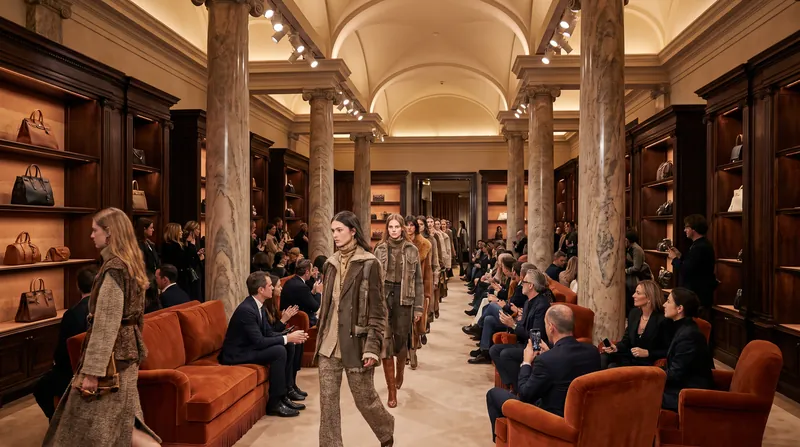
The runway evidence is impossible to ignore, as major fashion houses lead the charge away from minimalism. Designers are injecting fresh energy into their collections with '80s-inspired power dressing, theatrical flair, and a renewed focus on eveningwear. Brands that previously leaned into subtle elegance are now favoring sharp tailoring, broad shoulders, and cinched waists. This dramatic reinvention of both office wear and social attire points to a definitive return to statement-driven fashion, where the garments are designed to convey strength, confidence, and a touch of exaggerated glamour.[2]
This transition isn't just about shifting hemlines and broader shoulder pads; it represents a fundamental shift in consumer psychology. Fashion psychologists point to the rise of 'emotional fashion' and 'dopamine dressing,' where the primary goal of an outfit is no longer just to look flawlessly polished, but to actively elevate the wearer's mood.
After years of practical, uniform dressing designed to reduce decision fatigue, women are seeking out clothes that feel alive. They are dressing for the psychological state they want to occupy, using bold colors and experimental styling to combat the stress and monotony of daily life.[5]
The fatigue with minimalism is real and measurable. While quiet luxury offered cognitive ease and simplified morning routines, it often lacked the creative release that fashion has historically provided. Consumers are reacting directly to the monotony of understated elegance, craving the excitement and individuality that comes with bold, attention-grabbing designs. The philosophy of loud luxury stands in direct opposition to stealth wealth; it operates on the belief that fashion should be a visible statement of aspiration, allowing people to express their vibrant personalities through their clothing choices.[4]
Even the most steadfast minimalist brands are feeling the pressure to adapt to this shifting tide. The integration of maximalist design details—such as oversized shirt collars, large-scale prints, and dramatic, wide belts—is becoming increasingly common as designers attempt to modernize their offerings.
The physical evidence of quiet luxury's decline is visible in the increasingly expansive and voluminous silhouettes hitting the market. This shift suggests that consumers are ready to adopt a simplified approach to maximalism, embracing garments that emphasize physicality and structure in stark contrast to the refined, whisper-thin details of the past.[6]
One of the most striking elements of this reset is the unapologetic return of the logo. Once shunned as gauche or overly showy during the peak of stealth wealth, iconic monograms and statement hardware are undeniably cool again. However, they are being styled with a new sense of intention.
Rather than the head-to-toe branding that defined the early 2000s, today's logos are used as deliberate, confident accents. A classic monogrammed bag or a bold logo belt is now paired with modern tailoring, proving that dressing loud can still be incredibly chic when executed with a point of view.[1]
This resurgence of visible branding speaks to a broader desire for social visibility and connection. In a digitally driven world where social media platforms showcase attention-grabbing designs, consumers want their clothing to immediately communicate their identity. Loud luxury provides that instant recognition. It is a style that depends heavily on the visual impact of vibrant colors and prominent labels, allowing younger generations in particular to use their wardrobes as a tool for showcasing happiness, positivity, and social group membership.[4]
Yet, this doesn't mean quiet luxury has been entirely eradicated from our closets; rather, it is being compartmentalized. Fashion analysts are observing the rise of a 'dual wardrobe' culture. Modern city women are building closets that serve multiple, distinct identities. They continue to rely on the clean lines of quiet luxury for practical workwear and investment basics, while reserving quirky, highly expressive pieces for vacations, concerts, and social events. This dual system proves that visibility and individualism can coexist peacefully alongside practicality.[5]
This dual approach allows for a much more nuanced relationship with seasonal trends. The smartest dressers are learning to balance both worlds, pairing a bold, maximalist statement coat with simple, refined basics underneath. It is an approach that treats loud luxury like a strong, flavorful spice—added carefully and intentionally to elevate the overall dish, rather than poured on all at once. This pragmatic integration ensures that the return of opulence feels modern and wearable, rather than resembling a costume.[1]
The shift is also being heavily driven by a younger generation of shoppers who are actively rejecting algorithm-driven, homogenized aesthetics. Gen Z consumers are leaning into expressive styling and chaotic customization, prioritizing flexibility and authenticity over a rigid, consistent visual identity. For them, fashion is a playground rather than a strict uniform. They are curating wardrobes that toggle effortlessly between practicality and personality, proving that modern authenticity is about dressing for the specific context and mood of the day.[5]
Retail buyers and luxury executives are already responding to this cultural mood swing, significantly increasing their budgets for statement pieces, opulent textures, and luxury eveningwear. The demand for adaptable yet bold office wear is rising rapidly, fueled by a hybrid work culture that encourages more personality and flair in professional settings. Consumers are reallocating their spending, moving away from disposable fast fashion and investing instead in high-quality statement garments that command attention and convey a strong sense of personal style in any room.[2]
Ultimately, the return of loud luxury is a vibrant celebration of individuality and a firm rejection of restrictive fashion codes. It symbolizes a newfound freedom to break free from the standardized conventions of 'old money' aesthetics and embrace a more playful, carefree approach to getting dressed each morning. Whether it is expressed through a clash of vibrant prints, a dramatic, sweeping silhouette, or a proudly displayed heritage logo, the underlying message is abundantly clear: it is time to have fun with fashion again.[3]
Ultimately, the return of loud luxury is a vibrant celebration of individuality and a firm rejection of restrictive fashion codes.
As we move deeper into 2026, the luxury fashion landscape will continue to prioritize this joyful, expressive energy over muted restraint. The great reset serves as a powerful reminder that while functional trends like quiet luxury will always have a foundational place in our working wardrobes, authentic personal style is the only trend that truly lasts.
Key points
- Major fashion houses are pivoting away from the muted tones of quiet luxury in favor of vibrant colors, opulent textures, and '80s-inspired power dressing.
- The shift is driven by a desire for 'dopamine dressing,' where consumers use bold fashion choices to actively elevate their mood and express individuality.
- Visible logos and monograms are making a deliberate return, styled as confident accents rather than head-to-toe branding.
- Many consumers are adopting a 'dual wardrobe' approach, balancing minimalist basics for work with highly expressive pieces for social events.
Unanswered questions
- Whether the loud luxury trend will fully replace minimalist basics in the mass market, or remain concentrated in high-end designer collections.
- How long the maximalist cycle will last before consumer fatigue sets in and the pendulum swings back toward understated elegance.
How we got here
Early 2020s
The pandemic era prioritizes comfort, leading to the rise of elevated loungewear and understated basics.
2023–2024
Quiet luxury and stealth wealth peak in popularity, driven by pop culture and a desire for subtle, logo-free refinement.
Late 2025
Consumer fatigue with minimalism sets in; fashion houses begin introducing broader shoulders, richer textures, and vibrant colors.
Spring 2026
The great reset takes hold as loud luxury, dopamine dressing, and the dual wardrobe concept dominate global runways and street style.
- Maximalist Advocates
- Fashion should be a joyful, visible expression of personality rather than a uniform of restraint.
- Pragmatic Stylists
- The most effective modern wardrobes balance bold statement pieces with reliable, understated basics.
- Traditional Minimalists
- True luxury whispers, and understated elegance remains the most timeless approach to personal style.
Perspectives this story doesn't cover
- Sustainable Fashion Advocates
- Independent Designers
Sources
Source coverage
7 outlets
3 viewpoints surfaced




- [1]PurseBlogPragmatic Stylists
The Return of Loud Luxury
Read on PurseBlog → - [2]CPP-LUXURYMaximalist Advocates
Maximalist fashion is making a comeback, replacing quiet luxury
Read on CPP-LUXURY → - [3]Luxus PlusMaximalist Advocates
In contrast to Quiet Luxury, Loud Luxury is here to shake up the fashion world
Read on Luxus Plus → - [4]FoxyLab NYMaximalist Advocates
Quiet Luxury vs Loud Luxury: A Battle of Status in the Modern World
Read on FoxyLab NY → - [5]The Times of IndiaPragmatic Stylists
Quiet Luxury vs Quirky: Why dressing up is not just about how you look
Read on The Times of India → - [6]ForbesTraditional Minimalists
The Return of Maximalism in Fashion
Read on Forbes → - [7]The Luxury Life MagazineTraditional Minimalists
Frequently Asked Questions About Luxury Fashion Trends 2026
Read on The Luxury Life Magazine →
More in Lifestyle
See all →Resale Economy
Secondhand Luxury Market Growth Outpaces New Goods in €48 Billion Milestone
6 sources
Sports Sponsorship
The Billion-Dollar Pivot: Why 80% of Luxury Market Value is Now Tied to Sports Sponsorship
3 sources
Luxury Reshuffle
Unprecedented Creative Director Shuffle Sees Top Designers Reshape Gucci, Chanel, and Balenciaga
3 sources
Brand Strategy
Demna Unveils 'Complete Personal Vision' for Gucci at Spring/Summer 2027 'The Store Show'
3 sources
Comments
Every angle. Every day.
Get Lifestyle stories with full source coverage and perspective breakdowns, free every day.