
How Lab-Grown Mushroom Leather is Rewriting the Rules of Luxury Fashion
Bio-fabricated mycelium is replacing traditional animal hides and synthetic plastics in high-end fashion, offering a sustainable, lab-grown alternative that mimics the feel of premium leather.
By Factlen Editorial Team
- Bio-Material Innovators
- Startups focused on scaling the technology to replace extractive supply chains.
- Luxury Fashion Houses
- Heritage brands balancing sustainability with uncompromising aesthetic standards.
- Sustainability Advocates
- Environmentalists pushing for fully circular, plastic-free material life cycles.
- Traditional Leather Industry
- Tanneries and trade groups defending the longevity and natural origins of animal hides.
What's not represented
- · Agricultural waste suppliers
- · Garment workers transitioning to bio-textiles
Why this matters
The fashion industry's reliance on cattle ranching is a major driver of deforestation and greenhouse gas emissions, while synthetic 'vegan' leathers pollute the earth with microplastics. Bio-fabricated materials offer a viable, scalable path to decarbonize our wardrobes without sacrificing quality.
Key points
- Mycelium leather is grown from the root structure of fungi in vertical farms, taking just 1-2 weeks to produce.
- The material mimics the collagen structure of animal hide, offering a luxurious feel without the environmental damage of cattle ranching.
- Major luxury houses, including Hermès and Stella McCartney, have already launched commercial products using bio-fabricated leather.
- While the material is highly sustainable, engineers are still working to eliminate the thin synthetic coatings currently used to improve its durability.
The luxury fashion industry has long been defined by its materials: the buttery softness of calfskin, the durability of heritage hides, and the exclusivity of exotic skins. But as the environmental toll of global cattle ranching becomes impossible to ignore, the sector faces an existential dilemma. Consumers are increasingly demanding ethical accountability, forcing heritage brands to rethink the very fabrics that built their empires.
For years, the primary alternative was "vegan leather," a marketing triumph that often masked a grim ecological reality. Most first-generation vegan leathers are simply polyurethane or PVC—fossil-fuel-derived plastics that take centuries to decompose and shed harmful microplastics into the environment. While they spare animal lives, they actively contribute to the global plastic crisis.[1]
Now, a third option is moving from the fringes of biotechnology into the prestigious ateliers of Paris and Milan. It does not come from a cow, nor is it pumped from an oil well. It is grown in a matter of days in climate-controlled vertical farms, feeding on agricultural waste and offering a genuine paradigm shift for the apparel industry.[4]
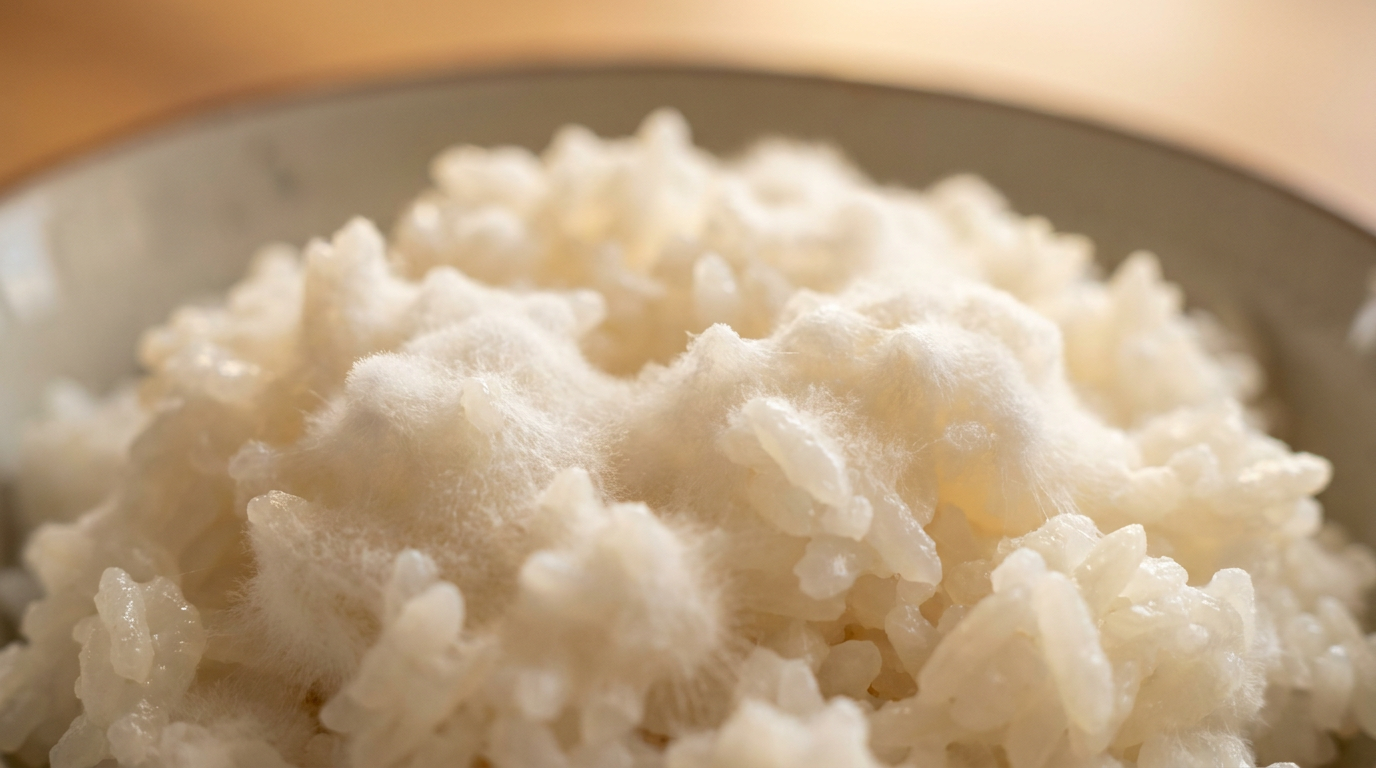
The material is mycelium, the sprawling, underground root structure of fungi. While the world is familiar with the mushroom—the fruiting body that pops up above ground after a rainstorm—mycelium is the hidden engine of the forest floor. It is a dense, highly connected network of microscopic threads called hyphae that hold the soil together.[3][6]

In material innovation, biomimicry often provides the most elegant solutions. Mycelium’s natural structure closely mirrors the collagen fibers found in animal skin. When cultivated under highly specific conditions, these fungal threads bind together to form a thick, interlocking mat that is remarkably strong, flexible, and breathable.[3]
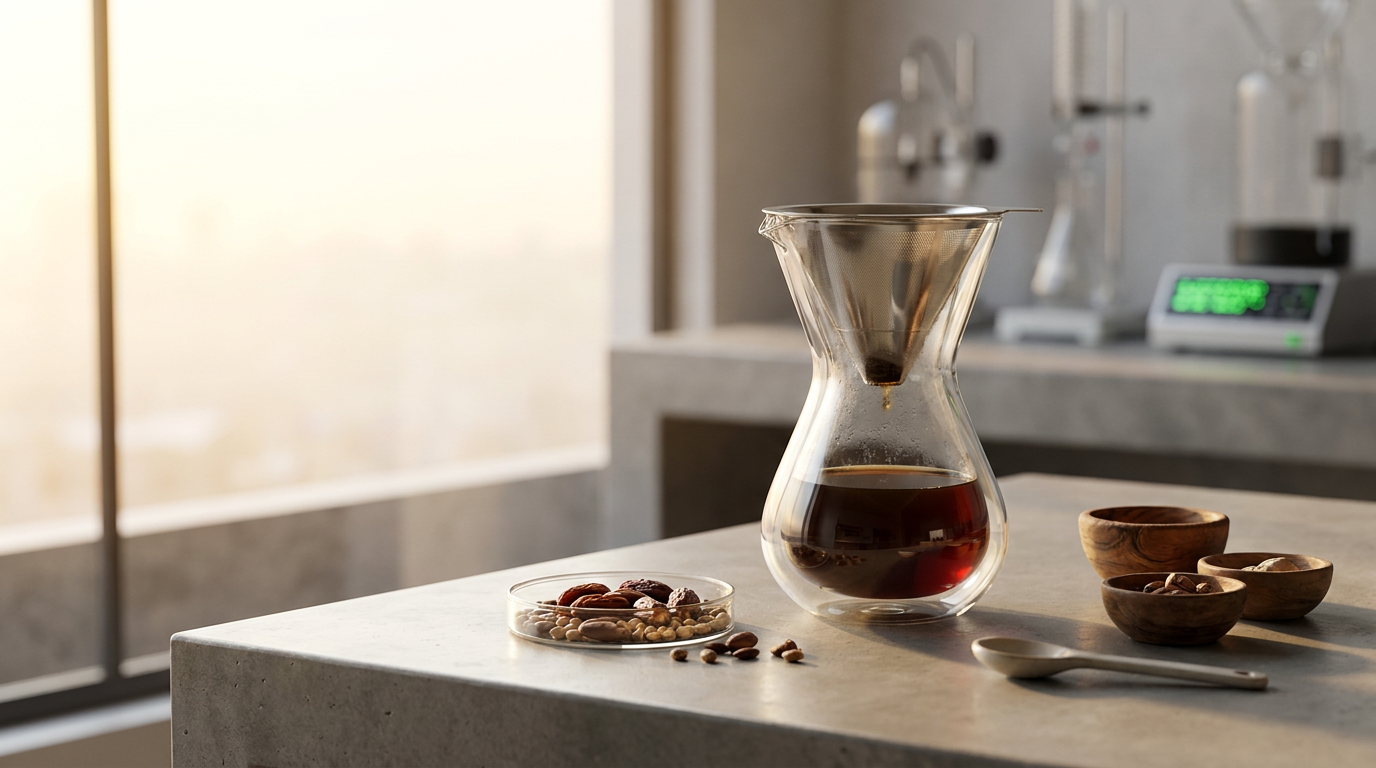
The bio-fabrication process begins not in a pasture, but in a laboratory. Companies like Bolt Threads and MycoWorks start with a nutrient-rich substrate made from agricultural byproducts, such as sawdust, hemp hurd, or corn stalks. This approach ensures that the base material does not compete with global food supplies.[5][6]
Mushroom spores are introduced to this substrate in controlled vertical trays. Over the course of just one to two weeks, the mycelium consumes the organic waste, weaving itself into a uniform, foam-like layer. The growth environment—specifically the humidity, temperature, and airflow—is meticulously managed to engineer the material's thickness and density at a cellular level.[3][6]

Once harvested, the mycelium mat undergoes a specialized tanning and finishing process. Unlike traditional leather tanning, which often relies on toxic heavy metals like chromium that can pollute local waterways, mycelium is treated using green chemistry principles. The result is a supple material that mimics the warmth and sponginess of premium animal hide.[3][7]
Once harvested, the mycelium mat undergoes a specialized tanning and finishing process.
The environmental mathematics of this shift are staggering. Traditional cattle ranching is a leading driver of global deforestation, particularly in the Amazon basin, and accounts for nearly 15% of global greenhouse gas emissions. The land and water required to raise a single cow over several years represent a massive ecological footprint.[1][7]
By contrast, cultivating mycelium requires up to 99% less water and generates roughly 95% fewer carbon emissions than bovine leather. Because it grows vertically in a matter of days, its land footprint is practically nonexistent. Furthermore, it transforms low-value agricultural waste into a high-performance luxury material, creating a closed-loop, circular production cycle.[4][5]

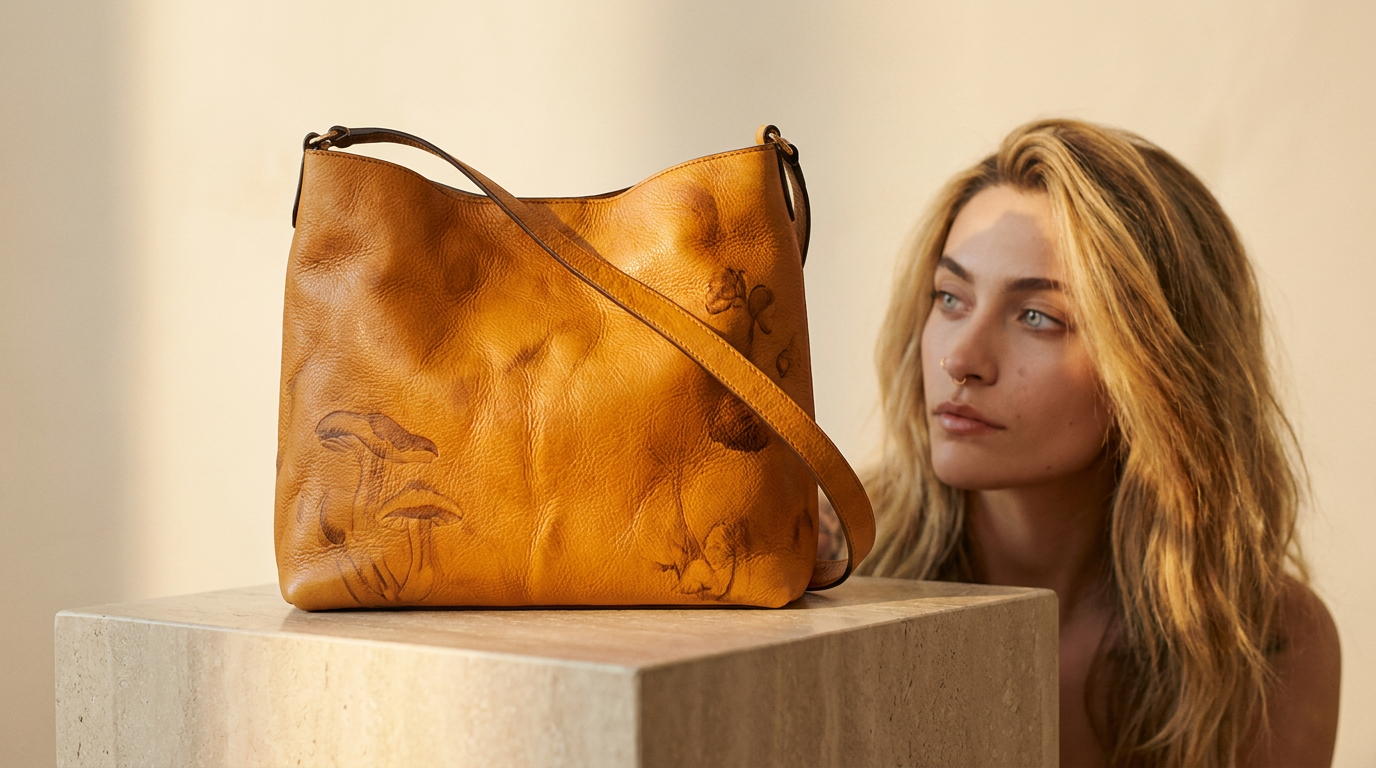
Unsurprisingly, the world's most prestigious fashion houses are racing to secure exclusive access to these bio-materials. Stella McCartney, a pioneer in cruelty-free luxury, partnered with Bolt Threads to develop Mylo. In 2022, the brand launched the Frayme Mylo, the world’s first commercially available luxury bag crafted entirely from mushroom leather.[7]
Even the most traditionalist heritage brands are embracing the fungal revolution. Hermès, a house synonymous with uncompromising artisanal leathercraft, partnered with California-based startup MycoWorks. After three years of rigorous development, they unveiled Sylvania, a patented Fine Mycelium material used to reimagine the classic Victoria travel bag.[2]
The involvement of conglomerates like Kering (parent company of Gucci) and sportswear giants like Adidas and Lululemon signals that bio-fabrication is no longer a science-fair curiosity. The luxury sector, with its high profit margins, serves as the perfect incubator, absorbing the steep initial research and development costs required to scale the technology.[4]
However, the transition from lab-grown prototype to mass-market staple is not without friction. Scaling up production from thousands of square meters to the millions required by the global apparel industry remains a formidable logistical challenge for biotech startups.[3][4]

Price parity is another immediate hurdle. Currently, mycelium leather costs two to four times more than conventional leather, though industry analysts project that prices will drop significantly as commercial facilities expand and economies of scale take hold over the next few years.[4]
There are also ongoing debates regarding the material's absolute purity. To meet the stringent durability and abrasion-resistance standards of luxury goods, some early mycelium products rely on thin, water-based polyurethane coatings. While vastly superior to solid plastic pleather, these synthetic finishes can impede the material's ability to fully biodegrade at the end of its life.[3][7]
Bio-material engineers are actively working to eliminate these synthetic crutches, striving for a 100% bio-based, infinitely compostable product. As regulatory pressures mount—such as the European Union's upcoming Digital Product Passport, which will force brands to disclose exact material footprints—the incentive to perfect mycelium has never been higher.[3]
Ultimately, the rise of mushroom leather represents a profound philosophical shift in how humans interact with the natural world. It challenges the extractive model of the industrial age, asking not what we can take from the earth, but what we can grow in harmony with it.[5]
How we got here
2017
Stella McCartney partners with Bolt Threads to begin developing Mylo, a mycelium-based leather alternative.
2021
Hermès announces a partnership with MycoWorks to develop Sylvania, a patented Fine Mycelium material.
2022
Stella McCartney launches the Frayme Mylo, the world's first commercially available luxury bag crafted from mushroom leather.
2025
Mycelium production facilities expand, dropping costs by 30-40% and moving the material closer to commercial scale.
Viewpoints in depth
Bio-Material Innovators
Startups focused on scaling the technology to replace extractive supply chains.
Companies like Bolt Threads and MycoWorks view mycelium not just as a niche luxury offering, but as a foundational shift in global manufacturing. They argue that bio-fabrication allows for unprecedented control over material properties at the cellular level, enabling designers to engineer thickness, stretch, and texture without the inconsistencies of animal hides. Their ultimate goal is to achieve price parity with conventional leather, moving bio-materials from exclusive runways into everyday consumer goods.
Luxury Fashion Houses
Heritage brands balancing sustainability with uncompromising aesthetic standards.
For legacy brands like Hermès and Kering, the adoption of mushroom leather is a delicate balancing act. They must meet the growing consumer demand for ethical, low-impact products without diluting their reputation for generational durability and artisanal craftsmanship. These houses view bio-materials as a new frontier of exclusivity—a way to demonstrate cutting-edge innovation while maintaining the high price points and limited-run scarcity that define the luxury market.
Sustainability Advocates
Environmentalists pushing for fully circular, plastic-free material life cycles.
While environmental groups widely celebrate the shift away from cattle ranching and fossil-fuel-derived plastics, they remain cautiously optimistic. Advocates point out that some first-generation mycelium products still rely on thin polyurethane (PU) coatings to achieve the abrasion resistance required for footwear and handbags. They are pressuring the industry to eliminate these synthetic finishes entirely, arguing that a material cannot be truly circular if it leaves behind microplastics when it degrades.
Traditional Leather Industry
Tanneries and trade groups defending the longevity and natural origins of animal hides.
Representatives of the conventional leather industry argue that genuine leather is a natural, durable byproduct of the meat sector that would otherwise go to waste. They contend that a well-crafted leather bag can last for generations, whereas the long-term durability of lab-grown mycelium remains unproven over decades of wear. Furthermore, they express skepticism about the energy demands of running climate-controlled vertical farms at a massive global scale.
What we don't know
- Exactly when mycelium leather will reach true price parity with conventional animal leather.
- How well first-generation mycelium products will hold up after decades of heavy consumer wear.
- Whether the industry can completely phase out synthetic polyurethane coatings while maintaining luxury-grade durability.
Key terms
- Mycelium
- The naturally abundant, underground root-like network of fungi, consisting of microscopic branching threads.
- Hyphae
- The individual, microscopic filaments that make up the mycelium network, which bind together to form dense structures.
- Bio-fabrication
- The process of using living cells, such as fungi or bacteria, to grow and manufacture materials in a controlled laboratory environment.
- Substrate
- The nutrient-rich base material, often made from agricultural waste like sawdust or corn stalks, that mycelium feeds on to grow.
- Circular Economy
- An economic system aimed at eliminating waste by designing materials that can be continually reused, regenerated, or safely composted back into the earth.
Frequently asked
Is mushroom leather actually made from mushrooms?
No. It is made from mycelium, which is the dense, root-like network that grows underground. The mushroom is simply the fruiting body that sprouts above the surface.
How long does it take to grow mycelium leather?
Unlike cattle, which take years to raise and require vast amounts of land, mycelium can be grown in climate-controlled vertical farms in just one to two weeks.
Is mycelium leather completely biodegradable?
The mycelium itself is 100% biodegradable. However, some early commercial products use thin synthetic coatings (like polyurethane) to improve durability, which can impede full composting.
Why is it only available in luxury products right now?
The research and development costs for bio-fabrication are currently very high. Luxury brands, with their high profit margins, are able to absorb these costs while the technology scales up to mass-market affordability.
Sources
Source coverage
7 outlets
4 viewpoints surfaced






[1]The GuardianSustainability Advocates
The luxury label is the latest to adopt pioneering technology as designers shift to bio-fabrics. Is this the end of leather?
Read on The Guardian →[2]TrellisLuxury Fashion Houses
Hèrmes and Stella McCartney embrace a leather alternative: fungus
Read on Trellis →[3]BSL AssociationSustainability Advocates
Mycelium Leather: How Grown Materials Are Redefining the Future of Leather Alternatives
Read on BSL Association →[4]Cali Fashion WeekBio-Material Innovators
Mushroom Leather Is Having a Moment – And It Might Just Save Fashion
Read on Cali Fashion Week →[5]Green Glamour WorldSustainability Advocates
Mycelium Leather: The Future of Regenerative Luxury Materials
Read on Green Glamour World →[6]Mylo UnleatherBio-Material Innovators
Unleather: The radical act of choosing products made sustainably
Read on Mylo Unleather →[7]Stella McCartneyLuxury Fashion Houses
Mylo™: A verified vegan alternative to animal leather
Read on Stella McCartney →
Every angle. Every day.
Get lifestyle stories with full source coverage and perspective breakdowns delivered to your inbox.