
Global Fencing Injury Report: Kiefer's Recovery, Gilliver's Return, and Cannone's Mental Health Break
As the 2026 fencing season accelerates, top athletes are navigating the physical and mental toll of the sport, highlighted by Lee Kiefer's post-surgical recovery and Piers Gilliver's triumphant return to the piste.
By Ryder James
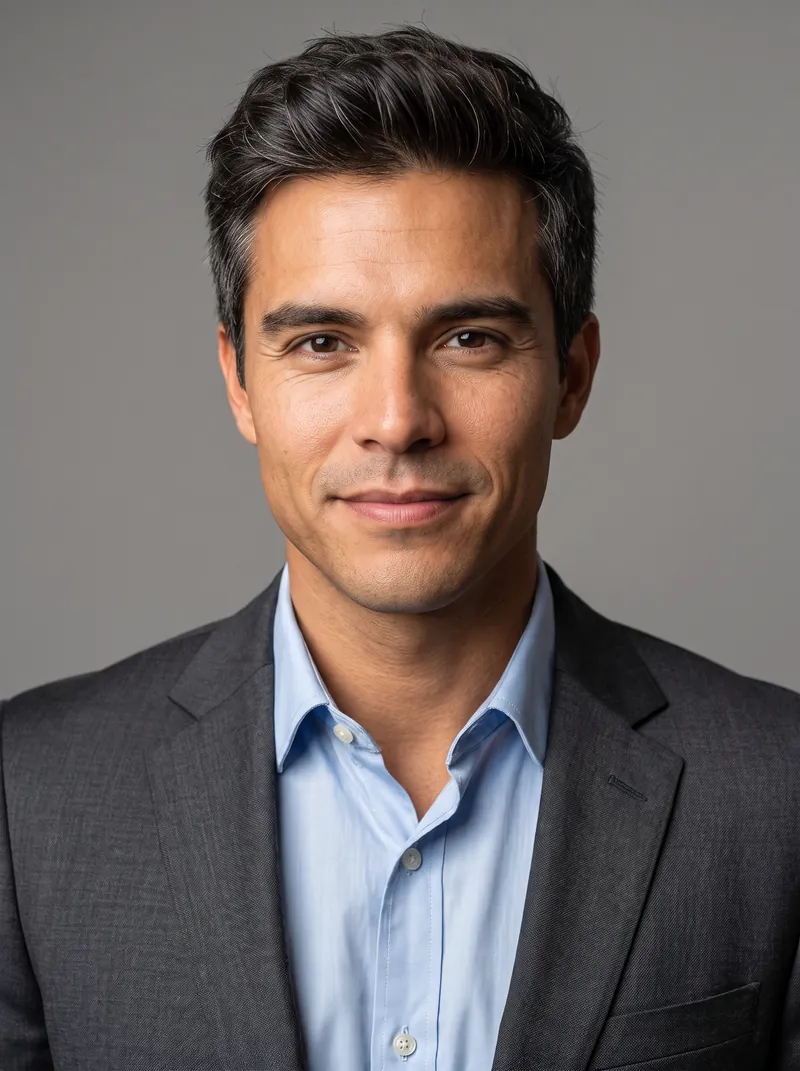
The 2026 international fencing season is in full swing, and while the focus often remains on podium finishes and world rankings, the grueling reality of the sport's physical demands is taking center stage. Elite fencing requires explosive asymmetric lunges, rapid changes of direction, and repetitive stress on joints, leading to a unique profile of chronic and acute injuries.
As athletes navigate the dense FIE World Cup and Grand Prix calendars, several high-profile fencers are currently managing rehabilitations, making triumphant returns to the piste, or taking necessary steps back to preserve their long-term health. This mid-season injury report highlights the resilience required to compete at the highest levels of foil, epee, and sabre.[5]
Despite the high-intensity nature of the sport, recent data confirms that fencing remains remarkably safe compared to other athletic endeavors. A comprehensive six-season study published by USA Fencing, which analyzed over 637,000 direct elimination bouts, revealed a medical withdrawal rate of just 0.338 percent.
Epee proved to be the safest weapon with a 0.261 percent withdrawal rate, while foil recorded the highest at 0.393 percent. However, as the data noted, elite fencers are not immune to the chronic wear and tear that accumulates over decades of training. For the sport's top competitors, managing these lingering issues is often the difference between a podium finish and an early exit.[3]
No one understands the delicate balance of chronic injury management better than American foil champion Lee Kiefer. The highly decorated Olympian and University of Kentucky medical student has been remarkably transparent about the physical toll of her historic career.
Following her dominant, gold-medal performances in Paris, Kiefer revealed that she had been battling progressive, generalized wrist pain that radiated from her hand straight into her forearm. The chronic injury, exacerbated by the repetitive impact of elite foil fencing, ultimately required her to undergo wrist surgery, forcing her to temporarily step away from the weapon that defined her career.[4]
Kiefer’s rehabilitation protocol served as a masterclass in strategic patience for injured athletes. Working closely with her healthcare team, she committed to a full month of absolute rest from blade work, intentionally skipping the Tbilisi World Cup to allow her wrist to properly heal.
During this period, she maintained her elite cardiovascular conditioning by focusing exclusively on intense footwork drills. The disciplined approach paid off; Kiefer has successfully integrated back into the competitive circuit while simultaneously navigating her demanding third-year medical school rotations, keeping her sights firmly set on defending her title at the Los Angeles 2028 Games.[4]
On the Para Fencing circuit, the 2026 season has been defined by one of the most anticipated and emotional comebacks in recent memory. Great Britain’s Piers Gilliver, a celebrated silver medalist at the Paris 2024 Games, endured a devastating setback when a severe injury sidelined him for the entirety of the 2025 season.
The prolonged absence forced the British star to miss the prestigious 2025 World Championships, leaving a significant void in the men’s epee category A field and raising natural questions among fans about the trajectory of his competitive future.
Gilliver silenced any lingering doubts regarding his form during his return at the Pisa Para Fencing World Cup in early 2026. Stepping onto the international stage for the first time since his injury, he immediately displayed the tactical brilliance that originally made him a global standout.
Gilliver navigated a difficult bracket to reach the gold medal match, where he faced off against Neutral Para Athlete Maxim Shaburov. Although Shaburov ultimately edged away with a 15-12 victory after a tense 9-9 deadlock at the break, Gilliver’s silver-medal finish confirmed his successful rehabilitation and his enduring status as a gold-medal threat.
Another remarkable story of physical resilience comes from American para-fencer Garrett Schoonover. In 2017, Schoonover survived a horrific motorcycle accident that resulted in the amputation of his leg, fundamentally altering his life path.
Transitioning his athletic drive into para-fencing years later, he found that the specialized fencing chair acted as the ultimate equalizer, allowing him to channel his military background and fierce competitive instincts into the sport. His rapid ascent through the national ranks has made him one of the most compelling and inspiring athletes to watch in the current Olympic cycle.[2]
Schoonover’s physical conditioning and tactical growth culminated in a dominant performance at the recent North American Cup in Salt Lake City, where he swept the competition to claim gold. Training out of the Valkyrie Fencing Club in Utah, Schoonover has proven that catastrophic physical trauma can serve as the catalyst for a brand new elite athletic chapter. He is now actively anchoring his world points across the upcoming FIE World Cup circuit, building a formidable international resume as he prepares to qualify for the 2028 Paralympic Games in Los Angeles.[2]
While physical injuries dominate the medical reports, the global fencing community is increasingly recognizing the critical importance of mental health and burnout prevention. French epee star Romain Cannone, who captured global attention with his underdog gold medal victory in Tokyo, recently made the brave decision to step away from elite competition. After three years of post-Olympic dominance and the immense pressure cooker of the French national training system, Cannone chose to prioritize his mental well-being and family life over the relentless, exhausting grind of the international World Cup circuit.[1]
Cannone’s departure marks a significant cultural shift in a combat sport that has historically prized stoicism and uninterrupted competition above all else. By openly discussing the mental toll of maintaining a peak 'flow state' against the world's best, Cannone has helped destigmatize mental health breaks for elite fencers. His decision leaves a temporary gap in the French men's epee roster, but it sends a powerful, uplifting message to the next generation of athletes: walking away to protect one's happiness and mental health is a profound victory in its own right.[1]
The essentials
- USA Fencing data reveals a remarkably low 0.338% medical withdrawal rate across 637,000 bouts.
- Olympic champion Lee Kiefer has successfully returned to training following post-Paris wrist surgery.
- Great Britain's Piers Gilliver claimed silver in Pisa after missing the 2025 season due to injury.
- American para-fencer Garrett Schoonover swept gold in Salt Lake City following a life-altering motorcycle accident.
- French epee star Romain Cannone stepped away from elite competition to prioritize his mental health.
Timeline
August 2024
Lee Kiefer wins gold in Paris but battles progressive, chronic wrist pain.
Late 2024
Kiefer undergoes wrist surgery and takes a strict one-month hiatus from blade work.
Entire 2025 Season
Piers Gilliver is sidelined by injury, missing the World Championships.
October 2025
Garrett Schoonover sweeps gold at the North American Cup in Salt Lake City.
February 2026
Gilliver makes a triumphant return at the Pisa World Cup, securing a silver medal.
Mid 2026
Romain Cannone's decision to step away for mental health sparks positive dialogue across the sport.
- Sports Medicine Professionals
- Focuses on data-driven injury prevention, recovery protocols, and the statistical safety of the sport.
- Elite Competitors
- Highlights the grueling reality of chronic pain, the necessity of mental health breaks, and the drive to return to the piste.
- Adaptive Sports Advocates
- Champions the rehabilitative and equalizing power of para-fencing for athletes recovering from catastrophic trauma.
Perspectives this story doesn't cover
- Grassroots Fencing Coaches
- Sports Psychologists
Sources
Source coverage
5 outlets
3 viewpoints surfaced




- [1]The Fencing PodcastElite Competitors
Romain Cannone: Choosing Happiness Over Dominance
Read on The Fencing Podcast → - [2]KUTVAdaptive Sports Advocates
Utah amputee sweeps gold at national fencing tournament
Read on KUTV → - [3]USA FencingSports Medicine Professionals
Fencing Safety in Numbers: Six-Season Data Analysis
Read on USA Fencing → - [4]Your Sports EdgeElite Competitors
Lee Kiefer Details Wrist Surgery and Chronic Injury Battles
Read on Your Sports Edge → - [5]International Fencing FederationSports Medicine Professionals
FIE World Cup and Grand Prix Calendar 2026
Read on International Fencing Federation →
More in Sports
See all →Injury
Global Fencing Injury Report: Bianchi's Resurgence, Mohamed's Setback, and the Toll of the 2026 Season
7 sources
Standings
Historic Gridlock in FIE Epee Standings Sets Up Winner-Takes-All World Championship Showdown
4 sources
Injury
French Fencing Star Ysaora Thibus Returns to the Piste After Knee Surgery and Legal Exoneration
4 sources
Injury
Fencing Injury Report: World Cup Absences Mount as FIE Launches New Safety Protocols
6 sources
Comments
Every angle. Every day.
Get Sports stories with full source coverage and perspective breakdowns, free every day.