
Global Central Banks Pivot as Middle East Energy Shock Reignites Inflation
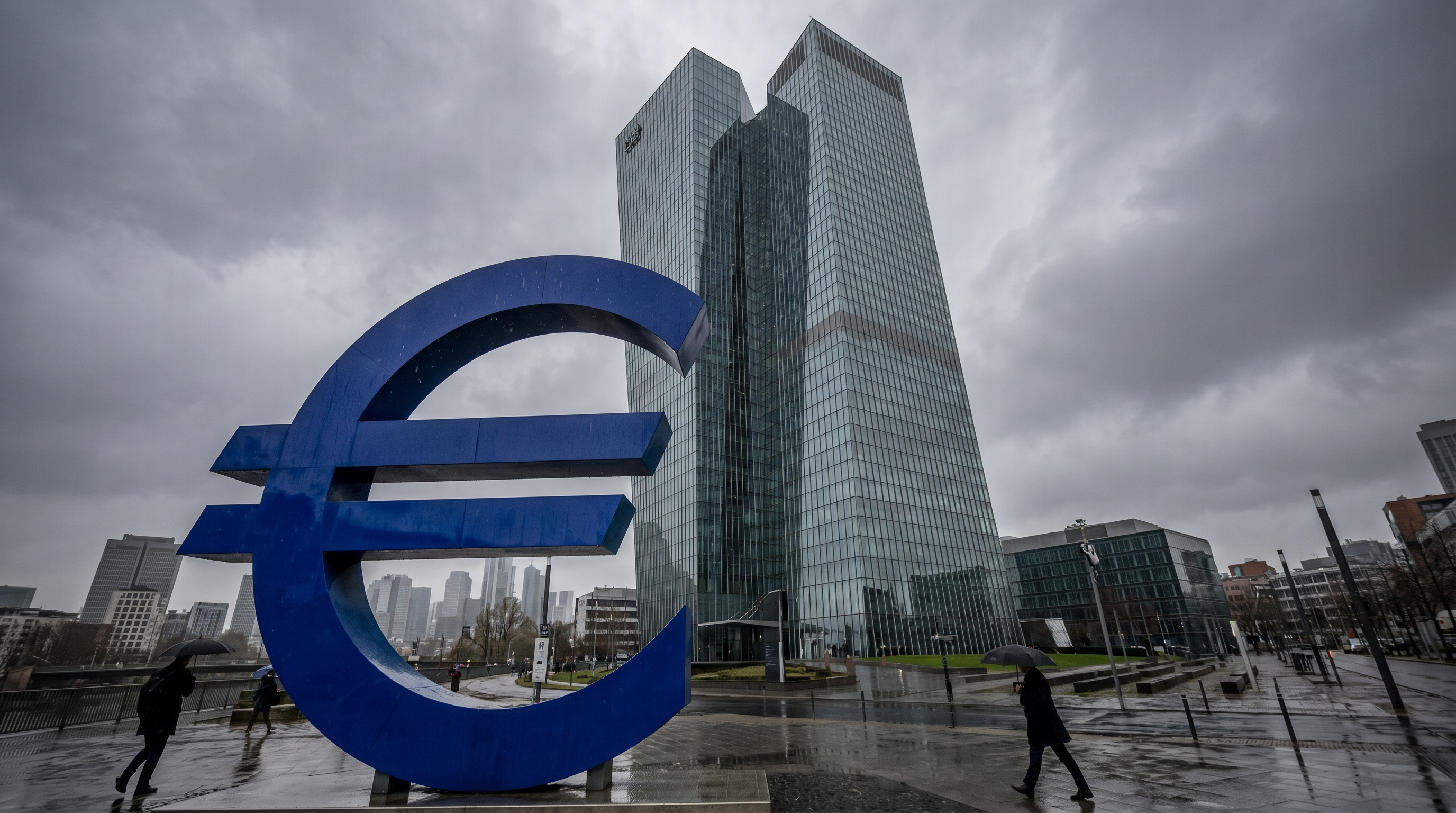
The European Central Bank raised interest rates for the first time since 2023, while the US Federal Reserve is poised to hold borrowing costs steady as an energy-driven inflation spike upends global economic forecasts.
By Factlen Editorial Team
- Central Banks
- Prioritizing price stability over near-term economic growth.
- Consumers & Borrowers
- Facing a severe squeeze on purchasing power and housing affordability.
- Market Analysts
- Balancing geopolitical risks with the booming AI technology sector.
What's not represented
- · Small business owners struggling with high commercial loan rates.
- · Energy sector executives benefiting from the $90+ crude oil prices.
Why this matters
For consumers and businesses, the era of elevated borrowing costs is being extended. Mortgage rates, auto loans, and credit card interest will remain high as central banks prioritize fighting an energy-driven inflation spike over stimulating economic growth.
Key points
- The ECB raised its key interest rates by 25 basis points to 2.25%, its first hike since September 2023.
- The US Federal Reserve is widely expected to hold its benchmark rate steady at 3.50% to 3.75% in mid-June.
- A renewed surge in global inflation, driven by Middle East conflict and high oil prices, is forcing the policy shift.
- US Consumer Price Index (CPI) inflation accelerated to 4.2% in May 2026.
- The ECB downgraded its 2026 eurozone economic growth forecast to just 0.8%.
- Massive investments in artificial intelligence are helping cushion the global economy against a broader recession.
The global economic narrative has abruptly shifted. After months of anticipation that 2026 would bring widespread relief from high interest rates, central banks are reversing course. For the better part of a year, financial markets had priced in a steady glide path toward cheaper borrowing costs, assuming that the post-pandemic inflation dragon had finally been slain. However, a complex web of geopolitical tensions and resilient consumer demand has completely upended those forecasts. Instead of a coordinated easing of monetary policy, the world's major financial institutions are now bracing for a prolonged battle against rising prices. This pivot marks a critical juncture for the global economy, signaling that the era of elevated borrowing costs will extend far longer than previously anticipated, impacting everything from corporate capital expenditures to household mortgage rates.[1][2]
The catalyst for this renewed hawkishness arrived on Thursday, when the European Central Bank (ECB) delivered a stark wake-up call to global markets by raising its key interest rates by 25 basis points. This decisive move marks the institution's first rate hike since September 2023, pushing the deposit facility rate to 2.25% and the marginal lending facility to 2.65%. The decision shattered any lingering illusions that European policymakers were ready to declare victory over inflation. ECB President Christine Lagarde and the Governing Council made it clear that the hike was a necessary defensive measure against a rapidly deteriorating inflation outlook. The move sent ripples through European stock markets, which pared their daily gains as investors digested the reality of tighter monetary conditions returning to the eurozone.[2][3][4]
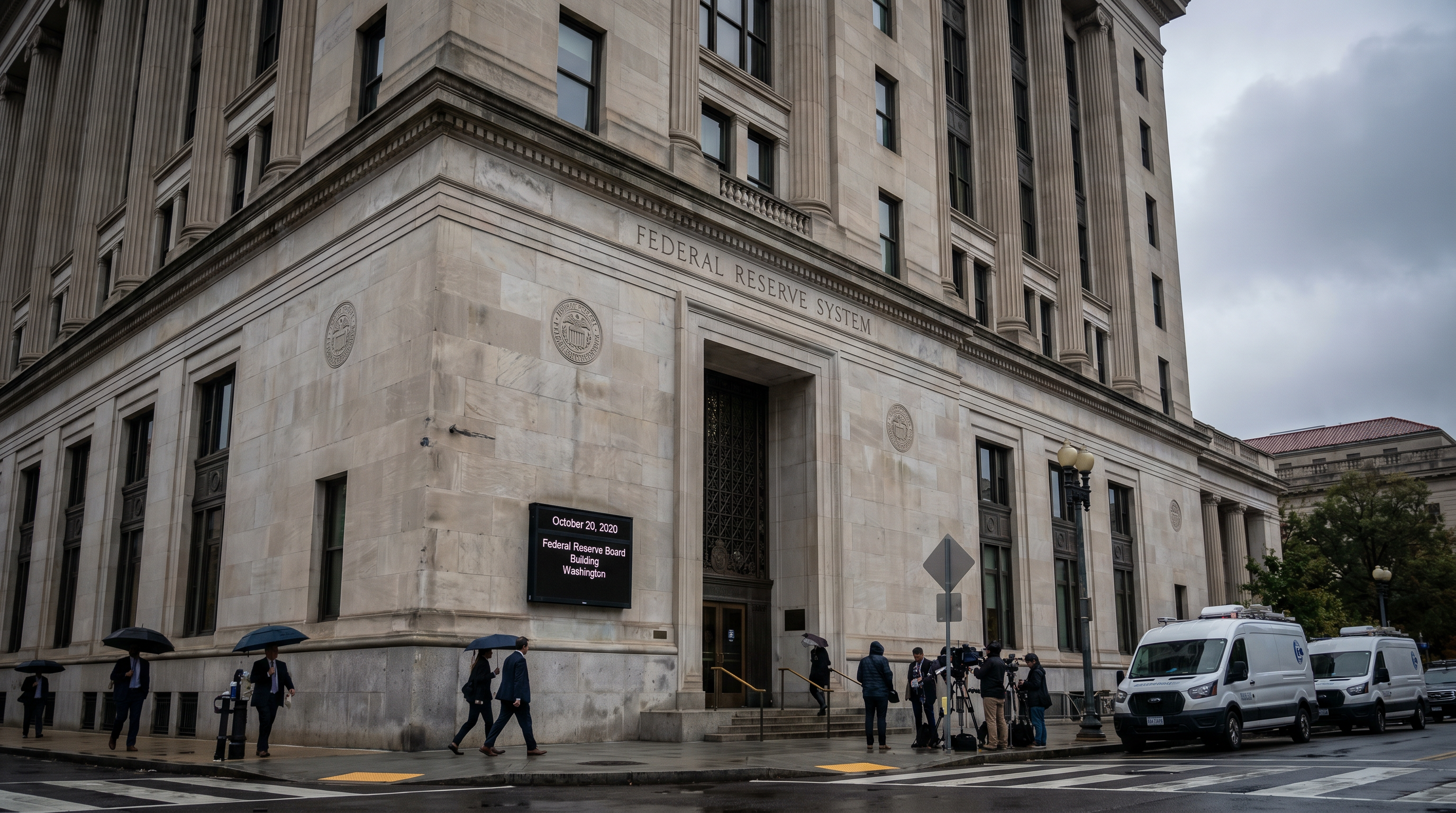
Across the Atlantic, the US Federal Reserve is navigating a similarly treacherous landscape, though its immediate policy response differs slightly. The Fed is widely expected to hold its benchmark federal funds rate steady at a target range of 3.50% to 3.75% during its upcoming June 16-17 meeting. According to the CME Group's FedWatch tool, markets are pricing in a 99% probability of a pause. The US central bank has not cut rates since December 2025, and the appetite for easing has completely evaporated among the Federal Open Market Committee (FOMC). While the Fed may not be hiking rates this month like its European counterpart, the message is identical: restrictive monetary policy must remain in place to prevent the economy from overheating.[1][8]
The primary culprit behind this synchronized central bank anxiety is a renewed surge in global inflation, driven almost entirely by an energy price shock stemming from the ongoing conflict in the Middle East. The region, which produces nearly 30% of the world's crude oil and 20% of its natural gas, has seen significant disruptions to production and maritime shipping routes. The Strait of Hormuz and the Red Sea have become geopolitical flashpoints, forcing global energy markets to price in a massive risk premium. This is not a demand-driven inflation cycle fueled by excessive consumer spending, but rather a classic supply-side shock that central banks are notoriously ill-equipped to handle with interest rates alone.[5][6]

The tangible result of this geopolitical instability is a sharp spike in the cost of fossil fuels. Brent crude oil prices have surged dramatically, consistently hovering between $90 and $100 per barrel since the conflict escalated earlier in the year. This represents a massive increase from the levels anticipated prior to the conflict, effectively acting as a global tax on consumers and businesses alike. Because energy is a foundational input for virtually every sector of the modern economy, these elevated oil prices are rapidly bleeding into the broader macroeconomic landscape, raising the cost of transportation, heavy manufacturing, and agricultural production across the globe.[5][7]
The mechanism by which this energy shock translates into broader inflation is insidious and difficult to contain. While central banks cannot drill for more oil, clear shipping lanes, or resolve geopolitical conflicts, they are forced to respond to what economists call second-round effects. As the initial cost of energy rises, businesses are forced to pass those expenses onto consumers in the form of higher prices for food, manufactured goods, and basic services. Simultaneously, workers facing higher costs of living begin to demand higher wages, threatening to create a self-sustaining inflationary spiral. It is this secondary wave of price increases that central banks are desperately trying to short-circuit by keeping borrowing costs prohibitively high.[4][5]
In the eurozone, the impact of these second-round effects is already glaringly apparent in the data. The ECB has been forced to revise its 2026 headline inflation forecast upward to a troubling 3.0%, a significant jump from its previous projections. Core inflation, which strips out volatile food and energy prices to reveal underlying trends, is also expected to average 2.5% this year. The central bank explicitly acknowledged that the higher expected path for energy prices is anticipated to feed directly into food, goods, and services inflation over the coming months. This upward revision leaves the ECB with little choice but to maintain a restrictive stance to ensure inflation eventually returns to its 2% medium-term target.[4]
In the eurozone, the impact of these second-round effects is already glaringly apparent in the data.
The United States is experiencing a remarkably similar inflationary dynamic, despite its status as a major domestic energy producer. After a celebrated period of disinflation throughout 2024 and 2025, the US Consumer Price Index (CPI) has reversed course alarmingly. Inflation rose 3.8% year-over-year in April and accelerated further to 4.2% in May 2026. This resurgence has completely validated the Fed's cautious approach and silenced calls for imminent rate cuts. Even alternative metrics, such as the Dallas Fed's trimmed mean PCE, indicate that underlying price pressures remain stubbornly above the central bank's comfort zone, shifting the internal FOMC debate away from when to cut rates and toward whether further hikes might eventually be necessary.[8]

This inflation resurgence is severely squeezing household purchasing power on a global scale. Consumers are currently facing a punishing dual burden: the rising cost of everyday necessities at the grocery store and gas pump, combined with the stubbornly high cost of borrowing money. Retail sales data indicates that while headline spending appears resilient, real consumer spending—which accounts for the effects of rising prices—is barely growing. The immediate macroeconomic question is how long consumers can withstand this squeeze before they are forced to drastically curtail their discretionary spending, which would inevitably drag the broader economy down with them.[5]
The housing market provides the starkest example of how this policy environment is impacting ordinary citizens. Mortgage rates in the US, which had dipped slightly earlier in the year on hopes of Fed rate cuts, have violently reversed course. The average 30-year fixed purchase mortgage is now hovering around 6.5%, more than half a percentage point above where it sat in December. This dynamic has effectively locked millions of prospective homebuyers out of the market, as the combination of high home prices and elevated borrowing costs pushes monthly payments beyond the reach of the average family. Borrowers are being advised to lock in rates now, as the borrowing climate could deteriorate further.[1]
Despite these shared inflationary pressures, a significant divergence in economic resilience is emerging between the United States and Europe. The US economy has managed to maintain a surprisingly robust labor market and steady GDP growth despite the high-rate environment. This resilience is largely attributed to massive, unprecedented investments in artificial intelligence and related technology infrastructure. The deployment of AI is driving a historic capital expenditure boom, boosting productivity and cushioning the US growth model against the drag of high interest rates. This technological tailwind is allowing the US economy to absorb the energy shock much more effectively than its international peers.[6][7]
Europe, however, finds itself in a much more vulnerable position. The eurozone is highly dependent on imported fossil fuels, making it acutely sensitive to disruptions in the Middle East. The combination of the energy shock and the ECB's restrictive monetary policy is actively suppressing economic activity across the continent. Consequently, the ECB has downgraded its economic growth projections, now expecting the euro area economy to grow at an anemic 0.8% in 2026. This creates a perilous stagflationary environment for European policymakers, who must hike interest rates to fight inflation even as their underlying economy flirts with stagnation.[4][6]

Global macroeconomic organizations are increasingly sounding the alarm about the fragility of the current situation. The OECD and Fitch Ratings have both warned that the prolonged energy disruption is significantly weakening global growth prospects. In their latest outlooks, these institutions highlight that the oil shock is lifting inflation, squeezing real wages, and raising input costs across virtually all economies. They caution that if supply constraints persist into 2027, the world could face substantially weaker growth outcomes and persistently high inflation, requiring an even more aggressive and painful response from central banks down the line.[6][7]
Financial analysts at major institutions share this deep concern. J.P. Morgan's global economic research team recently noted that the energy price spike is upending the entire debate about the monetary policy path. They warn that if the Strait of Hormuz remains contested and crude oil lingers near $100 per barrel, a toxic mix of goods sector cost pressures and tightening labor markets could push core inflation well above 3% globally. Such an outcome, they argue, would not just delay rate cuts, but actively set the stage for a completely new round of global monetary policy tightening.[5]
Yet, amidst this gloomy macroeconomic forecast, there is a powerful silver lining preventing a full-blown global recession. The rapid deployment of AI and the associated boom in tech exports are acting as a vital counterweight to the energy shock. This investment cycle is so massive that it is single-handedly buoying global factory output, which accelerated to an annualized rate of 3.6% in the first quarter of 2026. This creates a highly unusual, bifurcated global economy: traditional manufacturing and consumer sectors are buckling under the weight of inflation and high rates, while the technology sector operates in a booming parallel universe.[5][6]

Central bankers are now walking an incredibly narrow tightrope. They must maintain restrictive monetary policy long enough to anchor inflation expectations and prevent second-round effects from taking hold, without triggering a severe contraction in the labor market or breaking the financial system. They are acutely aware that monetary policy operates with long and variable lags, meaning the full pain of the current rate environment has yet to be felt by many businesses and consumers. Every upcoming policy meeting will be heavily data-dependent, with officials scrutinizing every inflation print and jobs report for signs of either relief or further deterioration.[4][5]
For now, the definitive message emanating from Frankfurt and Washington is clear: the fight against inflation is far from over. The dream of a seamless return to the low-interest-rate environment of the 2010s has been thoroughly dashed by geopolitical reality. Consumers, businesses, and investors must adapt to a new normal where capital is expensive, energy markets are volatile, and central banks are forced to prioritize price stability above all else. The remainder of 2026 will test the resilience of the global economy as it attempts to digest this bitter, but necessary, monetary medicine.[1][4]
How we got here
Sept 2023
The ECB implements its last rate hike before entering a period of pauses and subsequent cuts.
Late 2024 - 2025
Global central banks begin cutting rates as inflation appears to cool toward 2% targets.
Feb 2026
Energy prices begin to soar as geopolitical conflict in the Middle East disrupts shipping and oil markets.
May 2026
US CPI inflation hits 4.2%, confirming a reversal of the previous disinflationary trend.
June 11, 2026
The ECB surprises markets by raising rates by 25 basis points to combat resurgent inflation.
Viewpoints in depth
Central Banks
Prioritizing price stability over near-term economic growth.
Monetary policymakers, led by the ECB and the Federal Reserve, argue that failing to contain inflation now will lead to deeper economic scarring later. They view the current energy shock as a structural challenge that requires restrictive borrowing costs to prevent price increases from becoming entrenched in wages and consumer expectations. Their primary mandate is price stability, even if it means sacrificing near-term GDP growth.
Consumers & Borrowers
Facing a severe squeeze on purchasing power and housing affordability.
For the average household, the combination of rising energy bills, expensive groceries, and high interest rates is creating a cost-of-living vice. Prospective homebuyers are particularly frustrated, as mortgage rates hovering near 6.5% keep homeownership out of reach. This camp argues that central banks are using a blunt instrument—interest rates—to solve a supply-side energy problem, disproportionately punishing working-class borrowers.
Market Analysts
Balancing geopolitical risks with the booming AI technology sector.
Financial analysts and institutional investors see a bifurcated global economy. While the manufacturing and consumer sectors are weighed down by inflation and high rates, the technology sector is experiencing a historic boom driven by artificial intelligence. This camp believes that AI-related productivity gains and capital expenditures are single-handedly preventing a global recession, creating a highly unusual macroeconomic environment where high rates and high growth coexist in different sectors.
What we don't know
- How long the geopolitical conflict in the Middle East will disrupt global energy markets.
- Whether the Federal Reserve will be forced to actually raise rates later in 2026 if US inflation continues to climb.
- The exact point at which high borrowing costs will begin to severely impact the currently resilient US labor market.
Key terms
- Basis Point (bps)
- A unit of measure used in finance to describe the percentage change in the value of financial instruments; one basis point equals 0.01%.
- Deposit Facility Rate
- The interest rate banks receive for depositing money with the central bank overnight, used by the ECB to steer monetary policy.
- Federal Funds Rate
- The target interest rate set by the US Federal Reserve at which commercial banks borrow and lend their excess reserves to each other overnight.
- Headline Inflation
- The raw inflation figure reported through the Consumer Price Index (CPI) that includes all items, including volatile food and energy prices.
- Core Inflation
- A measure of inflation that excludes volatile food and energy prices to reveal underlying long-term price trends.
- Second-Round Effects
- When an initial price shock (like expensive oil) causes businesses to raise prices on other goods and workers to demand higher wages, embedding inflation into the broader economy.
Frequently asked
Why did the ECB raise interest rates?
The ECB raised rates to combat a resurgence in inflation, which has been driven primarily by an energy price shock stemming from conflict in the Middle East.
Will the US Federal Reserve raise rates too?
Currently, markets expect the Fed to hold rates steady at 3.50% to 3.75% in June, though rising inflation (4.2% in May) has shifted sentiment away from rate cuts.
How does this affect my mortgage?
With central banks keeping rates high or raising them, mortgage rates are expected to remain elevated. In the US, the average 30-year fixed mortgage is currently hovering around 6.5%.
Is the global economy heading for a recession?
While high rates and energy costs are slowing growth—particularly in Europe—massive investments in AI and technology are currently cushioning the global economy and preventing a widespread recession.
Sources
Source coverage
8 outlets
3 viewpoints surfaced








[1]CBS NewsConsumers & Borrowers
Fed poised to hold rates steady at June meeting
Read on CBS News →[2]MorningstarMarket Analysts
The European Central Bank increased rates for the first time since 2023
Read on Morningstar →[3]XinhuaMarket Analysts
ECB raises key interest rates by 25 basis points amid inflation pressures
Read on Xinhua →[4]European Central BankCentral Banks
Monetary policy decisions
Read on European Central Bank →[5]J.P. MorganCentral Banks
Global inflation forecast: Are rate hikes on the horizon?
Read on J.P. Morgan →[6]OECDMarket Analysts
Economic Outlook: Global growth prospects weaken as oil shock lifts inflation
Read on OECD →[7]Fitch RatingsMarket Analysts
Global Economic Outlook - June 2026
Read on Fitch Ratings →[8]DTNConsumers & Borrowers
Fed faces pressure as inflation tops 4%
Read on DTN →
More in business
See all 21 stories →Inflation Shock
US Inflation Surges to 4.2% in May, Upending Central Bank Timetables
8 sources
Space Sustainability
Space Debris Cleanup Hits Major Milestone as Astroscale's ADRAS-J Completes Historic Inspection Mission
8 sources

Battery Tech
The Battery Recycling Boom: How the EV Supply Chain is Going Circular
7 sources

Geothermal Tech
How the Oil and Gas Playbook is Unlocking 24/7 Geothermal Energy
9 sources

Every angle. Every day.
Get business stories with full source coverage and perspective breakdowns delivered to your inbox.