
Gaming Hardware Prices Jump 16% in H1 2026 Amid Global Memory Shortage
The average cost of gaming hardware has surged to $525 as AI data centers consume the world's memory manufacturing capacity, driving up prices for consoles, GPUs, and pre-built PCs.
By Xia Wu

The sticker shock is real. Across the United States and global markets, the cost of participating in the gaming hobby has surged to unprecedented levels in the first half of 2026. According to data from Circana's Retail Tracking Service, the average selling price of new gaming hardware in the US jumped from $452 in January to $525 by June.
This 16 percent increase in just six months marks a historic anomaly. Traditionally, gaming consoles and PC components become cheaper to manufacture as a generation matures and supply chains optimize. Instead, consumers are watching prices climb across the board. Microsoft and Sony have implemented price hikes on their current-generation consoles, while PC builders are facing staggering premiums for graphics cards and system memory.[1][2]
The root cause of this hardware inflation is not corporate greed from gaming brands, but a fundamental shift in global semiconductor manufacturing. The gaming industry has collided head-on with the artificial intelligence boom, and at the center of the crisis is a severe global shortage of memory chips.
Modern AI accelerators, such as Nvidia's B200, require massive amounts of High Bandwidth Memory (HBM3e) to process large language models and complex neural networks. This specialized memory is incredibly resource-intensive to produce. According to industry analysts, each gigabyte of HBM consumes roughly three to four times the physical silicon wafer capacity of standard DRAM, creating an immediate bottleneck at the foundry level.[5]
With hyperscale tech companies spending hundreds of billions of dollars on AI infrastructure, memory manufacturers like Samsung, SK Hynix, and Micron have aggressively reallocated their fabrication lines. They are prioritizing the production of high-margin HBM to meet the insatiable demand from data centers.
This strategic pivot has left a massive void in the production of conventional DDR5 system memory and the GDDR7 video memory required for consumer graphics cards. The math governing the semiconductor industry is unforgiving: every silicon wafer dedicated to an AI data center is one less wafer available for the graphics card of a future gaming PC or the unified memory of a living room console.[5]
The graphics processing unit (GPU) market is feeling the most acute pain from this reallocation. Nvidia has reportedly been forced to cut production of its consumer RTX 50-series graphics cards by 30 to 40 percent in the first half of 2026. This production cut is directly tied to the scarcity of GDDR7 memory modules.
Supply chain sources indicate that the cost of a high-density 3GB GDDR7 module has skyrocketed to between $60 and $70, effectively tripling the price compared to standard 2GB modules that previously cost around $20. Without a steady supply of affordable memory, manufacturing high-volume consumer graphics cards becomes economically unviable.[3][4]
When a single modern graphics card requires six to eight of these high-density memory modules to function, the bill of materials inflates by hundreds of dollars before the GPU even reaches the assembly line. Consequently, hardware vendors are passing these unavoidable manufacturing costs directly to consumers.
Retail prices for mid-range and high-end graphics cards have surged by 20 to 30 percent since the beginning of the year. This sudden spike has completely disrupted the traditional upgrade cycle, forcing many PC builders to delay their projects or settle for lower-tier components that still carry premium price tags.[3][4]
The pre-built PC market is undergoing a similar and equally painful transformation. Major manufacturers like Dell and HP have warned investors during recent earnings calls that hardware costs will increase by 15 to 20 percent to offset the rising price of system RAM and solid-state storage.
The concept of the ultra-budget $500 gaming PC is rapidly becoming extinct. Analysts predict that entry-level systems capable of running modern titles will soon start closer to the $800 or $1,000 mark, effectively raising the barrier to entry for new players looking to transition from mobile or casual gaming into the dedicated PC ecosystem.[2][4]
Console gamers are not insulated from this supply chain reality. Consoles rely heavily on GDDR6 and standard DRAM to function, making them highly vulnerable to the same memory shortages plaguing the PC market. Nintendo explicitly cited memory costs when discussing the pricing strategy for its upcoming Switch 2, and Microsoft noted that storage and memory costs had risen significantly ahead of its recent Xbox price adjustments.
For consumers hoping to wait out the storm, the horizon offers little immediate relief. The memory shortage is not a cyclical dip that will resolve in a few months, but a structural reallocation of global manufacturing capacity.[1][2]
Building new semiconductor fabrication plants to increase overall wafer supply takes years of planning and billions of dollars in capital investment. Executives from major memory suppliers have stated that their HBM production capacity is fully booked through the end of 2026.
Industry consensus suggests that the memory market will remain tightly constrained throughout 2027, with meaningful price normalization unlikely to arrive before 2028. In the interim, gamers and PC builders are left to navigate a fundamentally altered landscape. The era of cheap, abundant memory has paused, requiring consumers to budget more aggressively and prioritize their hardware upgrades carefully.[1][3][5]
Key points
- The average selling price of gaming hardware in the US jumped 16% to $525 in the first half of 2026.
- AI data centers are consuming the world's memory manufacturing capacity, creating a severe shortage of consumer RAM and VRAM.
- Nvidia has reportedly cut consumer RTX 50-series graphics card production by 30 to 40 percent due to GDDR7 scarcity.
- Industry executives expect the global memory shortage to persist through 2027, with relief unlikely before 2028.
Open questions
- Whether memory manufacturers will successfully scale production fast enough to ease the shortage before 2028.
- How much of the rising component costs console manufacturers like Sony and Microsoft will absorb versus pass to consumers.
- If the delayed release of next-generation hardware will cool consumer demand enough to stabilize retail pricing.
Timeline
Late 2025
AI data center demand begins consuming the majority of global HBM memory supply.
January 2026
The average selling price of new gaming hardware in the US sits at $452.
February 2026
Nvidia reportedly begins cutting RTX 50-series production due to GDDR7 shortages.
June 2026
The average US gaming hardware price hits $525, a 16% increase in six months.
July 2026
Memory manufacturers forecast supply constraints will persist until at least 2028.
- Memory Manufacturers
- Prioritizing high-margin AI data center contracts to maximize revenue.
- Hardware Vendors
- Caught between rising component costs and consumer price sensitivity.
- Gaming Consumers
- Facing unprecedented generational price hikes and the extinction of budget gaming.
Perspectives this story doesn't cover
- Independent game developers whose player bases may shrink if entry-level hardware becomes unaffordable.
- Used hardware refurbishers who are seeing a massive surge in demand for older components.
Sources
Source coverage
5 outlets
3 viewpoints surfaced





- [1]GamesRadar+Gaming Consumers
As the Steam Machine and consoles hit high prices, Lenovo says we're in a new normal for RAM costs
Read on GamesRadar+ → - [2]BGRHardware Vendors
How the AI memory shortage is killing the affordable gaming PC
Read on BGR → - [3]gHacksHardware Vendors
Nvidia reportedly planning 30% GPU price hike amid DRAM shortage
Read on gHacks → - [4]Tom's HardwareGaming Consumers
Best PC Builds for Gaming in 2026
Read on Tom's Hardware → - [5]SoftwareSeniHardware Vendors
The Two GPU Memory Crises of 2026
Read on SoftwareSeni →
More in Gaming & Esports
See all →Peripheral Tech
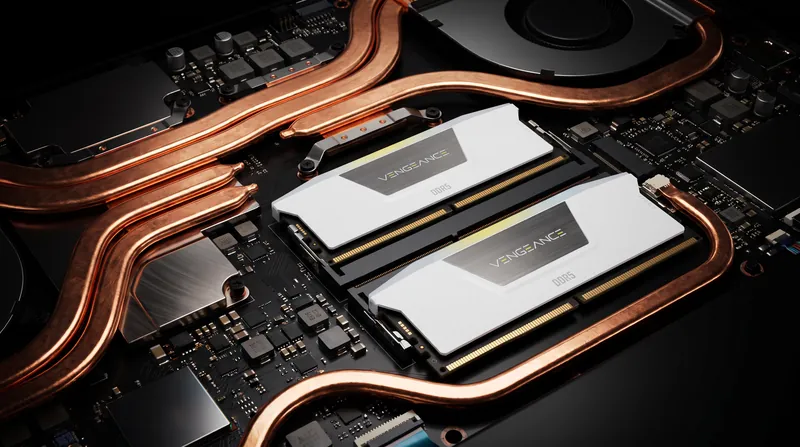
Optical Actuation: How Infrared Lasers Replaced Mechanical Contacts in Esports Mice
5 sources
Neural Rendering
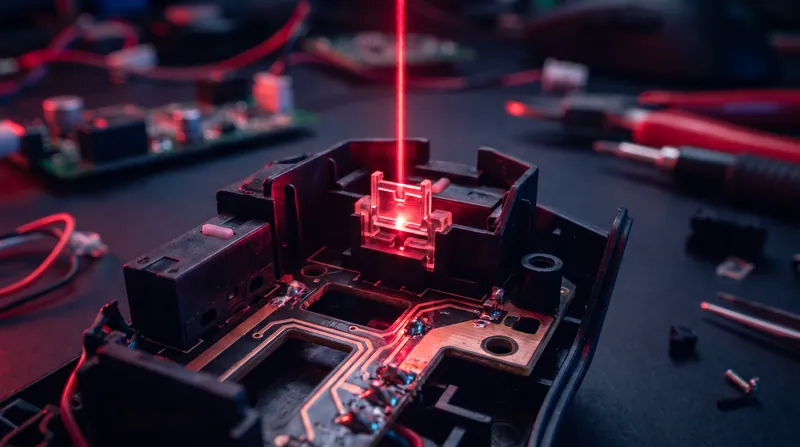
NVIDIA Launches DLSS 5 Neural Rendering as Modders Unlock Multi-GPU and Performance Boosts
4 sources
Hardware Modding
Modders Bypass NVIDIA App Update to Restore Unofficial DLSS Multi-Frame Generation on RTX 40 Series
4 sources
Wearable Displays
ELO Unveils Sentinel XR Gaming Glasses with Dual Sony OLED Displays and 120Hz Refresh Rate at IFA 2026
3 sources

Comments
Every angle. Every day.
Get Gaming & Esports stories with full source coverage and perspective breakdowns, free every day.