
FDA Approves Pasatru to Halt Rogue Bone Growth in Ultra-Rare Disorder FOP
The FDA has approved Regeneron's Pasatru, a breakthrough biologic therapy that reduces new bone lesions by 90 percent in adults with fibrodysplasia ossificans progressiva.
By Jun Zhao

Imagine waking up to find that a swollen, painful flare-up on your shoulder has permanently locked the joint in place overnight, turning your own muscle into solid bone. For the roughly 900 people worldwide living with fibrodysplasia ossificans progressiva (FOP), this relentless, unpredictable ossification is a daily threat that gradually encases the body in a second skeleton.
Now, a major regulatory milestone is fundamentally changing that prognosis. The U.S. Food and Drug Administration has officially approved Pasatru (garetosmab-grts), a novel monoclonal antibody developed by Regeneron Pharmaceuticals, to halt this rogue bone formation in adults.[3][5]
The approval marks a watershed moment for the FOP community, introducing a highly targeted biologic therapy that directly neutralizes the biological trigger of the disease. Administered as a once-monthly intravenous infusion, Pasatru is the first treatment proven in clinical trials to dramatically reduce both the formation of new bone lesions and the painful flare-ups that precede them.
Unlike previous management strategies that primarily addressed symptoms, this therapy intervenes at the molecular level, offering patients a realistic chance to preserve their mobility and independence for decades longer than historical averages, which currently see most patients wheelchair-bound by age 30.[1][5]
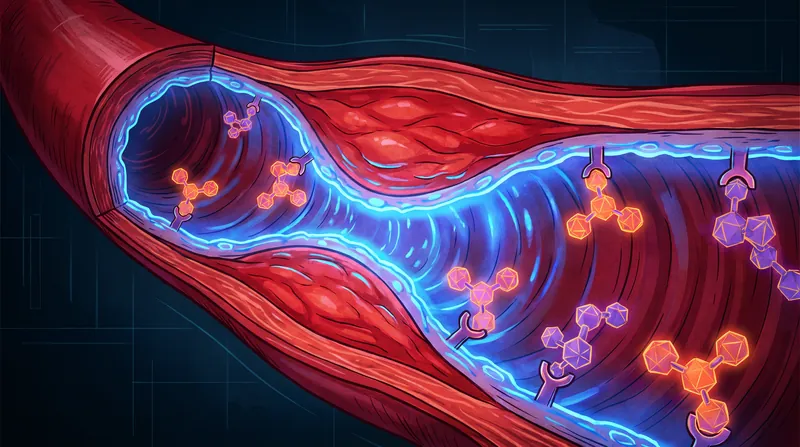
To understand why Pasatru is so effective, it is necessary to look at the genetic root of FOP. The disorder is driven by a mutation in the ACVR1 gene, which controls a receptor involved in bone growth. Regeneron scientists discovered that in people with FOP, a specific protein called Activin A—which normally inhibits bone growth—inappropriately activates this mutated receptor, signaling the body's soft tissues to transform into bone.
Pasatru is a fully human monoclonal antibody explicitly designed to bind and neutralize Activin A. By intercepting this protein before it can interact with the mutated receptor, the drug effectively cuts the communication line that tells muscles and tendons to ossify.[2][4][6]
The clinical evidence supporting this mechanism is unusually robust for such a rare disease. In the Phase 3 OPTIMA trial, which enrolled 63 adults with active FOP, the results were definitive enough that an independent data monitoring committee recommended halting the placebo arm early.
Patients receiving the recommended 10 milligram per kilogram dose of Pasatru experienced a 90 percent reduction in new heterotopic ossification lesions over 56 weeks compared to those on a placebo. Furthermore, clinician-assessed flare-ups—the painful, hot swellings that signal new bone formation—plummeted by 88 percent in the high-dose group.[1][5]
For patients and their families, the practical application of this therapy is designed to minimize the burden of treatment. Because mobility is severely restricted as FOP progresses, Regeneron formulated Pasatru to be administered across various care settings, including home infusions where clinically appropriate.
The standard regimen involves a one-hour infusion every four weeks. If a patient struggles to tolerate the standard dose, physicians have the flexibility to reduce it to 3 milligrams per kilogram, which trial data showed was still highly effective at preventing new bone lesions, achieving a 94 percent reduction.[1][3][4]
However, manipulating the body's bone and tissue signaling pathways is not without systemic effects, and patients must navigate a specific side-effect profile. The most common adverse reactions observed during the OPTIMA trial included skin and soft tissue issues such as abscesses, acne, hair follicle inflammation, and oral ulcers. Some patients also experienced epistaxis, or severe nosebleeds, and madarosis, which is the loss of eyebrows or eyelashes. Because the drug can cause embryo-fetal toxicity, strict reproductive precautions are necessary, and its effects on male fertility remain an area of ongoing monitoring.[2][4][5]
Pasatru enters a treatment landscape that only recently saw its first dedicated therapy. In 2023, the FDA approved oral palovarotene (Sohonos), which works through a different mechanism to inhibit bone formation. The arrival of a second, highly efficacious biologic option provides critical flexibility for endocrinologists and rare-disease specialists managing FOP. While Pasatru is currently only approved for adults aged 18 and older, pediatric trials are slated to begin later this year, raising the hope that early intervention could eventually prevent the devastating accumulation of bone before it begins in childhood.[1][5][6]
The broader implications of this approval extend beyond FOP itself, serving as a powerful proof-of-concept for targeted biologics in ultra-rare genetic conditions. By successfully isolating and neutralizing a single rogue protein pathway, researchers have demonstrated that even the most complex and devastating structural diseases can be halted if the precise molecular trigger is identified. As the medical community watches the real-world rollout of Pasatru, the focus now shifts to ensuring equitable access and supporting the pediatric trials that could ultimately change the trajectory of the disease for the next generation.[3][6]
Key points
- The FDA has approved Regeneron's Pasatru (garetosmab-grts) for adults with the ultra-rare bone-forming disorder FOP.
- The biologic drug is a monoclonal antibody that neutralizes Activin A, the protein responsible for triggering abnormal bone growth.
- In Phase 3 trials, the recommended dose reduced the formation of new bone lesions by 90 percent over 56 weeks.
- Clinician-assessed flare-ups, which cause painful swelling and precede ossification, were reduced by 88 percent.
Unanswered questions
- Whether early intervention with Pasatru in children can completely prevent the onset of severe mobility loss, as pediatric trials are only just beginning.
- The long-term impact of continuous Activin A suppression over multiple decades of a patient's life.
- How health insurance providers will structure coverage and out-of-pocket costs for this novel biologic therapy.
How we got here
2016
Regeneron launches early-stage clinical studies after discovering the role of Activin A in FOP.
August 2023
The FDA approves oral palovarotene (Sohonos), marking the first-ever dedicated treatment for FOP.
Late 2025
The Phase 3 OPTIMA trial demonstrates a 90% reduction in new bone lesions, prompting early crossover from the placebo group.
August 2026
The FDA officially approves Pasatru for adults with FOP, providing the first biologic therapy for the condition.
- Clinical Researchers
- Medical scientists view the approval as a triumph of targeted biologic design over a complex genetic pathway.
- Patient Advocacy Groups
- Advocates emphasize the profound quality-of-life improvements and the critical importance of flexible care options.
- Regulatory & Safety Monitors
- Health authorities focus on balancing the drug's transformative benefits with its specific dermatological and systemic risks.
Perspectives this story doesn't cover
- Pediatric FOP Patients
- Health Insurance Payers
Sources
Source coverage
6 outlets
3 viewpoints surfaced






- [1]HealioClinical Researchers
FDA approves Pasatru for fibrodysplasia ossificans progressiva
Read on Healio → - [2]WebMDRegulatory & Safety Monitors
What Is Pasatru, and How Does It Work?
Read on WebMD → - [3]Global GenesPatient Advocacy Groups
FDA Approves Regeneron’s Pasatru for Rare Bone-Formation Disorder
Read on Global Genes → - [4]Drugs.comRegulatory & Safety Monitors
FDA Approves Pasatru (garetosmab-grts) for the Treatment of Fibrodysplasia Ossificans Progressiva
Read on Drugs.com → - [5]Managed Healthcare ExecutiveRegulatory & Safety Monitors
FDA approves Pasatru, the second treatment for rare bone disorder
Read on Managed Healthcare Executive → - [6]BioSpaceClinical Researchers
Pasatru (garetosmab-grts) First and Only FDA-approved Treatment
Read on BioSpace →
More in Health
See all →Drug Metabolism
Glutathione Depletion by Toxic NAPQI Explains Why Paracetamol Overdoses Cause Delayed Liver Failure
11 sources

Metabolic Disease
Phase 3 Trial Finds Triple-Hormone Agonist Retatrutide Drives 21% Weight Loss in Type 2 Diabetes
5 sources

El Niño Response
WHO Declares El Niño Health Impacts in Africa a Grade 3 Emergency
5 sources

Endocrine System
How Parathyroid Hormone, Calcitonin, and Calcitriol Maintain Calcium Homeostasis
4 sources
Comments
Every angle. Every day.
Get Health stories with full source coverage and perspective breakdowns, free every day.