
Wimbledon 2026 Day One Injury Report: Mid-Match Exits for Shapovalov and Chwalinska Open Doors for Underdogs
The opening day of Wimbledon 2026 saw Denis Shapovalov and Maja Chwalinska suffer mid-match injuries, paving the way for milestone victories by Pablo Carreno Busta and Mananchaya Sawangkaew.
By Factlen Editorial Team
- Player Health Analysts
- Focus on the grueling nature of the clay-to-grass transition and the necessity of precautionary withdrawals.
- Underdog Advocates
- Highlight how the physical attrition of top seeds creates historic breakthrough opportunities for lower-ranked players.
- Tournament Broadcasters
- Focus on the immediate impact of mid-match retirements on the daily schedule and draw integrity.
What's not represented
- · Ticketing & Fan Experience Representatives
- · Equipment Manufacturers
Why this matters
The physical attrition of the early rounds reshapes the tournament draw, offering unseeded qualifiers life-changing opportunities to advance while highlighting the severe physical demands of the professional tennis calendar.
Key points
- Maja Chwalinska suffered a severe right ankle injury on match point, allowing Thai qualifier Mananchaya Sawangkaew to claim her maiden Grand Slam victory.
- Denis Shapovalov retired from his opening match against Pablo Carreno Busta after injuring his left shoulder in a collision with a courtside barrier.
- Pre-tournament withdrawals included Tomas Machac, Cristina Bucsa, and Arthur Cazaux due to lingering foot, wrist, and elbow injuries.
- The rapid transition from clay to grass continues to cause a spike in lower-body and joint injuries among top competitors.
The opening day of the 2026 Wimbledon Championships brought the physical toll of grass-court tennis into sharp focus, as a series of mid-match injuries dramatically reshaped the first round. While the pristine lawns of the All England Club offer the sport's most prestigious stage, the slick surface and the demanding biomechanical transitions required to compete on it have severely tested the durability of several top competitors. The abrupt shift from the European clay-court season leaves players with minimal time to adapt their footwork, leading to a spike in lower-body strains and joint issues. As the tournament commenced on Monday, the vulnerability of the field was immediately apparent, with both the men's and women's draws experiencing sudden, match-altering physical breakdowns that forced seeded players out and opened unexpected pathways for unheralded qualifiers.[4][6]
The most dramatic and heartbreaking turn of events unfolded on the women's side for Poland's Maja Chwalinska, who entered the tournament as a highly touted wild card following a stellar runner-up finish at the French Open. The 24-year-old, seeded 20th at the All England Club, appeared to be in complete control of her opening-round match against Thai qualifier Mananchaya Sawangkaew. Chwalinska had comfortably secured the first set 6-2 and was cruising toward a routine victory with a 5-2 lead in the second. Standing just one point away from advancing, holding match point at 40-30, the Polish star slipped awkwardly near the baseline while attempting to change direction, immediately collapsing to the grass in visible distress.[2]
The severe fall resulted in an acute right ankle injury that fundamentally altered the trajectory of the contest. After receiving an extended medical timeout and having the joint heavily taped by the tournament physiotherapist, Chwalinska demonstrated immense grit by attempting to play through the pain. However, the physical limitation proved too great to overcome on a surface that demands precise, explosive movements. Her previously fluid court coverage was reduced to a heavy limp, preventing her from tracking down drop shots or defending the outer thirds of the court. Despite her valiant effort to close out the match on sheer willpower, the injury completely neutralized her tactical advantages.[2]
Capitalizing on the unfortunate and sudden shift in momentum, the 164th-ranked Sawangkaew mounted a remarkable comeback that will define her early career. Recognizing her opponent's compromised mobility, the Thai qualifier adjusted her strategy to extend rallies and force Chwalinska to move laterally. Sawangkaew systematically erased the deficit, rallying to secure a 2-6, 7-5, 6-2 victory in a bittersweet conclusion to the match. The result handed Sawangkaew the biggest win of her professional career and her maiden Grand Slam main-draw triumph. While the circumstances of the victory were somber, Sawangkaew's ability to maintain her composure and execute under immense psychological pressure marked a historic milestone for her development on the tour.[2]

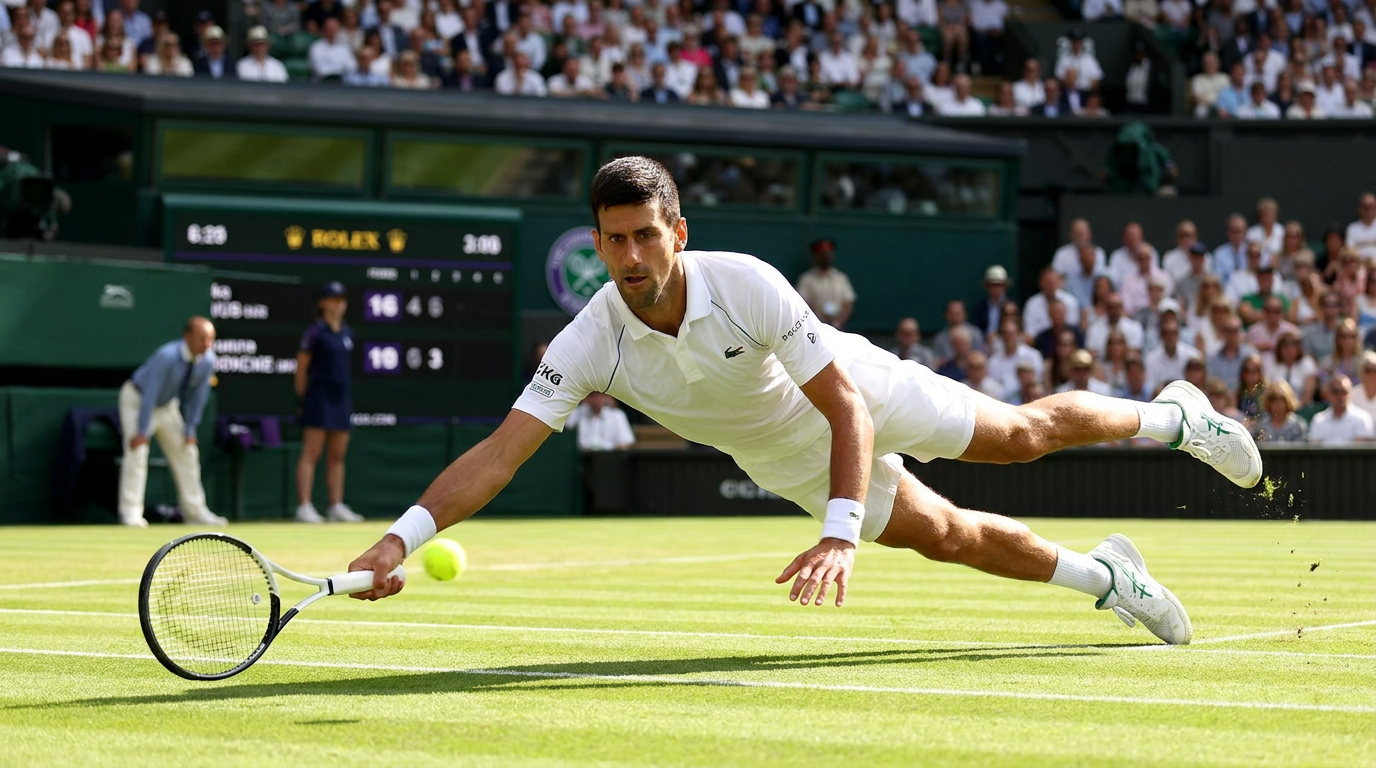
A remarkably similar physical setback struck the men's draw just hours later, where Canada's Denis Shapovalov was forced to abruptly retire from his opening-round clash against Spain's Pablo Carreno Busta. The match had been a tightly contested affair, defined by heavy serving and aggressive baseline exchanges. Late in the second-set tiebreak, Shapovalov sprinted to track down a wide passing shot and collided heavily with a courtside barrier. The impact severely jarred his left shoulder, immediately prompting the Canadian to drop his racket and clutch his arm. The collision halted play as medical personnel rushed to the court to evaluate the extent of the structural damage to his serving shoulder.[1]
The match had been a tightly contested affair, defined by heavy serving and aggressive baseline exchanges.
After receiving targeted treatment and anti-inflammatory medication during a prolonged medical timeout, the Canadian attempted to test the joint by playing one additional point. It immediately became clear that the shoulder could no longer generate the necessary torque for his signature groundstrokes or withstand the impact of serving. Shapovalov officially retired from the match while trailing 6-3, 7-6 (7), bringing a premature and frustrating end to his Wimbledon campaign. The abrupt conclusion handed Carreno Busta his first-ever victory at the All England Club, marking an unexpected but welcome milestone for the Spanish veteran, who has historically struggled to adapt his clay-court expertise to the slick British lawns.[1]
Beyond the immediate opening-day casualties, the tournament's broader injury report highlights the lingering, cumulative effects of the grueling spring tennis calendar. Several prominent players were forced to withdraw from the main draw before the first ball was even struck. Czech standout Tomas Machac officially pulled out of the grass-court swing to rehabilitate a persistent left foot tear sustained weeks earlier at Roland Garros. Recognizing the high risk of aggravating the soft-tissue injury on the unforgiving grass, Machac and his medical team opted for a conservative recovery approach, shifting his focus entirely to the upcoming North American hard-court season where the bounce is more predictable.[3][5]

The pre-tournament withdrawal list also expanded to include Spain's Cristina Bucsa, who was forced out with a right wrist injury that abruptly disrupted what had been a highly successful season. Similarly, rising French talent Arthur Cazaux recently underwent surgery on his right elbow to address chronic pain, ruling him out of the summer schedule entirely. American prospect Eliot Spizzirri, who made waves earlier in the year at the Australian Open, also stepped away from the Wimbledon main draw to address an ongoing elbow issue. These precautionary withdrawals underscore the difficult calculus players face when balancing the prestige of a Grand Slam against the long-term viability of their physical health.[3]
For those who remain active in the draw, managing chronic physical discomfort has become a central strategic priority alongside their tactical game plans. Italy's Jasmine Paolini, a formidable presence on the tour, continues to navigate a persistent foot problem that visibly hampered her preparation during the lead-up events in Eastbourne. Despite the lingering pain, she has opted to compete at Wimbledon, relying heavily on the tournament's extensive physiotherapy resources to survive the opening week. Players in similar situations are utilizing specialized taping, targeted anti-inflammatory regimens, and modified practice schedules to mitigate the risk of catastrophic injury while attempting to advance through the grueling best-of-three and best-of-five formats.[4]

As the fortnight at the All England Club progresses, the physical attrition of the tour serves as a stark reminder of the immense resilience required to capture a Grand Slam title. The opening day demonstrated that survival is as crucial as shot-making on the grass courts. For emerging talents like Sawangkaew and seasoned veterans like Carreno Busta, the early rounds proved that staying healthy and remaining mentally prepared to seize unexpected opportunities are essential components of the Wimbledon experience. While the injuries to Chwalinska and Shapovalov cast a shadow over the first day of play, the resulting underdog triumphs highlighted the relentless, unpredictable nature of professional tennis.[5][6]
How we got here
June 15, 2026
Tomas Machac and Arthur Cazaux confirm their withdrawals to recover from respective foot and elbow injuries.
June 28, 2026
Cristina Bucsa and Eliot Spizzirri officially withdraw from the main draw due to lingering physical issues.
June 29, 2026
Maja Chwalinska suffers a severe ankle injury on match point, resulting in a first-round exit.
June 29, 2026
Denis Shapovalov retires from his opening match after a collision with a courtside barrier.
Viewpoints in depth
Player Health Analysts
Emphasize the grueling nature of the clay-to-grass transition and the necessity of precautionary withdrawals.
Sports medicine professionals and conditioning coaches point to the abrupt shift from the high-bouncing, sliding mechanics of clay to the low, skidding nature of grass as a primary driver of lower-body injuries. They argue that the modern tennis calendar leaves insufficient time for physiological adaptation, forcing players to either compete compromised or strategically withdraw to protect their long-term careers.
Underdog Advocates
Highlight how the physical attrition of top seeds creates historic breakthrough opportunities for lower-ranked players.
For players outside the top 100, the physical vulnerability of seeded competitors represents a rare window of opportunity. Analysts focusing on the lower tiers of the tour note that while injuries are unfortunate, they democratize the early rounds of Grand Slams. Breakthroughs like Mananchaya Sawangkaew's maiden victory not only provide life-changing prize money but also inject fresh narratives into the sport.
Tournament Broadcasters
Focus on the immediate impact of mid-match retirements and late withdrawals on the daily schedule and draw integrity.
From an organizational and broadcasting perspective, opening-day retirements create significant logistical hurdles. Broadcasters must rapidly pivot coverage to alternate courts, while tournament directors face the challenge of maintaining fan engagement when marquee matchups end prematurely. They emphasize the need for robust 'lucky loser' protocols and flexible scheduling to mitigate the impact of sudden exits.
What we don't know
- Whether Maja Chwalinska's ankle injury will require surgery or just extended rest.
- The exact timeline for Denis Shapovalov's return to the tour following his shoulder collision.
- How many additional players currently managing physical discomfort will be forced to retire during the grueling second week of the tournament.
Key terms
- Wild card
- A tournament entry awarded to a player at the discretion of the organizers, often given to players who do not meet the ranking criteria but have demonstrated exceptional recent form.
- Qualifier
- A player who earns their spot in the main draw of a tournament by winning a series of preliminary matches.
- Medical timeout
- A designated pause in play allowed by the umpire for a player to receive evaluation and treatment for an acute injury from a physiotherapist.
Frequently asked
Why did Maja Chwalinska lose her first-round match?
Chwalinska injured her right ankle after slipping near the baseline while holding match point, severely restricting her movement and allowing Mananchaya Sawangkaew to win in three sets.
What caused Denis Shapovalov to retire?
Shapovalov injured his left shoulder after colliding with a courtside barrier during a second-set tiebreak against Pablo Carreno Busta.
Why did Tomas Machac withdraw from Wimbledon?
Machac withdrew to rehabilitate a left foot tear sustained at the French Open, opting to focus his recovery on the upcoming North American hard-court season.
Sources
Source coverage
6 outlets
3 viewpoints surfaced





[1]CP24Tournament Broadcasters
Tennis news: Dennis Shapovalov retires after injury at Wimbledon
Read on CP24 →[2]RediffUnderdog Advocates
Wimbledon 2026: Injured Chwalinska squanders match point in first-round exit
Read on Rediff →[3]Last Word On SportsUnderdog Advocates
5 More Players Withdraw From Wimbledon 2026
Read on Last Word On Sports →[4]Punto de BreakPlayer Health Analysts
ATP Tennis Players Arriving with Discomfort or Physical Troubles at Wimbledon 2026
Read on Punto de Break →[5]The Economic TimesTournament Broadcasters
Wimbledon 2026 Full Withdrawal List
Read on The Economic Times →[6]Tennis TalkPlayer Health Analysts
Wimbledon 2026 Injury Updates and Main Draw Withdrawals
Read on Tennis Talk →
More in sports
See all 30 stories →Injury
Léon Marchand Withdraws From French Championships 200m Breaststroke Final With Adductor Injury
6 sources
Sports Integrity
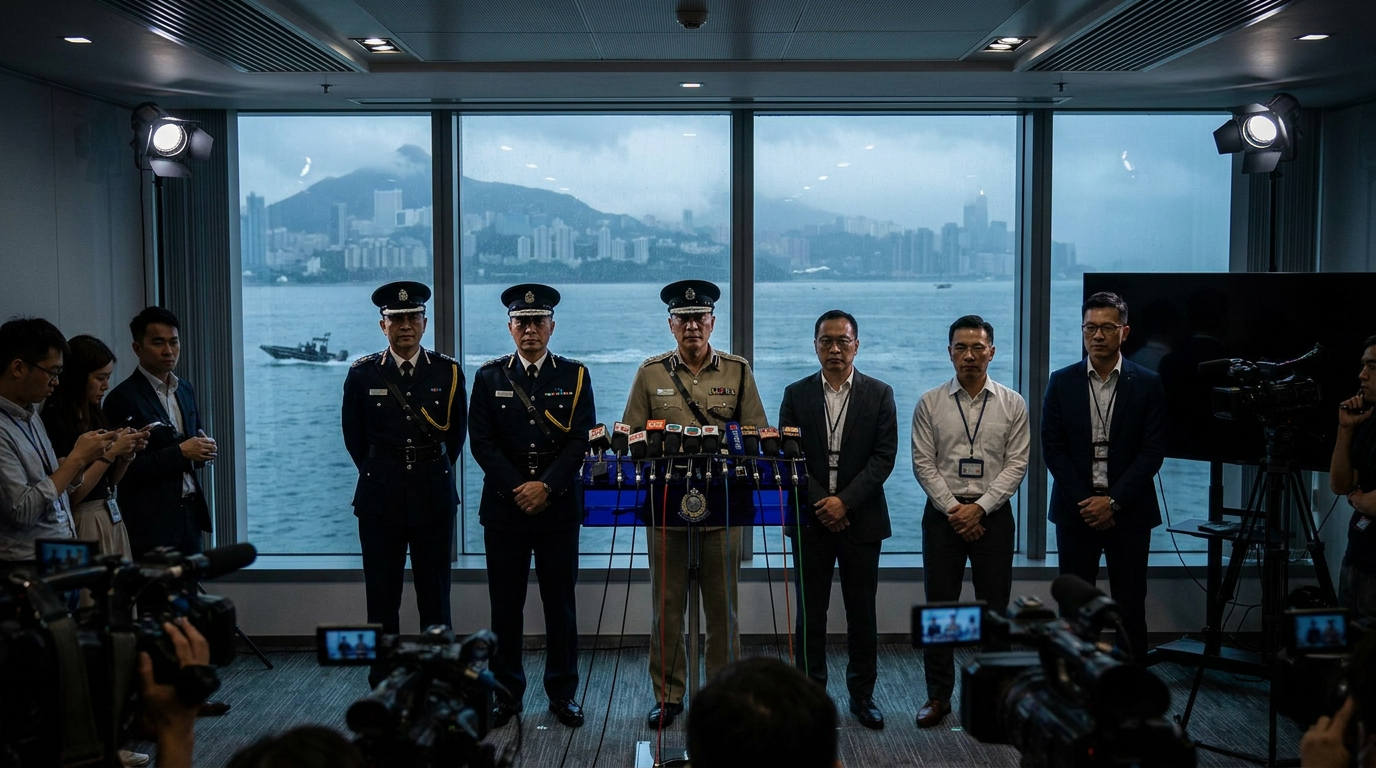
Hong Kong Police Arrest 19 in World Cup-Linked Match-Fixing and Illegal Betting Sting
7 sources
Standings
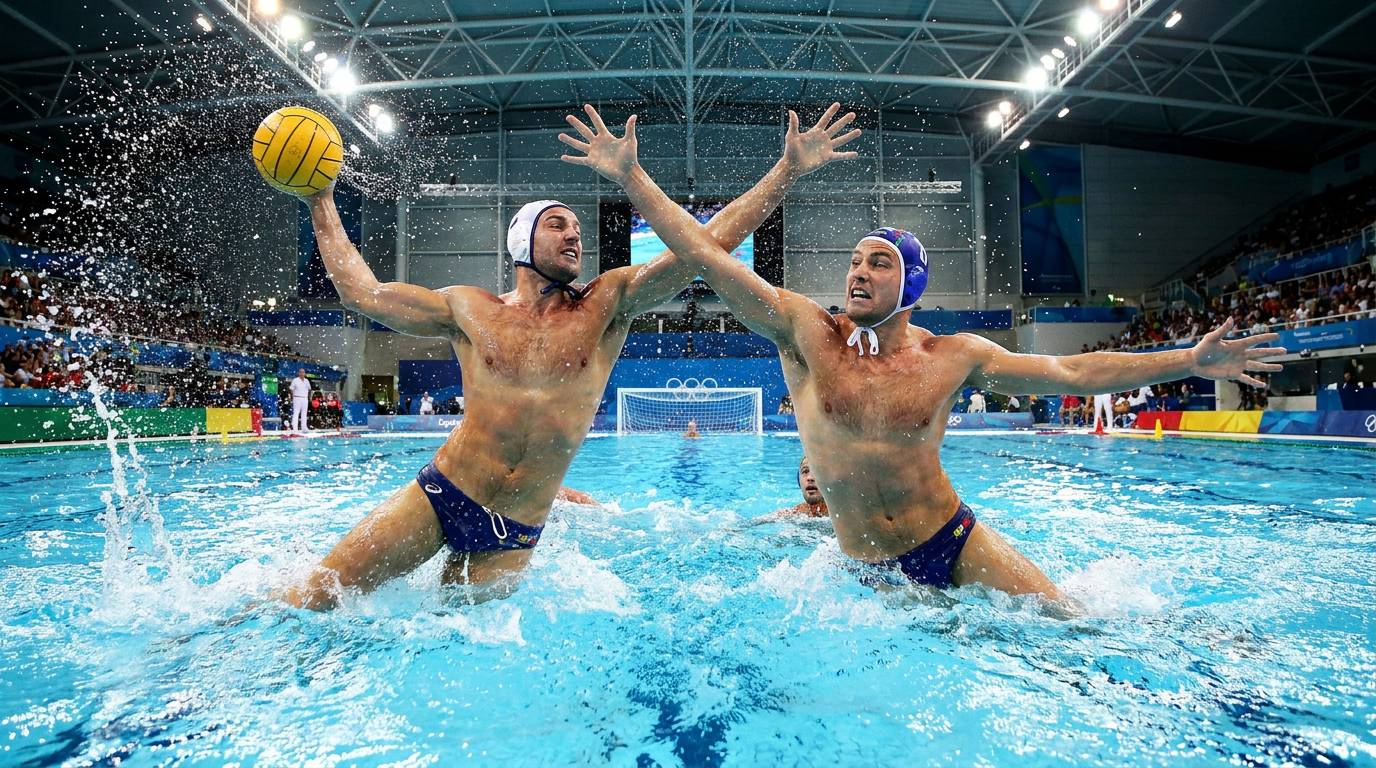
The Road to Sydney: Men's Water Polo World Cup Super Final Field Set as Spain and Italy Lead the Pack
6 sources
Standings
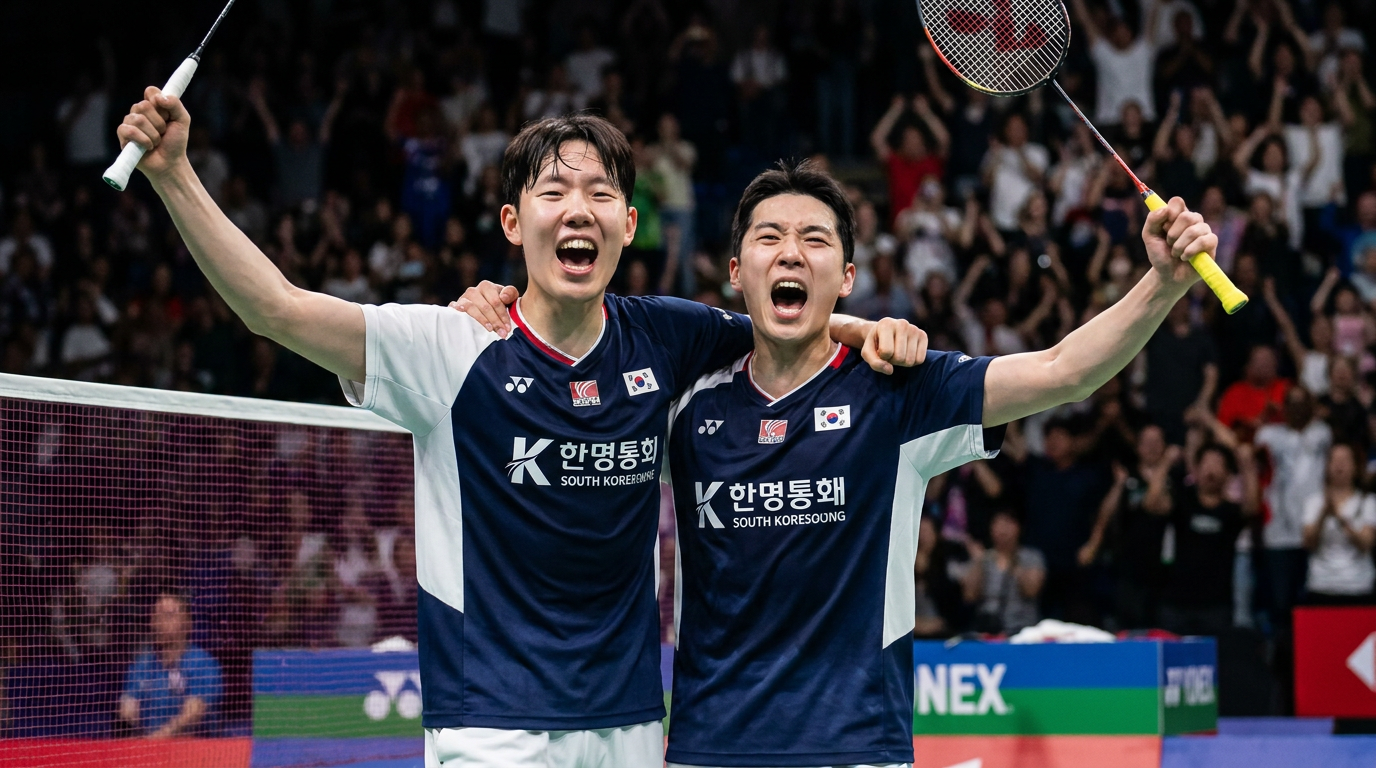
South Korean Duo Seo and Kim Cement World No. 1 Spot in Mid-Season BWF Standings
7 sources
Every angle. Every day.
Get sports stories with full source coverage and perspective breakdowns delivered to your inbox.