
Restaurants Overhaul Menus as GLP-1 Weight-Loss Drugs Reshape Dining Habits
Major restaurant chains and independent operators are introducing smaller portions, high-protein options, and zero-proof beverages as millions of diners on GLP-1 medications shift away from fried foods, sugar, and alcohol.
By Factlen Editorial Team
- Industry Adapters
- Focus on evolving menus and finding new revenue streams to meet the changing consumer landscape without sacrificing the dining experience.
- Market Forecasters
- Analyze the macroeconomic impact on the food sector, predicting long-term shifts in food retail and restaurant profitability.
- Fast Food Traditionalists
- Attempt to balance core indulgent offerings with new, lighter options to retain traditional customers while appealing to GLP-1 users.
What's not represented
- · Agricultural Producers
- · Dietitians and Nutritionists
Why this matters
With an estimated 30 million Americans projected to be on GLP-1 medications by 2030, the restaurant industry is undergoing its most significant menu transformation in decades, fundamentally altering how Americans eat out and how food businesses generate profit.
Key points
- Millions of diners on GLP-1 medications are driving a shift away from fried foods, sugar, and alcohol.
- Restaurants are introducing smaller portions and high-protein options to meet changing consumer demands.
- A 35% surge in zero-proof beverage sales is helping offset the loss of high-margin alcohol revenue.
- Analysts project up to 30 million Americans will use weight-loss drugs by 2030, cementing this as a long-term trend.
The era of the massive appetizer sampler and bottomless fries is facing a formidable challenger: the GLP-1 receptor agonist. As millions of Americans adopt medications like Wegovy, Ozempic, and Zepbound, the restaurant industry is witnessing a structural shift in consumer demand. Diners are no longer seeking sheer volume; instead, they are prioritizing nutrient density, fundamentally altering the economics of eating out.[1][5]
The physiological effects of these drugs—specifically delayed gastric emptying and reduced neurological cravings for sugar and fat—are translating directly to the dining table. Restaurant operators report that diners on these medications are frequently leaving heavy, fried entrees untouched, skipping dessert entirely, and drastically reducing their alcohol consumption. This behavioral shift has forced the industry to adapt quickly to avoid a collapse in check averages.[2][4]
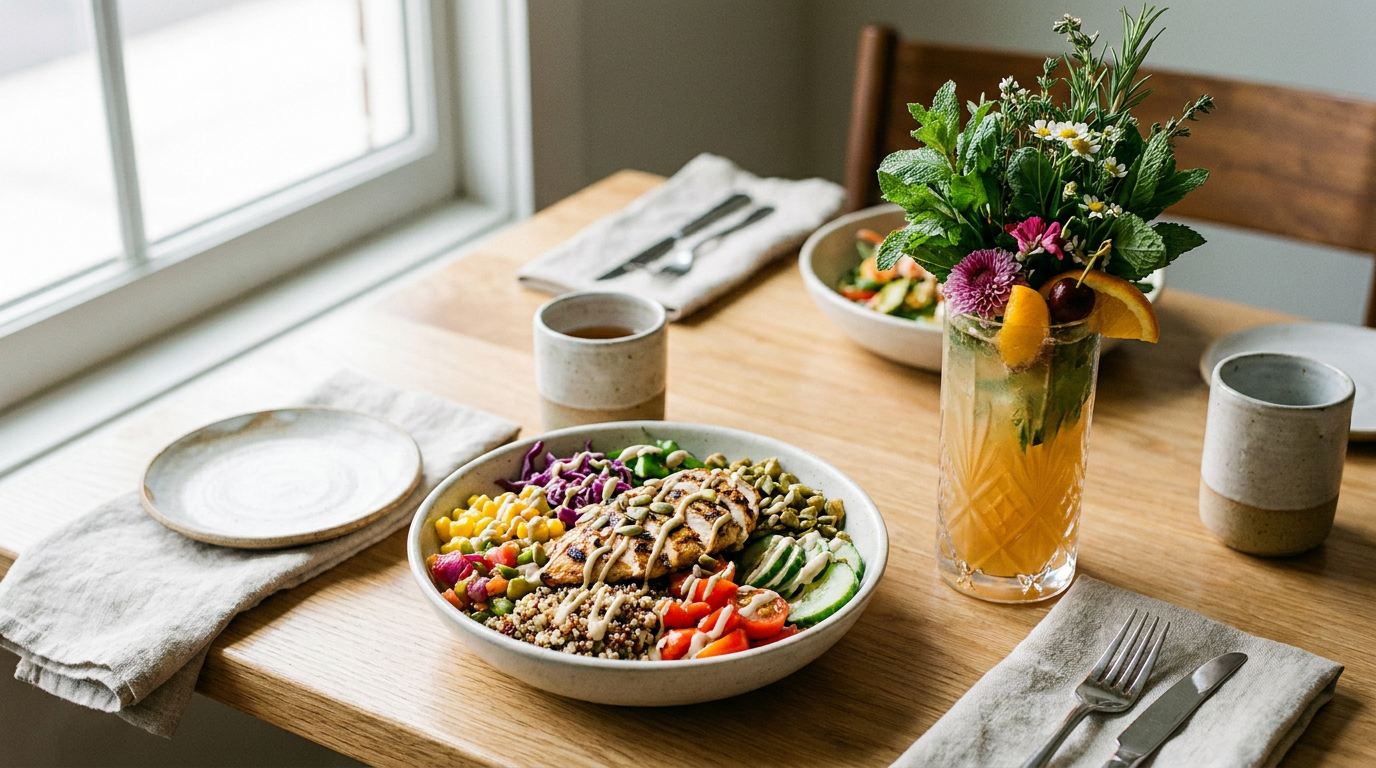
In response, major casual dining chains and independent operators alike are rapidly overhauling their menus. The focus has pivoted toward high-protein, grilled, and vegetable-forward options. Chefs are redesigning plates to feature lean meats, legumes, and complex carbohydrates that provide sustained energy without triggering the severe gastrointestinal discomfort that GLP-1 users can experience when consuming high-fat meals.[3][6]

Portion sizes are also shrinking, not merely as a covert cost-cutting measure, but as a direct response to diner requests. "Half-portions," "tapas-style" sharing plates, and a la carte protein add-ons are becoming standard across mid-tier dining. This modular approach allows guests to customize a meal that fits their newly reduced appetite without the guilt or waste of leaving half a plate of food behind.[1][2]
The beverage program is seeing perhaps the most dramatic disruption. Alcohol has historically been the highest-margin item for restaurants, effectively subsidizing the cost of food. However, GLP-1 users frequently report a sudden, pronounced aversion to liquor, beer, and wine, threatening a critical pillar of restaurant profitability.[5]
The beverage program is seeing perhaps the most dramatic disruption.
To protect their bottom lines, beverage directors are building elaborate zero-proof cocktail menus. These complex, non-alcoholic drinks—crafted with artisanal syrups, fresh herbs, and botanical distillates—command premium prices that rival traditional cocktails. This strategic pivot is helping to offset the revenue lost from declining alcohol sales while providing a sophisticated experience for diners who are drinking less.[3][6]

Fast-food and quick-service restaurants (QSRs) are not immune to this culinary evolution. Chains that previously relied on value meals centered around deep-fried chicken or double cheeseburgers are heavily marketing grilled chicken wraps, protein-heavy salad bowls, and sugar-free hydration beverages. The drive-thru menu board of 2026 looks markedly different than it did just three years ago.[3]
Financial analysts note that this is not a passing fad. Morgan Stanley projects that up to 30 million Americans could be using GLP-1 drugs by 2030. This represents a permanent shift in the caloric needs and flavor preferences of a massive, economically active consumer demographic, forcing long-term strategic changes across the entire food supply chain.[7]

The economic mechanics of the restaurant industry are being successfully rewired. Operators are finding that while overall check averages might dip slightly due to skipped appetizers and desserts, they can maintain strong profitability by focusing on premium proteins, high-margin mocktails, and reduced food waste in the back of the house.[1][5]
Ultimately, this pharmaceutical revolution is forcing a culinary evolution. Chefs are being challenged to deliver intense flavor and satisfying textures without relying on traditional crutches like butter, refined sugar, and deep-fryers. The result is an era of dining that aligns more closely with long-term metabolic health, proving that the industry can adapt to a healthier consumer base.[4][6]
How we got here
2021-2023
GLP-1 drugs surge in popularity for weight loss, prompting initial anecdotal reports of changing eating habits.
Late 2024
Major food and beverage CEOs begin acknowledging the potential impact of weight-loss drugs on consumer demand during earnings calls.
2025
Fast-casual and mid-tier dining chains launch pilot programs featuring smaller portions and expanded zero-proof drink menus.
June 2026
The restaurant industry sees widespread, structural menu overhauls as the GLP-1 demographic reaches critical mass.
Viewpoints in depth
Restaurant Operators
Focused on adapting margins and replacing alcohol revenue with premium mocktails.
For restaurant owners, the GLP-1 trend presents a complex math problem. Alcohol has traditionally been the financial engine of full-service dining. With diners drinking less, operators are aggressively pushing zero-proof cocktails that cost pennies to make but can be sold for $12 to $15. Additionally, they are utilizing smaller portion sizes to reduce back-of-house food waste, finding that diners are willing to pay near-standard prices for higher-quality, nutrient-dense ingredients even if the physical volume of food is lower.
Financial Analysts
Focused on the macroeconomic impact on the food sector and predicting long-term winners and losers.
Wall Street is closely monitoring the "GLP-1 Economy." Analysts predict a divergence in the restaurant sector: fast-casual chains that specialize in customizable, protein-heavy bowls are expected to thrive, while traditional concepts heavily reliant on fried appetizers and high-calorie combo meals may struggle. Institutions like Morgan Stanley view this not as a temporary diet fad, but as a permanent structural shift in American caloric consumption that will ripple through the entire agricultural and retail supply chain.
Culinary Professionals
Focused on the creative challenge of building flavor without relying on heavy fats and sugars.
Chefs are viewing this shift as an opportunity to elevate their craft. Without the ability to rely on butter, heavy cream, and deep-fryers to deliver satisfaction, culinary teams are turning to fermentation, acid, complex spice blends, and high-heat searing to build flavor profiles. This constraint is driving innovation in vegetable preparation and lean protein cooking, pushing mainstream dining closer to the principles of modern, health-conscious gastronomy.
What we don't know
- Whether the long-term adherence rates to GLP-1 medications will sustain these dietary shifts over the next decade.
- How traditional fast-food chains heavily reliant on fried items will maintain profitability if the trend accelerates.
Key terms
- GLP-1 Receptor Agonists
- A class of medications that mimic a hormone to regulate blood sugar, slow digestion, and reduce appetite, widely used for diabetes and weight loss.
- Zero-Proof Beverages
- Complex, non-alcoholic drinks crafted with the same care and premium ingredients as traditional cocktails, designed to replace alcohol revenue.
- Gastric Emptying
- The process by which food leaves the stomach and enters the small intestine; GLP-1 drugs slow this process, leading to prolonged fullness.
Frequently asked
Why are restaurants changing their menus now?
The rapid adoption of GLP-1 weight-loss drugs has created a critical mass of consumers who physically cannot consume large, heavy, or alcohol-heavy meals, forcing restaurants to adapt to protect their revenue.
Are portion sizes getting smaller for everyone?
Many restaurants are introducing "half-portions" or shareable plates as options, rather than shrinking standard entrees, allowing diners to choose the size that fits their appetite.
How are restaurants replacing lost alcohol sales?
Operators are heavily investing in premium zero-proof cocktails and specialty hydration beverages, which command similar prices to alcoholic drinks and maintain high profit margins.
Sources
Source coverage
7 outlets
3 viewpoints surfaced







[1]BloombergMarket Forecasters
GLP-1 Era Forces Casual Dining to Rethink the Menu
Read on Bloomberg →[2]Restaurant BusinessIndustry Adapters
How Ozempic is Shrinking Portion Sizes and Boosting Protein Sales
Read on Restaurant Business →[3]CNBCFast Food Traditionalists
Fast Food Chains Pivot to Grilled Chicken and Zero-Proof Drinks Amid Weight-Loss Drug Boom
Read on CNBC →[4]EaterIndustry Adapters
The End of the Appetizer Tower: Dining Out in the Age of GLP-1s
Read on Eater →[5]The Wall Street JournalMarket Forecasters
Restaurants Face a New Reality as Diners Cut Calories and Alcohol
Read on The Wall Street Journal →[6]Food & WineIndustry Adapters
Chefs Embrace Lighter Fare as Diners Seek Nutrient-Dense Options
Read on Food & Wine →[7]Morgan Stanley ResearchMarket Forecasters
The GLP-1 Consumer: Implications for Food Retail and Restaurants
Read on Morgan Stanley Research →
Every angle. Every day.
Get food drink stories with full source coverage and perspective breakdowns delivered to your inbox.