
Tesla Powerwall 3 vs. Enphase IQ 5P vs. FranklinWH: The 2026 Home Battery Guide
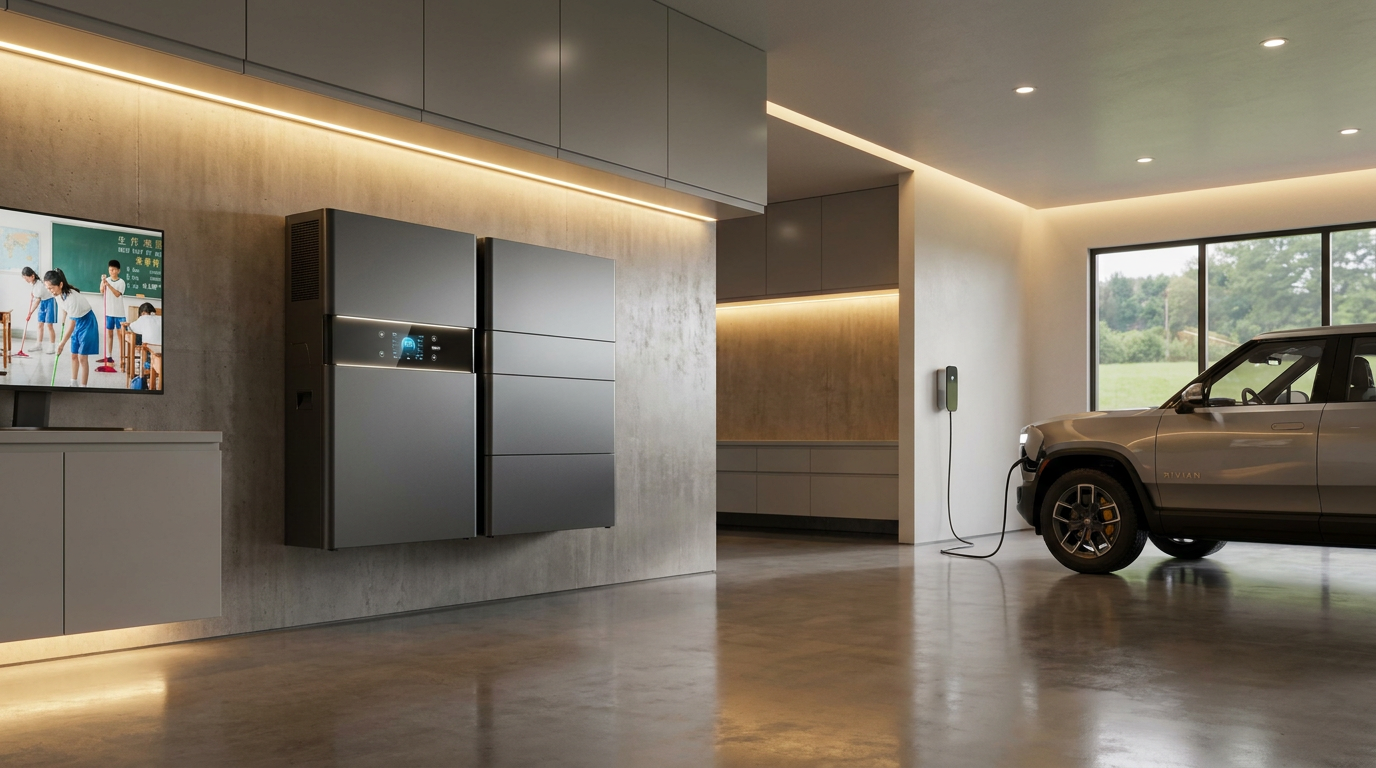
As net-metering rates drop and grid outages rise, choosing the right home solar battery architecture is critical for energy independence.
By Factlen Editorial Team
Integrated Power Advocates 35%Modular Reliability Proponents 35%Whole-Home Resilience Seekers 30%
- Integrated Power Advocates
- Argue that combining the inverter and battery reduces hardware clutter and maximizes surge power for heavy appliances.
- Modular Reliability Proponents
- Argue that distributed microinverter architectures prevent single points of failure and allow for precise, incremental capacity scaling.
- Whole-Home Resilience Seekers
- Argue that true energy security requires massive single-unit capacity and seamless integration with standby gas generators for multi-day outages.
Why this matters
As utility companies reduce the amount they pay for exported solar power, storing your own energy is now the only way to maximize the financial return of solar panels. Choosing the wrong battery architecture can lead to thousands of dollars in redundant installation costs or a system that fails to power essential appliances during a blackout.

More in guides
See all 49 stories →Metabolic Health
The Science of Zone 2 Cardio: Why Slowing Down Builds Better Health
8 sources

Vehicle Tech
BEV vs. PHEV in 2026: Which Electrified Vehicle Fits Your Life?
7 sources

Metabolic Health
The Science of Zone 2 Cardio: How Slowing Down Builds Metabolic Flexibility and Longevity
9 sources

Local AI
How to Run AI Models Locally: The 2026 Guide to Digital Independence
7 sources
Stay informed
Every angle. Every day.
Get guides stories with full source coverage and perspective breakdowns delivered to your inbox.