
Landmark Study: Positive Travel Experiences May Help Slow the Aging Process by Boosting Immunity and Resilience
New research from Edith Cowan University applies the physics concept of entropy to human health, finding that the physical and mental stimulation of travel can actively delay signs of aging.

You can leave the anti-aging serums on the shelf. According to a landmark interdisciplinary study published in the Journal of Travel Research, the simple act of packing a bag and navigating a new destination might be one of the most effective ways to slow the human aging process.[1][7]
Researchers at Australia's Edith Cowan University have discovered that positive travel experiences do far more than just refresh the mind. They trigger a cascade of physiological benefits—boosting immunity, improving metabolic balance, and fostering the body's natural self-healing processes.[3]
The study introduces a fascinating framework by applying the physics concept of 'entropy' to human health. Entropy is the universe's natural tendency to move from order to disorder. In the human body, this gradual decline into disorder is what we recognize as aging.[3][4]
While aging is an irreversible process, the researchers found that it does not have to happen at a fixed speed. The experiences we subject our bodies to can either accelerate this drift toward disorder or actively resist it.[6]
"Tourism isn't just about leisure and recreation," explains Fangli Hu, the study's principal researcher. By placing ourselves in novel environments, we force our biological systems to adapt, stay active, and maintain a 'low-entropy' state of order and vitality.[1][2]
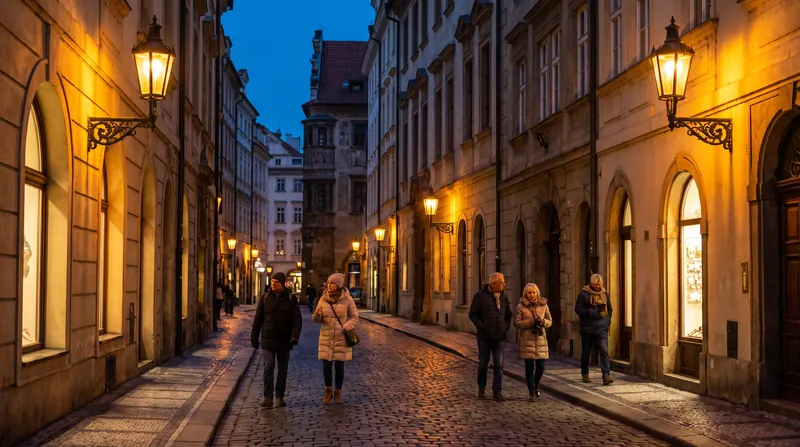
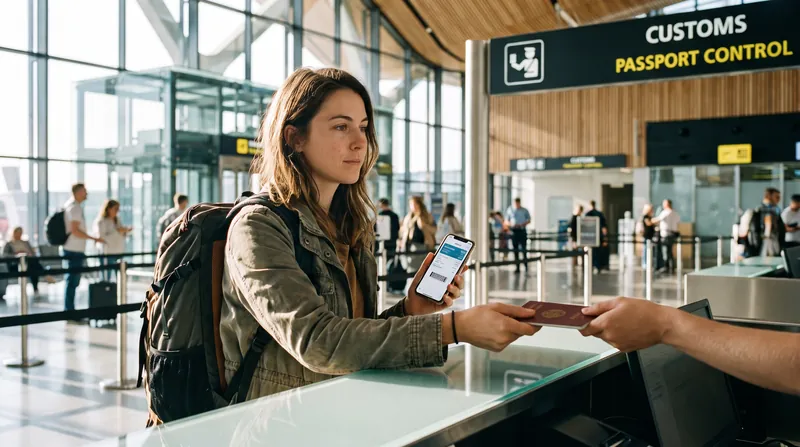
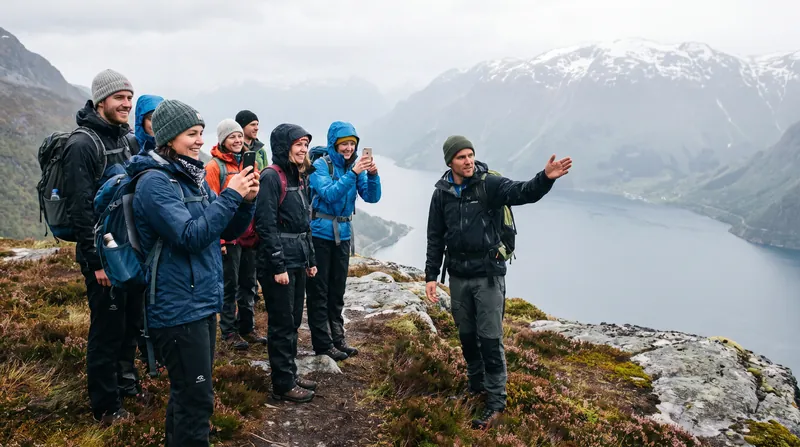
The mechanism begins with movement. Travel rarely involves sitting still. Whether you are navigating a sprawling airport terminal, walking the sun-drenched cobblestone streets of a historic city, or hiking a scenic mountain trail, you are engaging in sustained physical activity.[2][4]
This incidental exercise is profoundly beneficial. It boosts blood circulation, expedites the transport of essential nutrients, and aids in the elimination of cellular waste. These physical exertions keep the cardiovascular system robust and maintain the effectiveness of the body's anti-wear-and-tear systems.[2]
Beyond the physical, travel is a powerful cognitive stimulant. Stepping out of a daily routine and into an unfamiliar culture forces the brain to build new neural pathways. Attempting a new language, deciphering a transit map, and processing novel sights all enhance cognitive function and protect against mental decline.[1][5]
Then there is the profound impact on the immune system. Chronic stress from daily work and routine keeps cortisol levels elevated, which suppresses immune function and accelerates cellular aging.[2][4]
Relaxing travel experiences alleviate this chronic tension. When the body is removed from its usual stressors, it dampens the overactivation of the immune system. Hormones conducive to tissue repair and regeneration are released, allowing the body's self-defense mechanisms to accurately identify threats and heal existing damage.[6]
Social connection and diet also play crucial roles. Travel inherently fosters social interaction—whether it is conversing with locals over a shared meal, meeting fellow travelers, or simply bonding with your own companions. These interactions are proven to support emotional health and reduce systemic inflammation.[1]
Furthermore, exploring new destinations often leads to healthier eating habits. Immersing oneself in regions that favor fresh, local ingredients—such as the celebrated Mediterranean diet—provides the body with the antioxidants and nutrients necessary to fight cellular degradation.[1]
However, the researchers emphasize a critical caveat: not all travel is anti-aging. The biological benefits depend entirely on the experience being positive, restorative, and safe.[3][6]
Stressful travel can actually have the opposite effect. Lost luggage, exposure to unsafe food or water, severe travel delays, or navigating dangerous environments can trigger acute stress responses. This 'negative entropy' accelerates wear-and-tear, pushing the body further toward disorder.[3][4]
This distinction is vital for how we plan our trips. The goal is not simply to move frantically across the globe, but to curate experiences that balance vibrant novelty with deep comfort, and active exploration with profound relaxation.[5]
Ultimately, this research suggests a paradigm shift in how we view our time off. Vacations are not merely an escape from reality; they are a necessary investment in our biological longevity, offering a joyful, experiential prescription for a longer, healthier life.[1]
Where opinion splits
Tourism & Health Researchers
Scientists focusing on the physiological mechanisms of how novelty and movement impact biological aging.
For researchers applying the entropy framework to human biology, travel is fundamentally a metabolic intervention. They argue that the human body naturally drifts toward disorder and cellular decay when trapped in stagnant routines. By forcing the body to adapt to new environments, process novel stimuli, and engage in sustained physical activity, travel acts as a catalyst for the body's self-organizing systems. This perspective emphasizes that the benefits are not merely psychological; they are measurable physiological responses, including improved blood circulation, enhanced nutrient transport, and more efficient waste elimination at the cellular level.
Public Health Advocates
Experts who view travel as a vital, non-pharmacological tool for extending healthy lifespans.
Public health professionals are increasingly looking beyond traditional medicine to address the challenges of an aging global population. From this viewpoint, travel represents a highly effective, non-pharmacological intervention that can alleviate chronic illnesses and extend longevity. They point to the compounding benefits of travel—such as incidental exercise, exposure to nutrient-dense local diets, and crucial social engagement—as primary drivers of public health. Rather than treating the symptoms of aging with medication, this camp advocates for lifestyle interventions that build inherent resilience and prevent deterioration before it begins.
Travel Industry Analysts
Professionals tracking the shift toward wellness-focused tourism and restorative itineraries.
For the travel industry, this research validates a massive shift in consumer behavior toward wellness tourism. Analysts note that modern travelers are increasingly rejecting exhausting, jam-packed itineraries in favor of restorative experiences designed to lower cortisol and promote healing. This camp focuses on the study's caveat regarding 'negative entropy'—the idea that stressful travel accelerates aging. Consequently, they argue that the future of the industry lies in curating seamless, low-stress journeys that prioritize safety, comfort, and deep relaxation, ensuring that the physical toll of transit does not outweigh the biological benefits of the destination.
Key points
- A new interdisciplinary study applies the physics concept of entropy to human health, revealing how travel impacts biological aging.
- Positive travel experiences help the body maintain a 'low-entropy' state, actively slowing the physical and cognitive signs of aging.
- The physical demands of travel, such as walking and navigating new spaces, boost metabolism and aid in cellular waste elimination.
- Exposure to novel environments stimulates the brain, while relaxation reduces cortisol levels and enhances immune function.
Unanswered questions
- The exact 'dose' of travel—such as the ideal duration or frequency of trips—required to maximize these anti-aging benefits over a lifetime.
- How the biological benefits of travel differ across various socioeconomic groups who may experience different baseline levels of daily stress.
- Whether virtual reality or highly immersive local experiences can replicate the physiological benefits of long-distance travel.
- Tourism & Health Researchers
- Argue that travel is a biological intervention that helps the body maintain a low-entropy state through movement and novelty.
- Public Health Advocates
- View travel as a non-pharmacological approach to extend lifespan and improve quality of life for aging populations.
- Travel Industry Analysts
- Focus on the shift toward wellness tourism and the importance of curating low-stress, restorative itineraries.
Perspectives this story doesn't cover
- Socioeconomic Critics
- Environmental Advocates
Sources
Source coverage
7 outlets
3 viewpoints surfaced






- [1]The Washington PostPublic Health Advocates
On your next trip, you can leave behind the anti-aging serums and books of brain teasers
Read on The Washington Post → - [2]ForbesTravel Industry Analysts
A new study in Australia finds that travel may have positive health benefits and could slow down signs of aging
Read on Forbes → - [3]ScienceDailyTourism & Health Researchers
A new study suggests travel could be a surprisingly powerful anti-aging tool
Read on ScienceDaily → - [4]YnetnewsPublic Health Advocates
New research suggests travel can boost immunity, reduce stress and keep brain active
Read on Ynetnews → - [5]LabRootsTourism & Health Researchers
Recent research suggests that travel and tourism could be powerful tools for slowing aging and improving health
Read on LabRoots → - [6]Open JawTravel Industry Analysts
Move over antioxidants and sudoku, tell your clients that new research says travel could be the secret to staying young
Read on Open Jaw → - [7]Journal of Travel ResearchTourism & Health Researchers
Tourism and Aging: An Entropy Perspective
Read on Journal of Travel Research →
More in Lifestyle
See all →Noctourism
The Rise of 'Noctourism': How Climate Change and Overtourism Are Shifting Sightseeing to the Night Hours
5 sources
Border Privacy
CBP Expands Authority to Search Travelers' Phones and Laptops at US Border
7 sources
Coolcations
Extreme Heat Triggers 'Coolcation' Trend as 81% of Europeans Adjust Travel Habits
8 sources
European Travel
Europe's Digital Border Overhaul: ETIAS and Biometrics End the Era of Stamp-Free Travel for Americans
5 sources
Comments
Every angle. Every day.
Get Lifestyle stories with full source coverage and perspective breakdowns, free every day.