
How TikTok's US-Owned Algorithm Shift is Rewriting the Rules for Creators
Following TikTok's transition to US ownership, a major algorithm overhaul has ended the era of random virality, sparking creator frustration. However, those adapting to the platform's new search-first, community-driven model are discovering more predictable, long-term revenue streams.
By Chen Wang
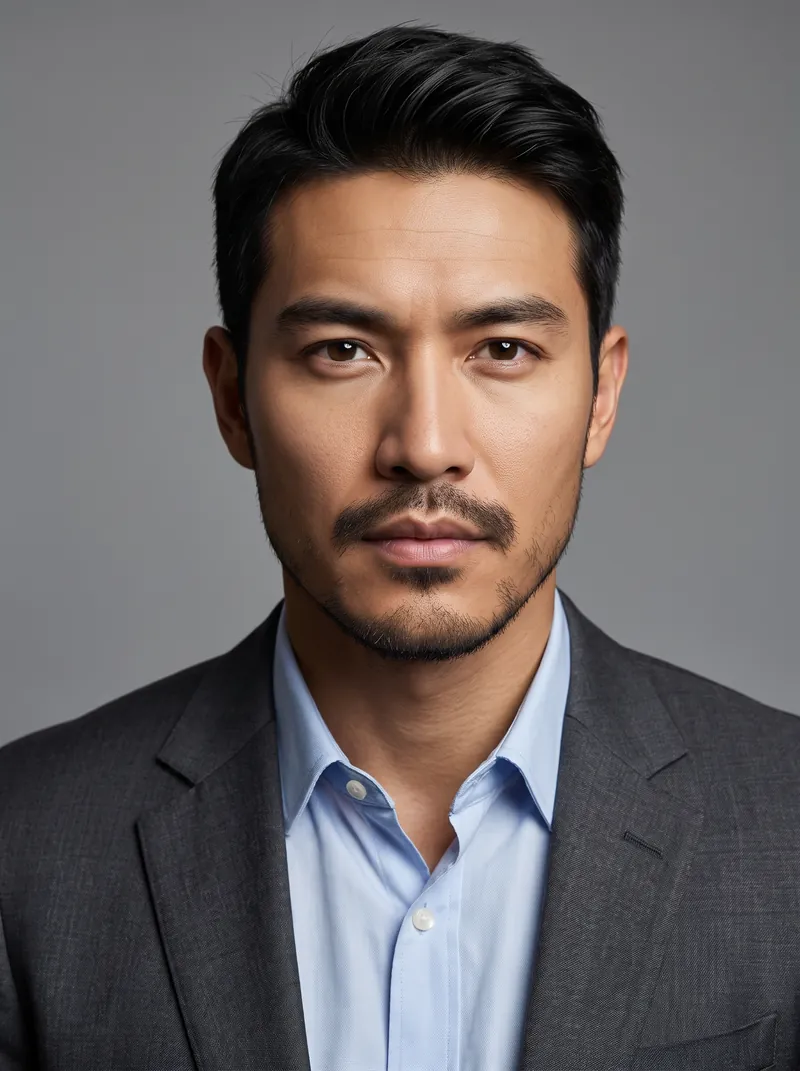
The era of the accidental TikTok star is officially dead. For years, the prevailing wisdom was that anyone could post a chaotic, low-effort video from their bedroom and wake up to three million views. But following the platform's historic transition to US ownership, that black-box lottery system has been quietly dismantled. What creators are currently calling a "pay-to-play revolt" is actually something much more fundamental: the algorithm has been rewired to function like a search engine, and the old tricks simply no longer work.[1]
The shift began in late 2025, when a US consortium including Oracle and Silver Lake took majority control of TikTok's American operations to satisfy federal security mandates. As part of the deal, Oracle was tasked with retraining and updating the platform's recommendation engine using exclusively US data, severing its ties to ByteDance's original global infrastructure.[4][5]
The result, which rolled out incrementally through the first half of 2026, is a fundamentally different beast. The new algorithm heavily prioritizes search optimization, high completion rates, and established community engagement over random viral spikes. It is a system designed for durable attention, not vanity metrics.[1][7]
For creators who relied on the old model, the revenue volatility has been brutal. Many have seen their organic reach plummet, leading to accusations that the platform is suppressing content to force creators into paid boosts or TikTok Shop integrations. The sentiment is that the app has become a "pay-to-play" environment where only established brands and those willing to spend money can guarantee visibility.[2]
This frustration has even sparked a minor exodus. UpScrolled, a rival app promising chronological feeds and no manipulative algorithms, recently surged to over 2.5 million users as creators sought refuge from the unpredictability. The backlash highlights a deep anxiety among influencers whose livelihoods are tied to an algorithm they no longer understand.[3]
But the reality is that TikTok isn't necessarily suppressing content; it's just raising the bar. The new system demands a 70% completion rate to push a video to wider audiences, up from 50% in previous years. It also heavily penalizes low-effort reposts, watermark-heavy content, and videos that seem mass-produced.[1]
To understand the mechanism, you have to look at how the app now tests content. When a video is posted, TikTok first shows it to a small test audience of 200 to 500 users. It measures watch time percentage, completion rate, replays, and shares. If those engagement signals are strong, the video advances to larger audience pools. If not, it dies in the feed.[1]
The most significant change, however, is the platform's evolution into a primary search engine. Creators who are thriving in this new environment have stopped chasing the For You Page and started optimizing for TikTok Search. By answering specific queries within their niche, they are building durable, long-term traffic assets.[1]
Industry analysis confirms this shift. Search-optimized videos now receive a permanent "search boost" that feed-only videos never get. This means a video answering a specific question—like "how to fix a leaky faucet" or "best budget skincare routine"—will continue to draw consistent, high-intent traffic for months, long after its initial algorithmic push has faded.[1]
This shift from "chasing the algorithm" to "owning a niche" represents a maturation of the platform. It's less about catching lightning in a bottle and more about building a sustainable, searchable library of content. For professional creators, this is actually a massive upgrade. It replaces the boom-and-bust cycle of viral hits with a more predictable, compounding revenue stream.[1]
Of course, this transition requires a completely different skill set. Creators are now using AI tools to reverse-engineer successful formats, analyzing pacing, camera movement, and dialogue timing to ensure their videos pass the crucial three-second hook test. It's a more analytical, deliberate approach to content creation.[1]
The uncertainty lies in how far this search-first model will go. By late 2026, experts expect AI-generated video summaries for search results and deeper integration with TikTok Shop for algorithmic product recommendations. The platform is also testing AI systems that pair brands with creators based on audience overlap, potentially bypassing traditional influencer marketplaces entirely.[1]
The privacy policy changes accompanying the Oracle transition also play a role. With the new USDS Joint Venture, the platform updated its data collection practices, allowing for more precise location tracking if enabled by the user. This localized data feeds into the new algorithm, further emphasizing geographic and community relevance over broad, untargeted reach.[6]
For brands, the calculus has also changed. While organic reach is harder to achieve, the hybrid approach of combining highly targeted organic content with strategic paid boosts is becoming the new standard. It's a model that mirrors the evolution of Instagram and Facebook, where the initial wild west of free reach eventually gave way to a more structured, monetized ecosystem.[2]
While the growing pains are real, the narrative of a "pay-to-play revolt" misses the broader picture. The algorithm hasn't turned against creators; it has simply grown up. Those willing to adapt to the new rules—prioritizing search, quality, and community over cheap virality—are finding that the new US-owned TikTok might actually be a more stable place to build a business.[1][7]
Key points
- TikTok's transition to US ownership triggered a complete retraining of its recommendation algorithm.
- The platform has shifted away from random virality, now functioning more like a primary search engine.
- Videos now require a 70% completion rate to be pushed to wider audiences, up from 50%.
- Creators optimizing for search are finding durable, long-term traffic rather than fleeting viral spikes.
Unanswered questions
- Whether the platform will eventually introduce a paid subscription tier to bypass algorithmic suppression entirely.
- How the integration of AI-generated video summaries will impact creator watch times.
- If alternative platforms like UpScrolled can sustain their rapid growth once the initial creator frustration subsides.
How we got here
April 2024
The US government passes legislation mandating the divestiture of TikTok's American operations.
September 2025
A US consortium including Oracle and Silver Lake reaches a deal to take majority control of TikTok US.
January 2026
The TikTok USDS Joint Venture is officially established, and Oracle begins retraining the algorithm on US data.
June 2026
Creators begin reporting massive drops in organic reach as the new search-first algorithm takes full effect.
August 2026
Alternative platforms like UpScrolled surge in popularity as frustrated creators seek refuge from the algorithm changes.
- Algorithm Adapters
- Creators and strategists who view the new search-first algorithm as a maturation of the platform that rewards consistency and quality.
- Organic Purists
- Influencers frustrated by the loss of unpredictable virality, arguing the platform now suppresses organic reach to force paid promotion.
- Platform Architects
- The US consortium managing the algorithm, focused on data security, localized relevance, and building a sustainable advertising ecosystem.
Perspectives this story doesn't cover
- Casual users who prefer the unpredictable, chaotic nature of the old For You Page.
- Small local businesses unable to afford paid boosts or high-end production.
Sources
Source coverage
7 outlets
3 viewpoints surfaced







- [1]Developers MatrixAlgorithm Adapters
TrendTok Algorithm Study: TikTok vs Instagram Reels vs YouTube Shorts
Read on Developers Matrix → - [2]DigidayOrganic Purists
Creators fear a U.S. regulated version of the algorithm could mean content suppression
Read on Digiday → - [3]MLQOrganic Purists
TikTok faces Gen Z backlash as UpScrolled gains traction post-ownership shift
Read on MLQ → - [4]NewsweekPlatform Architects
US TikTok Deal Could Change Your Algorithm
Read on Newsweek → - [5]PBSPlatform Architects
Tech giant Oracle will spearhead U.S. oversight of the algorithm
Read on PBS → - [6]Harvard Kennedy SchoolPlatform Architects
The New TikTok USDS Joint Venture and Privacy Policy
Read on Harvard Kennedy School → - [7]HootsuiteAlgorithm Adapters
The TikTok algorithm in 2026 prioritizes community-aligned content
Read on Hootsuite →
More in Entertainment
See all →Copyright Law
The Transformative Use Doctrine and the Four Factor Test: How Fanworks Avoid Copyright Infringement Claims
7 sources
Video Game Ratings
The Six Categories and the Content Descriptors: How the ESRB Video Game Rating System Works
7 sources
Streaming Economics
The 70% Royalty Pool and the Pro-Rata Formula: How Music Streaming Services Actually Calculate Artist Payouts
6 sources

Metadata Architecture
The Canonical Tag and the Synonyms: How Archive of Our Own's Tag Wrangling System Organizes Millions of Fanworks
7 sources

Comments
Every angle. Every day.
Get Entertainment stories with full source coverage and perspective breakdowns, free every day.