
Federal Court Again Rules Texas Drag Ban Unconstitutional on First Amendment Grounds
A federal judge has blocked Texas's Senate Bill 12 for a second time, ruling that the law restricting "sexually oriented performances" violates the First Amendment.
By Javier Cruz
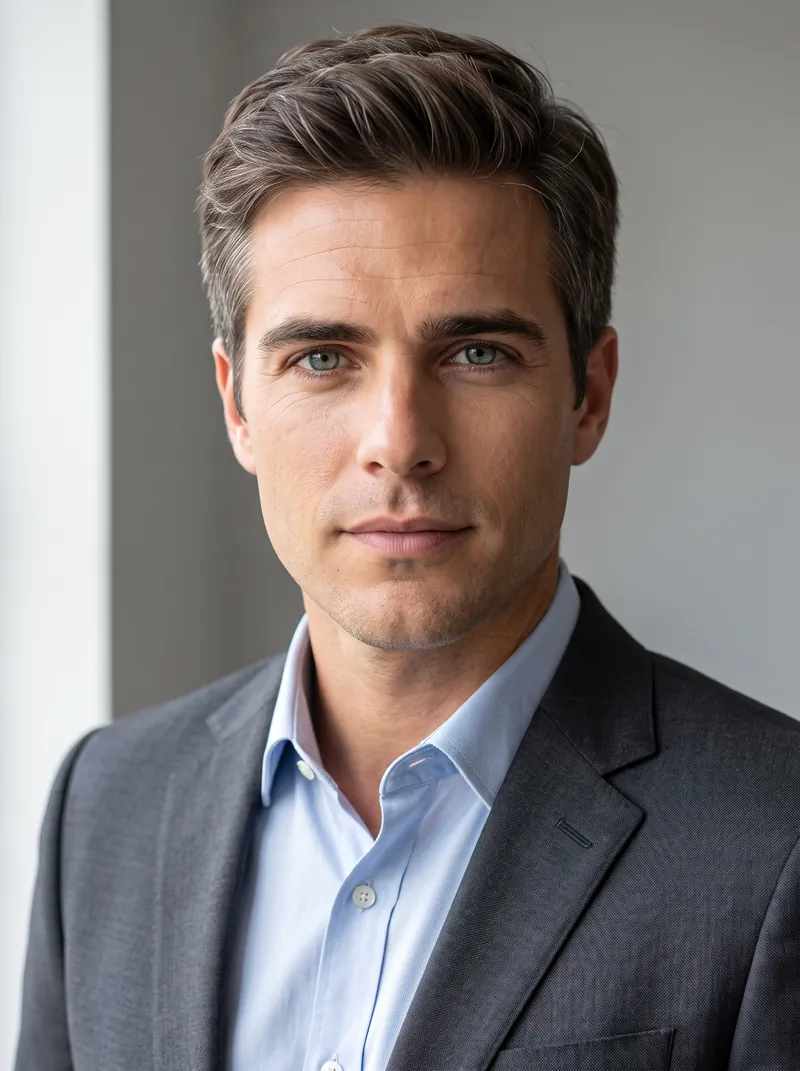
A federal judge in Houston has once again struck down a Texas law designed to restrict public drag performances, ruling that the measure violates the First Amendment. U.S. District Judge David Hittner issued a permanent injunction on Tuesday against Senate Bill 12, a 2023 law that criminalizes "sexually oriented performances" in the presence of minors. The decision blocks Texas Attorney General Ken Paxton and other state officials from enforcing the statute, which had briefly gone into effect earlier this year.[1][2]
The ruling marks the second time Judge Hittner has declared the law unconstitutional. He initially blocked SB 12 in September 2023, shortly after it was passed by the Republican-led state legislature. However, the conservative-leaning Fifth Circuit Court of Appeals vacated that injunction in late 2025, allowing the law to take effect in March 2026 while ordering the lower court to reassess the case.[1][3]
In his 34-page reassessment, Hittner reaffirmed his original conclusion that the law is an unconstitutional form of both content and viewpoint discrimination. Citing the 2024 U.S. Supreme Court decision in Moody v. NetChoice, the judge determined that the state's definitions of "visual performances," "nude," and "prurient interest in sex" were impermissibly vague and overly broad.[3][4]
Hittner wrote that the statute's sweeping language could hypothetically criminalize a wide array of constitutionally protected expression. He noted that the law could be weaponized against "countless exhibitions and events with an audience," including cheerleading routines, gymnastics competitions, provocative cosplay at conventions, or even impersonators of artists like Dolly Parton and Elvis Presley. "The vast majority of the law's numerous applications violate the First Amendment," Hittner concluded.[1][2]
While the text of SB 12 does not explicitly use the word "drag," the legislation was widely promoted by its sponsors as a mechanism to ban drag shows in public spaces. Hittner's ruling pointed to the legislative history and public statements by state leaders, noting that Governor Greg Abbott explicitly touted the measure as a "drag ban" on social media following its passage.[2]
The lawsuit was brought by the ACLU of Texas on behalf of several drag performers and production companies, who argued the law stifled free expression and created a chilling effect that made Texans afraid to host or attend performances. Following Tuesday's ruling, plaintiffs celebrated the decision as a necessary protection for the LGBTQ+ community and the broader arts sector.[4][6]
State officials have consistently defended the law as a necessary child-protection measure, arguing it was narrowly tailored to shield minors from sexually explicit content. During the litigation, the Texas Attorney General's office maintained that the state has a compelling interest in regulating performances that appeal to a prurient interest in sex when children are present.[2][6]
Addressing the state's argument regarding offended audiences, Judge Hittner echoed a previous federal ruling involving a separate drag ban at Texas A&M University. He wrote that for individuals who find such performances objectionable, "the solution is relatively simple... just don't go." The state is expected to appeal the permanent injunction back to the Fifth Circuit.[1][3]
Viewpoints in depth
First Amendment Advocates
Civil rights groups and performers view the law as an unconstitutional overreach.
Plaintiffs and civil liberties organizations argue that Senate Bill 12 was never truly about obscenity, but rather a targeted effort to erase LGBTQ+ culture from public life. By relying on overly broad definitions of nudity and sexual conduct, advocates warn the state created a chilling effect that threatened mainstream theater, dance competitions, and pride parades. They maintain that the First Amendment strictly prohibits the government from banning artistic expression simply because some lawmakers find it offensive.
Texas State Officials
Conservative leaders argue the state has a duty to regulate explicit content in public.
State attorneys and Republican lawmakers maintain that the legislation is a standard child-protection measure, not a ban on the art form of drag itself. They argue the state possesses a compelling interest in shielding minors from performances that appeal to a prurient interest in sex. From this perspective, the law was narrowly tailored to apply only to sexually oriented exhibitions on public property or in the presence of children, aligning with historical precedents that allow governments to regulate obscenity.
Key points
- U.S. District Judge David Hittner permanently blocked Texas Senate Bill 12, a law restricting sexually oriented performances.
- The ruling marks the second time the law has been struck down, following a remand from the Fifth Circuit Court of Appeals.
- Hittner ruled the law's definitions were overly broad and violated the First Amendment by engaging in viewpoint discrimination.
- The judge noted the law could hypothetically penalize cheerleading, cosplay, and celebrity impersonators.
How we got here
June 2023
The Texas Legislature passes Senate Bill 12, restricting sexually oriented performances.
September 2023
U.S. District Judge David Hittner issues a permanent injunction blocking the law.
Late 2025
The Fifth Circuit Court of Appeals vacates the injunction and remands the case for reassessment.
March 2026
Senate Bill 12 temporarily goes into effect while the lower court reviews the case.
August 25, 2026
Judge Hittner strikes down the law for a second time, reinstating the permanent injunction.
- Civil Liberties Advocates
- Argue the law is a vaguely written, unconstitutional attack on free expression that targets the LGBTQ+ community.
- State Lawmakers
- Maintain the legislation is a necessary, narrowly tailored measure to protect minors from sexually explicit public performances.
Perspectives this story doesn't cover
- Parents of minors attending public performances
- Independent constitutional scholars
Sources
Source coverage
6 outlets
2 viewpoints surfaced






- [1]The Texas TribuneCivil Liberties Advocates
Texas' limits on certain drag shows ruled unconstitutional again
Read on The Texas Tribune → - [2]Houston ChronicleCivil Liberties Advocates
Federal judge in Houston again strikes down Texas drag show law
Read on Houston Chronicle → - [3]Courthouse News ServiceState Lawmakers
Federal judge blocks Texas drag ban a second time
Read on Courthouse News Service → - [4]San Antonio CurrentCivil Liberties Advocates
Federal judge rules Texas' drag ban is unconstitutional prohibition of free speech
Read on San Antonio Current → - [5]FOX 4 News Dallas-Fort WorthState Lawmakers
Texas drag show ban again ruled unconstitutional by federal judge
Read on FOX 4 News Dallas-Fort Worth → - [6]ACLU of TexasCivil Liberties Advocates
Federal Court Rules Again that Texas Drag Ban Is Unconstitutional
Read on ACLU of Texas →
More in Law & Justice
See all →Immigration Enforcement
Federal Judge Upholds New Jersey's Refusal to Assist Federal Immigration Enforcement
5 sources
EPR Legislation
Federal Court Upholds Oregon's Extended Producer Responsibility Packaging Law
7 sources
First Amendment
DOJ Office of Legal Counsel Rules Federal Funding Restrictions on Religious Use Unconstitutional
6 sources
First Amendment
Federal Judge Rules Trump Policy Targeting Pro-Palestinian Activists for Deportation Violates First Amendment
5 sources
Comments
Every angle. Every day.
Get Law & Justice stories with full source coverage and perspective breakdowns, free every day.