
EPA Proposes Repealing Drinking Water Limits for Four PFAS 'Forever Chemicals'
The Environmental Protection Agency has introduced a proposal to roll back federal drinking water standards for four types of PFAS, citing the multibillion-dollar compliance burden on local municipalities. Environmental and public health groups warn the reversal could leave millions exposed to chemicals linked to cancer and immune system damage.
By Hailey Scott

The Environmental Protection Agency announced a sweeping proposal on Thursday to repeal federal drinking water limits for four widely used "forever chemicals," marking a significant reversal of a landmark 2024 environmental regulation. The rollback targets specific per- and polyfluoroalkyl substances (PFAS) that the previous administration had capped at near-zero levels, citing the severe financial strain the mandates placed on local governments.[1][3]
Under the new proposal, the EPA would remove the enforceable Maximum Contaminant Levels (MCLs) for PFHxS, PFNA, HFPO-DA (commonly known as GenX), and mixtures containing two or more of these compounds. The agency stated it will retain the strict limits on the two oldest and most studied legacy chemicals, PFOA and PFOS, though those standards will also face a secondary regulatory review later this year.[1][4]
The decision follows intense lobbying from municipal water utilities, who argued that the 2024 mandates were financially ruinous. The American Water Works Association estimated that installing the necessary granular activated carbon or reverse osmosis filtration systems nationwide would cost local water systems roughly $3.8 billion annually. Industry representatives warned that these costs would inevitably be passed down to consumers through dramatically higher monthly water bills.[4]
Proponents of the repeal argue that the original rule forced small-town and rural water systems to bear an impossible financial burden for marginal health benefits. The EPA's new leadership echoed this sentiment in their filing, stating that the previous administration "vastly underestimated the economic impact on local communities while relying on overly conservative risk models" that did not accurately reflect real-world exposure levels.[2]
Environmental and public health organizations immediately condemned the proposal, warning it will leave millions of Americans exposed to dangerous toxins. PFAS are synthetic chemicals used in nonstick cookware, firefighting foam, and waterproof clothing. They do not break down naturally in the environment and have been linked to kidney cancer, testicular cancer, thyroid disease, and compromised immune systems.[3][5]
Medical researchers point out that the four chemicals targeted for repeal were specifically designed as replacements for PFOA and PFOS, but subsequent studies have shown them to be highly toxic in their own right. Public health advocates argue that removing the federal mandate will create a fractured system where only wealthy municipalities can afford to filter out the chemicals, exacerbating health disparities across different socioeconomic regions.[5][6]
The proposal now enters a 60-day public comment period, which is expected to draw fierce engagement from both industry groups and environmental litigators. Several Democratic attorneys general have already signaled their intent to sue the EPA if the repeal is finalized, arguing that the agency is violating its mandate under the Safe Drinking Water Act to protect public health based on the best available science.[3][4]
The fight over PFAS regulation highlights a broader tension in environmental policy between the rapidly advancing science of chemical toxicity and the practical limitations of municipal infrastructure. As the EPA moves forward with the rulemaking process, local water authorities are left in a state of regulatory limbo, unsure whether to halt ongoing filtration upgrades or proceed in case the rollback is ultimately defeated in federal court.[1][6]
Viewpoints in depth
Municipal Water Utilities
Argue the original mandates were financially unworkable and would have caused water bills to skyrocket.
Local water authorities and industry groups like the American Water Works Association maintain that the 2024 regulations were an unfunded mandate that threatened to bankrupt small and mid-sized utilities. They argue that installing advanced reverse osmosis or carbon filtration systems costs millions of dollars per facility, requiring them to double or triple residential water rates. From their perspective, the EPA's rollback is a necessary correction that balances public health with economic reality, allowing communities to prioritize more immediate infrastructure needs like replacing lead pipes.
Public Health Advocates
Warn that repealing the limits will lead to widespread exposure to cancer-causing chemicals.
Environmental scientists and public health organizations view the repeal as a dangerous capitulation to industry pressure. They point to a growing body of peer-reviewed research linking GenX, PFNA, and PFHxS to severe health outcomes, including immune system suppression and elevated cancer risks, even at microscopic levels. These advocates argue that the cost of compliance is dwarfed by the long-term medical costs of treating PFAS-related illnesses, and that removing federal standards will leave low-income communities disproportionately exposed to toxic tap water.
Key points
- The EPA has proposed repealing federal drinking water limits for four specific PFAS 'forever chemicals'.
- The targeted chemicals include PFHxS, PFNA, and GenX, which were capped at near-zero levels in 2024.
- Water utilities lobbied for the rollback, citing an estimated $3.8 billion in annual compliance costs.
- Environmental groups warn the move will expose millions to chemicals linked to cancer and immune damage.
What we don’t know
- Whether federal courts will allow the EPA to reverse the standards under the Safe Drinking Water Act.
- If the EPA will eventually attempt to roll back the standards for the two most common legacy PFAS, PFOA and PFOS.
- How many local water utilities will voluntarily continue filtering out the four chemicals despite the lack of a federal mandate.
How we got here
April 2024
The Biden administration finalizes the first-ever national, legally enforceable drinking water standards for six PFAS chemicals.
June 2024
Water utility groups and chemical manufacturers file federal lawsuits seeking to block the new regulations.
June 2026
The EPA formally proposes repealing the limits on four of the six chemicals, citing excessive compliance costs.
- Municipal Water Utilities
- Focus on the severe financial burden of compliance and the impact on local ratepayers.
- Public Health & Environmental Advocates
- Emphasize the severe medical risks of PFAS exposure and the need for strict federal oversight.
- Regulatory Observers
- Focus on the legal mechanics of the rollback and the impending court battles over the Safe Drinking Water Act.
Perspectives this story doesn't cover
- Chemical manufacturers who produce PFAS
- Residents of heavily contaminated communities near military bases or industrial sites
Sources
Source coverage
6 outlets
3 viewpoints surfaced






- [1]ReutersRegulatory Observers
EPA moves to repeal limits on four PFAS chemicals in drinking water
Read on Reuters → - [2]Fox NewsMunicipal Water Utilities
Biden admin's 'predator' release puts Virginia's sanctuary policies back in the spotlight
Read on Fox News → - [3]The New York TimesPublic Health & Environmental Advocates
In Major Reversal, EPA Proposes Dropping 'Forever Chemical' Water Standards
Read on The New York Times → - [4]PoliticoMunicipal Water Utilities
Water utilities notch a win as EPA targets PFAS rule for repeal
Read on Politico → - [5]Environmental Working GroupPublic Health & Environmental Advocates
EPA's reckless PFAS repeal puts millions at risk of cancer
Read on Environmental Working Group → - [6]Stat NewsPublic Health & Environmental Advocates
FTC, four state AGs sue transgender health group over care standards
Read on Stat News →
More in News & Politics
See all →Climate Policy
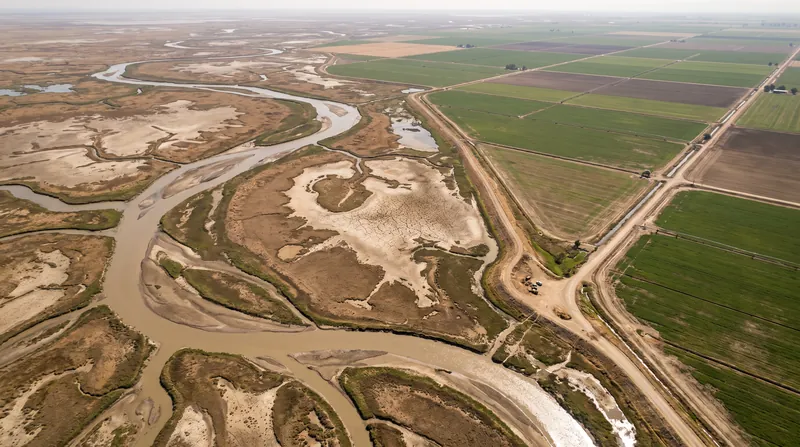
EPA Finalizes Rule Repealing Greenhouse Gas Endangerment Finding, Dismantling Federal Climate Policy
3 sources
State Preemption
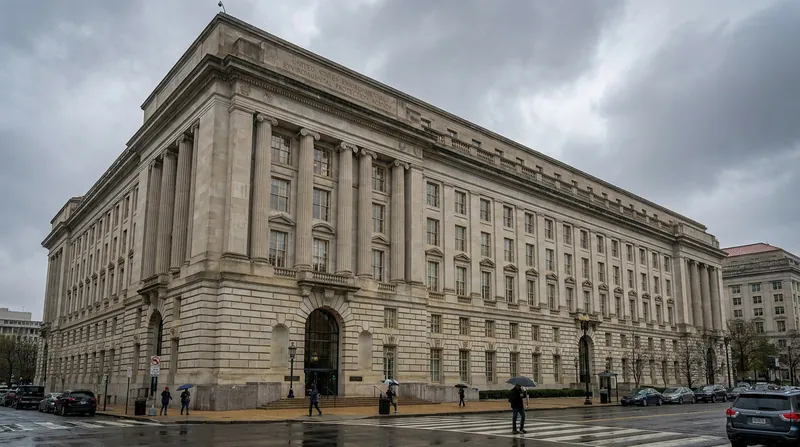
Florida Law Takes Effect Banning Local Government Net-Zero Emissions Policies
7 sources
Climate Law
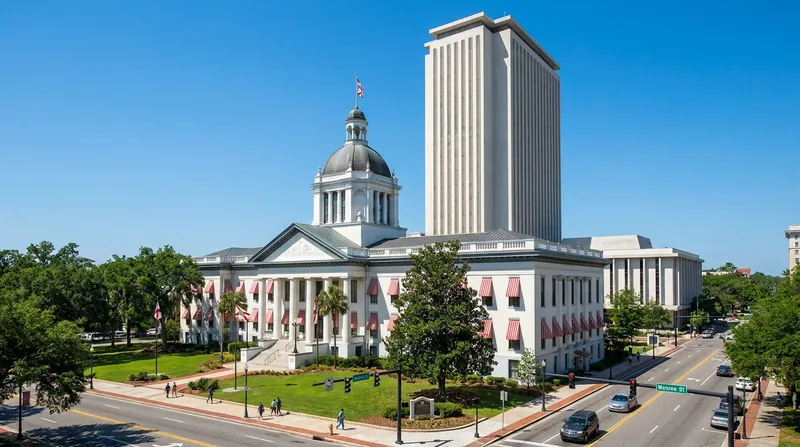
UN General Assembly Adopts Landmark Resolution Operationalizing ICJ Opinion on State Climate Obligations
5 sources
Climate Litigation
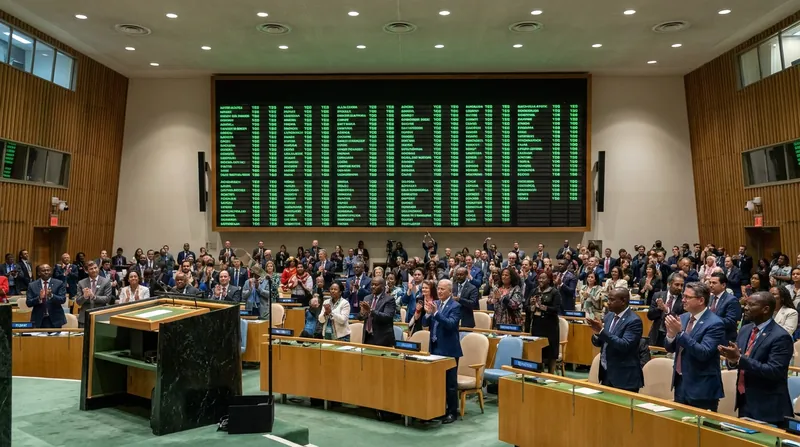
New Zealand Parliament Advances Bill to Block All Corporate Climate Liability Lawsuits
6 sources
Comments
Every angle. Every day.
Get News & Politics stories with full source coverage and perspective breakdowns, free every day.