
BWF Injury Report: Ng Tze Yong's Pivot and the Growing Movement for Player Health
Mid-way through the 2026 season, elite badminton players like Malaysia's Ng Tze Yong are making unprecedented decisions to step away from national federations to focus on injury rehabilitation. The shift highlights a growing global movement prioritizing athlete welfare over the grueling demands of the BWF World Tour.
By Xia Wu
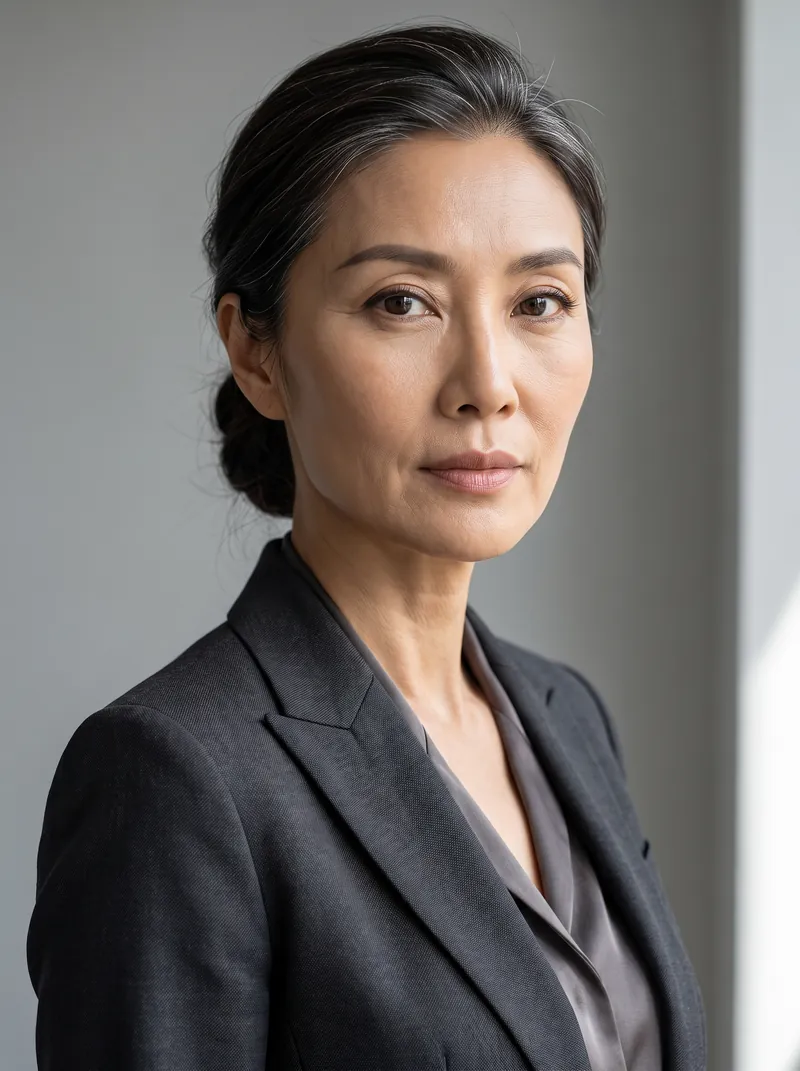
The modern professional badminton calendar is a grueling, year-round marathon, and mid-way through the 2026 BWF World Tour, the physical toll is forcing a paradigm shift.
Instead of quietly playing through pain to satisfy ranking requirements, elite shuttlers are making unprecedented, health-first decisions to step away, rehabilitate, or even retire on their own terms.
The most recent example comes from Malaysia's Ng Tze Yong, who officially parted ways with the Badminton Association of Malaysia (BAM) this week to focus entirely on his physical recovery.[1]
Sidelined for over a year with severe back and anterior cruciate ligament (ACL) injuries, the 26-year-old chose to turn professional, a move that allows him to dictate his own rehabilitation timeline without the pressure of national team event quotas.
"If I had the choice, of course I would want to come back as fast as possible. But I need to respect my body," Tze Yong told reporters, noting he is currently training at only 40 to 50 percent intensity alongside former national player Soong Joo Ven.
The split was remarkably amicable, signaling a maturing approach to athlete welfare within national federations. BAM national singles coaching director Kenneth Jonassen praised Tze Yong's natural flair and insisted the door remains "wide open" for a return once he regains full fitness.[1]
Tze Yong's cautious, long-term approach mirrors the difficult reality faced by Danish legend Viktor Axelsen, who formally retired in April 2026 at age 32.[2]
Axelsen, a two-time Olympic gold medallist and one of the most dominant men's singles players in history, battled chronic nerve pain in his back following an April 2025 surgery. He ultimately decided that chasing further titles was not worth sacrificing his permanent mobility.[2]
"After undergoing endoscopic surgery, multiple injections, new training methods... I have been advised to focus on my long-term health," Axelsen wrote in his emotional farewell, admitting that his body simply would not allow him to continue at an elite intensity.[2]
The sheer volume of the BWF calendar—which requires top players to traverse the globe almost weekly to maintain their standings—is increasingly under scrutiny as high-profile injuries mount.
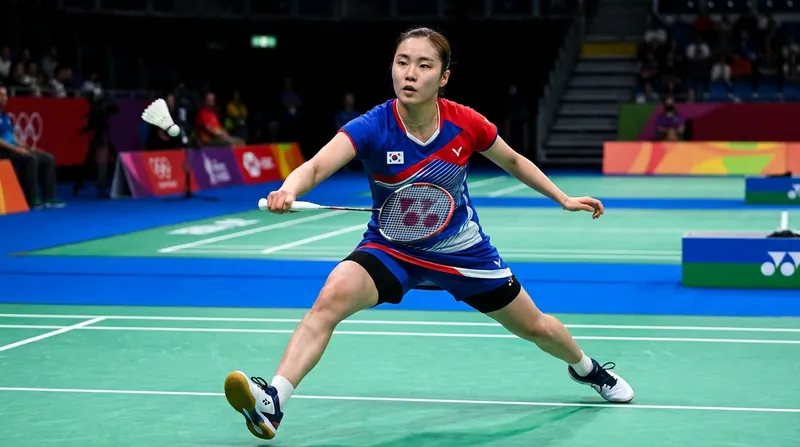
South Korean world No. 1 An Se Young has become the focal point of this global debate. After a staggering 77-match season in 2025, she suffered a visible muscle tear during the All England Open this spring.
International media outlets have openly criticized her "murderous itinerary," warning that her relentless defensive playstyle and lack of rest could prematurely end her prime if her schedule is not aggressively managed.
In response to the growing injury crisis, the BWF is reportedly exploring structural changes, including a potential shift from the traditional 21-point scoring system to a 15-point format designed to reduce match duration and physical load.
Meanwhile, other top contenders are carefully managing acute mid-season setbacks rather than rushing back to the court. Singapore's Loh Kean Yew is currently racing to recover from an abdominal strain sustained at the Indonesia Open in early June.
Similarly, India's elite men's doubles player Satwiksairaj Rankireddy opted to skip the US Open this week, allowing him to fully rehabilitate an injury sustained earlier this month in Jakarta.[3]
Key points
- Malaysia's Ng Tze Yong has left BAM to rehabilitate severe back and ACL injuries as an independent player.
- BAM coaches fully supported the move, leaving the door open for his eventual return.
- Danish legend Viktor Axelsen retired in April 2026 at age 32 due to chronic nerve pain.
- South Korean star An Se Young's 77-match season has sparked warnings about a 'murderous itinerary.'
- The BWF is reportedly considering a 15-point scoring system to reduce physical exhaustion.
How we got here
April 2025
Viktor Axelsen undergoes endoscopic back surgery but continues to experience chronic nerve pain.
May 2025
Ng Tze Yong suffers a severe ACL injury, sidelining him from the BWF circuit for over a year.
March 2026
An Se Young suffers a visible muscle tear at the All England Open, sparking debates over player workload.
April 2026
Viktor Axelsen officially announces his retirement from professional badminton at age 32 to protect his long-term mobility.
June 2026
Ng Tze Yong leaves the Badminton Association of Malaysia to focus purely on his rehabilitation as an independent player.
- Player Health Advocates
- Argue that the BWF calendar is too dense and players must prioritize their long-term physical well-being.
- National Associations
- Balance the need for national representation and medal targets with the reality of managing athletes' physical limits.
- Tour Organizers & Broadcasters
- Face the challenge of maintaining a highly competitive, year-round global circuit while addressing growing concerns over athlete burnout.
Perspectives this story doesn't cover
- Sports Physiotherapists
- Tournament Sponsors
Sources
Source coverage
3 outlets
3 viewpoints surfaced



- [1]BernamaNational Associations
Jonassen Leaves Door Wide Open For Tze Yong's Return To BAM
Read on Bernama → - [2]The SunPlayer Health Advocates
Viktor Axelsen retires from badminton due to persistent back injury
Read on The Sun → - [3]Olympics.comTour Organizers & Broadcasters
US Open 2026 badminton: Lakshya Sen returns as Ayush Shetty skips title defence
Read on Olympics.com →
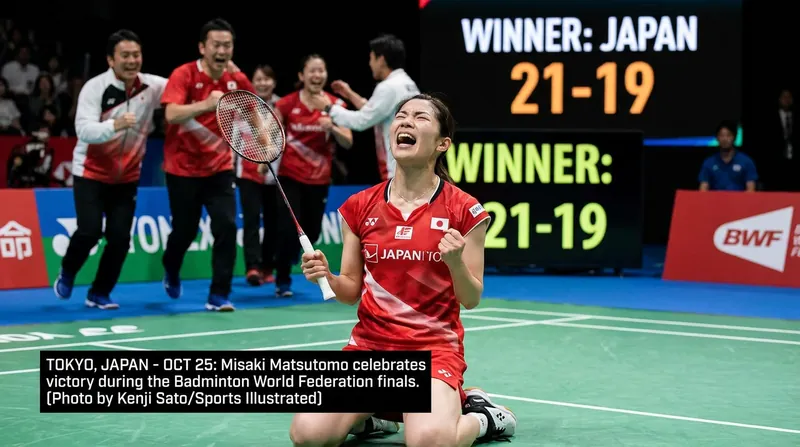
More in Sports
See all →Standings
Victor Lai and Alwi Farhan Crack Top 10 in Latest BWF Men's Singles Standings
6 sources
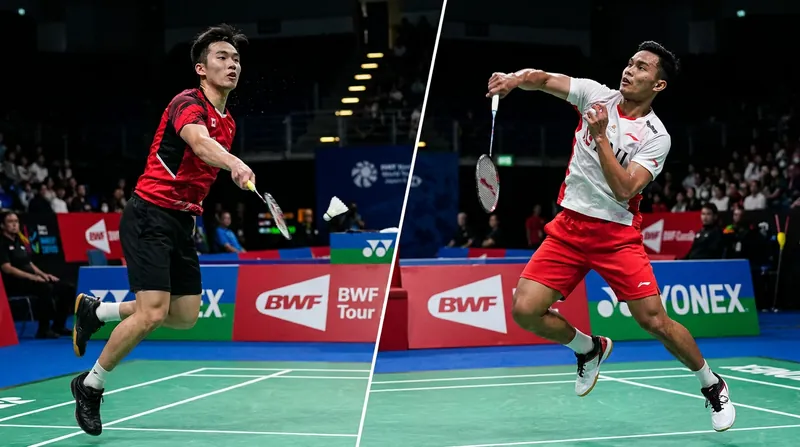
Standings
USA Badminton Pairs Surge in BWF Race to Finals Standings Following Historic Japan Open Quarterfinal Runs
4 sources
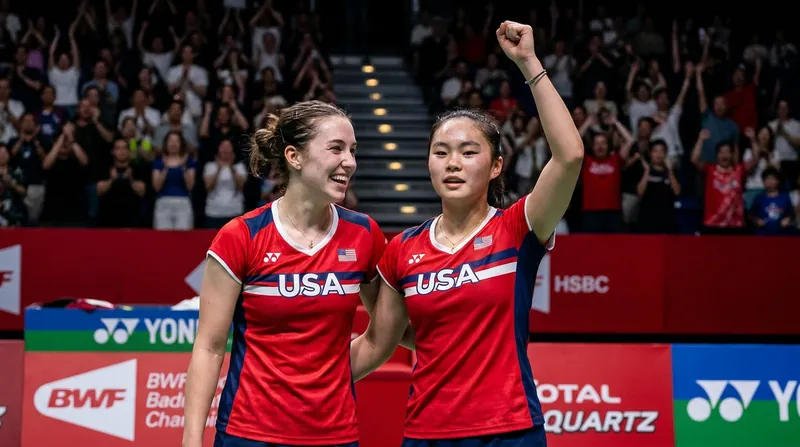
Injury
BWF Injury Report: An Se-young's Precautionary Japan Open Withdrawal Highlights Shift Toward Long-Term Health
6 sources
Standings
Yudai Okimoto and Japanese Contingent Surge in BWF Race to Finals Standings Following North American Sweep
6 sources
Comments
Every angle. Every day.
Get Sports stories with full source coverage and perspective breakdowns, free every day.