
U.S. and Iran Near Historic Peace Deal, but Conflicting Claims Threaten Final Agreement
Washington and Tehran are on the precipice of signing a memorandum of understanding to end the 2026 war, though sharply diverging narratives over nuclear concessions and sanctions relief could still derail the fragile peace.
By Factlen Editorial Team
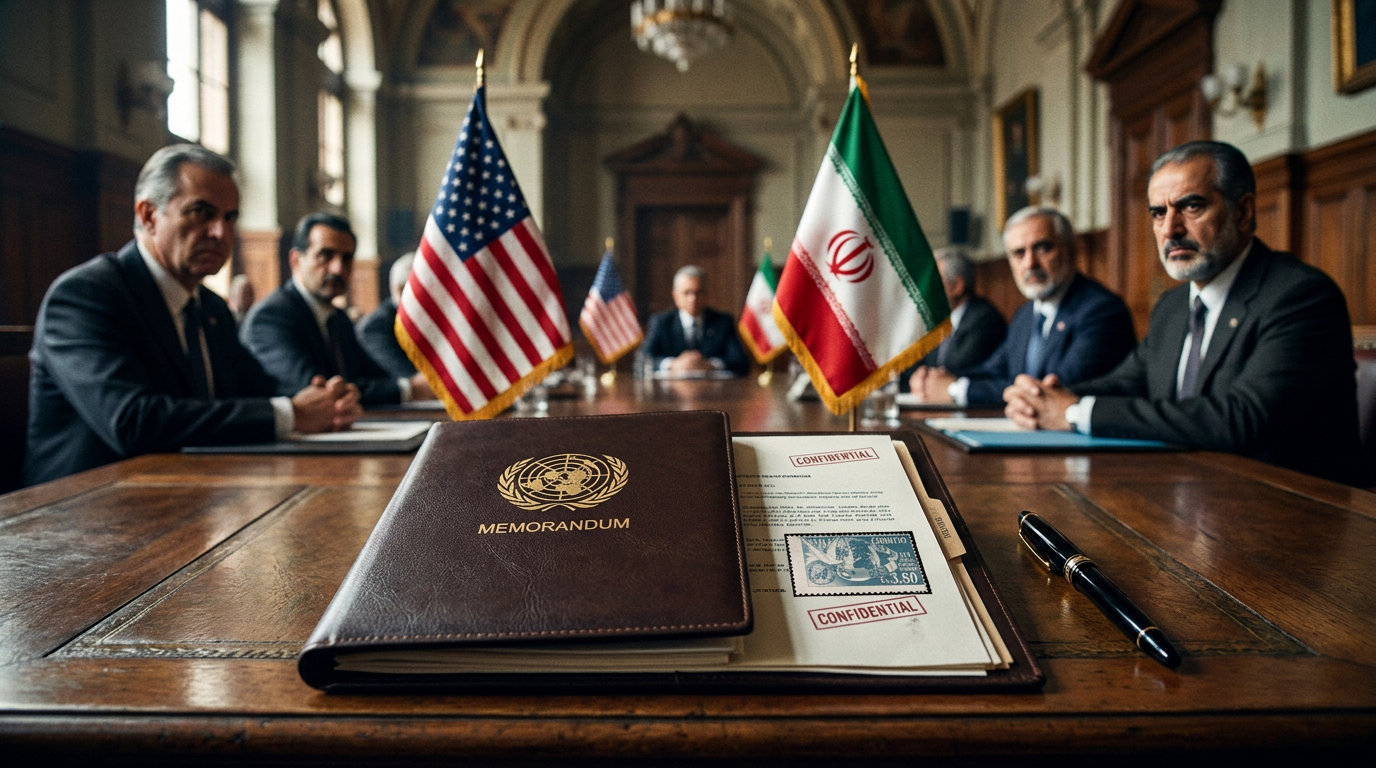
- U.S. Administration
- Argues the deal is a definitive victory that permanently neutralizes Iran's nuclear threat through strict, performance-based metrics.
- Iranian Establishment
- Frames the agreement as a triumph over U.S. aggression, emphasizing massive sanctions relief and the unfreezing of billions in assets.
- Gulf Monarchies
- Views the conflict as a wake-up call, prioritizing regional stability and the urgent need for collective, indigenous defense capabilities.
- International Mediators
- Focuses pragmatically on bridging the diplomatic divide and securing a finalized text to prevent further regional escalation.
What's not represented
- · Civilian populations in the Gulf states directly impacted by the infrastructure strikes
- · Global shipping companies navigating the ongoing closure of the Strait of Hormuz
Why this matters
The resolution of the 2026 U.S.-Iran war will dictate the immediate future of global energy prices, international shipping, and Middle Eastern security. A finalized deal would reopen the Strait of Hormuz, easing worldwide inflation, while a collapse in talks could plunge the region back into a devastating conflict.
More in news politics
See all 169 stories →US-Iran Relations
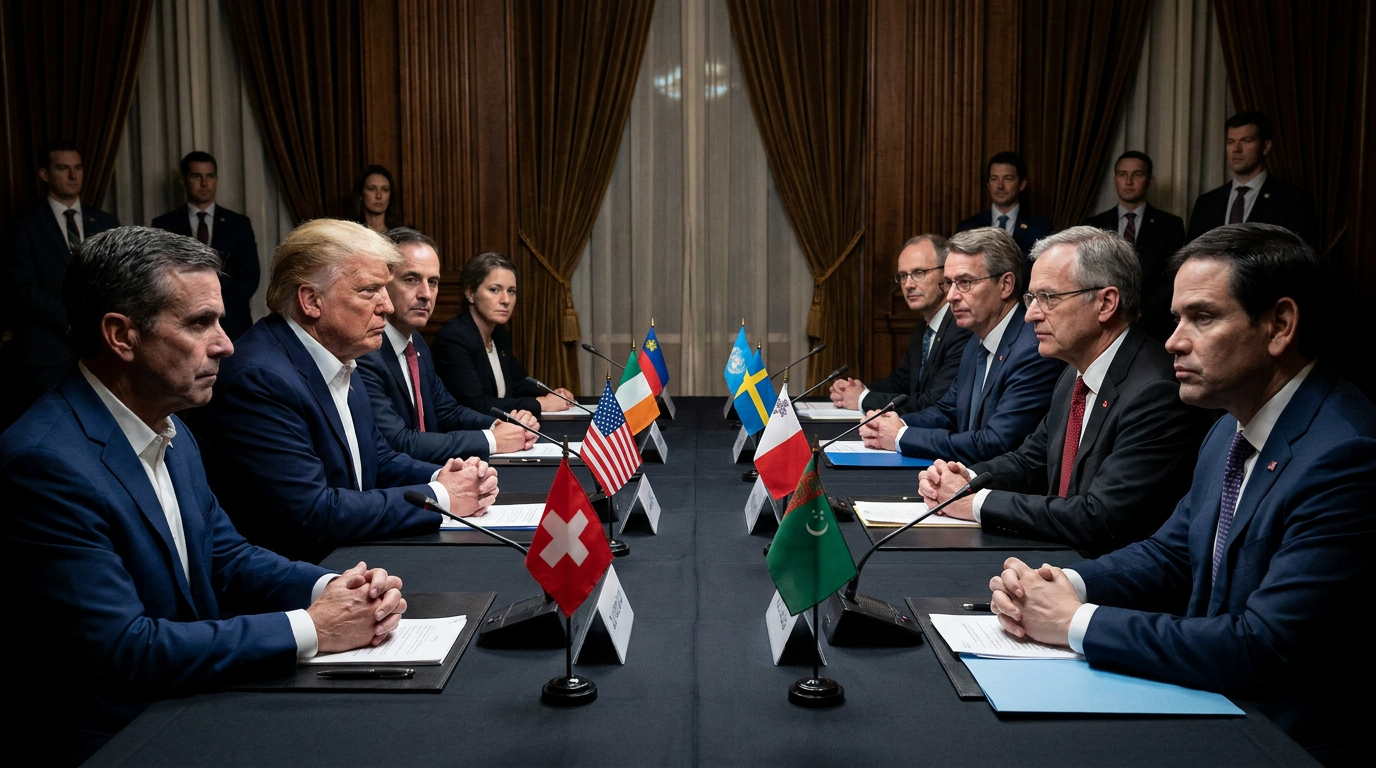
Trump Calls Off Strikes, Claims US-Iran Peace Deal Is Imminent Despite Conflicting Reports
8 sources
Tren de Aragua
US Military Strike Kills Tren de Aragua Gang Leader in Venezuela
6 sources

Information Science
Beyond Debunking: The Evidence for 'Prebunking' and Crowdsourced Fact-Checking
6 sources

Iran Diplomacy
Trump Cancels Strikes on Iran, Claims Peace Deal to End War is Imminent
6 sources
Every angle. Every day.
Get news politics stories with full source coverage and perspective breakdowns delivered to your inbox.