
The Rise of Eco-Theology: How World Religions Are Shaping Global Conservation
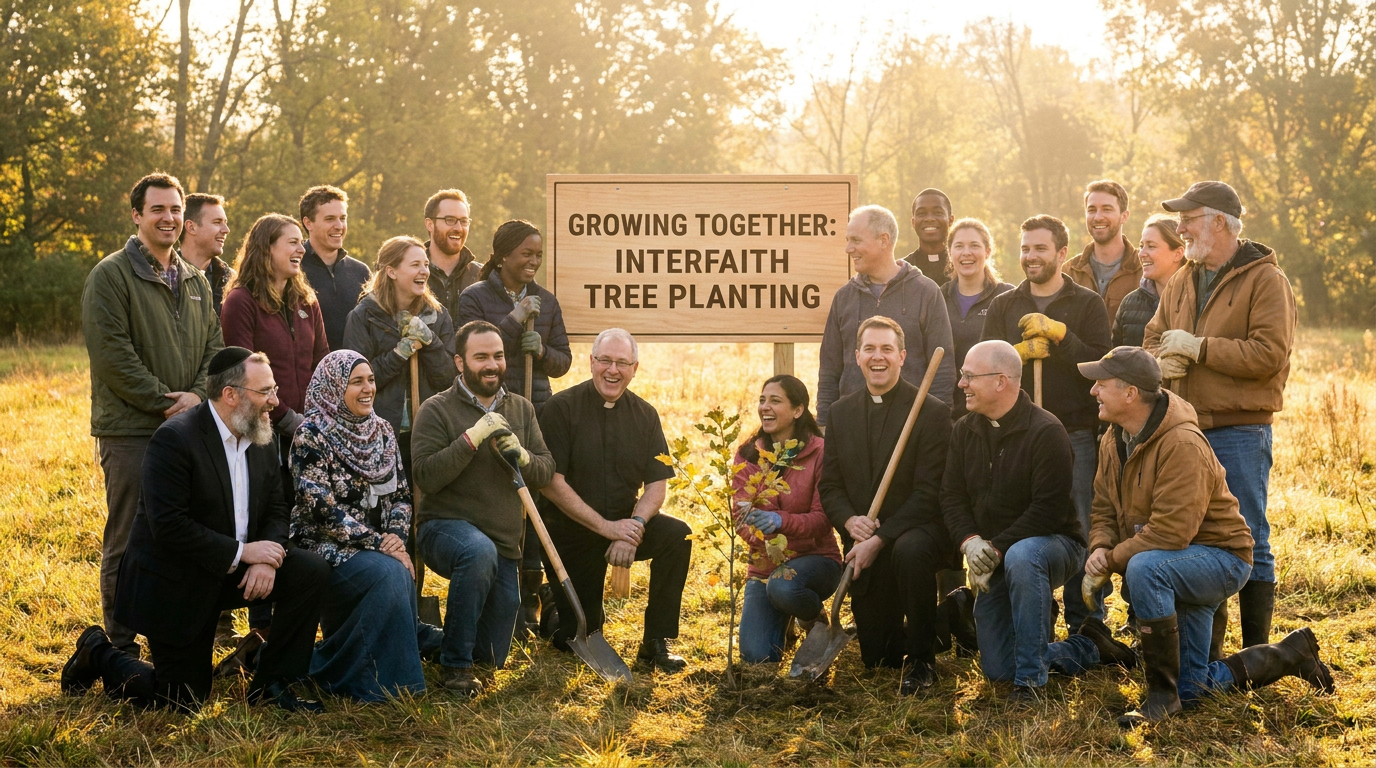
Faith-based organizations own roughly 8% of the world's habitable land, and a growing movement is leveraging that massive footprint to drive global environmental conservation.
By Factlen Editorial Team
Faith-Based Conservationists 45%Secular Accountability Advocates 30%Academic & Demographic Observers 25%
- Faith-Based Conservationists
- Believe that religious moral frameworks are essential to mobilizing global action on climate change.
- Secular Accountability Advocates
- Argue that religious institutions must be held to strict, universal environmental standards regarding their vast landholdings.
- Academic & Demographic Observers
- Focus on measuring the statistical impact of religious beliefs on environmental policy and land management.
What's not represented
- · Fossil fuel industry representatives facing divestment pressure from religious institutions
- · Local farmers and tenants leasing agricultural land from major religious organizations
Why this matters
Faith-based organizations own roughly 8% of the world's habitable land, making them a hidden superpower in the fight against climate change. Understanding how these institutions manage their vast resources—and how they mobilize billions of followers—reveals a crucial, often overlooked mechanism for global environmental conservation.

More in culture
See all 37 stories →Biophilic Design
How Biophilic Design is Rewiring Architecture for Human Health
6 sources

Digital Culture
The Rise of the 'Slow Internet' and the Cozy Web
7 sources

Science of Awe
The Science of Awe: How Everyday Wonder Rewires the Brain and Improves Health
8 sources
Well-Being Science
Beyond Happiness: Why Science is Turning to an Ancient Greek Philosophy of Flourishing
7 sources

Stay informed
Every angle. Every day.
Get culture stories with full source coverage and perspective breakdowns delivered to your inbox.