
The Rise of Astrotourism: Why Travelers Are Chasing the Darkest Skies on Earth
As light pollution erases the Milky Way for 80 percent of North Americans, a booming 'astrotourism' industry is turning pristine, unpolluted night skies into the decade's most sought-after travel commodity.
By Factlen Editorial Team

Conservationists & Astronomers 30%Hospitality & Tourism Industry 30%Public Health & Science 30%Macro Trend Analysts 10%
- Conservationists & Astronomers
- Advocates for preserving the night sky to protect nocturnal ecosystems and scientific observation.
- Hospitality & Tourism Industry
- Views pristine darkness as a premium, highly marketable asset that drives luxury and rural travel.
- Public Health & Science
- Emphasizes the biological necessity of darkness for human circadian rhythms and mental well-being.
- Macro Trend Analysts
- Examines the intersection of the travel economy, environmental conservation, and human health.
What's not represented
- · Indigenous communities whose traditional sky-lore and cultural heritage are tied to the celestial landscapes being commercialized.
- · Local residents in rural dark-sky communities who may face increased traffic and housing costs due to the influx of astrotourists.
Why this matters
With artificial light disrupting both human sleep cycles and nocturnal ecosystems, the push to protect dark skies is about more than just stargazing—it is a growing economic engine that incentivizes rural communities to reverse decades of light pollution.

More in travel
See all 43 stories →Indigenous Cuisine
How Indigenous Culinary Tourism is Rewriting the North American Travel Menu
8 sources

Space Tourism
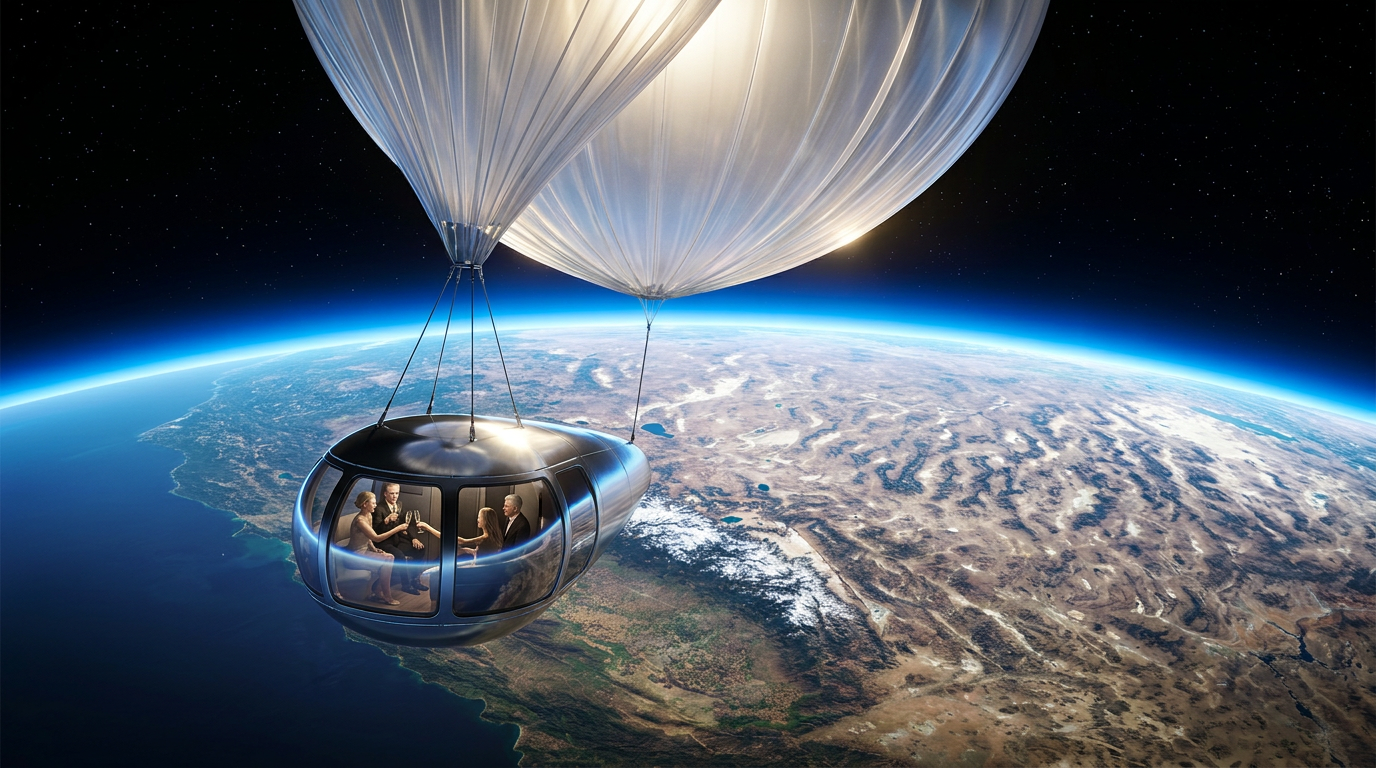
The 12-MPH Ascent: How Stratospheric Balloons Are Redefining Space Tourism for 2026
7 sources
Sleep Tech
How Hotels Are Engineering the Perfect Night of Sleep
7 sources

Alpine Infrastructure
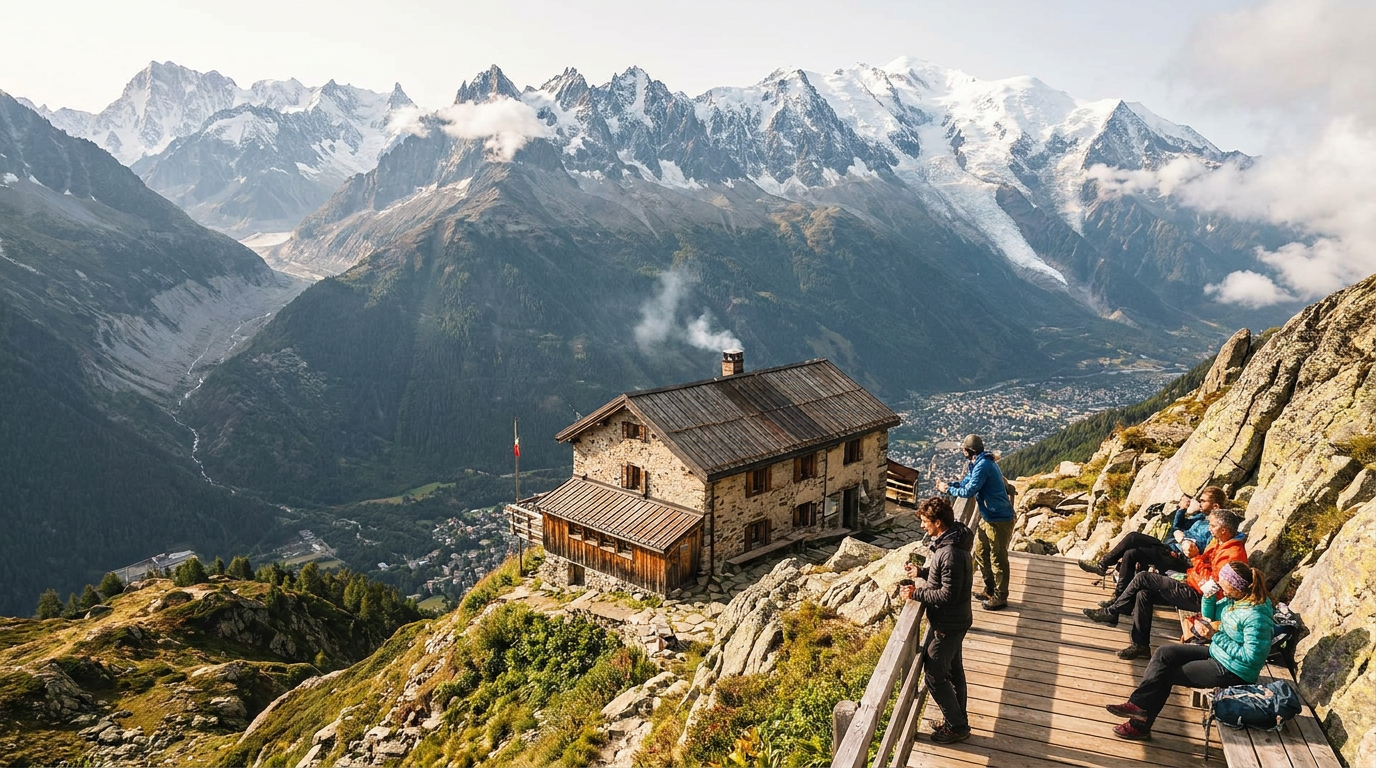
The Mechanics of the Mountain Hut: How the Alps Built the World's Greatest Trekking Network
7 sources
Stay informed
Every angle. Every day.
Get travel stories with full source coverage and perspective breakdowns delivered to your inbox.