
The Evidence for Nutritional Psychiatry: How Diet Modifies Mental Health
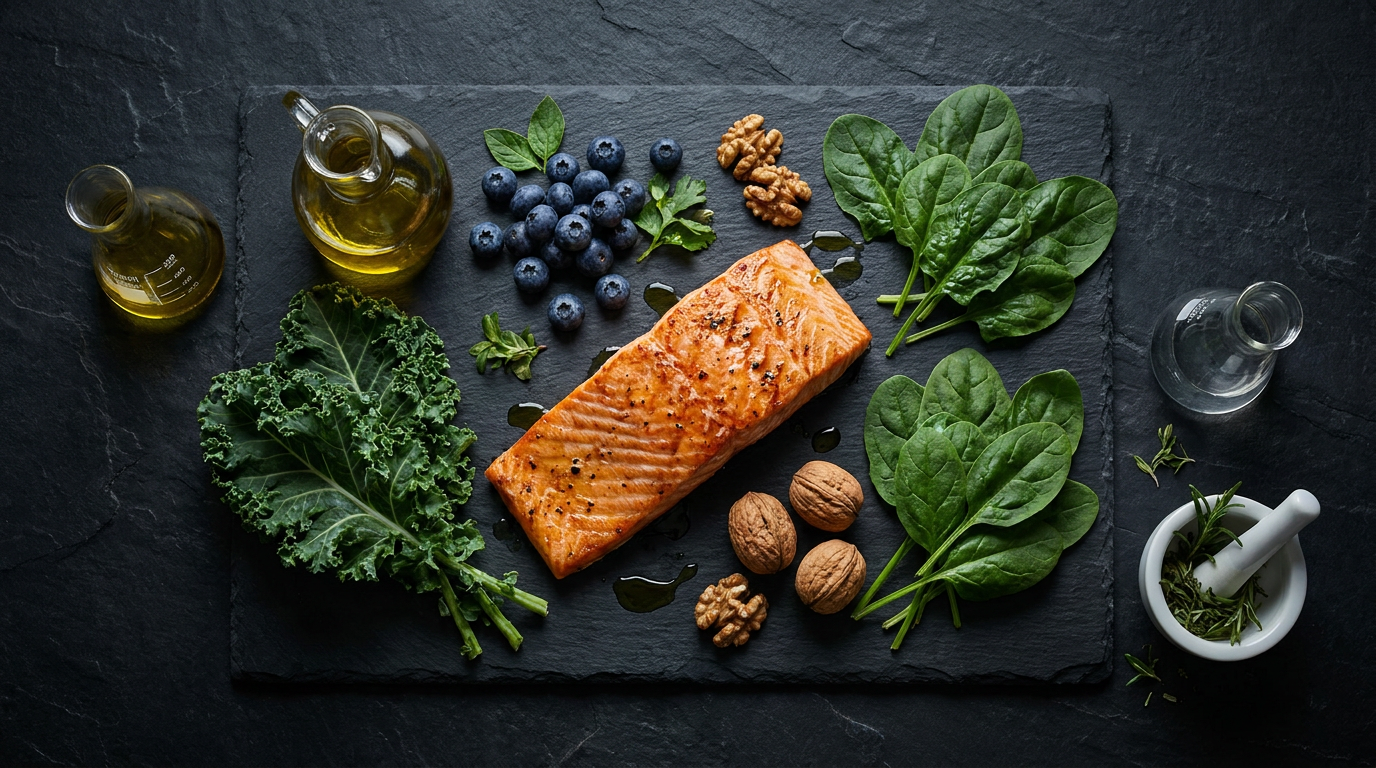
As clinical guidelines increasingly incorporate dietary interventions for depression and anxiety, researchers are mapping exactly how the gut-brain axis influences mood. This evidence pack evaluates the strength of the science behind "nutritional psychiatry," separating proven dietary shifts from premature supplement claims.
By Factlen Editorial Team
- Medical Consensus
- Views dietary intervention as a powerful, evidence-backed adjunct therapy, but warns against abandoning traditional psychiatric medications for severe illness.
- Nutritional Researchers
- Focuses on the biological mechanisms of the gut-brain axis, emphasizing how systemic inflammation and microbiome diversity directly dictate neurotransmitter production.
- Patient Advocates
- Celebrates the empowerment of having a daily, actionable tool to improve mental health that does not involve the side effects of traditional pharmaceuticals.
What's not represented
- · Low-income communities facing food deserts
- · Agricultural policy makers
Why this matters
While food cannot replace standard psychiatric care for severe illness, optimizing diet offers a highly accessible, low-risk tool that patients can control daily. Understanding the proven links between the gut and the brain empowers individuals to build mental resilience and enhance the efficacy of traditional treatments.
More in health
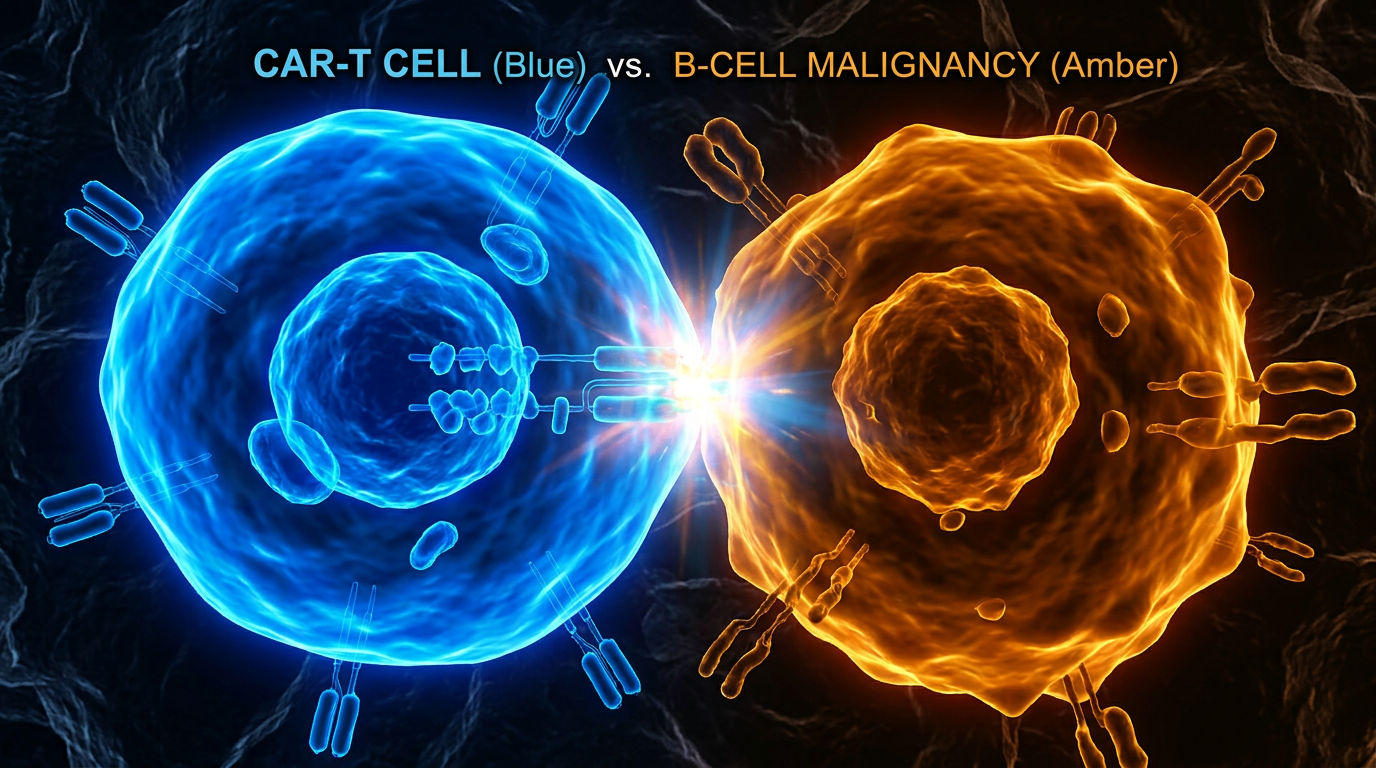
See all 128 stories →CAR-T Therapy
Revolutionary 'Immune Reset' Therapy Puts Severe Lupus into Drug-Free Remission
6 sources
Exercise as Medicine
Exercise Matches or Exceeds Medication for Depression and Anxiety, Massive 2026 Review Finds
6 sources

Biological Age
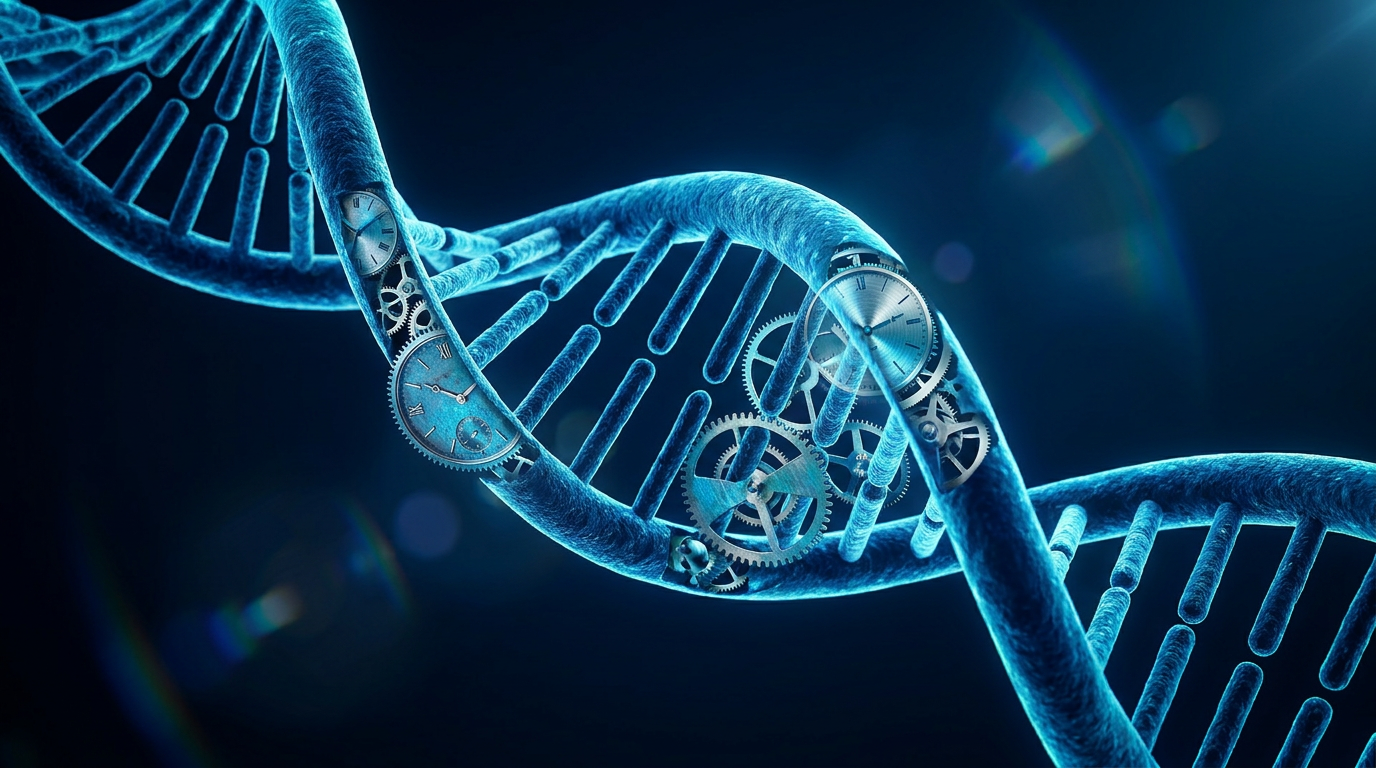
Can you really measure your biological age? The evidence on epigenetic clocks
7 sources
Peptide Therapy
How Experimental Peptides Moved From Niche Biohacking to Mainstream Wellness
8 sources

Every angle. Every day.
Get health stories with full source coverage and perspective breakdowns delivered to your inbox.