
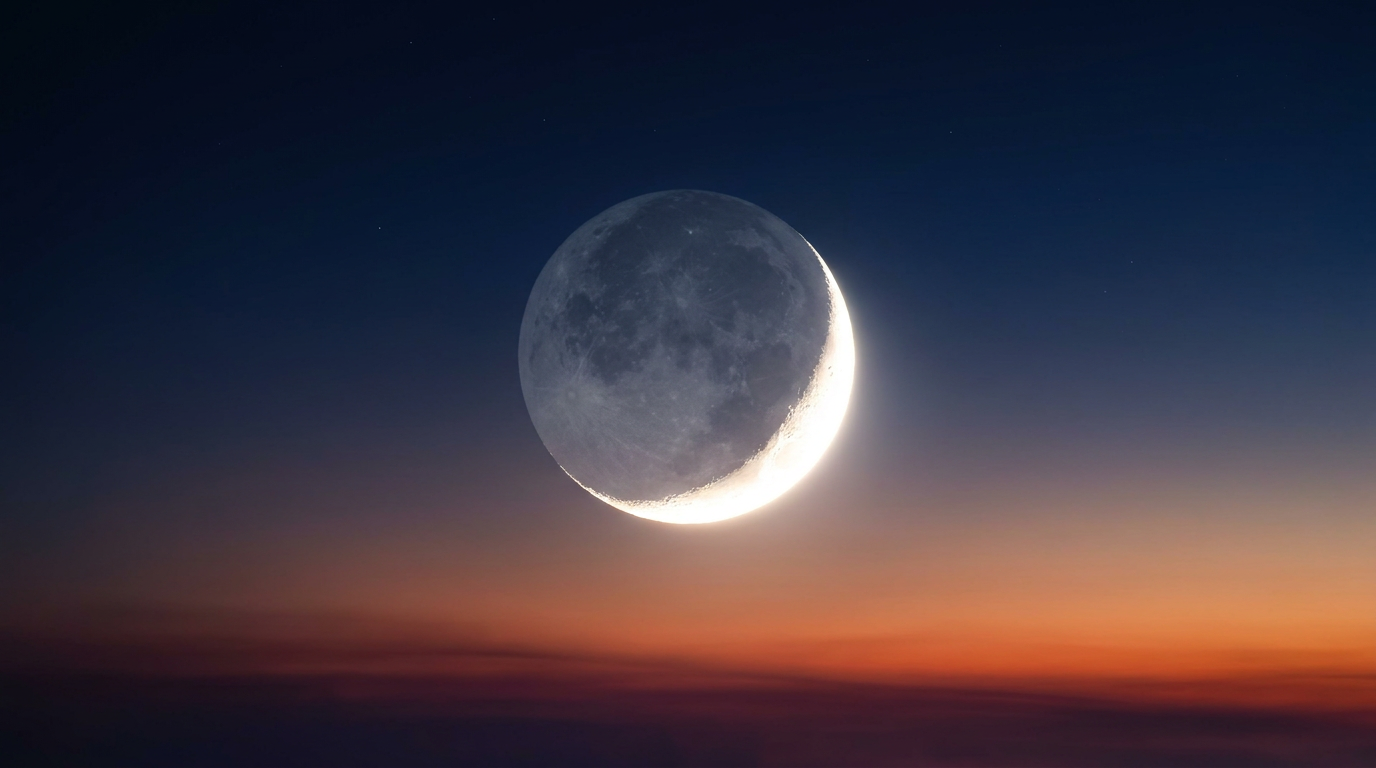
The Da Vinci Glow: What Earthshine Reveals About Our Dimming Planet
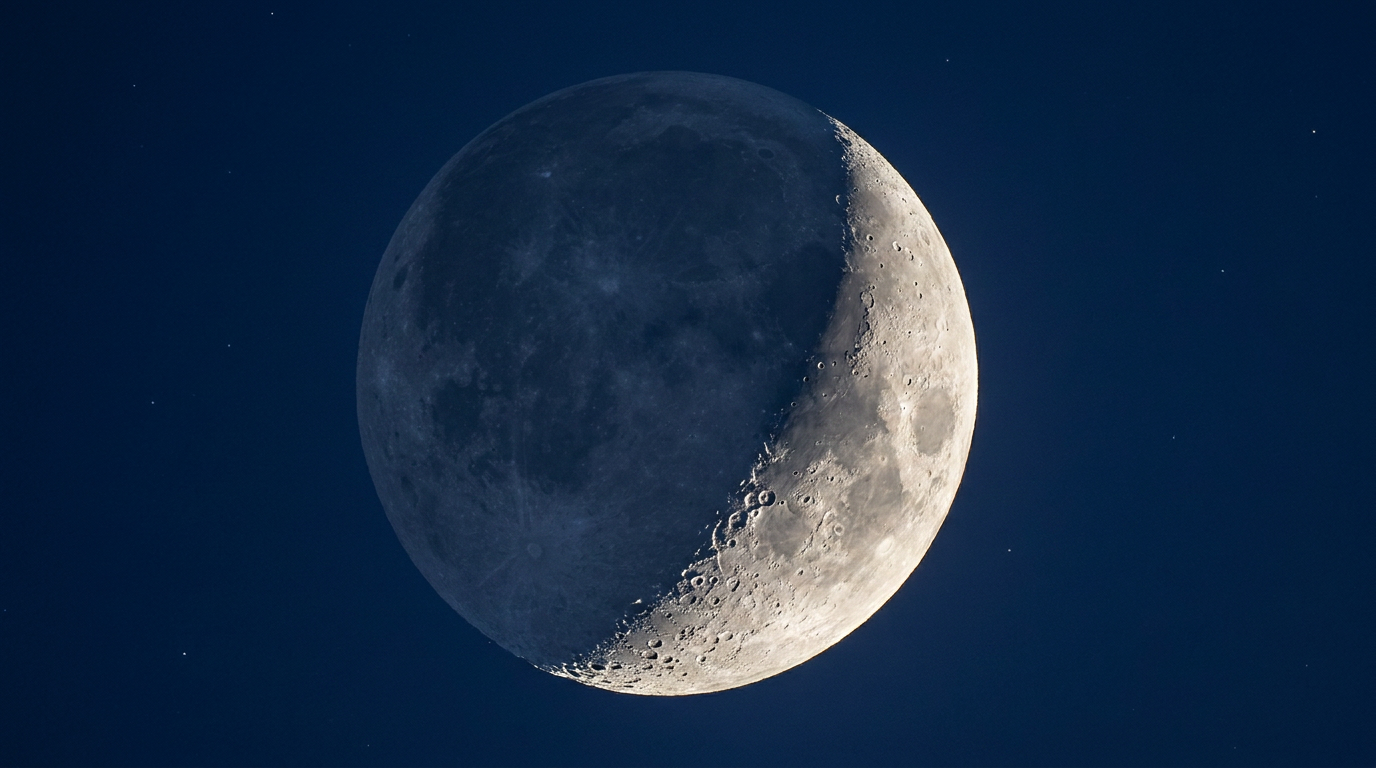
For centuries, the ghostly glow on the dark crescent moon was a beautiful mystery. Today, astronomers use this phenomenon to track a critical climate metric: Earth is losing its shine.
By Factlen Editorial Team
Observational Astronomers 40%Climate Researchers 40%Science Historians 20%
- Observational Astronomers
- Focus on the Moon as a precise, natural mirror for measuring Earth's reflectance.
- Climate Researchers
- Focus on how changes in albedo affect Earth's global energy budget and warming trends.
- Science Historians
- Focus on the historical leap of logic that allowed early scientists to understand the cosmos.
What's not represented
- · Meteorologists studying regional cloud formation
- · Astronauts who have observed Earthshine from space
Why this matters
Understanding Earth's albedo is crucial for predicting our climate future. By measuring how much light our planet reflects, scientists can determine exactly how much solar heat is being absorbed by our oceans and atmosphere.
More in science
See all 78 stories →Energy Infrastructure
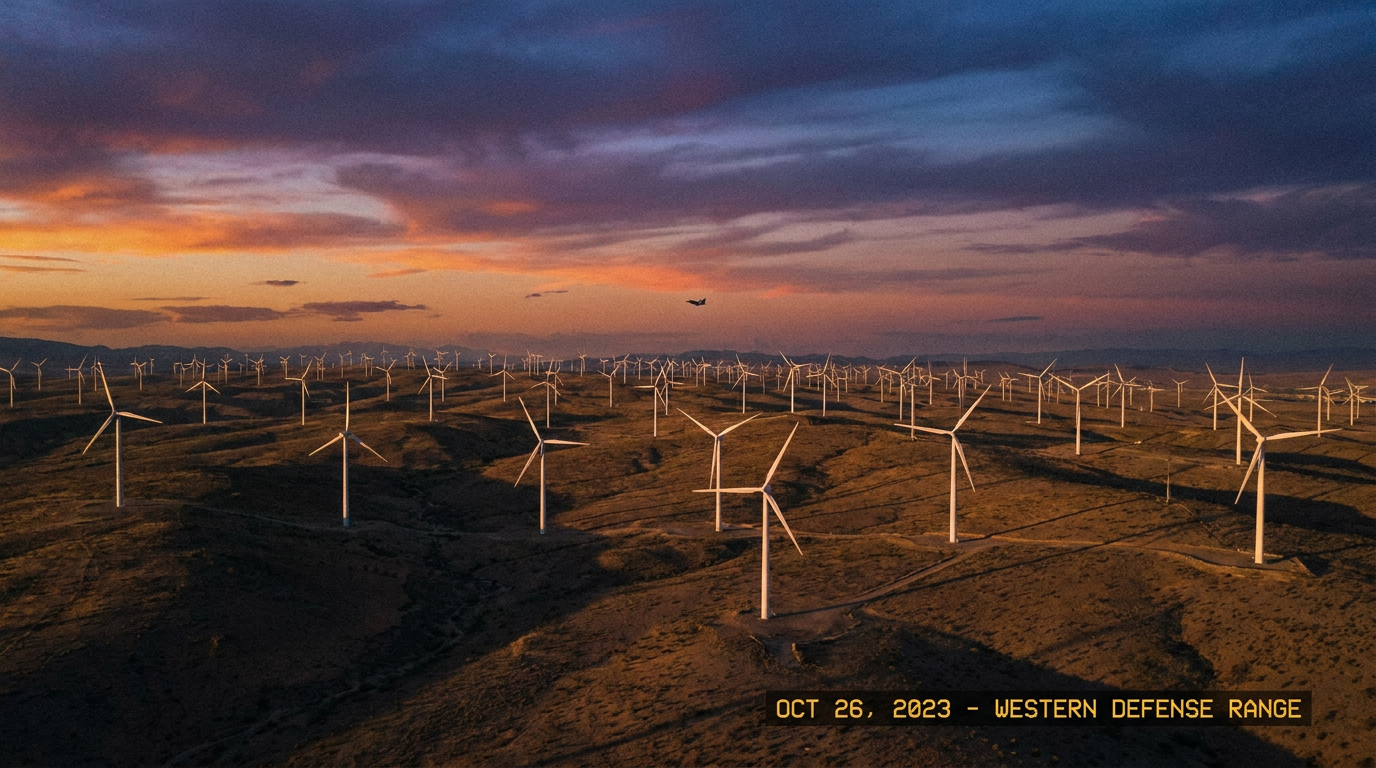
Renewable Energy Groups Sue Pentagon Over 'Total Halt' of Wind Farm Reviews
6 sources
Solar Sails
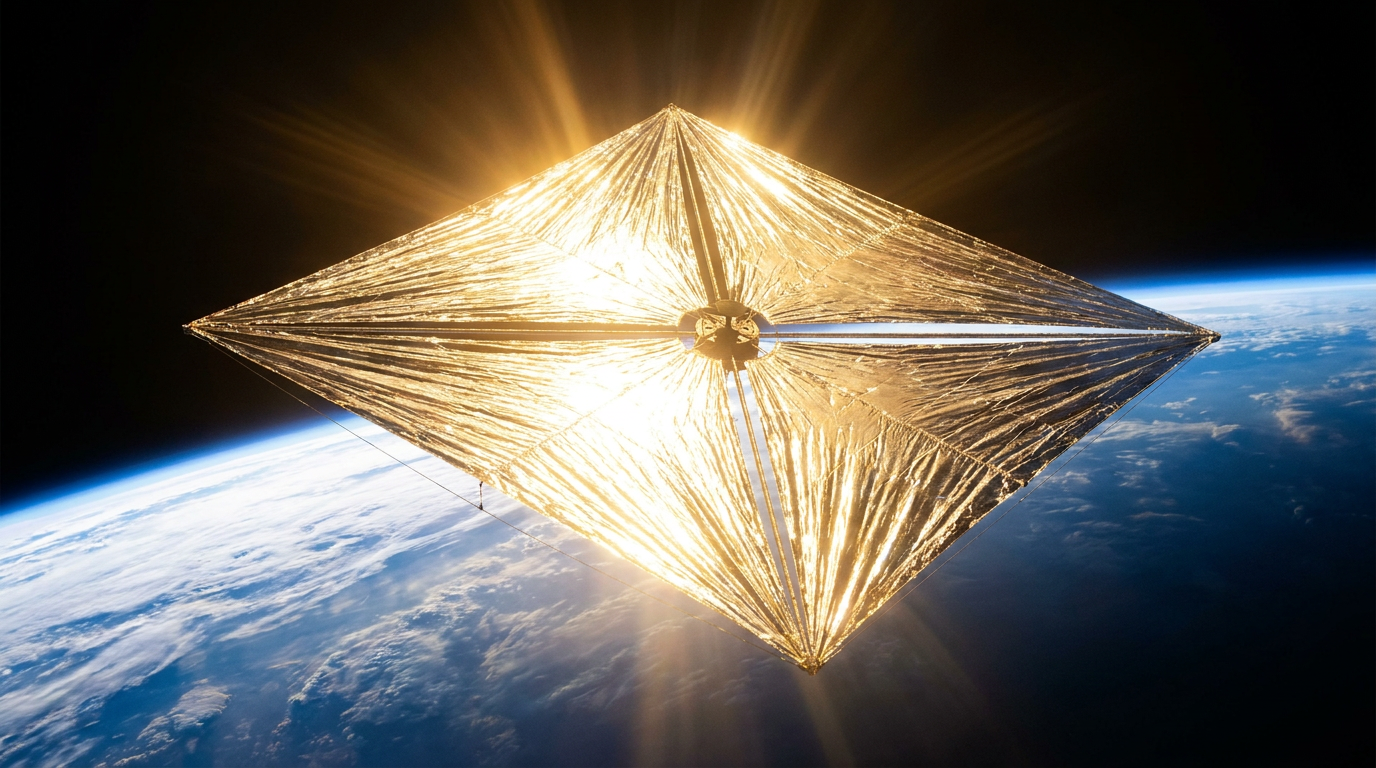
How Solar Sails Harness the Momentum of Light to Navigate Deep Space
6 sources
Stonehenge Origins
Evidence Pack: Neolithic Humans, Not Glaciers, Transported Stonehenge's 6-Ton Altar Stone
8 sources

Planetary Physics
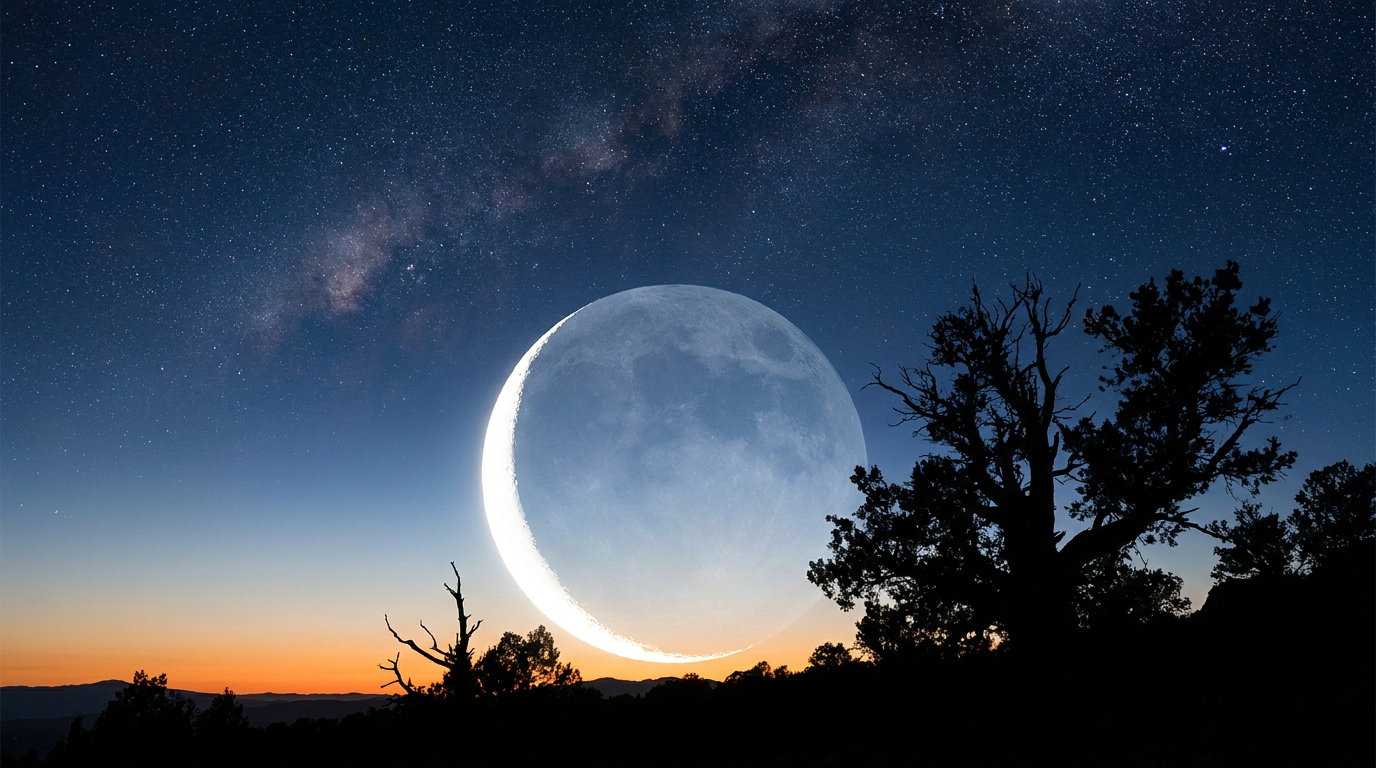
Why Astronomers Are Using 'Earthshine' to Track Climate Change and Hunt for Exoplanets
6 sources
Stay informed
Every angle. Every day.
Get science stories with full source coverage and perspective breakdowns delivered to your inbox.